Scandinavian Dog BreedsNordic spitz, hounds and herders
Scandinavian dog breeds come from Norway, Sweden and Denmark, and this page also includes Finland, which most people group with the Nordic countries. These hardy dogs were bred for hunting, herding reindeer and livestock, and farm work, and this guide helps you understand their needs before you choose one.
Top 10 Scandinavian Dog Breeds
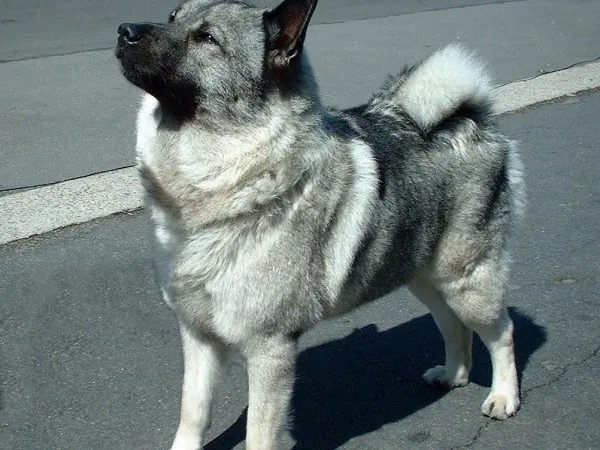
An ancient Norwegian spitz bred to track and hold moose at bay, bold, friendly and independent.
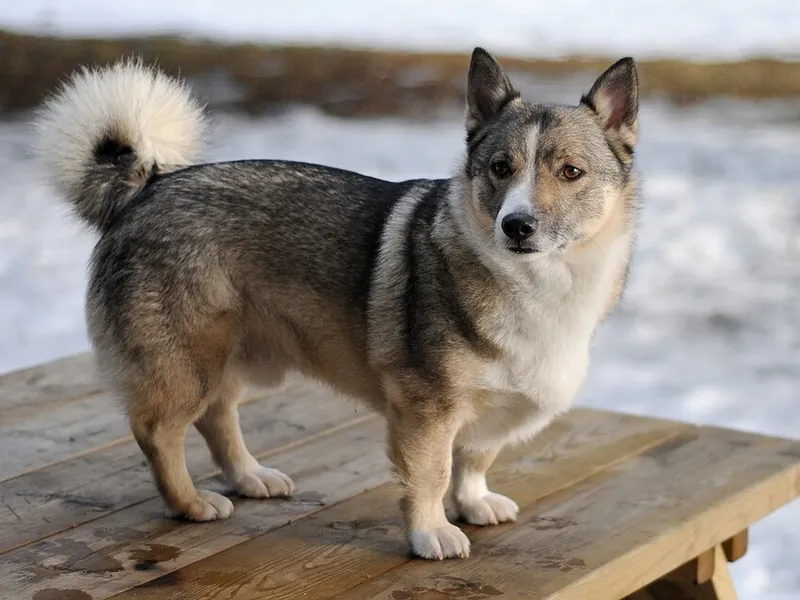
A short-legged Swedish cattle herder with a spitz face, sturdy, lively and eager to work.
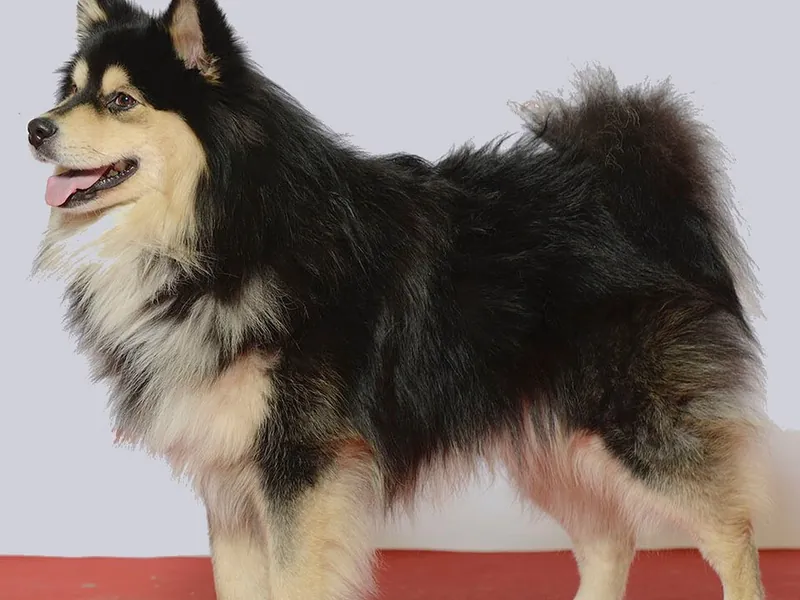
A fluffy, friendly reindeer herding dog of the Sámi people, gentle with families and adaptable.
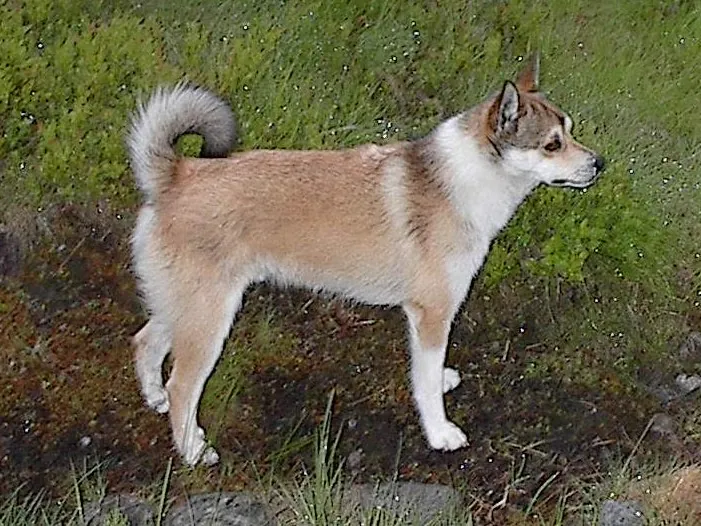
Bred to hunt puffins on cliffs, this unique spitz has extra toes and remarkably flexible joints.
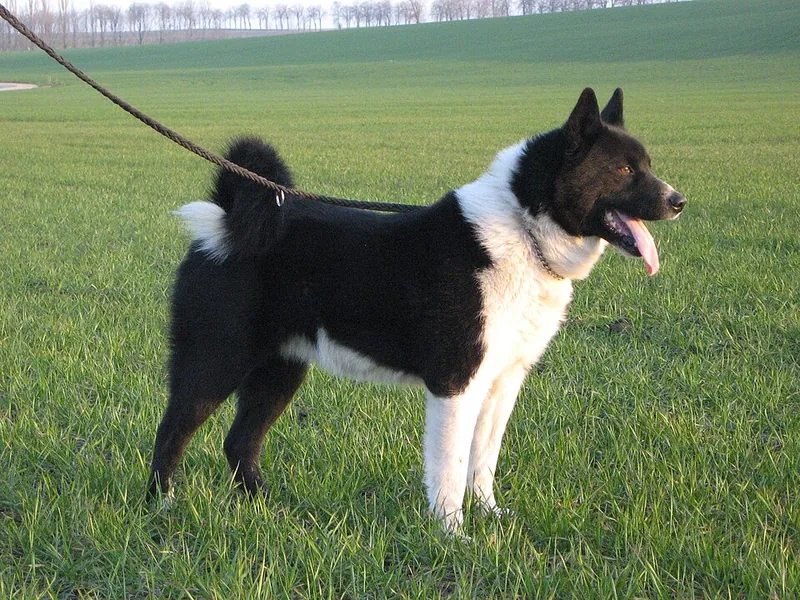
A fearless Finnish hunting dog for large game, black and white, intense and best for experienced owners.
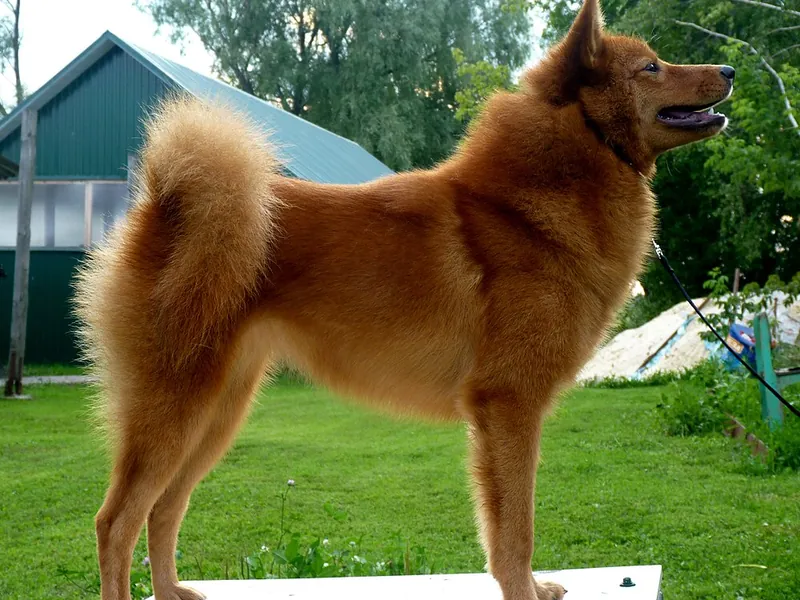
The national dog of Finland, a red bird-hunting spitz famous for its ringing bark to mark game.
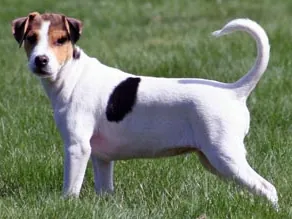
A small, cheerful farm dog from Denmark and southern Sweden, used for ratting and as a watchdog.
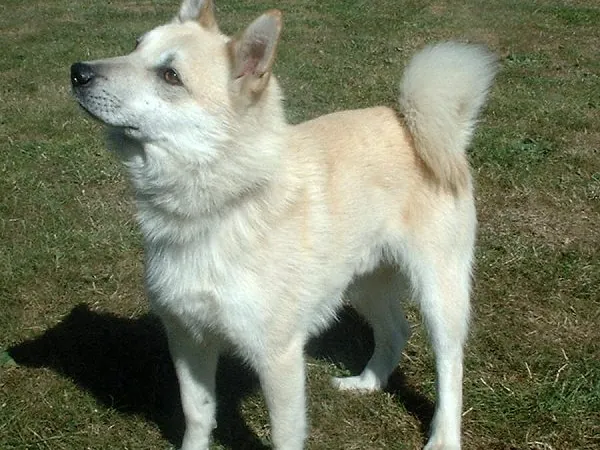
A medium Norwegian farm and herding spitz, energetic, vocal and very people-oriented.
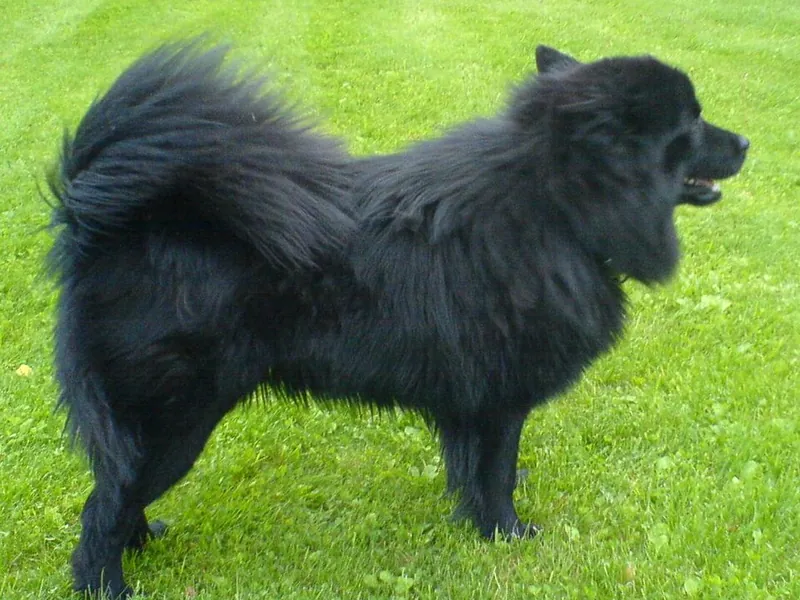
A rare Swedish spitz once used to herd reindeer, with a thick coat and a friendly, alert nature.
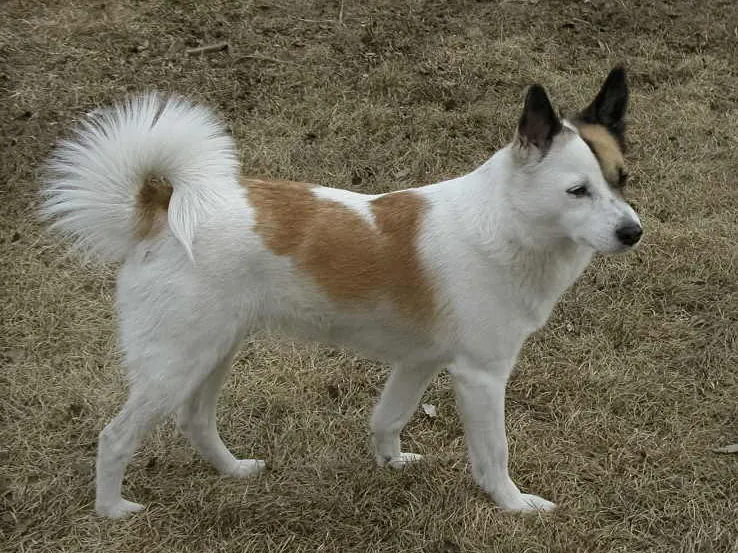
A small, nimble Nordic hunting spitz from the far north, revived after it nearly disappeared.
All Scandinavian Dog Breeds A to Z
Scandinavian versus Nordic
Strictly speaking, Scandinavia means Norway, Sweden and Denmark. Finland and Iceland are Nordic countries, and many people use the two terms interchangeably. This list includes breeds from all three Scandinavian countries plus Finland, which shares similar dog traditions. Icelandic breeds are covered with other fluffy and herding breeds.
Many Nordic breeds share a spitz type: pricked ears, a wedge-shaped head, a curled tail and a dense double coat. They are often considered close to older dog types and were kept as all-purpose hunting, herding and watch dogs on farms and in remote communities. The Scandinavian scent hounds look quite different, with drop ears and short coats, and were developed more recently from European hound types.
Main types of Nordic breeds
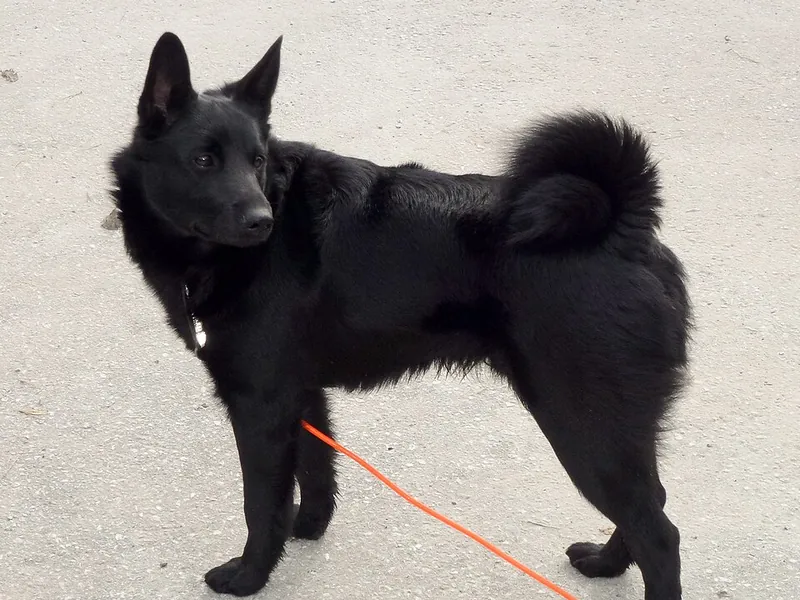
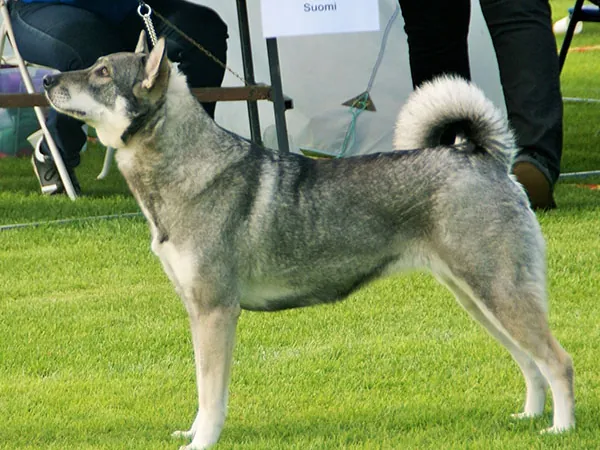
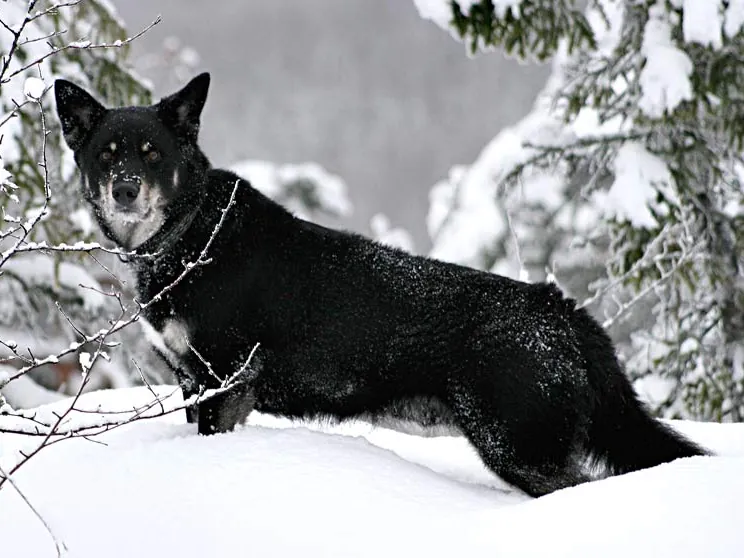
- Hunting spitz: Norwegian Elkhound, Black Norwegian Elkhound, Jamthund, Karelian Bear Dog, Finnish Spitz and Norrbottenspets, which find game and hold it with barking.
- Herding spitz: Swedish Vallhund, Finnish Lapphund, Swedish Lapphund, Lapponian Herder and Norwegian Buhund, used with reindeer, cattle and sheep.
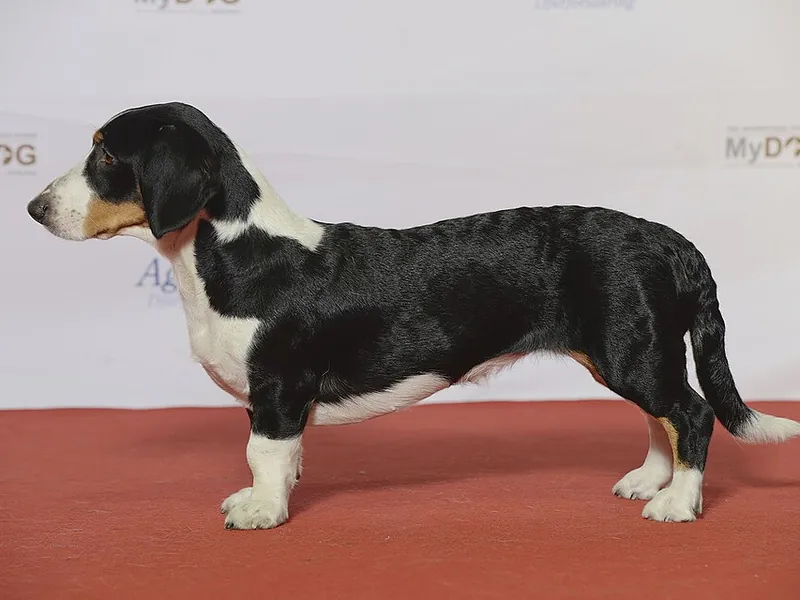
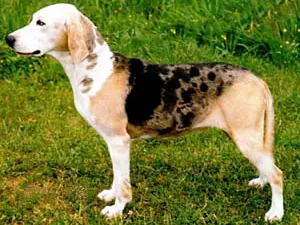
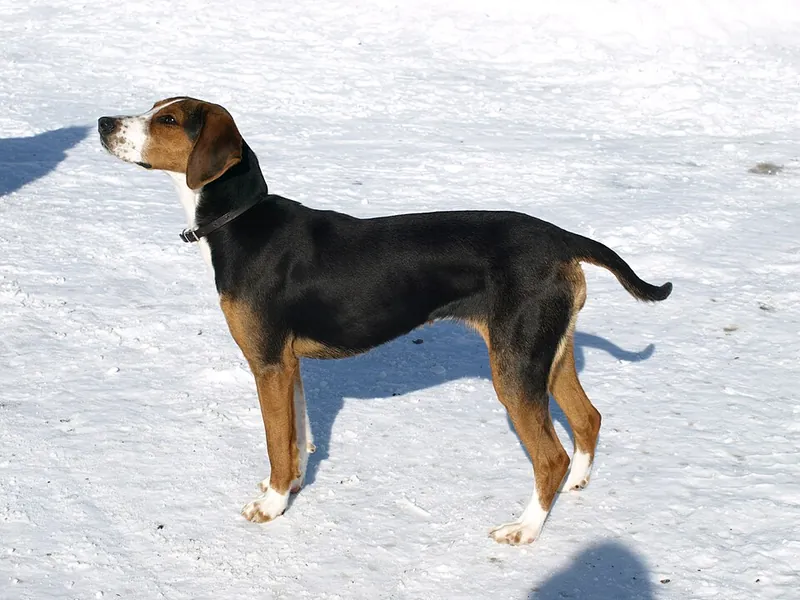
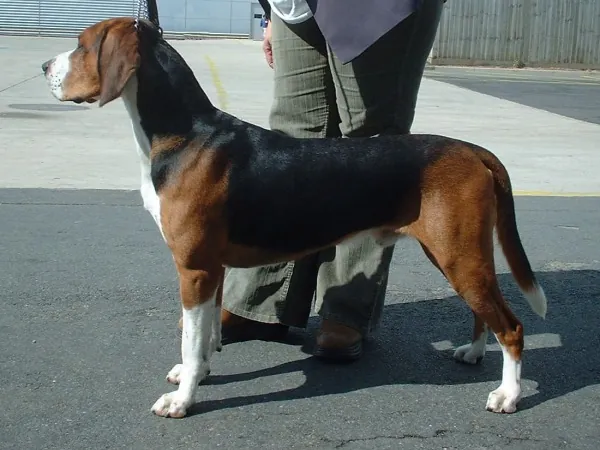
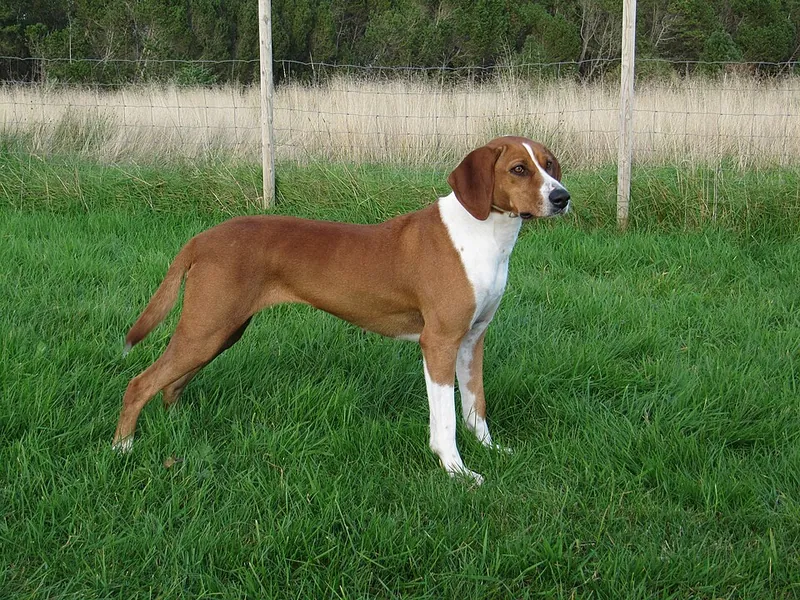
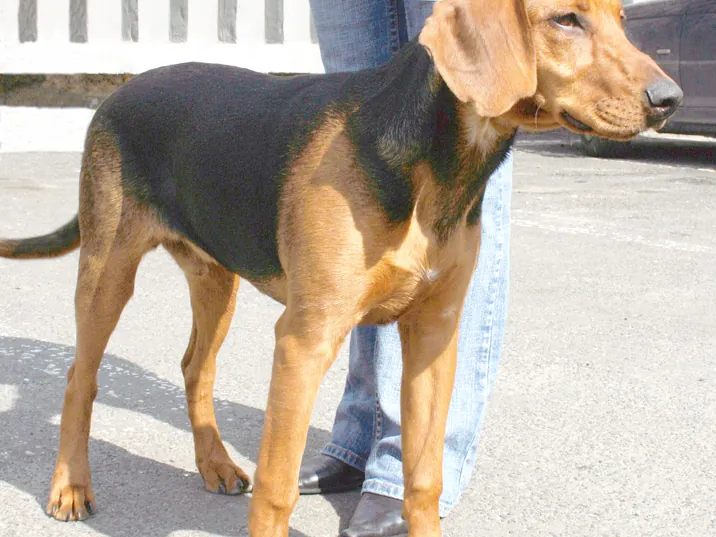
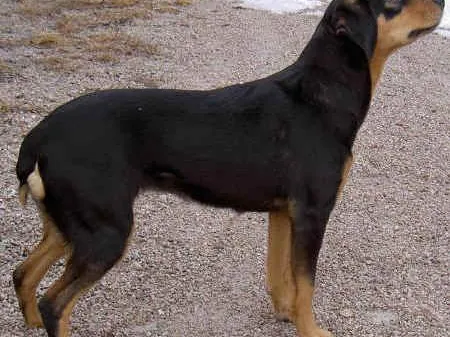
- Scent hounds: Hamiltonstövare, Schillerstövare, Smålandsstövare, Drever, Dunker, Hygen Hound and Finnish Hound, bred to trail hares and foxes.
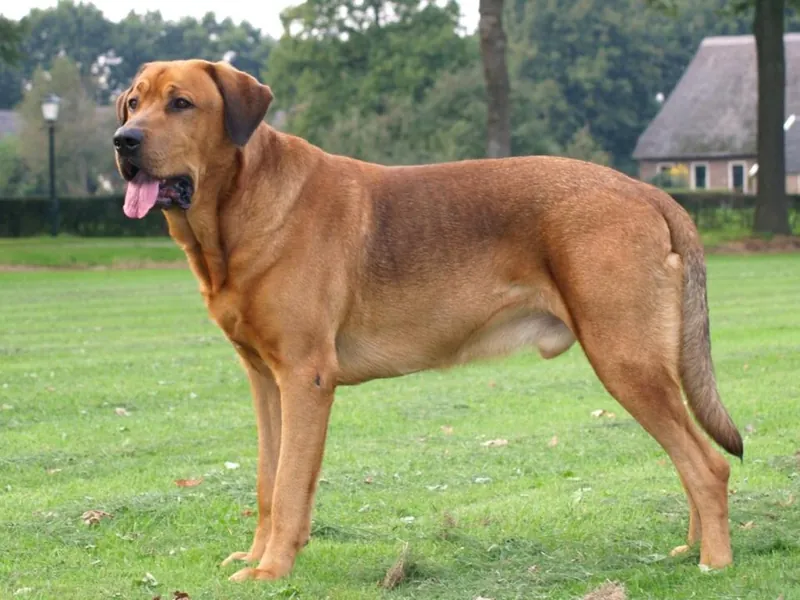
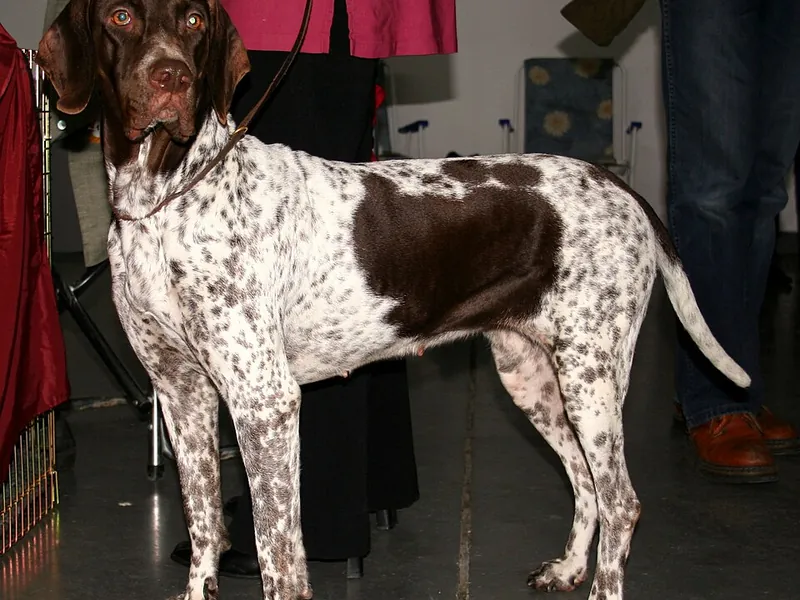
- Farm and guard dogs: Danish-Swedish Farmdog, the large Danish Broholmer and the Old Danish Pointer.
Living with a Nordic breed
Most Scandinavian breeds are energetic, intelligent and independent. Hunting spitz breeds tend to be vocal, which is part of their job, so they may not suit thin-walled apartments. Herding spitz breeds like the Finnish Lapphund and Swedish Vallhund are usually more cooperative and family-friendly. Scent hounds can follow their noses away from you, so reliable recall training and secure fences matter.
For first-time owners, the Finnish Lapphund, Danish-Swedish Farmdog and Swedish Vallhund are often easier choices than the Karelian Bear Dog or Norwegian Elkhound.
Climate and coat care
Many Nordic breeds have thick double coats built for long winters. They shed heavily, especially during seasonal coat changes, and need regular brushing with an undercoat rake. They usually love cold weather but can struggle in heat, so in warm climates provide shade, water and exercise during cooler hours. Do not shave double coats, since the coat helps protect against both cold and sun.
Health notes
Many Nordic breeds are generally hardy. A notable exception is the Norwegian Lundehund, which is prone to a digestive disorder often called Lundehund syndrome, so owners should work closely with a vet who knows the breed. Hip dysplasia and eye conditions occur in some spitz breeds, and responsible breeders screen for them. Because several breeds have small populations, breed clubs often monitor genetic diversity. Many of these breeds are rare outside their home countries, so finding a puppy may mean contacting the breed club and waiting.
Frequently Asked Questions
What is the most popular Scandinavian dog breed?
The Norwegian Elkhound and Swedish Vallhund are among the best-known Scandinavian breeds outside the Nordic countries.
Are Scandinavian dogs good in hot climates?
Many have thick double coats suited to cold weather, so they need extra care in heat. Shade, water and cool exercise times help.
Is the Finnish Lapphund a good family dog?
Yes, the Finnish Lapphund is known for being friendly, gentle and adaptable, making it a popular family choice.
What dog breed has six toes?
The Norwegian Lundehund typically has at least six toes on each foot, an adaptation for climbing cliffs while hunting puffins.
Do Nordic spitz breeds bark a lot?
Many hunting spitz breeds are vocal by design, and the Finnish Spitz is known for its distinctive bark. Training helps manage it.
Not sure which breed fits you?
Answer 8 quick questions and get breeds ranked for your home, schedule and experience.