Finnish LapphundGentle reindeer herder from Lapland
The Finnish Lapphund is a medium-sized, thick-coated spitz that herded reindeer for the Sami people of northern Finland. Friendly, gentle and eager to learn, it makes a devoted family dog, provided you are ready for barking and a lot of shed hair.
Why people love the Finnish Lapphund
- Gentle, friendly and very good with children
- Trainable and eager with positive methods
- Calmer than most herding breeds
- Handles cold weather with ease
- Welcoming to visitors after a quick alert
Things to consider
- Barks readily as part of its herding style
- Dramatic seasonal shedding from a very thick coat
- Can struggle in hot climates
- Some individuals are sound-sensitive
- Rare in the US, so breeders have waiting lists
Is this breed right for you?
10 questions · live resultHistory and Origin
For centuries, the Sami people of Lapland used spitz-type dogs to herd and guard their semi-domesticated reindeer across the Arctic tundra. The dogs worked by barking and moving the herd rather than by biting, and they had to cope with extreme cold.
As snowmobiles replaced dogs in reindeer herding during the 20th century, Finnish breeders worked to preserve the type. The Finnish Kennel Club first set a standard in 1945, and in 1967 the dogs were divided into the Finnish Lapphund and the longer-legged Lapponian Herder. The AKC recognized the Lapphund in 2011, and The Kennel Club lists it in the Pastoral Group.
Size, Coat and Colors
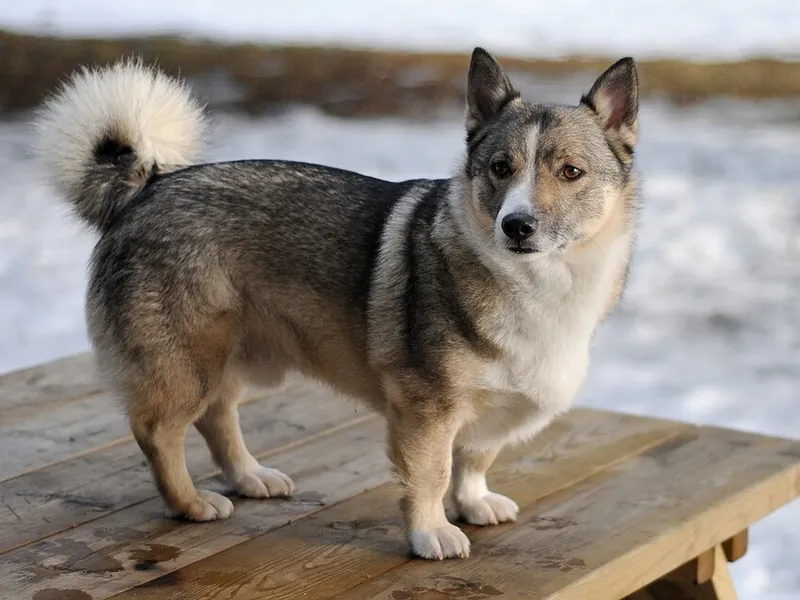
The Finnish Lapphund is a medium-sized spitz-type herding dog, slightly longer than tall, standing 16 to 21 inches and weighing about 33 to 53 lb. Males are typically 18 to 21 inches and females 16 to 19 inches, and males also carry a more pronounced mane and stronger head.
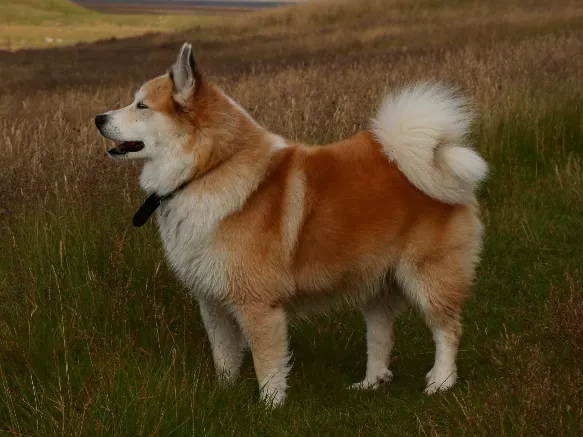
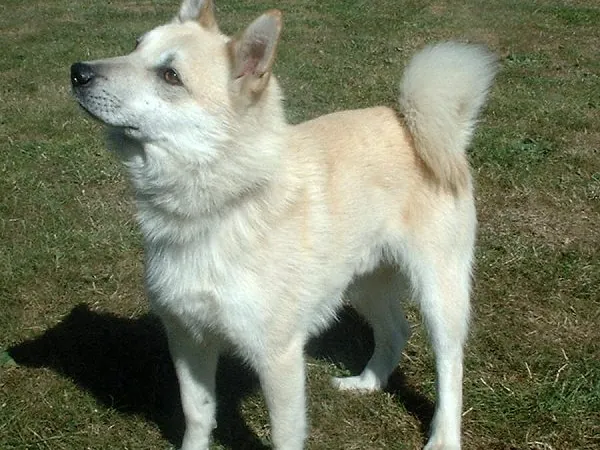
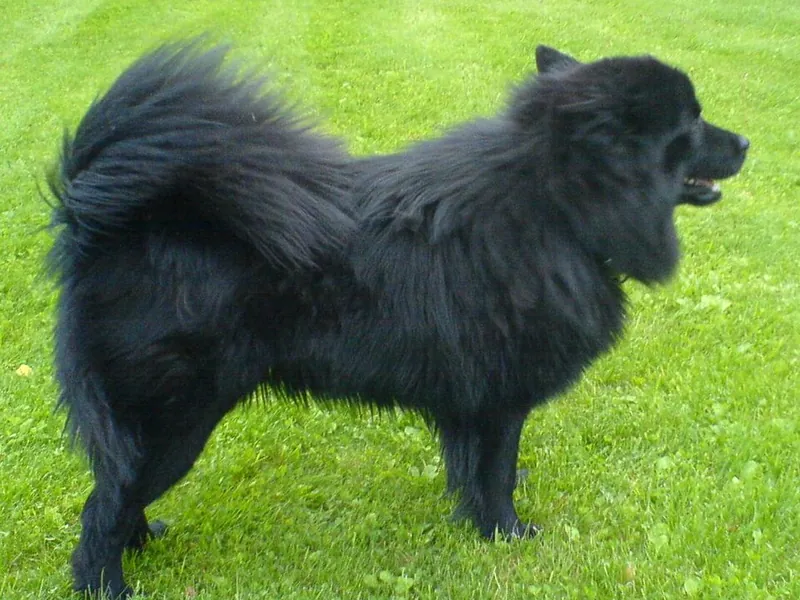
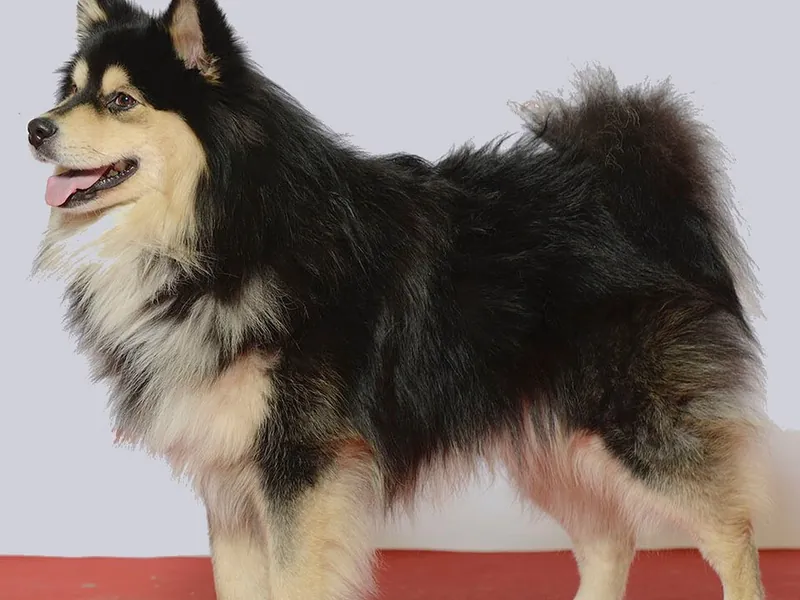
The coat is profuse, with a long, straight, harsh outer coat over a soft, very dense undercoat. Males usually have a heavier ruff around the neck and chest. The tail is well furred and curls over the back when the dog is moving.
All colors are allowed, but one main color should dominate. Black, brown, sable, cream and wolf-sable dogs are common, often with lighter markings on the head, neck, chest, legs and tail. Many Lappies have spectacle-like markings around the eyes. The head is broad with a soft, friendly expression, and the ears are erect or tipped.
Temperament and Personality
Lappies are calm, friendly and very people-oriented. They are usually welcoming to visitors after announcing them, and they are known for their soft, gentle nature with children. Many are sensitive and react poorly to harsh tones.
Barking is part of their herding heritage, and many Lapphunds are very vocal. They are alert, sometimes cautious with new things, and often bond strongly with their family. Some still try to herd people or pets, especially when excited.
A typical working technique of the breed is to stop and drop when the reindeer turn, then move again, which some owners see in play today. This calm, thoughtful herding style also makes the Lappie less pushy than many herding breeds.
Are Finnish Lapphunds Good for First-Time Owners?
Yes, Lappies are one of the more beginner-friendly herding breeds. They are gentle, people-oriented and generally less intense than Border Collies or Belgian shepherds.
First-time owners should still be ready for barking, heavy seasonal shedding and an hour or so of daily activity. Lappies are sensitive to tone, so calm, reward-based training suits them, and harsh corrections backfire. Early socialization helps the more cautious individuals become confident with noises and new situations. Owners who want a friendly, trainable family dog and do not mind dog hair often find the breed an ideal first dog.
Are Finnish Lapphunds Easy to Train?
Yes, most Lappies are quick learners and enjoy working with their owners. They do well in obedience, rally, agility and herding.
A few traits shape training:
- They are soft-natured, so praise and food work better than pressure.
- Barking is instinctive; teach a quiet cue from puppyhood.
- Some are startled by sudden noises and benefit from gradual exposure.
They are not usually stubborn in the terrier or hound sense, but they think things through, a trait from working reindeer independently. Short, positive sessions produce the best results.
Can Finnish Lapphunds Live in an Apartment?
They can manage in a larger apartment if they get daily exercise, but barking is the main obstacle. Lappies alert readily, and neighbors may not appreciate a vocal dog.
Apartment Lappies need around an hour of walks and play each day, training sessions and a cool place to rest, since the coat is built for Arctic temperatures. Air conditioning is important in warm regions. Early quiet training and white noise can reduce reactions to hallway sounds. A house with a small yard is easier, but a well-exercised Lappie adapts to many living situations.
Exercise and Training
Plan on around an hour of exercise a day: walks, play and training. Lappies enjoy herding, agility, obedience and rally, and they are usually quick learners with positive methods.
- Use calm consistency and rewards; avoid harsh corrections.
- Teach a quiet cue from puppyhood.
- Provide shade and water in summer; the coat is built for cold.
Some Lappies can be startled by sudden noises, so steady socialization builds confidence.
Grooming and Shedding
The coat is a long, harsh outer coat over a very thick, soft undercoat. Brush thoroughly once or twice a week, focusing on areas behind the ears and on the legs. During seasonal shedding, which can be dramatic, daily raking is needed.
The coat repels dirt fairly well, so bathing is needed only occasionally. Colors are varied, often with distinctive markings around the eyes, called spectacles.
Feeding and Nutrition
The Lapphund's thick coat hides body shape, so check condition by touch. You should feel ribs under a thin fat layer and find a waist when you press the coat flat. Lappies are food-motivated and can gain weight easily in a less active home.
- Feed adults two meals a day; puppies three or four.
- Use part of the daily food in training sessions.
- Reduce portions in hot weather if activity drops.
A moderate, steady growth rate suits puppies. A balanced puppy diet in measured amounts supports bone development without extra weight. The breed matures slowly, and adult coat and body shape may take two to three years to fill out.
Coat condition reflects nutrition. A complete, balanced diet supplies the fatty acids and protein needed for the heavy double coat, especially before and during seasonal sheds. Discuss persistent dull coat or skin issues with your vet. Hypothyroidism has been reported in the breed and can cause weight gain and coat changes, so mention unexplained changes at checkups. Always provide plenty of fresh water, especially in summer.
| Adult weight | Less active | Typical adult | Very active |
|---|---|---|---|
| 33 lb | 750 kcal | 850 kcal | 1,070 kcal |
| 43 lb | 910 kcal | 1,040 kcal | 1,300 kcal |
| 53 lb | 1,060 kcal | 1,220 kcal | 1,520 kcal |
Estimates use the resting energy formula veterinarians work with (70 × body weight in kg0.75) and standard activity factors. Use the feeding guide on your food as a starting point and adjust to body condition. Puppies, seniors, pregnant animals and pets that need to lose weight have different needs, so ask your vet.
Health and Lifespan
Finnish Lapphunds typically live 12 to 15 years. Progressive retinal atrophy (prcd-PRA) can be avoided through DNA testing. Cataracts, epilepsy, hypothyroidism, degenerative myelopathy and Pompe disease, a rare inherited metabolic disorder, have also been reported.
Ask breeders for eye examinations, hip scores and DNA results for PRA and Pompe disease. Keeping the dog lean and active supports long-term health.
Finnish Lapphund Price and Cost of Ownership
Typical breeder price in the US$1,500 to $3,000
A Finnish Lapphund puppy from a reputable US breeder typically costs about $1,500 to $3,000. Prices vary by breeder, region and lines, and some puppies are imported from Finland or other European countries, which adds transport costs. The breed is uncommon in the US, so waiting lists are normal. Ask for eye exams, hip scores and DNA results for prcd-PRA and Pompe disease.
Breed club rescue programs occasionally rehome adult Lappies.
Breed-specific ongoing costs include:
- Grooming tools and occasional professional bath-and-blowout sessions during heavy sheds.
- Air conditioning or cooling gear in warm climates.
- Annual eye exams for breeding and older dogs.
Is the Finnish Lapphund Right for You?
At 33 to 53 lb and 16 to 21 inches, the Lappie suits families, first-time owners who enjoy training and people in cooler climates. It adapts to a house or larger apartment if exercised daily.
It is not ideal where barking is a problem, for owners away all day, or for anyone who cannot cope with heavy shedding.
Lappies are known as a calm, gentle herding breed, which makes them easier to live with than some of the more intense herding dogs. They are a good choice for people who want a friendly, trainable dog that loves family life.
Finnish Lapphund Traits at a Glance
Finnish Lapphund FAQ
Are Finnish Lapphunds good family dogs?
Yes. They are gentle, friendly and generally very good with children.
Do Finnish Lapphunds bark a lot?
Yes, barking is part of their herding heritage, so expect a vocal dog.
Do Finnish Lapphunds shed?
Yes, heavily during seasonal coat changes and moderately the rest of the year.
How big do Finnish Lapphunds get?
They stand about 16 to 21 inches tall and weigh around 33 to 53 lb.
Can Finnish Lapphunds live in hot climates?
They can adapt with shade, air conditioning and exercise in cool hours, but their thick coat is designed for cold.
How long do Finnish Lapphunds live?
Typically 12 to 15 years.