Swedish LapphundThe Sami people's reindeer herding spitz
The Swedish Lapphund is a medium-sized Nordic spitz that once helped the Sami people herd reindeer across northern Scandinavia. It is cheerful, alert and very trainable, a great match for active owners who enjoy dog sports and can live with a vocal, fluffy companion.
Why people love the Swedish Lapphund
- Very trainable; excels in agility, obedience and herding trials
- Friendly and good with children and other pets
- Modest prey drive for a spitz breed
- Handles cold, snow and wet weather well
- Generally healthy with a 12 to 14 year lifespan
Things to consider
- Vocal; barks readily at new sights and sounds
- Heavy seasonal shedding of a thick double coat
- Struggles in hot climates
- Dislikes long periods alone
- Rare outside Scandinavia; puppies hard to find in the US
Is this breed right for you?
10 questions · live resultHistory and Origin
The Swedish Lapphund descends from dogs that the Sami people used for centuries to herd and guard reindeer and to keep watch around camps. It is among the oldest Nordic dog types, and similar dogs exist in Finland as the Finnish Lapphund and Lapponian Herder.
The Swedish Kennel Club registered the breed in the early 20th century, but numbers fell as reindeer herding modernized and snowmobiles replaced some of the dog work. Dedicated Swedish breeders preserved it. It is recognized by the FCI in Group 5, by The Kennel Club in the Pastoral group, and in the United States it is part of the AKC Foundation Stock Service. It remains rare outside Scandinavia.
Size, Coat and Colors
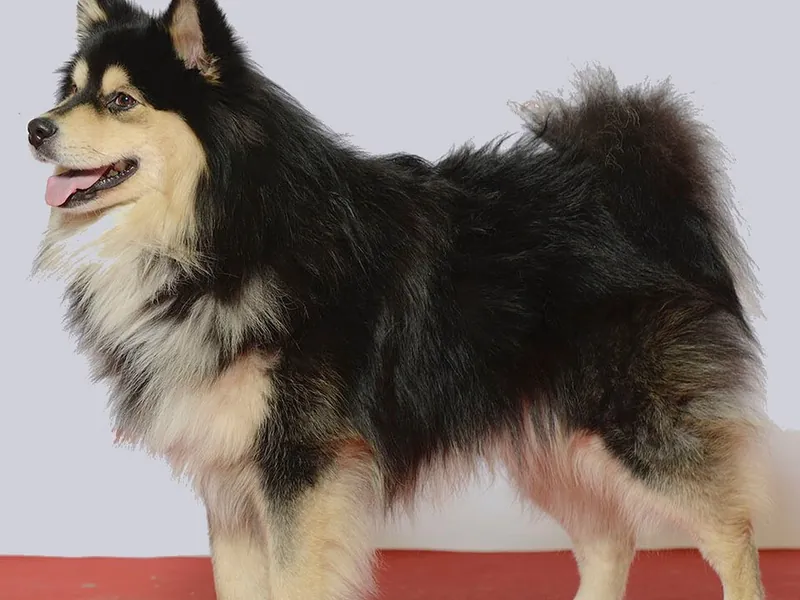
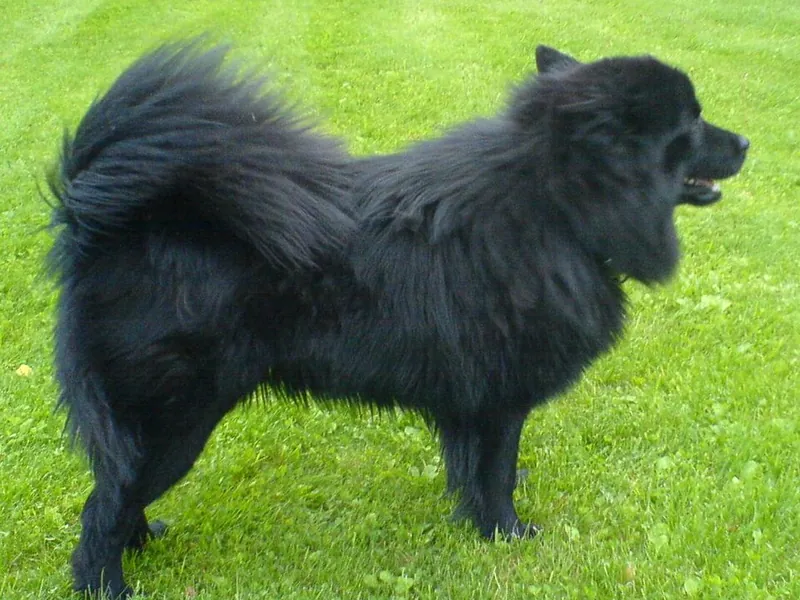
The Swedish Lapphund is a medium-sized, slightly rectangular Nordic spitz with a wedge-shaped head, upright ears and a bushy tail curled over the back. Adults stand about 16 to 20 inches at the shoulder and weigh roughly 31 to 44 lb. Males are typically 18 to 20 inches and noticeably sturdier, while females are around 16 to 18 inches and lighter in build.
The coat is profuse and weather-resistant: a harsh, straight outer coat stands off the body over a dense, fine undercoat. A thick ruff surrounds the neck, and the back of the legs and the tail carry generous feathering. This coat protected the dogs during Arctic winters with reindeer herds.
Colors: the breed is a whole-colored dog. Black is by far the most common color, and bear brown or liver also occur. Small white markings on the chest, feet and tail tip are permitted, but larger white areas are not desired. Some black dogs develop a slight brownish tinge in summer from sun bleaching.
Temperament and Personality
Swedish Lapphunds are friendly, lively and affectionate. They bond closely with their family and are usually good with children and other pets when raised together. They are alert and quick to bark at anything new, which makes them effective watchdogs but can test neighbors' patience.
Their herding background shows in their attentiveness and responsiveness to people. Some try to herd children or other pets by circling or barking, which can be redirected with training and games. Prey drive is generally modest.
Are Swedish Lapphunds Good for First-Time Owners?
Yes, Swedish Lapphunds are a good choice for first-time owners who are active and willing to train. They are friendly, responsive and learn quickly with positive methods.
The main challenges for novices are barking and shedding. Lapphunds bark readily, so teaching a quiet cue from puppyhood and rewarding calm behavior is essential. The double coat sheds heavily in seasonal waves, requiring daily brushing during those weeks. First-time owners also need to commit to at least an hour of exercise a day and plenty of mental work. Because the breed is rare in the US, finding a breeder can take time.
Can Swedish Lapphunds Live in an Apartment?
A Swedish Lapphund can live in a larger apartment if it gets enough exercise, but barking is the main obstacle to apartment life.
Lapphunds are alert watchdogs that respond to hallway noises and doorbells. In shared buildings, early training to stay calm at home is important, along with a resting place away from the door. An hour or more of outdoor activity daily, plus training games, keeps the dog settled indoors. Apartments that stay warm in summer can be uncomfortable for this cold-adapted breed, so air conditioning and early morning walks help.
Can Swedish Lapphunds Be Left Alone?
Swedish Lapphunds prefer company and do not cope well with long hours alone. Most adults can manage a few hours if they have been taught gradually.
A lonely Lapphund is likely to bark, which can cause problems with neighbors. Start alone-time practice early with short departures, and build up slowly. Exercise the dog and provide a puzzle toy or chew before leaving. Multi-dog homes often help, since Lapphunds enjoy canine company. For full workdays, a dog walker, daycare or a family member at home is the best solution for this social herding breed.
Exercise and Training
Plan for an hour or more of exercise daily, including walks, off-lead play in safe areas and training games. Lapphunds are agile and enthusiastic, and they excel in agility, obedience, herding trials, rally and scent work.
The breed is very trainable and learns quickly with positive methods. Many enjoy learning tricks and respond well to short, varied sessions. Teach a quiet cue early to manage barking. Lapphunds do not like long periods alone and are happiest when included in family activities.
Lapphunds handle cold, snow and wet weather well and often seem most energetic in winter. In warm weather, move walks to early morning or evening.
Grooming and Shedding
The thick, weather-resistant double coat is usually black, sometimes brown or liver, with a dense undercoat that kept the dog warm in Arctic winters.
- Brush once or twice a week, and daily during seasonal sheds when the undercoat comes out heavily.
- Check the feathering behind the legs and around the ears for mats.
- Trim nails and the hair between the pads regularly.
The coat sheds dirt fairly well once dry, so frequent bathing is not necessary.
Feeding and Nutrition
The Swedish Lapphund is an active, athletic spitz, and it should stay lean and agile throughout life. Its dense coat hides extra weight well, so weigh your dog regularly and feel for the ribs and waist rather than judging by eye. A lean body supports healthy hips, which breeders screen for dysplasia.
Puppies: feed a complete puppy diet suitable for medium breeds, in three or four meals daily at first, then two meals as an adult. Aim for steady growth.
Activity and season: Lapphunds are often more active in cold weather and may need slightly more food during winter or busy dog sport seasons, and less in warm months when they move less. Adjust portions to body condition.
Coat: a balanced diet with adequate essential fatty acids supports the heavy double coat, especially during seasonal sheds. Avoid adding supplements without veterinary advice.
Lapphunds are eager learners with food rewards. Measure part of the daily ration for training sessions and count any extra treats and chews.
| Adult weight | Less active | Typical adult | Very active |
|---|---|---|---|
| 31 lb | 710 kcal | 810 kcal | 1,020 kcal |
| 44 lb | 930 kcal | 1,060 kcal | 1,320 kcal |
Estimates use the resting energy formula veterinarians work with (70 × body weight in kg0.75) and standard activity factors. Use the feeding guide on your food as a starting point and adjust to body condition. Puppies, seniors, pregnant animals and pets that need to lose weight have different needs, so ask your vet.
Health and Lifespan
The Swedish Lapphund is generally healthy, with a lifespan of about 12 to 14 years. Responsible breeders screen for hip dysplasia and progressive retinal atrophy, an inherited eye disease that leads to vision loss. A DNA test for one form of PRA is available.
Ask breeders for hip and eye results on both parents. Keep the dog lean and active, and take care in hot weather, since the dense coat suits cold climates better.
Swedish Lapphund Price and Cost of Ownership
The Swedish Lapphund is very rare in the United States. It is part of the AKC Foundation Stock Service, and only a handful of breeders produce litters. Many US owners import puppies from Scandinavia or Europe, adding transport, travel and paperwork costs. Prices vary by breeder, region and lines, and expect to wait. Ask for hip scores and PRA DNA results for both parents.
Adoption is unusual, though Nordic breed rescues occasionally have Lapphunds or similar spitz dogs.
Ongoing costs are moderate for a medium, generally healthy breed. The main drivers are grooming tools or professional deshedding during heavy coat changes, dog sport classes and climate control in hot summers. Pet insurance is worth pricing to cover unexpected injuries in an athletic dog.
Is the Swedish Lapphund Right for You?
This breed suits active families and owners who enjoy training and dog sports, and who can handle barking and seasonal shedding. It can adapt to a house or a larger apartment with enough exercise.
- Good match: active families, first-time owners willing to train, dog sport fans, cooler climates.
- Less ideal: noise-sensitive neighbors, owners away all day, very hot climates.
Swedish Lapphund Traits at a Glance
Swedish Lapphund FAQ
How big do Swedish Lapphunds get?
They stand about 16 to 20 inches at the shoulder and weigh roughly 31 to 44 lb.
Are Swedish Lapphunds easy to train?
Yes, they are intelligent, eager to learn and respond very well to positive training.
Do Swedish Lapphunds shed?
Yes, they shed a lot, especially during seasonal coat changes.
Do Swedish Lapphunds bark a lot?
They are vocal and alert. Early training helps manage barking.
Are Swedish Lapphunds good with kids?
They are usually friendly and playful with children, though some may try to herd them.
How long do Swedish Lapphunds live?
Typically 12 to 14 years.