Australian KelpieAustralia's tireless sheep-working dog
The Australian Kelpie is a medium-sized herding dog bred to move large flocks of sheep in heat and over long distances. It is intelligent, confident and almost inexhaustible. It suits farmers, serious dog sport enthusiasts and highly active owners who can give it a real job every day.
Why people love the Australian Kelpie
- Tireless worker and athlete
- Extremely quick to learn
- Hardy, with few major health problems
- Easy-care, weatherproof coat
- Superb partner for herding, agility and running
Things to consider
- Needs several hours of activity every day
- Not suited to apartments or long days alone
- Can herd children, bikes and cars
- May become vocal or destructive when bored
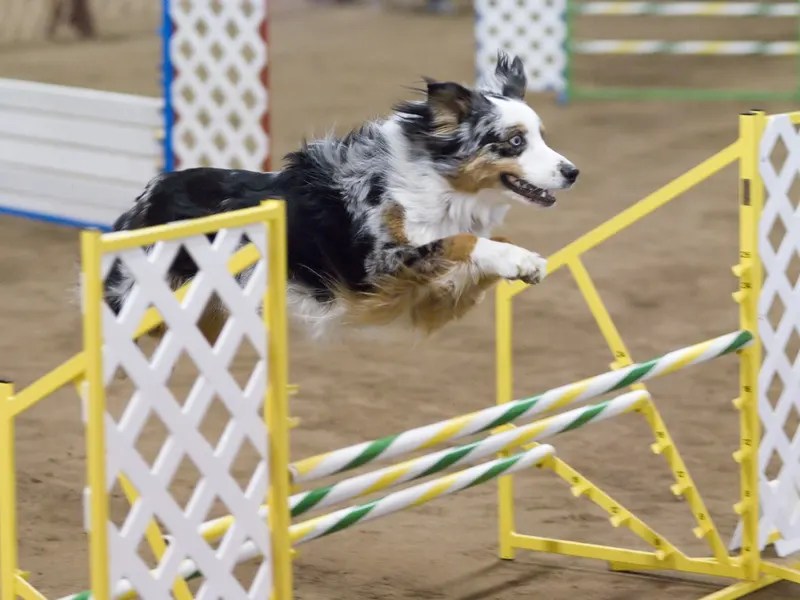
- Agile jumper; needs high, secure fencing
Is this breed right for you?
10 questions · live resultHistory and Origin
The Kelpie was developed in Australia in the late 19th century from collie-type working dogs imported from Scotland. Sheep stations needed a dog that could handle huge flocks in hot, dry conditions. A black and tan female named Kelpie, bred in the 1870s and owned by Jack Gleeson, gave her name to the breed.
Kelpies are famous for "backing": running across the backs of tightly packed sheep in pens and yards. Today there are two strands, working Kelpies bred purely for function and show (bench) Kelpies bred to a breed standard. The breed is in the AKC Foundation Stock Service.
Size, Colors and Build
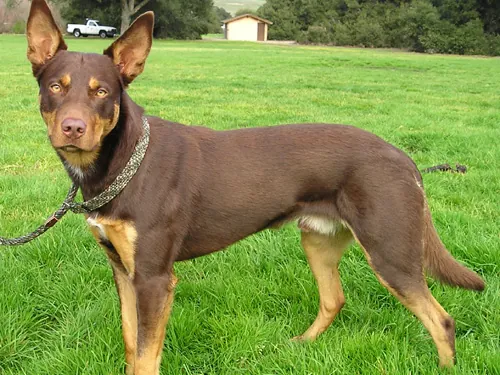
The Australian Kelpie is a lithe, medium-sized herding dog standing 17 to 20 inches and weighing about 35 to 51 lb. It is built for stamina and agility, with a fox-like head, pricked ears, almond-shaped eyes and a moderately long, slightly arched neck. The tail hangs in a gentle curve at rest. Males are typically a little larger and stronger in head than females.
The coat is a short to medium double coat, dense and close-lying, with a thicker ruff in some dogs. The show standard accepts black, black and tan, red, red and tan, fawn, chocolate and smoke blue.
Australia distinguishes between show-registered Australian Kelpies and Working Kelpies, which are bred for herding ability. Working Kelpies may be any color, including cream and white markings, and can be more variable in size and ears. In the US, Kelpies are part of the AKC Foundation Stock Service and are also registered through working-dog organizations, so appearance varies widely between lines.
Temperament and Personality
Kelpies are alert, eager and extremely driven. They bond closely with their handler and love to work. With strangers they are often reserved and make watchful alarm dogs.
Some Kelpies are quite vocal, using barks when working stock. Without enough to do, they may herd children, chase cars or bikes, and develop nuisance barking or destructive habits. They generally get on with other dogs and pets they are raised with.
Working Kelpies tend to be more intense and independent than show-bred dogs, which are usually somewhat calmer in the home. Both have a strong need to be doing something and will create their own jobs if none are given.
Are Kelpies Good for First-Time Owners?
Generally no. A Kelpie is best for experienced owners or very active first-timers who are ready to make training and exercise a daily priority.
The breed is eager to please and learns fast, which can make the first weeks feel easy. The challenge arrives with adolescence, when energy and drive peak. A Kelpie needs several hours of activity, structured training and a calm off switch taught deliberately. First-time owners who run, hike or want to do herding or agility, and who work with an experienced trainer, can do well. People looking for a relaxed companion should choose another breed.
Can Kelpies Be Left Alone?
Kelpies can handle a few hours alone once they are well exercised and trained, but they are not suited to full workdays alone as a routine.
A bored Kelpie quickly invents its own projects: barking, digging, chewing or escaping over fences. Before leaving, give a solid run or training session, then offer a food puzzle or chew. Crate or pen training from puppyhood helps them learn to rest. Many working Kelpies spend time in a secure kennel area when not working, but family Kelpies need company and structure. If you work long days, plan for a dog walker or daycare.
Are Kelpies Good with Cats?
Kelpies can live with cats, especially when raised with them, but many want to herd or stalk anything that moves.
This is rarely about prey drive in a predatory sense; it is the herding instinct to control movement. A cat that runs may be chased, circled or nipped. Introduce a puppy to a calm cat with plenty of escape routes and teach the dog to settle on a mat when the cat is around. Reward the dog for looking away from the cat. With adults that have never lived with cats, introductions should be slow and supervised.
Exercise and Training
A Kelpie needs several hours of activity daily, including both physical work and mental challenges. Ideal outlets include herding, agility, flyball, canicross and long runs. A short walk around the block is nowhere near enough.
The breed is highly trainable and quick to learn, which also means it picks up bad habits quickly. Use positive, structured training and teach an "off switch" so the dog can relax at home. Kelpies are agile jumpers, so a high, secure fence is important.
Provide rest as well as activity. Over-stimulated young Kelpies can struggle to switch off, so build in quiet time in a crate or on a mat after exercise.
Grooming and Shedding
The short to medium double coat is weatherproof and easy to care for. Colors include black, black and tan, red, red and tan, chocolate, fawn and blue. Brush weekly and more during seasonal shedding. Check paws and pads for cuts after work on rough ground, and keep nails trimmed.
Feeding and Nutrition
A Kelpie's food needs vary enormously with workload. A working stockdog covering many miles a day may need far more food than a pet Kelpie, while the same dog in the off-season needs less. Feed by body condition rather than the bag: you should see a clear waist and feel the ribs easily.
- Feed puppies three or four meals a day and adults two meals. Very active working dogs sometimes do better with a larger meal after work.
- Avoid feeding a full meal right before intense exercise, and give the main meal after the dog has cooled down.
- Use part of the daily ration as training rewards.
Working dogs on long days in heat benefit from frequent water breaks. Watch muscle condition in older or retired Kelpies; when activity drops, portions need to drop too, or weight creeps up quickly. Discuss with your vet whether a working dog needs a performance diet during busy seasons. Keeping a Kelpie lean helps protect its joints and supports a long, active life.
| Adult weight | Less active | Typical adult | Very active |
|---|---|---|---|
| 35 lb | 780 kcal | 890 kcal | 1,110 kcal |
| 51 lb | 1,030 kcal | 1,180 kcal | 1,480 kcal |
Estimates use the resting energy formula veterinarians work with (70 × body weight in kg0.75) and standard activity factors. Use the feeding guide on your food as a starting point and adjust to body condition. Puppies, seniors, pregnant animals and pets that need to lose weight have different needs, so ask your vet.
Health and Lifespan
Kelpies are generally hardy, with a typical lifespan of 10 to 13 years. Conditions reported in the breed include:
- Hip dysplasia
- Luxating kneecaps
- Progressive retinal atrophy
- Cerebellar abiotrophy, an inherited neurological disease affecting coordination, for which a DNA test exists
Look for breeders who screen hips and eyes and test for cerebellar abiotrophy. Working dogs also benefit from regular checks for injuries and from keeping a healthy weight.
Australian Kelpie Price and Cost of Ownership
Typical breeder price in the US$800 to $2,000
An Australian Kelpie puppy from a reputable US breeder typically costs about $800 to $2,000. Prices vary by breeder, region and lines, and puppies from proven working parents or imported lines may cost more. Kelpies are relatively uncommon as pets in the US, and many breeders sell mainly to ranchers and herding competitors.
Adoption is possible through herding-breed rescues, which sometimes place Kelpies and Kelpie mixes surrendered by owners who underestimated their energy.
Breed-specific ongoing costs include secure, high fencing, herding lessons or sports club fees and durable equipment. Food costs rise with workload. Veterinary costs are usually moderate, but working dogs are prone to injuries such as cuts, sprains and ligament damage, so insurance or an emergency fund is advisable. DNA testing for cerebellar abiotrophy should already be reflected in a reputable breeder's price.
Is the Australian Kelpie Right for You?
A Kelpie is perfect for livestock farmers, trail runners, herding and agility competitors, and very active households with space. It thrives on a clear role and daily challenges.
It is not suitable for apartments, owners who work long hours away from home, or anyone seeking a relaxed family pet. Under-exercised Kelpies are often given up to rescues.
Australian Kelpie Traits at a Glance
Australian Kelpie FAQ
How big do Australian Kelpies get?
They stand about 17 to 20 inches tall and weigh roughly 35 to 51 lb.
Are Kelpies good family dogs?
They can be loyal family dogs for very active households, but their energy and herding instincts make them challenging for most pet homes.
How much exercise does a Kelpie need?
Several hours of exercise and mental work a day; they are built to work all day.
Do Kelpies bark a lot?
Some do, especially when bored or working stock; training and enough activity help.
How long do Australian Kelpies live?
Typically 10 to 13 years.
What is the difference between a Working Kelpie and an Australian Kelpie?
Working Kelpies are bred purely for herding ability, while Australian (show) Kelpies are bred to a breed standard for appearance and temperament.