Belgian SheepdogElegant black herder with tireless drive
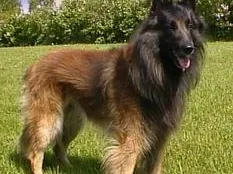
The Belgian Sheepdog, known in Europe as the Groenendael, is the black, long-coated variety of the Belgian Shepherd. Elegant, intelligent and intensely loyal, it thrives on work and close contact with its people and needs experienced, active owners.
Why people love the Belgian Sheepdog
- Highly trainable for obedience, agility and herding
- Devoted, affectionate companion to its family
- Natural watchdog that notices everything
- Striking long black coat with a proud bearing
- Versatile working dog for many sports
Things to consider
- Needs one to two hours of activity and training daily
- Heavy seasonal shedding from a thick double coat
- Can become vocal or restless when under-challenged
- Sensitive to harsh handling and inconsistent rules
- Reserved with strangers without careful socialization
Is this breed right for you?
10 questions · live resultHistory and Origin
The Groenendael is named after the village of Groenendael near Brussels, where Nicolas Rose, a restaurant owner, bred black long-haired shepherd dogs in the 1890s. His dogs became the foundation of the variety.
Belgian Shepherds served as police dogs, messengers and ambulance dogs in World War I. The FCI and The Kennel Club treat the Groenendael as one variety of the Belgian Shepherd, while the AKC lists it separately as the Belgian Sheepdog in the Herding Group.
In the early 20th century, Belgian Sheepdogs gained recognition in the United States as working and show dogs. Their versatility made them popular in police and military work, and they continue to excel in many canine sports today.
Size, Coat and Color
The Belgian Sheepdog is a square, elegant herding dog of medium-large size. Adults stand 22 to 26 inches at the shoulder and weigh about 44 to 66 lb. Males are typically 24 to 26 inches and females 22 to 24 inches, and males look more substantial, with a heavier collarette and broader head.
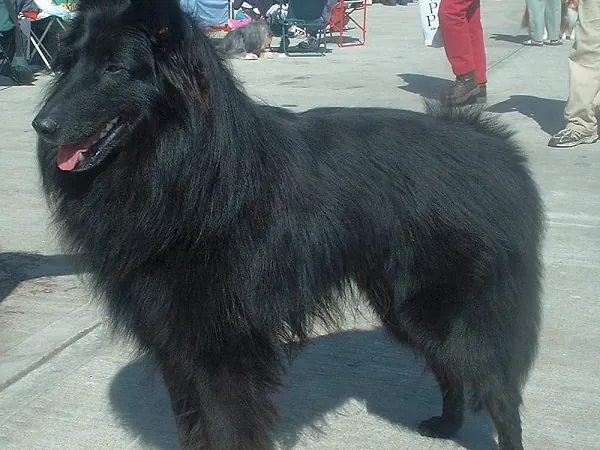
The coat is long, straight and abundant over a dense undercoat. It is shorter on the head and the front of the legs and forms a ruff around the neck, feathering on the backs of the forelegs, long breeches on the thighs and a plumed tail. Females usually carry a lighter coat than males.
The only accepted color is black. A small white patch on the chest and white on the tips of the hind toes are allowed, and frosting (white or gray) on the chin or muzzle is permitted in the AKC standard. The head is long and finely chiseled, with high-set, triangular erect ears and dark, almond-shaped eyes.
Temperament and Personality
Belgian Sheepdogs are alert, intelligent and highly attached to their family. They are often watchful and reserved with strangers, and their protective instinct is notable.
They are sensitive, so they need fair, consistent training. Without enough work, they may become restless, vocal or destructive. Many dislike being left alone and do best when included in daily life.
Groenendaels often have an elegant, proud bearing and a quick reaction time. They are noted for noticing everything, from a stranger at the gate to a shift in their owner's mood. With early socialization, this awareness turns into reliable alertness rather than nervousness.
Are Belgian Sheepdogs Good for First-Time Owners?
Usually not, though a dedicated first-timer can succeed. The Belgian Sheepdog is sensitive, quick and energetic, and it reacts to inconsistency in ways that quickly become habits.
First-time owners need a clear plan: daily training, a dog sport or herding activity, early and broad socialization and access to an experienced trainer. The breed is generally less intense than the Malinois, which makes it more forgiving, but it still needs real work and close involvement in family life. People who enjoy training as a hobby and are home much of the day have the best chance.
Are Belgian Sheepdogs Easy to Train?
They learn very quickly, which makes training rewarding, but they are not automatically easy. Their speed and sensitivity mean they pick up bad habits as fast as good ones.
Positive, consistent methods work best. Harsh corrections can make a Belgian Sheepdog anxious or shut down. Short, varied sessions keep its interest, and many excel in obedience, agility, herding and tracking. Important early lessons include settling calmly at home, polite greetings and coping with new environments. A trainer familiar with herding breeds is a big help in the first year.
Are Belgian Sheepdogs Good Guard Dogs?
They are excellent watchdogs and have a natural protective instinct, but they are not a guardian breed in the way livestock guardians or mastiffs are. A Belgian Sheepdog alerts to strangers, watches them closely and stays near its family.
Protective behavior should be balanced with good socialization. A well-raised dog accepts invited guests calmly once its owner welcomes them. Under-socialized dogs can become overly suspicious. Formal protection training should only be done with qualified trainers and a stable, mature dog. For most families, the breed's alertness and presence are enough.
Exercise and Training
This is a high-energy working breed. Plan on at least one to two hours of activity a day, combining physical and mental challenges. They excel in obedience, agility, herding, tracking and protection sports.
- Train daily with rewards and clear structure.
- Socialize early with people, environments and dogs.
- Provide jobs and challenges to channel energy.
While some sources describe the breed as easy to train, its drive and sensitivity make experience helpful.
A Groenendael that is under-challenged may start pacing, spinning or barking at movement. Short training sessions spread through the day, scent games and structured play are effective ways to satisfy its busy mind.
Grooming and Shedding
The long, black double coat needs brushing once or twice a week, especially behind the ears and on the trousers. Seasonal shedding is heavy, requiring daily brushing.
Bathe as needed. Check ears and trim nails regularly.
The coat is jet black, sometimes with a small white patch on the chest or toes. Males carry a heavier collarette. Sun can bleach the coat slightly, which is purely cosmetic.
Feeding and Nutrition
Belgian Sheepdogs are athletic and should stay lean and muscular. Their thick coat can hide extra weight, so check by touch: ribs should be easy to feel and the waist visible when the coat is flattened by hand.
- Feed adults two meals a day; puppies three or four.
- Adjust portions to workload, as sport and herding dogs may need much more than pets.
- Avoid intense exercise for an hour before and after meals, a sensible precaution for deep-chested dogs.
Puppies should grow steadily on a balanced diet suitable for medium to large breeds. Avoid overfeeding, which stresses developing hips and elbows.
Hypothyroidism occurs in the breed and can cause weight gain, coat changes and lethargy despite normal feeding, so mention unexplained weight changes to your vet. Some Belgians are picky or sensitive eaters, especially when stressed, and appetite can drop during travel or competition. Using part of the daily ration in training sessions keeps rewards meaningful without adding weight. Coat quality also reflects overall nutrition and health, so a dull coat is worth discussing at checkups.
| Adult weight | Less active | Typical adult | Very active |
|---|---|---|---|
| 44 lb | 930 kcal | 1,060 kcal | 1,320 kcal |
| 66 lb | 1,250 kcal | 1,430 kcal | 1,790 kcal |
Estimates use the resting energy formula veterinarians work with (70 × body weight in kg0.75) and standard activity factors. Use the feeding guide on your food as a starting point and adjust to body condition. Puppies, seniors, pregnant animals and pets that need to lose weight have different needs, so ask your vet.
Health and Lifespan
Belgian Sheepdogs usually live 12 to 14 years. Conditions reported include hip and elbow dysplasia, hypothyroidism, progressive retinal atrophy and epilepsy. Some lines are reported to be sensitive to anesthesia, so inform your veterinarian.
Choose breeders who screen hips, elbows, eyes and thyroid, and ask about epilepsy in the lines.
Keeping the dog lean and well exercised supports joint health. Regular eye checks help detect conditions early.
Belgian Sheepdog Price and Cost of Ownership
Typical breeder price in the US$1,500 to $2,500
A Belgian Sheepdog puppy from a reputable US breeder typically costs about $1,500 to $2,500. Prices vary by breeder, region and lines. The breed is less common than the Malinois, so expect to join a waiting list. Ask for hip and elbow scores, eye exams, thyroid testing and information about epilepsy in related dogs.
Belgian breed rescues occasionally place Belgian Sheepdogs and mixes, often adults with known personalities.
Breed-specific ongoing costs include:
- Training classes and sport club fees, which most owners keep up long term.
- Grooming tools and occasional professional baths during heavy sheds.
- Thyroid testing and medication if hypothyroidism develops.
- Telling your vet about possible anesthesia sensitivity before procedures.
Is the Belgian Sheepdog Right for You?
At 44 to 66 lb and 22 to 26 inches, the Belgian Sheepdog suits active, experienced owners who enjoy training and outdoor work. A house with a yard is ideal.
It is not suited to apartment living, sedentary households or owners away for long hours.
Groenendaels do best with owners who enjoy training as a hobby. They are happiest when they can work alongside their people, whether in sport, herding or simply long, varied walks.
Belgian Sheepdog Traits at a Glance
Belgian Sheepdog FAQ
Is the Belgian Sheepdog the same as the Groenendael?
Yes. The AKC calls it the Belgian Sheepdog; in Europe and the UK it is known as the Groenendael variety of the Belgian Shepherd.
Are Belgian Sheepdogs good family dogs?
Yes, for active families who can meet their exercise and training needs.
Do Belgian Sheepdogs shed?
Yes, moderately year-round and heavily during seasonal coat changes.
How much exercise does a Belgian Sheepdog need?
At least one to two hours of activity daily, with mental challenges.
How long do Belgian Sheepdogs live?
Usually 12 to 14 years.