Belgian LaekenoisThe rough-coated, rarest Belgian Shepherd
The Belgian Laekenois is the rough-coated and least common of the four Belgian shepherd types. Smart, alert and tireless, it bonds tightly with its family and wants a job every day, so it suits active owners who enjoy training and dog sports.
Why people love the Belgian Laekenois
- Highly intelligent and quick to learn
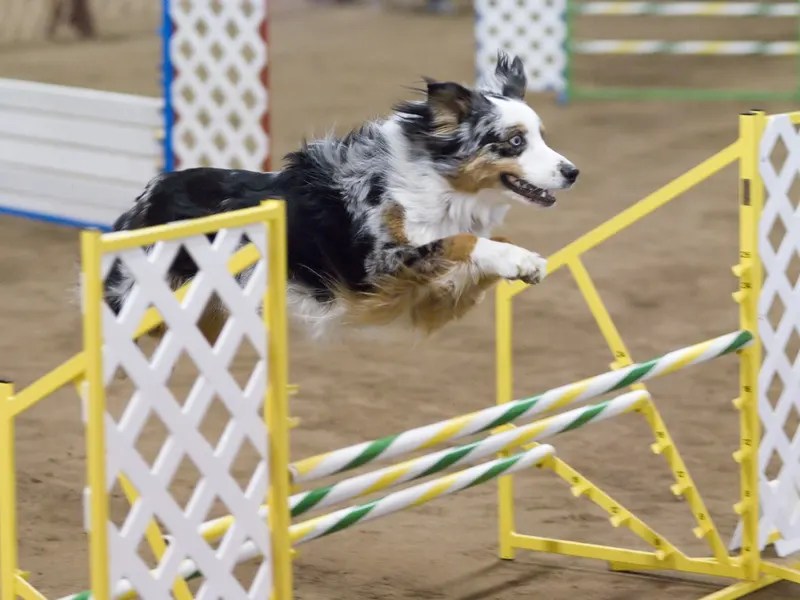
- Excels in herding, agility, tracking and protection sports
- Affectionate and involved with its own family
- Attentive, natural watchdog
- Rough coat needs only weekly brushing
Things to consider
- Needs well over an hour of exercise plus training daily
- Reserved with strangers; needs early socialization
- Can become vocal or destructive when bored
- Dislikes long periods alone
- Very rare; long waits for puppies
Is this breed right for you?
10 questions · live resultHistory and Origin
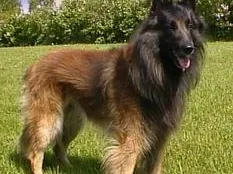
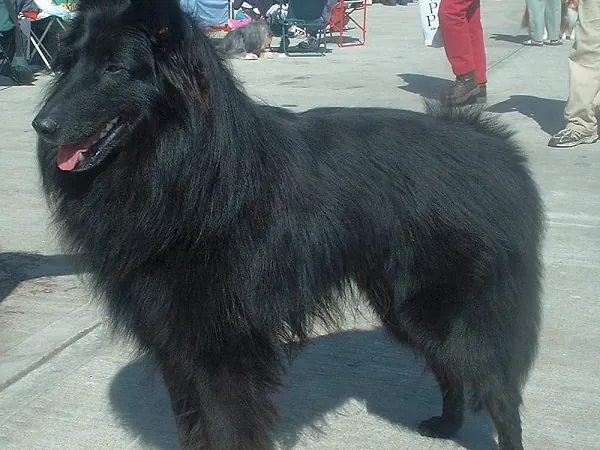
In the late 1800s Belgian fanciers led by Professor Adolphe Reul studied local shepherd dogs and found they shared a body type but differed in coat. Four varieties emerged: the Groenendael, Tervuren, Malinois and Laekenois. The Laekenois is named after the area around the royal castle of Laeken near Brussels, where shepherds grazed sheep.
These dogs also guarded linen laid out to bleach in the fields around Boom, near Antwerp. During both World Wars Belgian shepherds served as messenger and sentry dogs, and the Laekenois population shrank badly. The FCI treats all four types as varieties of the Belgian Shepherd Dog, as does The Kennel Club. The AKC recognized the Laekenois as a separate breed in 2020.
Size, Rough Coat and Colors
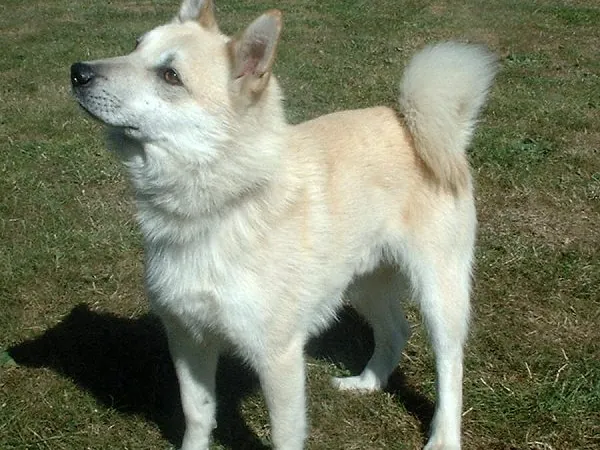
The Belgian Laekenois is a medium-to-large, square-built herding dog standing about 22 to 26 inches and weighing roughly 44 to 66 lb. Males are larger and more substantial, often around 24 to 26 inches, while females are a little smaller and more refined. All four Belgian shepherd types share this athletic, elegant build, with a proud head carriage and triangular, erect ears.
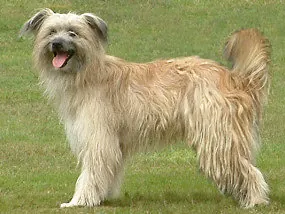
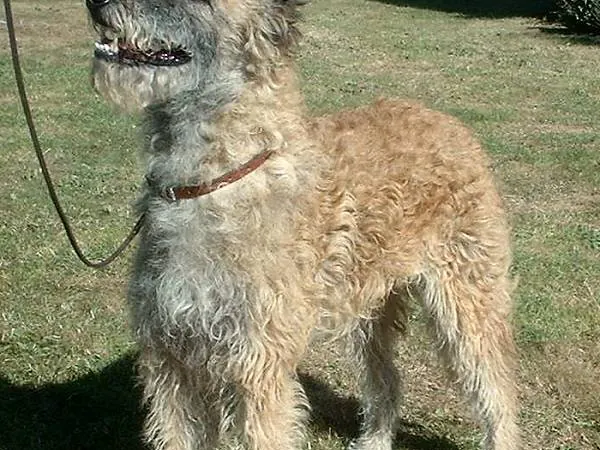
What sets the Laekenois apart is its coat: rough, dry and wiry, about 2.5 inches long over the body, with a tousled look. The hair around the eyes and on the muzzle should not hide the expression, though a modest beard is typical. The coat should look natural and never sculpted.
Accepted colors are fawn to mahogany, with traces of black overlay, mainly on the muzzle and tail. A small amount of white on the chest and toes is allowed. Eyes are medium brown to dark, and the expression is alert and intelligent.
Temperament and Personality
The Laekenois is alert, intelligent and protective of home and family. It tends to be reserved with strangers and makes an attentive watchdog. With its own people it is affectionate and wants to be involved in everything.
Breed fans often describe it as a little steadier than the Malinois, but it is still a high-drive working dog. Without enough exercise and mental work it can become restless, vocal or destructive. Early socialization helps it accept visitors, children and other dogs calmly.
Are Belgian Laekenois Good for First-Time Owners?
Usually not. The Laekenois is a high-drive working dog that needs daily exercise, consistent training and plenty of mental work. Most first-time owners find that hard to provide.
A beginner who is very active, has time for training and plans to join a dog sport club can succeed, especially with a breeder who offers ongoing support. Without that structure, the breed's intelligence and drive can turn into problem behaviors such as barking, chewing or reactivity. If you are new to dogs and want a Belgian shepherd type, talking with breeders and spending time with adult dogs before committing is strongly recommended.
Are Belgian Laekenois Easy to Train?
Yes, in the sense that they learn very quickly and love working with their people. Laekenois excel in obedience, herding, tracking, agility and protection sports.
The challenge is that they learn everything quickly, including bad habits. Consistent rules, clear communication and structure from puppyhood matter. The breed responds poorly to harsh corrections and better to fair, motivating, reward-based training. Rotating activities through the week helps prevent boredom. Owners who enjoy training often find the Laekenois one of the most rewarding breeds to work with.
Are Belgian Laekenois Good with Kids?
Laekenois can be affectionate and protective with children in their own family, but they are best suited to homes with older, respectful children.
Herding instincts can show as nipping or circling running kids, and young dogs are energetic and mouthy. Early socialization with children, teaching kids to respect the dog's space and supervising play help. Visiting children may be met with reserve, as the breed is naturally watchful. A well-exercised, well-trained Laekenois is usually calm and patient in family life.
Exercise and Training
Expect to provide well over an hour of activity daily, combining running, hiking or cycling with training and problem-solving. Herding, agility, obedience, tracking, protection sports and scent work all suit the breed.
Laekenois learn very quickly and respond best to fair, motivating, reward-based training. Their quick minds also mean they pick up bad habits fast, so structure and consistency matter. They do not like being alone for long and are not a breed to leave in a yard all day.
Because the Laekenois is so responsive, it can be soft about harsh corrections and hard about boredom. Rotate activities through the week, for example tracking one day, agility foundations another and a long hike on the weekend.
Grooming and Shedding
The coat is rough, wiry and somewhat tousled, usually fawn to mahogany with traces of black on the muzzle and tail. It should look natural, not sculpted. Brush once or twice a week to remove loose hair and debris, and hand-strip occasionally if the coat grows too long. Shedding is moderate. Avoid frequent bathing, which softens the harsh texture.
Feeding and Nutrition
Laekenois are lean, athletic dogs, and their food needs depend heavily on activity. A dog training daily for sports or herding may need noticeably more food than a pet with moderate exercise. Feed a complete diet in two meals a day and adjust portions to body condition: ribs easy to feel, waist clearly visible.
Puppies should grow steadily on a diet suited to medium or large-breed growth. Keep them slim to support hip and elbow development, both of which breeders screen in the breed.
Training rewards play a big role with this quick learner. Use small pieces of high-value food and count them toward the daily total. Puzzle feeders and food-based search games provide mental work.
Some high-drive dogs eat quickly or skip meals when excited. Feeding in a calm, quiet place and avoiding hard exercise right around meals is sensible for a deep-chested working breed.
| Adult weight | Less active | Typical adult | Very active |
|---|---|---|---|
| 44 lb | 930 kcal | 1,060 kcal | 1,320 kcal |
| 66 lb | 1,250 kcal | 1,430 kcal | 1,790 kcal |
Estimates use the resting energy formula veterinarians work with (70 × body weight in kg0.75) and standard activity factors. Use the feeding guide on your food as a starting point and adjust to body condition. Puppies, seniors, pregnant animals and pets that need to lose weight have different needs, so ask your vet.
Health and Lifespan
The Laekenois is generally robust, with a typical lifespan of 10 to 12 years. The breed club recommends screening for hip and elbow dysplasia, eye disease, heart issues and thyroid function. Ask breeders for these results. Because the gene pool is small, responsible breeders also watch inbreeding levels closely.
Belgian Laekenois Price and Cost of Ownership
The Belgian Laekenois is one of the rarest herding breeds in the US, with very few litters each year. There is no reliable typical price range; prices vary by breeder, region and lines, and many puppies are imported from Europe. Expect long waiting lists and possible transport costs. Ask for hip, elbow, eye, heart and thyroid results on both parents, as recommended by the breed club.
Rescue Laekenois are very rare, but breed clubs occasionally help rehome adults.
Ongoing costs are driven by training and activity. Dog sport classes, equipment and entry fees are common for this breed. Grooming is mostly do-it-yourself, with occasional hand-stripping. Pet insurance is worth considering for injuries in active working dogs.
Is the Belgian Laekenois Right for You?
A Laekenois can be ideal if you:
- Train regularly or want to get into dog sports
- Lead an active, outdoorsy life
- Can include the dog in daily routines rather than leaving it alone
It is a tough fit for first-time owners with limited time, small apartments or households wanting a laid-back companion. Expect to wait for a puppy, as litters are rare.
Belgian Laekenois Traits at a Glance
Belgian Laekenois FAQ
Are Belgian Laekenois good family dogs?
They are loyal and protective with their family. They suit active households that can manage a high-energy dog and supervise interactions with young children.
How big does a Belgian Laekenois get?
Adults stand about 22 to 26 inches tall and weigh around 44 to 66 lb.
Do Laekenois shed?
They shed a moderate amount. Weekly brushing keeps the rough coat tidy.
How much exercise does a Laekenois need?
More than an hour a day, plus training or sports to keep its mind busy.
What is the difference between the Laekenois and the Malinois?
They share the same body type and origin. The Laekenois has a rough, wiry coat, while the Malinois has a short smooth coat.