Australian ShepherdDriven American ranch herder with brains
Despite its name, the Australian Shepherd was shaped on ranches in the western United States, where it moved cattle and sheep all day. It is quick, eager and full of stamina, and it thrives with owners who want a working partner for sport, hiking or farm chores.
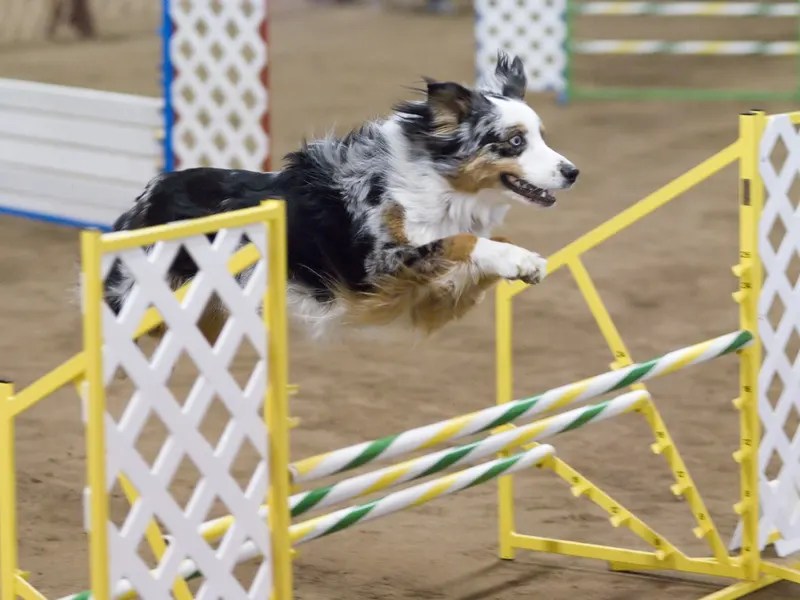
Why people love the Australian Shepherd
- Quick learner that excels at agility, herding and trick work
- Tireless partner for hiking, running and ranch chores
- Alert watchdog that notices every change around the home
- Deeply loyal and affectionate with its own family
- Weather-resistant coat handles heat, cold and rain well
Things to consider
- Needs two or more hours of exercise and mental work daily
- Herding instinct can mean nipping at heels of kids and cyclists
- Heavy seasonal shedding twice a year
- MDR1 drug sensitivity and double merle risks need informed breeders
- Can turn barky or destructive when bored or left alone
Is this breed right for you?
10 questions · live resultHistory and Origin
The breed's ancestors are thought to have reached the American West with sheep imported from Australia in the 1800s, possibly alongside Basque shepherds, which gave the dogs their name. Ranchers in California, Colorado and neighboring states then selected for versatile herders that could handle cattle and sheep in rough terrain and extreme weather.
Aussies became widely known after World War II through rodeos, horse shows and films. Jay Sisler's trick-performing Aussies toured rodeos in the 1950s and 1960s and appear in many early pedigrees. The Australian Shepherd Club of America formed in 1957, and the AKC admitted the breed to its Herding Group in 1993.
Size, Colors and Coat
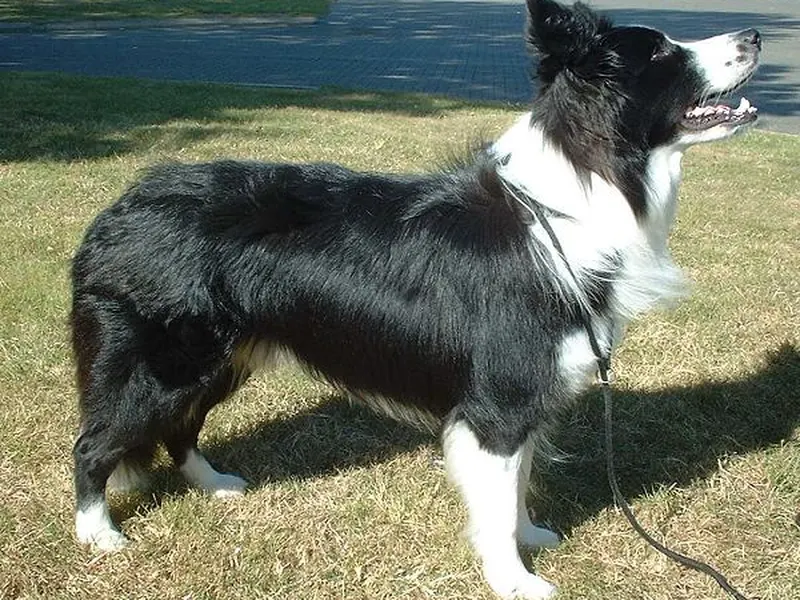
The Australian Shepherd is a medium-sized, well-balanced dog, slightly longer than tall, with a solid but not bulky frame. Adults stand 18 to 23 inches at the shoulder and weigh about 40 to 64 lb. Males sit at the upper end of that range and look more masculine through the head and chest, while females are finer boned and often several pounds lighter.
The AKC standard recognizes four base colors, each with or without white markings and tan points:
- Blue merle (marbled gray and black)
- Black
- Red merle (marbled light and dark red)
- Red (liver)
White should not dominate the body, and white around the ears and eyes is penalized because it is linked to hearing and vision problems. Eyes can be brown, blue, amber or a mix, and odd-colored eyes are common in merles. Many Aussies are born with a natural bobtail. The coat is medium length, straight to wavy, with a mane and frill that is heavier in males.
Temperament and Personality
Australian Shepherds are smart, affectionate with their family and often reserved with strangers. They watch everything and tend to bark at changes in their surroundings, which makes them alert watchdogs. Many try to herd children, cyclists or other pets by circling, nipping at heels or bumping, behavior that needs gentle redirection.
They bond closely and like to be involved in daily life. Long periods alone or without a job often lead to stress, chewing and barking. Early, positive socialization keeps natural wariness from turning into fearfulness.
Is the Australian Shepherd Good for First-Time Owners?
Usually not, unless the first-time owner is very active and ready to invest heavily in training. Aussies learn fast, which means they also learn bad habits fast, and they quickly spot an owner who is inconsistent.
A beginner can succeed with the right preparation:
- Join a puppy class and a sport such as agility or rally early.
- Plan daily exercise before bringing the puppy home, not after problems appear.
- Teach calm behavior on a mat as seriously as tricks.
If you mainly want a relaxed companion for short walks, a less driven breed will be easier to live with.
Do Australian Shepherds Bark a Lot?
They bark more than average, mostly to alert you. Aussies were bred to watch over livestock and property, so a car in the driveway, a delivery person or a new object in the yard often triggers a warning bark.
Barking also rises sharply when the dog is under-exercised or frustrated, and some Aussies bark while herding or playing. Enough exercise, a job to do and a taught quiet cue keep it manageable. Rewarding calm watching at windows, rather than scolding, works better with this sensitive breed. Expect some noise, though: a completely silent Aussie is unusual.
Can Australian Shepherds Be Left Alone?
For a few hours, yes, if they have been exercised first and trained to settle. Full workdays alone on a regular basis are hard on this breed, which was developed to work beside its people all day.
A bored, lonely Aussie often chews, digs, paces or barks. To make alone time work:
- Give a long run or training session before you leave.
- Leave puzzle feeders or long-lasting chews.
- Build alone time gradually from puppyhood.
If you work long hours away from home, a dog walker or daycare at least a few days a week is worth budgeting for.
Exercise and Training
This is one of the most demanding breeds when it comes to daily activity. Expect to provide at least two hours of exercise, including off-leash running in safe areas, plus mental work. Agility, herding lessons, canicross, flyball and trick training are excellent outlets.
Aussies learn fast and respond well to reward-based methods, but they notice inconsistency and can become pushy if rules shift. Teaching an off switch, such as settling on a mat, is as important as teaching tricks. Puppies should avoid repetitive jumping and long runs until their joints mature.
Grooming and Shedding
The medium-length double coat is weather-resistant and sheds moderately year-round, with heavy shedding in spring and fall. Brush once or twice a week with a pin brush and undercoat rake, paying attention to the feathering behind the ears and on the legs, where mats form. Baths are needed only occasionally. Trim nails regularly, especially in dogs that mostly exercise on soft ground.
Feeding and Nutrition
A working Aussie and a family Aussie that gets a long daily walk can have very different needs, so feed the dog in front of you, not the label. Adjust portions with activity: more during herding season or heavy sport training, less during quiet weeks. Aussies should have a visible waist and ribs you can feel easily, because extra weight adds strain to hips and elbows already at risk of dysplasia.
Puppies grow quickly but are not giant-breed babies. A complete food made for puppies of medium-sized breeds, fed in measured portions, supports steady growth. Lean puppies are healthier than chubby ones.
- Feed adults two meals a day; working dogs often do better with the larger meal after work.
- Use part of the daily ration as training rewards, since Aussies train a lot.
- If your dog shows poor appetite, weight loss or slow growth as a puppy, ask your vet about the vitamin B12 absorption disorder reported in the breed.
Fresh water should always be available, especially after hard exercise in warm weather.
| Adult weight | Less active | Typical adult | Very active |
|---|---|---|---|
| 40 lb | 860 kcal | 980 kcal | 1,230 kcal |
| 64 lb | 1,230 kcal | 1,400 kcal | 1,750 kcal |
Estimates use the resting energy formula veterinarians work with (70 × body weight in kg0.75) and standard activity factors. Use the feeding guide on your food as a starting point and adjust to body condition. Puppies, seniors, pregnant animals and pets that need to lose weight have different needs, so ask your vet.
Health and Lifespan
Hip and elbow dysplasia and hereditary eye diseases, including Collie eye anomaly, cataracts and progressive retinal atrophy, occur in the breed. Many Aussies carry the MDR1 gene mutation, which makes them sensitive to certain common medications, including some anti-parasite drugs; a simple DNA test tells your vet whether to adjust treatment. A form of vitamin B12 malabsorption has also been reported.
The merle coat pattern is attractive, but breeding two merles together can produce double merle puppies with a high risk of deafness and eye defects. Reputable breeders avoid merle-to-merle pairings and test for MDR1, eye conditions, hips and elbows. Lifespan is typically 12 to 15 years.
Australian Shepherd Price and Cost of Ownership
Typical breeder price in the US$800 to $2,500
A puppy from a reputable US breeder typically costs about $800 to $2,500. Prices vary by breeder, region and lines, with show and proven working lines at the top. Very cheap merle puppies are a warning sign, since merle-to-merle breeding is risky.
Aussies regularly come into breed rescues and shelters, often as young adults whose energy was underestimated, so adoption is a real option.
Ongoing cost drivers for this breed include:
- Training classes and dog sports, which most Aussies genuinely need
- Health screening if you plan to breed: hips, elbows, eyes and MDR1
- An MDR1 DNA test for every pet, so your vet can choose safe medications
- Insurance that covers hip and eye conditions
- Occasional professional grooming during heavy sheds
Is the Australian Shepherd Right for You?
The Australian Shepherd suits experienced or highly committed owners with an active lifestyle, outdoor space and time for daily training. Rural homes, dog sport enthusiasts and hikers often find the breed an ideal partner.
It is a poor match for apartment living, long workdays away from home or families wanting a calm, easygoing pet. With small children, the herding instinct needs active management.
Australian Shepherd Traits at a Glance
Australian Shepherd FAQ
Are Australian Shepherds good family dogs?
They can be loving family dogs in active households that train them well. Their herding instinct may lead them to nip at running children, so supervision and guidance are important.
How much exercise does an Australian Shepherd need?
Plan for at least two hours of physical and mental activity a day. Walks alone are rarely enough for this working breed.
Do Australian Shepherds shed?
Yes. Their double coat sheds moderately all year and heavily in spring and fall, so weekly brushing is a must.
How big do Australian Shepherds get?
Most stand 18 to 23 inches at the shoulder and weigh about 40 to 64 lb, with males larger than females.
What is the MDR1 gene in Australian Shepherds?
MDR1 is a gene mutation that makes some dogs sensitive to certain medications. A DNA test identifies affected dogs so your vet can choose safe treatments.
Are Australian Shepherds actually from Australia?
No. The breed was developed in the western United States, though its ancestors may have arrived with sheep shipped from Australia.