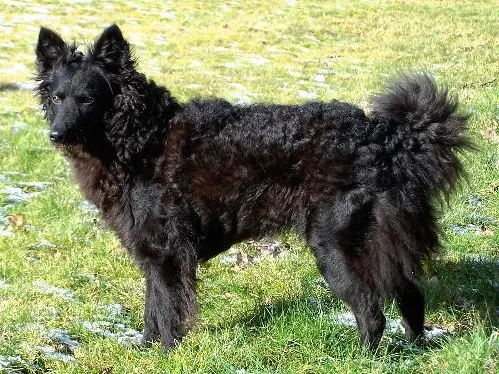
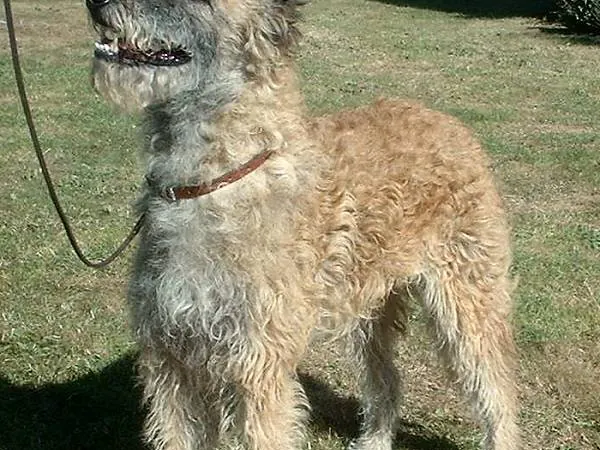
Border CollieTireless sheepdog with a brilliant mind
The Border Collie was bred along the Anglo-Scottish border to gather sheep across open hills with minimal direction, and it remains the leading working sheepdog. It is brilliant, sensitive and almost inexhaustible, and it thrives only with owners who can give it a real job every day.
Why people love the Border Collie
- Exceptionally trainable and quick to learn new tasks
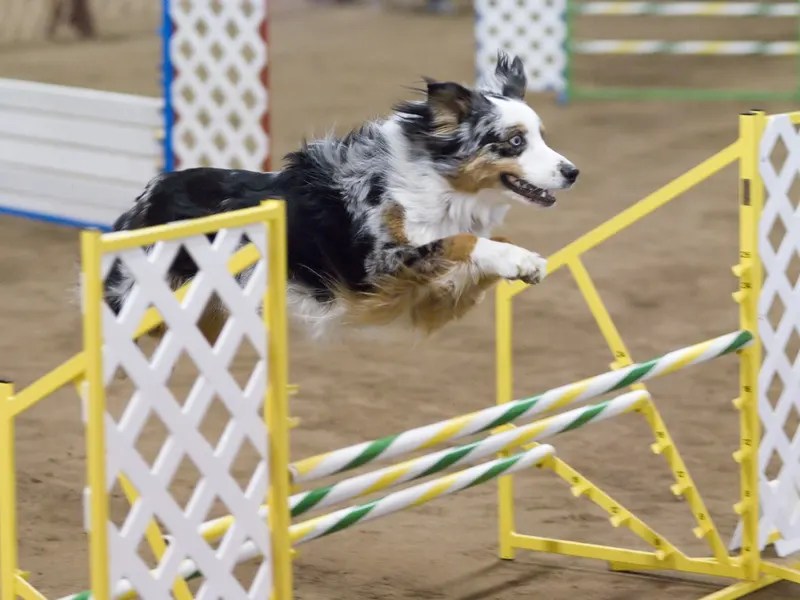
- Top-level partner for agility, herding, obedience and disc
- Deeply devoted and attentive to its handler
- Medium size is easy to travel and work with
- Generally long-lived, often 12 to 15 years
Things to consider
- Needs hours of daily physical and mental work
- Can fixate on cars, bikes, shadows or other pets
- Herding instinct may show as nipping or chasing children
- Struggles with long hours alone; may develop problem behaviors
- Double coat sheds year-round, heavier in spring and fall
Is this breed right for you?
10 questions · live resultHistory and Origin
Shepherds in the border region between Scotland and England selected collies for working ability rather than appearance for centuries. The modern breed is often traced to Old Hemp, a dog born in Northumberland in 1893 and bred by Adam Telfer, whose quiet, intense way of handling sheep became the model. The International Sheep Dog Society, founded in 1906, still registers dogs largely on working merit through sheepdog trials.
The name Border Collie came into use in the early 20th century. The Kennel Club recognized the breed for showing in 1976, and the AKC in 1995. Working and show lines now differ somewhat, with working dogs often more intense and more varied in appearance.
Size, Coat Types and Colors
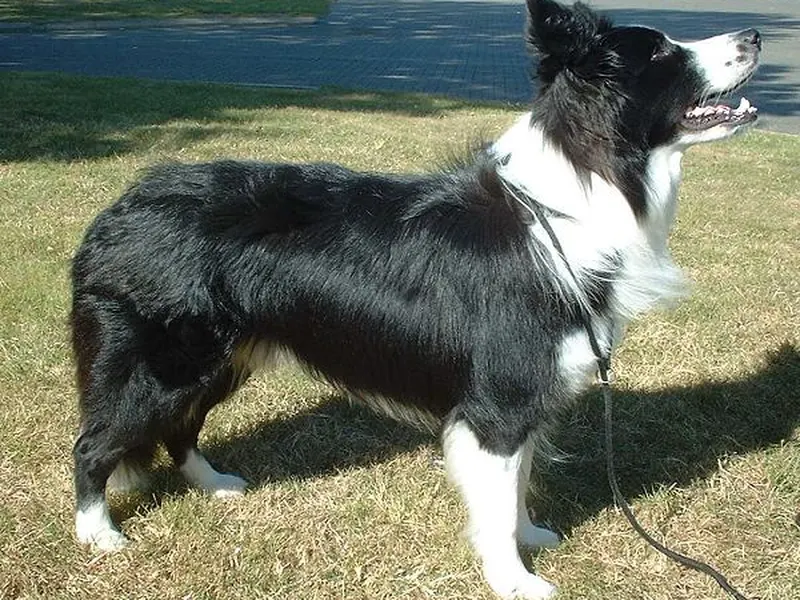
The Border Collie is a medium-sized, athletic dog built for agility and stamina rather than bulk. Adults stand about 18 to 22 inches at the shoulder and weigh roughly 31 to 55 lb. Males are usually taller and a little heavier than females, which tend to fall in the lower half of both ranges.
The body is slightly longer than tall, with a deep chest, strong loin and a low-set tail that reaches the hock. Ears may be erect, semi-erect or tipped, and eye color varies with coat color. Working lines are often lighter and more variable in type than show lines.
There are two coat varieties, both double coats:
- Rough: medium length with feathering on the legs, chest and tail.
- Smooth: short over the body with slightly longer hair on the forelegs.
The AKC accepts all colors and patterns. Black and white is the classic look, but tricolor, red and white, blue, lilac, sable, brindle and merle all occur. White should not dominate the coat in many working and show traditions.
Temperament and Personality
Border Collies are focused, responsive and deeply bonded to their handlers. They notice small movements and react quickly, which makes them superb workers but can also lead to fixations on cars, bikes, shadows or other pets. Many are reserved with strangers and sensitive to noise.
Without enough activity they often develop problem behaviors such as chasing, spinning, barking or nipping at heels. They tend to struggle when left alone for long hours. With good socialization and outlets, they are affectionate and great fun to live with.
Is a Border Collie Good for First-Time Owners?
Usually not, unless the first-time owner is very active and genuinely interested in training. The breed's intelligence and energy are easy to underestimate.
A Border Collie learns fast, including the things you did not mean to teach. Without structure it can develop habits such as fence running, herding family members or obsessive light and shadow chasing. A first-time owner who already runs or hikes daily, plans to join an agility or herding club and can spend time on training sessions every day can succeed. Working with an experienced trainer from puppyhood helps a lot. People who want a relaxed family dog are usually happier with a calmer breed.
Can a Border Collie Be Left Alone?
Only for short periods, and only after the dog has been taught to settle. Most Border Collies cope poorly with full workdays alone.
An adult that has had a long morning run and a training session may rest for three or four hours. Left alone daily for eight or more hours, many become anxious or destructive, bark, chew or start repetitive behaviors such as spinning. If you work outside the home, plan for a dog walker, a daytime sitter or a trusted daycare, and start alone-time training gradually in puppyhood. Food puzzles and scent games before you leave help the dog switch into rest mode.
Are Border Collies Good With Cats?
Often yes, when raised with them, but expect the dog to try to herd the cat. Border Collies rarely have a strong urge to harm cats, yet their instinct to stare, stalk and control movement can stress a cat.
Introduce a puppy to a confident cat early and reward calm behavior around it. Give the cat escape routes and high places the dog cannot reach, and interrupt intense staring before it turns into chasing. Adult Border Collies with no cat experience need slower, supervised introductions. A dog that fixates on the cat for long periods needs more outlets and structured work elsewhere.
Exercise and Training
Expect to provide at least two hours of physical exercise daily plus structured mental work. Herding is ideal, but agility, obedience, flyball, disc, scent work and trick training are good alternatives. Mental work matters as much as running; endless ball throwing can feed obsessive behavior instead of satisfying the dog.
Training is usually fast and enjoyable because Border Collies are attentive and eager. They respond best to calm, positive methods and can shut down if handled harshly. Teach the dog to relax and settle as deliberately as you teach active skills.
Grooming and Shedding
Border Collies come in a rough coat, which is medium length with feathering, and a shorter smooth coat. Both are double coats that shed moderately all year and more heavily in spring and fall. Brush once or twice a week, focusing on the feathering behind the ears, on the legs and on the tail. Baths are rarely needed. Check paws and nails after work on rough ground.
Feeding and Nutrition
A Border Collie's food needs track its workload closely. A working farm dog or an agility competitor in full training may need considerably more food than a pet with a moderate routine, and the same dog's needs can change from season to season. Adjust portions by body condition rather than by the bag: ribs should be easy to feel and a clear waist visible from above.
Puppies grow at a moderate pace and do best on a complete puppy food until about 12 months, fed three to four times a day at first and two meals by six months. Keeping young dogs lean protects developing hips and elbows, which matters for a breed screened for hip dysplasia.
- Feed active adults two meals a day, and avoid hard exercise right after eating.
- On long working or competition days, a small meal a few hours before and fresh water during breaks help.
- Food-dispensing toys and scatter feeding turn part of the daily ration into mental work.
Training treats add up quickly with such a trainable dog. Use very small pieces or part of the daily kibble for repetitive training sessions.
| Adult weight | Less active | Typical adult | Very active |
|---|---|---|---|
| 31 lb | 710 kcal | 810 kcal | 1,020 kcal |
| 43 lb | 910 kcal | 1,040 kcal | 1,300 kcal |
| 55 lb | 1,090 kcal | 1,250 kcal | 1,560 kcal |
Estimates use the resting energy formula veterinarians work with (70 × body weight in kg0.75) and standard activity factors. Use the feeding guide on your food as a starting point and adjust to body condition. Puppies, seniors, pregnant animals and pets that need to lose weight have different needs, so ask your vet.
Health and Lifespan
Hereditary conditions include Collie eye anomaly, progressive retinal atrophy, epilepsy and hip dysplasia. Some Border Collies carry the MDR1 mutation, which causes sensitivity to certain drugs. DNA tests are available for trapped neutrophil syndrome (TNS), neuronal ceroid lipofuscinosis (CL) and Imerslund-Gräsbeck syndrome (IGS), all serious inherited diseases.
As in other merle breeds, breeding two merle dogs together risks puppies with deafness and eye defects. Reputable breeders test for these conditions, score hips and avoid merle-to-merle pairings. Lifespan is typically 12 to 15 years.
Border Collie Price and Cost of Ownership
Typical breeder price in the US$800 to $2,500
A Border Collie puppy from a reputable US breeder typically costs about $800 to $2,500. Prices vary by breeder, region and lines; puppies from proven working or top sport lines often cost more. Working-bred dogs may be registered with the American Border Collie Association rather than the AKC.
Border Collies frequently end up in rescue when owners underestimate their energy, so breed rescues are a good source of adult dogs with known temperament.
Breed-specific cost drivers include:
- Training classes, sport club fees and trial entries, which most owners eventually pay for.
- Health screening: hip evaluation, eye exams and DNA tests such as CEA, TNS and CL when buying.
- MDR1 testing, which affects which drugs your vet can safely use.
- Epilepsy management if it develops, which can mean lifelong medication.
Is the Border Collie Right for You?
The Border Collie suits active owners, farmers and dog sport enthusiasts who can offer daily work, training and time outdoors. Homes with space, ideally in the countryside, suit the breed best.
It is a poor fit for apartments, long workdays away from home or families wanting a relaxed pet. Although some sources rate the breed as adaptable, UK veterinary guidance advises against small homes for such an active dog.
Border Collie Traits at a Glance
Border Collie FAQ
Are Border Collies good family dogs?
They can be with active families who involve them in training and exercise. Their herding instinct may lead to nipping or chasing children, so supervision helps.
How much exercise does a Border Collie need?
At least two hours a day, combining running with mental tasks such as training, herding or dog sports.
Are Border Collies the smartest dog breed?
They are widely regarded as one of the most trainable breeds and excel in obedience and herding. That intelligence also means they need more mental work than most dogs.
Do Border Collies shed?
Yes, both rough and smooth coats shed moderately all year and more in spring and fall.
Can a Border Collie live in an apartment?
It is difficult. Without intense daily exercise and mental work, a Border Collie in a small space often develops problem behaviors.
How big do Border Collies get?
Most stand 18 to 22 inches at the shoulder and weigh about 31 to 55 lb. Border Collies usually live 12 to 15 years.