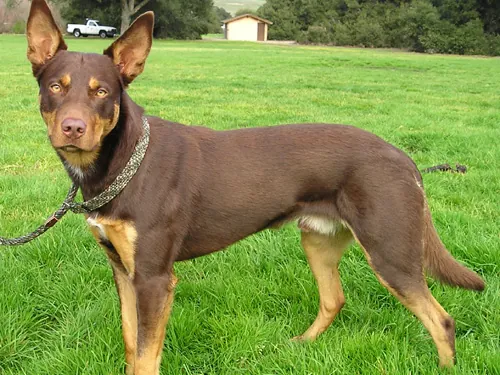
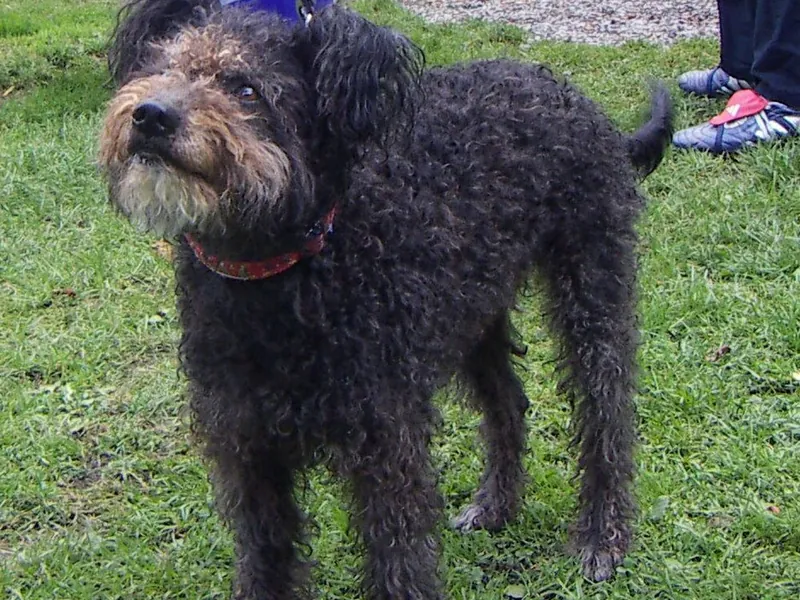
MudiVersatile, wavy-coated Hungarian herder
The Mudi is a rare, medium-small herding dog from Hungary with a wavy coat, upright ears and a quick, eager mind. It is highly trainable and loyal, but also vocal and very energetic, making it a great partner for active owners and dog sports enthusiasts.
Why people love the Mudi
- Quick, eager learner that excels in dog sports
- Versatile herding and farm dog
- Easy-care wavy coat that rarely mats
- Medium size, easy to travel with
- Loyal one-family dog with sharp watchdog instincts
Things to consider
- Vocal, with a tendency to bark at unusual sounds
- Needs one to two hours of daily exercise
- Reserved with strangers without early socialization
- May herd children or other pets
- Rare in the US, so breeders are hard to find
Is this breed right for you?
10 questions · live resultHistory and Origin
The Mudi developed naturally in Hungary, probably in the 1700s and 1800s, from crosses between local herding dogs. Shepherds used it to herd sheep and cattle, guard homesteads and catch vermin. Dr. Dezső Fényes identified it as a separate breed in the 1930s.
The breed nearly disappeared after World War II and was rebuilt in the 1960s. The AKC granted full recognition in 2022 in the Herding group. In the UK, The Kennel Club recognized the Hungarian Mudi in 2025, adding it to the Imported Breed Register.
The name Mudi was attached to the breed only in the 20th century. Before that, Hungarian shepherds did not formally distinguish it from other local herding dogs, choosing dogs for their working ability rather than appearance.
Size, Coat and Colors
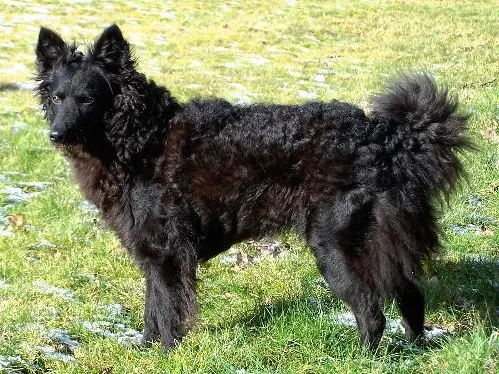
The Mudi is a medium-sized, squarely built herding dog with a lively, alert expression. Adults stand about 15 to 19 inches at the shoulder and weigh roughly 18 to 29 lb. Males are usually 16 to 18.5 inches and 24 to 29 lb, while females are about 15 to 17.5 inches and 18 to 24 lb.
The head is wedge-shaped with erect, V-shaped ears and oval, dark eyes. The body is well-muscled with a short, straight back and sloping croup. Tails may be long, naturally short or docked depending on country and registry.
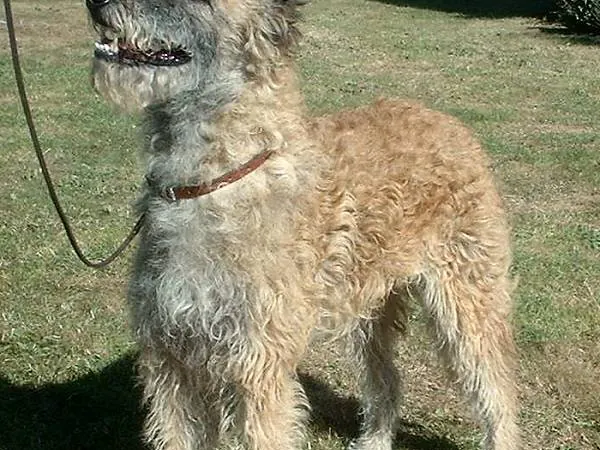
The coat is wavy to curly over the body and short and smooth on the face and front of the legs. It forms a weatherproof layer that sheds dirt well. Recognized colors include black, white, brown, gray, fawn and merle, including blue merle and brown merle. Small white markings may occur on the chest or toes, though large white areas are not preferred in solid-colored dogs.
Temperament and Personality
Mudis are alert, lively and intelligent. They bond tightly with their family and are often sensitive to their owners' moods. With strangers they can be reserved, and they are quick to bark at unusual sounds.
Unlike many herding dogs, they have relatively little hunting drive, but they may still herd children or pets. Bored or under-exercised Mudis can become noisy or anxious.
Mudis are often described as one-family dogs with a sharp memory for people they have met. They can be protective of property and of the people they love, so good socialization in puppyhood matters.
Many are quick to read body language and respond eagerly to a calm, consistent handler.
Is a Mudi Good for First-Time Owners?
It can be, for active first-time owners who enjoy training. The Mudi is eager and quick to learn, which makes it easier than some herding breeds.
First-time owners should prepare for its energy, vocal nature and reserve with strangers. A Mudi needs one to two hours of daily activity, mental challenges and early, ongoing socialization. Without these, it may become noisy, anxious or overly protective. Joining a dog sport club or working with a trainer from the start helps both owner and dog. Experienced owners will find the breed easier, but committed beginners can succeed.
Is the Mudi a Good Apartment Dog?
Not usually. The Mudi's size suits an apartment, but its energy and tendency to bark at sounds make apartment life challenging.
Mudis are alert watchdogs that react to noises in hallways and outside doors, which can bother neighbors. They also need extensive daily exercise and mental work. Owners in apartments must be very committed to outdoor activities, training and noise management. A house with a yard, ideally in a quieter area, generally suits the breed better. A Mudi in an apartment also needs regular access to safe off-leash areas or sports facilities.
Are Mudis Good With Cats?
Often yes, especially when raised with them. Mudis have relatively little hunting drive compared with many breeds, but their herding instinct may lead them to chase or try to control a cat.
Introduce a Mudi puppy to a confident cat early and reward calm behavior. Give the cat high places and dog-free areas, and interrupt herding behaviors such as staring and stalking. Adult Mudis without cat experience need slower, supervised introductions. Many Mudis end up living peacefully with household cats while still chasing unfamiliar ones outdoors.
Exercise and Training
The Mudi needs a lot of exercise: at least an hour or two daily of running, hiking or dog sports. It excels at agility, herding, obedience, flyball and scent work.
- Training is usually easy and fun with reward-based methods.
- Use short, varied sessions to keep a quick mind engaged.
- Socialize early to manage reserve with strangers.
- Teach a quiet cue to manage barking.
Mudis are adaptable working dogs that switch easily between herding, agility and search work, and they do best when they get both physical exercise and a mentally demanding job every day.
Grooming and Shedding
The wavy or curly coat is low-maintenance: weekly brushing and the occasional bath are usually sufficient. Shedding is moderate, and the coat rarely mats. Colors include black, white, brown, gray and merle.
The coat is short and smooth on the face and front of the legs, and wavy or curly over the body, forming a weatherproof layer that sheds dirt well.
Feeding and Nutrition
The Mudi is a lean, athletic dog with high energy, so food needs vary with activity. Working farm dogs and sport competitors may need significantly more food than family companions. Keep the dog fit, with ribs easy to feel under the wavy coat.
Feed puppies three to four meals a day, moving to two meals by about six months. A complete puppy food and moderate growth support healthy joints, as hip and elbow dysplasia and luxating kneecaps are reported in the breed.
- Feed adults two measured meals a day.
- Avoid hard exercise right after eating.
- Use puzzle feeders, snuffle mats and scent games with part of the daily ration to provide mental work.
Training treats should be small and counted toward the daily ration, since Mudis are often trained frequently. If your dog has epilepsy, discuss diet with your vet, as some dietary approaches may support medical management but are not a substitute for treatment.
| Adult weight | Less active | Typical adult | Very active |
|---|---|---|---|
| 18 lb | 470 kcal | 540 kcal | 680 kcal |
| 24 lb | 590 kcal | 670 kcal | 840 kcal |
| 29 lb | 680 kcal | 770 kcal | 970 kcal |
Estimates use the resting energy formula veterinarians work with (70 × body weight in kg0.75) and standard activity factors. Use the feeding guide on your food as a starting point and adjust to body condition. Puppies, seniors, pregnant animals and pets that need to lose weight have different needs, so ask your vet.
Health and Lifespan
Mudis typically live 12 to 14 years. Conditions reported include hip and elbow dysplasia, kneecap luxation, idiopathic epilepsy and cataracts. Merle is an accepted color in the breed, and breeding two merle dogs carries a risk of deafness and eye defects in puppies.
Ask breeders for hip, elbow and eye screening, and confirm they do not breed merle to merle.
Mudi Price and Cost of Ownership
The Mudi is rare in the US, with very few breeders, so prices are not widely published. Expect to join a waiting list and possibly import a puppy from Hungary or elsewhere in Europe, which adds travel and import costs. Prices vary by breeder, region and lines. Rescue Mudis are uncommon, but breed clubs may know of adults needing homes.
Breed-specific cost drivers include:
- Health screening: hip, elbow and eye exams, plus confirmation that merle dogs are not bred together.
- Training classes and dog sport fees, which most owners find essential.
- Epilepsy management if it develops, which can mean lifelong medication.
- Insurance, worth considering for orthopedic and neurological conditions.
Is the Mudi Right for You?
The Mudi suits active, engaged owners who enjoy training and dog sports and want a loyal, vocal watchdog.
It is less suited to apartments, noise-sensitive neighbors, or households with little time for exercise and training.
Breeders are few, especially in the UK, so contact breed clubs early and expect a waiting list for a well-bred puppy.
Mudi Traits at a Glance
Mudi FAQ
How big do Mudis get?
Mudis stand about 15 to 19 inches tall and weigh roughly 18 to 29 lb.
Are Mudis good family dogs?
They are loyal and affectionate with their family, but their energy and herding instincts need guidance around children.
Do Mudis bark a lot?
Yes, they tend to be vocal and alert to unusual sounds.
How much exercise does a Mudi need?
At least one to two hours a day of activity plus mental challenges.
Are Mudis easy to train?
Yes. They are quick, eager learners that thrive with reward-based training.
How long do Mudis live?
Most live 12 to 14 years.