Icelandic SheepdogIceland's cheerful, chatty Viking herder
The Icelandic Sheepdog is Iceland's only native dog breed, a spitz-type herder that came with the Viking settlers more than a thousand years ago. Friendly, playful and very vocal, it is a joyful family dog that needs company, activity and tolerance for barking and shedding.
Why people love the Icelandic Sheepdog
- Cheerful, friendly with family, visitors and kids
- Usually good with other dogs and pets
- Eager learner that responds well to rewards
- Medium size and hardy health overall
- Loves hiking and cold-weather activity
Things to consider
- Very vocal, barks often and loudly
- Heavy seasonal shedding of the double coat
- Dislikes being left alone for long periods
- Herding instincts can show as nipping or chasing
- Rare in the US, with long waiting lists
Is this breed right for you?
10 questions · live resultHistory and Origin
Norse settlers brought spitz-type dogs to Iceland between about 874 and 930. Over centuries these dogs adapted to the island's harsh climate and became all-purpose farm dogs: herding sheep and horses, finding lost sheep in the mountains and announcing visitors.
Disease outbreaks and import rules brought the breed close to extinction in the 20th century. British-born enthusiast Mark Watson and Icelandic breeders helped preserve it, and the Icelandic Dog Breeders Association was founded in 1969. The AKC recognized the breed in 2010, and The Kennel Club lists it in the Pastoral Group.
Size, Coat Types and Colors
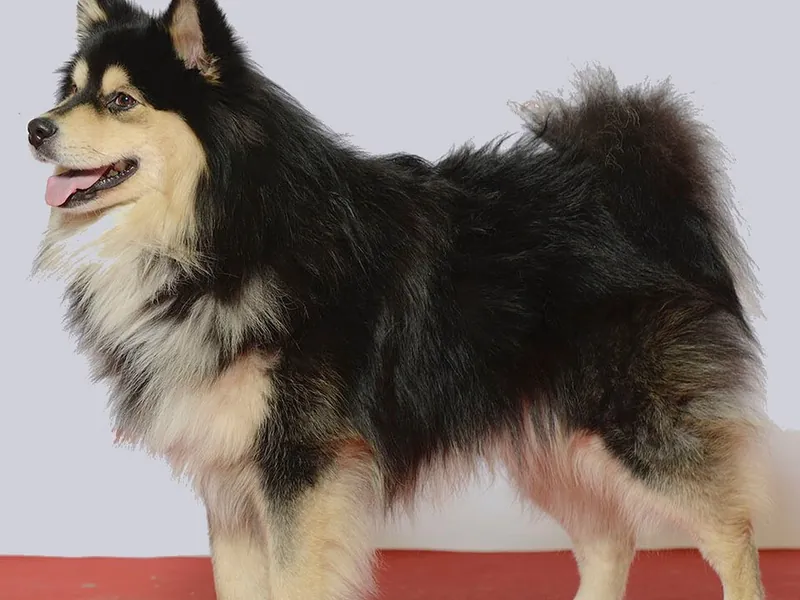
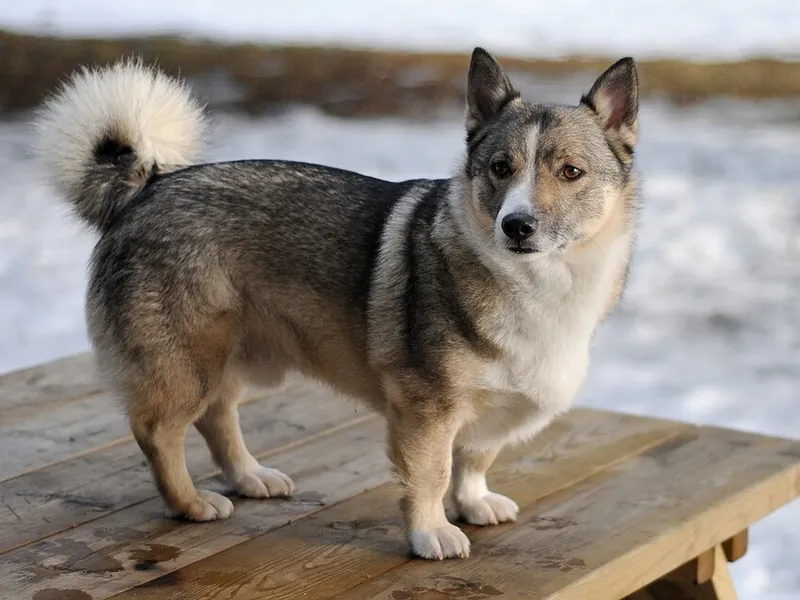
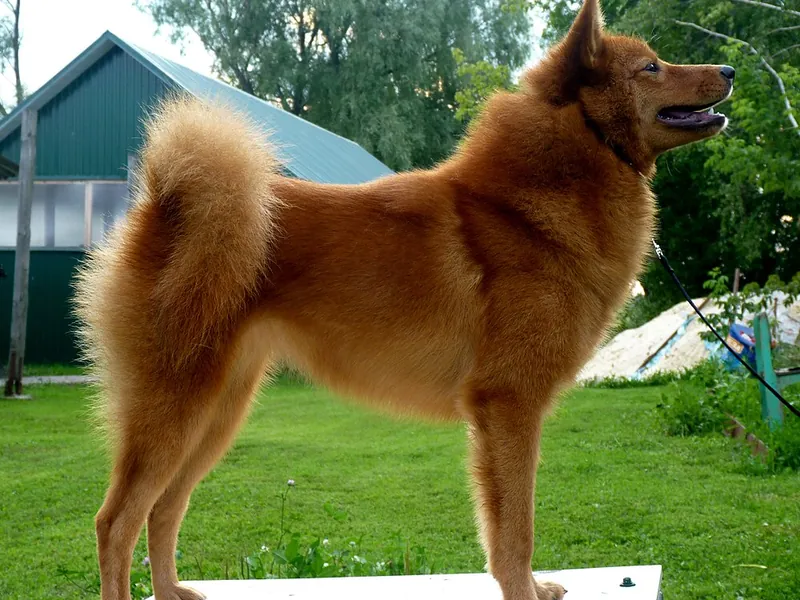
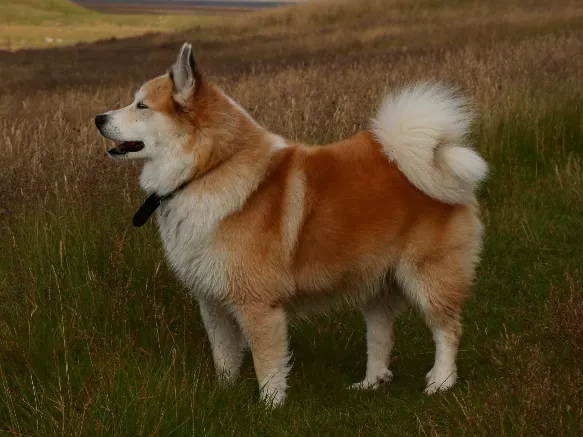
The Icelandic Sheepdog is a medium spitz with a sturdy, rectangular body, triangular erect ears, a curled tail carried over the back and a cheerful, intelligent expression. It stands 17 to 18 inches tall and weighs about 24 to 31 lb. Males are around 18 inches and females slightly smaller, about 16.5 inches by most standards, with a lighter build.
Two coat lengths are recognized. The short-haired coat is fairly coarse, thick and weatherproof, with a soft undercoat. The long-haired coat is longer on the neck, chest, back of the thighs and tail. Both coats are double and waterproof, suited to Iceland's wet, windy climate.
The breed comes in several colors, with one color always predominant: tan (from cream to reddish brown), chocolate brown, gray and black. White markings are common on the face, collar, chest, feet and tail tip. Tan and gray dogs often have a black mask, black tips on the outer coat and sometimes black hairs over the back. Double dewclaws on the hind legs are a breed standard feature.
Temperament and Personality
Icelandics are cheerful, curious and very friendly, usually with strangers too. They are not guard dogs but are alert watchdogs that bark to announce anything new. Barking is part of how they herded, so expect a talkative dog.
They are outstanding with children and generally good with other dogs and pets. They are strongly people-oriented and dislike being left alone for long periods.
On Icelandic farms the dogs worked by barking and moving stock rather than by gripping, and that history shows in their personality: they are cooperative, cheerful and rarely sharp. They make friends easily with visitors once they have announced them.
Can an Icelandic Sheepdog Live in an Apartment?
An Icelandic Sheepdog can live in an apartment, but barking is the main hurdle. The breed's size and energy level are manageable indoors, while its loud, frequent barking can test neighbors' patience.
If you choose an apartment, start quiet training early and reward calm behavior at doors and windows. Plan for at least an hour a day of walks, hikes and play, plus training or puzzle games to prevent boredom barking. Thick walls, a ground-floor unit or a building with few shared hallways help. Expect hair everywhere during the twice-yearly shed.
Can Icelandic Sheepdogs Be Left Alone?
Icelandic Sheepdogs do not like being left alone and are best in homes where someone is around for much of the day. They are strongly people-oriented and can bark, whine or chew when lonely.
Most adults can manage a few hours if they have been exercised and practiced alone time from puppyhood. Build up slowly, leave a stuffed food toy and keep departures low-key. For long workdays, use a dog walker, daycare or a trusted neighbor. A second friendly dog can help some Icelandics, but it does not replace human company for this breed.
Are Icelandic Sheepdogs Good With Cats?
Yes, Icelandic Sheepdogs are usually good with cats, especially when raised with them. The breed has low prey drive and was bred to herd rather than hunt.
Some Icelandics try to herd the cat by circling, barking or gently nudging it, which many cats find annoying. Redirect this behavior early and give the cat high perches and dog-free areas. Introduce new cats gradually and reward calm interest. Small caged pets are usually safe with supervision. The breed is also typically friendly with other dogs, making multi-pet households a good fit.
Exercise and Training
These are agile, hardy dogs that need daily exercise and mental work. An hour or more of walks, hikes, play and training suits most adults. They enjoy agility, herding, rally and trick training.
- Give them puzzles and new tasks; they get bored quickly.
- Teach a quiet cue early and reward calm behavior.
- Use positive methods; they learn fast and want to cooperate.
Icelandic Sheepdogs are built for rough terrain and cold weather. They enjoy hikes and snow, but they also love being indoors with their family. A tired Icelandic is usually a quiet, affectionate companion.
Grooming and Shedding
The breed comes in short-haired and long-haired varieties, both with a thick, waterproof double coat and a curled, bushy tail. Weekly brushing suffices most of the year, but seasonal shedding is heavy and calls for daily raking.
Icelandics have double dewclaws on the hind legs, a breed standard feature. Check and trim these nails regularly, as they do not wear down naturally.
Feeding and Nutrition
Icelandic Sheepdogs are hardy, efficient dogs that tend to stay in good condition, but they can gain weight if exercise drops. The thick coat hides extra pounds, so check ribs and waist by hand.
- Feed puppies three or four meals a day until about six months, then two meals.
- Adjust portions to activity and season: dogs that hike in cold weather burn more energy than those resting indoors.
- Lean body condition helps protect against hip dysplasia and patellar luxation, which are screened for in the breed.
- Icelandics are food-motivated; use part of the daily ration as training rewards to avoid overfeeding.
A balanced diet with adequate fats supports the double coat, but regular brushing does more for coat quality than any supplement. Fresh water is especially important after long walks and in warm weather, when the double coat makes heat harder to shed.
| Adult weight | Less active | Typical adult | Very active |
|---|---|---|---|
| 24 lb | 590 kcal | 670 kcal | 840 kcal |
| 31 lb | 710 kcal | 810 kcal | 1,020 kcal |
Estimates use the resting energy formula veterinarians work with (70 × body weight in kg0.75) and standard activity factors. Use the feeding guide on your food as a starting point and adjust to body condition. Puppies, seniors, pregnant animals and pets that need to lose weight have different needs, so ask your vet.
Health and Lifespan
Icelandic Sheepdogs typically live 12 to 14 years and are considered a fairly healthy breed. Conditions to screen for include hip and elbow dysplasia, patellar luxation, cataracts and retinal dysplasia.
Choose a breeder who performs hip, elbow and eye examinations on parent dogs. The breed's small gene pool makes careful breeding especially important.
Icelandic Sheepdog Price and Cost of Ownership
Typical breeder price in the US$2,500 to $3,500
An Icelandic Sheepdog puppy from a reputable US breeder typically costs about $2,500 to $3,500. Prices vary by breeder, region and lines. The breed remains rare in the US, so waiting lists are common, and some puppies are imported from Iceland or Scandinavia, which adds transport costs. Ask for hip, elbow and eye results on both parents.
Rescue dogs are rare, but the breed club may help rehome adults.
Breed-specific ongoing costs include:
- Undercoat rakes and brushes, or professional deshedding during heavy molts.
- Training classes, especially for barking management.
- Insurance or savings for hip, knee and eye conditions.
- Dog walkers or daycare for long workdays.
Is the Icelandic Sheepdog Right for You?
At 24 to 31 lb and 17 to 18 inches, the Icelandic suits active families, first-time owners who enjoy training, and people who want a dog that loves everyone. It can live in a home with a modest yard if exercised well.
It is a poor fit for homes where barking is a problem or where it would be alone most of the day.
Because the breed is still relatively uncommon outside Scandinavia and Iceland, expect a waiting list with a reputable breeder. Many owners say the joyful, sociable personality is well worth the wait.
Icelandic Sheepdog Traits at a Glance
Icelandic Sheepdog FAQ
Are Icelandic Sheepdogs good with kids?
Yes, they are typically gentle, playful and very good with children.
Do Icelandic Sheepdogs bark a lot?
Yes. Barking is a natural herding trait, and they use their voice often.
Do Icelandic Sheepdogs shed?
They shed moderately year-round and heavily during seasonal coat changes.
How big do Icelandic Sheepdogs get?
Adults weigh about 24 to 31 lb and stand around 17 to 18 inches tall.
How long do Icelandic Sheepdogs live?
Most live 12 to 14 years.
Are Icelandic Sheepdogs good for first-time owners?
Often yes. They are friendly, eager to learn and easy to train, as long as owners can handle barking and shedding.