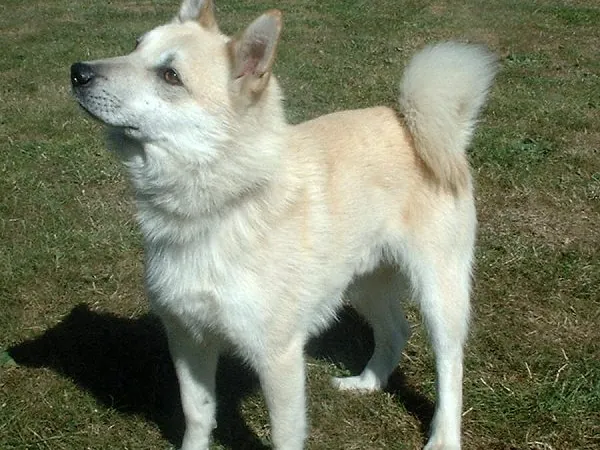
Smooth CollieThe short-coated collie with a gentle heart
The Smooth Collie has the same elegant head and kind expression as the Rough Collie, without the long, flowing coat. It is gentle, affectionate and especially good with children, but it is sensitive, vocal and happiest when it is part of daily family life.

Why people love the Smooth Collie
- Gentle, patient and outstanding with children
- Eager to please and quick to learn with rewards
- Short coat far easier than the Rough Collie's
- Rarely sharp, usually polite with visitors
- Generally healthy, with several DNA tests available
Things to consider
- Vocal breed that barks to alert, herd or celebrate
- Heavy seasonal shedding twice a year
- MDR1 mutation makes some common drugs dangerous
- Does not cope well with long hours alone
- May herd running children or other pets
Is this breed right for you?
10 questions · live resultHistory and Origin
Collies developed in Scotland and northern England as herding and droving dogs. The smooth-coated type was particularly valued by drovers who moved sheep and cattle to market over long distances, since its short coat stayed cleaner and dried faster.
Rough and Smooth Collies share the same ancestry and were long shown together. In the UK, The Kennel Club treats them as separate breeds in the Pastoral Group. The Smooth has always been far less common than the Rough, which became famous through Queen Victoria's interest and later through film and television.
Size, Coat and Colors
The Smooth Collie is a lithe, well-balanced herding dog standing 20 to 24 inches and weighing 40 to 66 lb. It has the same refined, wedge-shaped head, almond eyes and semi-erect ears tipped forward as the Rough Collie, which give the breed its gentle, intelligent expression. Without the long coat, the clean outline and athletic build are much easier to see.
Males are larger and heavier than females, typically by about 2 inches. The AKC treats Rough and Smooth as two coat varieties of one Collie breed, while The Kennel Club registers them as separate breeds.
The coat is short, dense and flat, with a harsh outer layer over an abundant undercoat. Accepted colors include:
- Sable and white, from pale gold to deep mahogany
- Tricolor: black with tan and white
- Blue merle: mottled silver-blue with black, often with tan and white
- White, with sable, tricolor or merle head markings (AKC only)
Merles may have one or both eyes blue. Responsible breeders never pair two merles, because double merles can be born deaf or blind.
Temperament and Personality
Smooth Collies are friendly, eager to please and devoted to their people. They are typically outstanding with children, patient and protective without being sharp. Many are mildly reserved with strangers but rarely hostile.
They are sensitive dogs that react badly to harsh words or rough handling. They also like to use their voice: barking to alert, to herd or out of excitement is common, and some may try to herd running children or other pets.
Do Smooth Collies Bark a Lot?
Yes, Smooth Collies tend to be vocal. They bark to alert you to visitors, out of excitement when you come home or pick up the leash, and sometimes while trying to herd moving children, bikes or other pets. The trait comes from droving work, where a dog's voice helped move livestock.
Ways to keep it manageable:
- Teach a quiet cue early and reward silence generously
- Give an hour of exercise plus a short training session daily
- Avoid rewarding excited barking with attention or a faster walk
Owners in apartments or attached housing should expect to work on barking actively throughout the first two years.
Are Smooth Collies Good for First-Time Owners?
Yes, the Smooth Collie is one of the better herding breeds for a first-time owner. It is gentle, eager to please, rarely sharp with people and quick to pick up reward-based training.
New owners should still be ready for:
- About an hour of exercise and some brain work every day
- Two heavy sheds a year, when daily brushing is needed
- A dog that likes to use its voice
- MDR1 testing before certain medications or parasite treatments
Because the breed is sensitive, harsh corrections backfire. That actually suits beginners who are willing to learn positive methods from a good puppy class.
Can Smooth Collies Live in Apartments?
A Smooth Collie can adapt to an apartment if it gets enough daily exercise and company, but it is not an ideal setup. The breed's size, need to move and tendency to bark make close-quarters living harder than with a quieter breed.
If you live in an apartment, plan for:
- Two walks a day plus a chance to run in a safe, enclosed area
- Short training or scent games indoors
- A quiet cue taught from puppyhood
- Someone home for much of the day
A house with even a small fenced yard is generally a better match, as long as the dog still gets walks and family time.
Exercise and Training
A Smooth Collie needs a moderate amount of exercise, around an hour a day of walks and play, plus mental tasks. Many excel at obedience, agility, rally and herding trials, and they learn quickly with rewards.
- Channel the herding instinct with fetch, scent games or herding lessons.
- Teach a quiet cue early, as the breed tends to bark.
- Avoid long periods alone; the breed is very people-focused.
Smooth Collies often enjoy being included in family routines more than they enjoy hard physical work. A daily walk, a training session and time with the family indoors keep most adults content. They tend to be gentle in play, which is part of why they have such a good reputation with children.
Grooming and Shedding
The coat is short, dense and flat with a thick undercoat. Weekly brushing is enough most of the year, but expect a heavy shed, often twice a year, when daily brushing with an undercoat rake keeps hair under control.
Colors include sable and white, tricolor and blue merle. Trim nails and check ears as part of the routine.
Feeding and Nutrition
Smooth Collies should look slim and athletic, with a visible waist and ribs that are easy to feel. The short coat makes condition easier to judge than in the Rough Collie, so weight changes are quicker to spot. Check monthly by running your hands along the ribcage.
Puppies grow steadily over about a year. A diet suited to medium to large breeds, fed in measured meals three times a day until about six months and twice daily after that, supports sound joints without pushing growth.
Many collies have sensitive digestion, so change foods gradually over at least a week. Some are picky eaters, while others gulp, and a slow-feeder bowl helps the latter.
The MDR1 mutation does not change what a Collie can eat, but it affects some parasite treatments and other drugs. Tell your vet your dog's MDR1 status before any new medication. Use small treats for the frequent training sessions this breed enjoys, and count them in the daily ration.
| Adult weight | Less active | Typical adult | Very active |
|---|---|---|---|
| 40 lb | 860 kcal | 980 kcal | 1,230 kcal |
| 53 lb | 1,060 kcal | 1,220 kcal | 1,520 kcal |
| 66 lb | 1,250 kcal | 1,430 kcal | 1,790 kcal |
Estimates use the resting energy formula veterinarians work with (70 × body weight in kg0.75) and standard activity factors. Use the feeding guide on your food as a starting point and adjust to body condition. Puppies, seniors, pregnant animals and pets that need to lose weight have different needs, so ask your vet.
Health and Lifespan
Smooth Collies usually live 12 to 14 years and the breed club describes them as generally healthy, with several DNA tests available. Like other collies, many carry the MDR1 gene mutation, which makes certain common medications dangerous. Test your dog and share the result with your veterinarian.
Collie eye anomaly is another collie-family concern screened by DNA test. Blue merle is an accepted color, but breeding two merles together can produce puppies with deafness or eye defects, so responsible breeders never pair merle with merle.
Smooth Collie Price and Cost of Ownership
Typical breeder price in the US$1,000 to $2,500
A Smooth Collie puppy from a reputable US breeder typically costs about $1,000 to $2,500. Prices vary by breeder, region and lines. Smooths are much rarer than Roughs in the US, so waiting lists are common, and some breeders produce both varieties in the same litter. Ask for MDR1, collie eye anomaly (CEA) and degenerative myelopathy (DM) DNA results plus a recent eye exam.
Collie rescues sometimes place Smooth Collies alongside Roughs.
Ongoing cost drivers for this breed:
- MDR1 testing if the breeder has not done it
- An undercoat rake and slicker for seasonal sheds
- Training classes, herding lessons or agility
Professional grooming is optional, a real saving compared with the Rough Collie.
Is the Smooth Collie Right for You?
At 40 to 66 lb and 20 to 24 inches, the Smooth Collie suits families with children, first-time owners willing to train, and people who want a collie without heavy coat care. It can adapt to a house with a small yard if exercised daily.
It is not ideal for owners who are away all day or who live where frequent barking will cause problems.
Smooth Collie Traits at a Glance
Smooth Collie FAQ
Are Smooth Collies good family dogs?
Yes. They are known for being gentle, loyal and very good with children.
What is the difference between a Smooth and a Rough Collie?
The main difference is the coat: the Smooth has a short, dense coat, the Rough a long, abundant one. Temperament and build are very similar.
Do Smooth Collies shed?
Yes, moderately year-round and heavily during seasonal coat changes.
What is MDR1 in Smooth Collies?
It is a gene mutation that makes some drugs toxic to affected dogs. A simple DNA test tells you your dog's status.
How big do Smooth Collies get?
They typically stand 20 to 24 inches tall and weigh about 40 to 66 lb.
Are Smooth Collies easy to train?
Yes. They are eager to please and quick to learn with rewards, but they are sensitive and shut down with harsh handling.