EurasierCalm German spitz bred for family life
The Eurasier is a medium-sized spitz-type dog created in Germany as a calm, balanced family companion. It bonds closely with its own household, stays politely reserved with strangers and wears a plush coat that sheds heavily twice a year.
Why people love the Eurasier
- Calm, even-tempered and quiet indoors
- Devoted to its family without being pushy
- Moderate exercise needs suit many households
- Alert watchdog that rarely barks without reason
- Thorough health and temperament focus among breed clubs
Things to consider
- Heavy seasonal molt twice a year
- Reserved with strangers; needs careful socialization
- Uncomfortable in hot weather
- Rare in the US, with waiting lists
- Does not like long hours alone
Is this breed right for you?
10 questions · live resultHistory and Origin
The Eurasier is a young breed. In 1960 Julius Wipfel of Weinheim, Germany, crossed a Chow Chow with a German Wolfsspitz, aiming for a companion that combined the best traits of both. The resulting dogs were first called Wolf-Chows. Around 1972 the Samoyed was added, and the breed was renamed Eurasier to reflect its European and Asian roots.
The FCI recognized the breed in 1973. Breeding in Germany is closely regulated by breed clubs that emphasize temperament and health testing. In the US the Eurasier is recorded in the AKC Foundation Stock Service, and The Kennel Club in the UK lists it in the Utility group.
Size, Colors and Coat
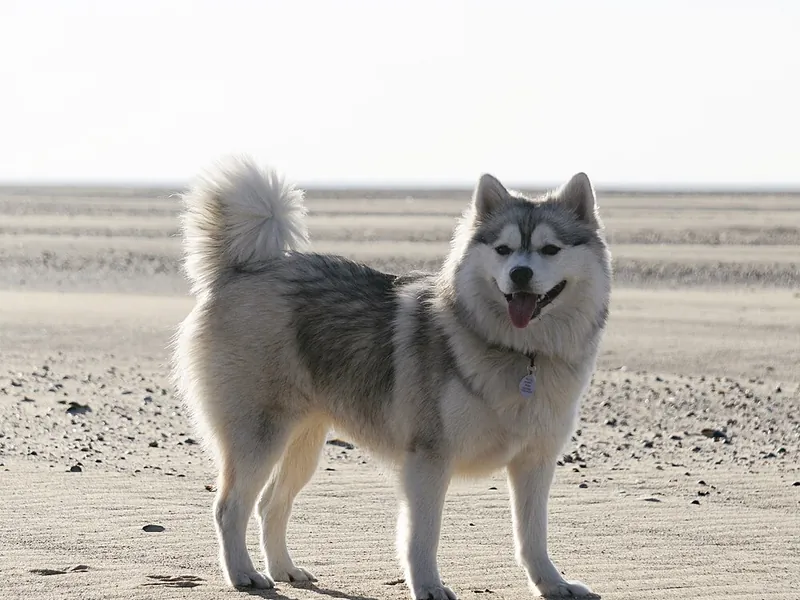
The Eurasier is a medium-sized, well-balanced spitz standing 19 to 24 inches at the shoulder and weighing 40 to 71 lb. Males are clearly larger, with a fuller ruff and a broader head; females are lighter and finer, and the size ranges overlap only partly.
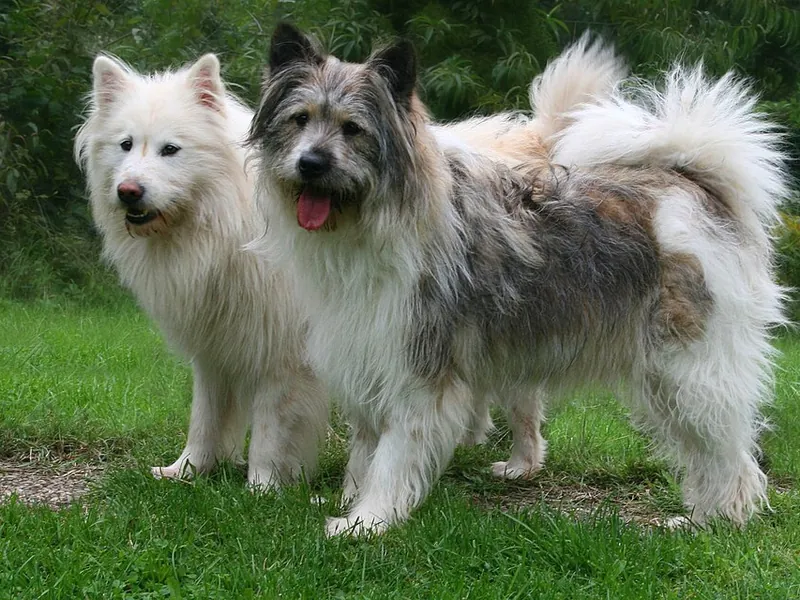
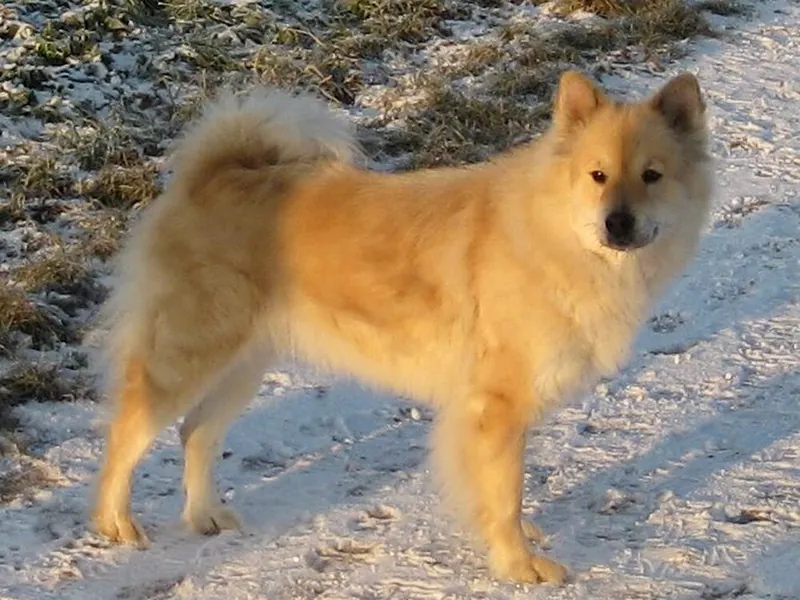
The coat is medium-long and loose over a dense undercoat, shorter on the face, ears and front of the legs, with a full mane around the neck, feathered legs and a bushy tail carried over the back.
Almost all colors are accepted, including:
- Fawn and red, often with a dark mask
- Wolf-gray (wolf sable)
- Solid black and black and tan
Pure white, white patches and liver are not permitted. The tongue may be pink, blue-black or spotted, a reminder of the Chow Chow in the breed's background. The ears are small, triangular and upright, and the expression is gentle rather than fox-like.
Temperament and Personality
Eurasiers are even-tempered, quiet and strongly attached to their family. They tend to follow their people from room to room and do best living indoors as part of daily household life rather than in a kennel or yard.
With strangers they are typically reserved, watching rather than greeting, which makes them alert without being noisy. They are not pushy or overly excitable, and most get along with children and other pets they are raised with. Their independent spitz streak means they think for themselves and do not respond well to harsh treatment.
Is the Eurasier Good for First-Time Owners?
Yes, the Eurasier is often a good choice for a first dog, as long as the owner is patient, calm and committed to early socialization.
Its moderate energy and quiet nature make daily life manageable. The breed's challenges are subtle: Eurasiers are sensitive, independent thinkers that ignore repetitive drills and react poorly to pressure. Puppies need many positive experiences with strangers, traffic and new places, or their natural reserve can turn into fearfulness. Beginners should also prepare for the time and space needed for brushing, and for the wait, since reputable US breeders have few litters.
Do Eurasiers Bark a Lot?
No, Eurasiers are generally quiet dogs and are known for barking less than many other spitz breeds.
Most will give a few warning barks when someone approaches the house or something unusual happens, then settle once they see you have noticed. Constant barking is not typical and usually points to boredom, isolation or anxiety. Young dogs that have not been socialized well may bark at strangers out of uncertainty. Including the dog in family life, offering scent games and keeping alone time reasonable keep a Eurasier calm and quiet.
Are Eurasiers Good with Cats?
Yes, most Eurasiers get along well with cats, especially when they grow up together.
The breed has relatively low prey drive for a spitz, and its calm temperament usually suits a household with cats. Introductions still matter: give the cat high perches and a dog-free retreat, keep the first meetings short and reward the dog for relaxed behavior. An adult Eurasier with no cat experience may be curious at first but rarely remains intense. Outdoor cats in the neighborhood may still be chased, so keep walks on leash where cats roam.
Exercise and Training
Exercise needs are moderate. One to two varied walks a day, some sniffing time and a bit of play keep most adults content. Eurasiers are not built for long-distance running, and the dense coat makes them uncomfortable in hot weather, so plan activity for cooler parts of the day in summer.
Training should be calm, consistent and reward-based. Early socialization is especially important for this breed, since their natural reserve with strangers can harden into shyness if puppies do not meet many people, places and sounds. Mental work such as scent games and trick training suits them well.
Grooming and Shedding
The Eurasier has a thick double coat with a soft undercoat. A thorough brushing once or twice a week is usually enough most of the year. During the seasonal molt, which often happens in spring and autumn, the undercoat comes out in large amounts and daily brushing with an undercoat rake is needed for a couple of weeks.
The coat should never be shaved, as it insulates against both cold and heat. Many Eurasiers have a blue-black or partly blue tongue, inherited from the Chow Chow.
Feeding and Nutrition
Eurasiers are often described by owners as selective eaters, a trait linked to their Chow Chow ancestry. Some skip meals or lose interest in a food they ate happily for months. Avoid constant food switching or piling on toppers, which can create a fussy dog. Set meals offered for 15 to 20 minutes, then removed, usually work better.
Thyroid disease is a known concern in the breed. Unexplained weight gain, low energy or a thinning coat are reasons to ask your vet about a thyroid test rather than simply reducing portions.
- Feed puppies three or four meals a day and adults two.
- Rest the dog around meals, since bloat has been reported in the breed.
- Report weight loss with a good appetite or greasy, bulky stools, which can signal exocrine pancreatic insufficiency.
The thick coat hides body shape, so check condition by feel: ribs should be easy to find under the coat. Dogs diagnosed with inherited high blood cholesterol need a diet chosen with their vet.
| Adult weight | Less active | Typical adult | Very active |
|---|---|---|---|
| 40 lb | 860 kcal | 980 kcal | 1,230 kcal |
| 56 lb | 1,110 kcal | 1,270 kcal | 1,580 kcal |
| 71 lb | 1,320 kcal | 1,510 kcal | 1,890 kcal |
Estimates use the resting energy formula veterinarians work with (70 × body weight in kg0.75) and standard activity factors. Use the feeding guide on your food as a starting point and adjust to body condition. Puppies, seniors, pregnant animals and pets that need to lose weight have different needs, so ask your vet.
Health and Lifespan
Eurasiers often live 12 to 16 years. Autoimmune thyroiditis leading to hypothyroidism is a known concern in the breed, so periodic thyroid checks are sensible. Other conditions reported include hip and elbow dysplasia, kneecap luxation, diabetes, exocrine pancreatic insufficiency and bloat. A DNA test is available for a form of inherited high cholesterol.
Look for breeders who hip and elbow score their dogs, test thyroid function and use available DNA tests.
Eurasier Price and Cost of Ownership
The Eurasier is rare in the US, and only a small number of breeders produce litters each year, so expect waiting lists and possibly travel or import costs. Prices vary by breeder, region and lines, and puppies from health-tested parents with documented European pedigrees tend to cost more than common breeds of similar size. Rescue Eurasiers are uncommon, but breed clubs sometimes help rehome adults.
Breed-specific cost drivers include:
- Health testing of parents: hips, elbows, eyes, patellas and thyroid
- Regular thyroid checks during the dog's life, and medication if hypothyroidism develops
- Grooming tools such as an undercoat rake, or professional deshedding during the molt
- Air conditioning or cooling aids in hot regions
- Pet insurance that covers chronic conditions
Is the Eurasier Right for You?
The Eurasier suits families who want a calm, devoted dog that is happy with moderate exercise and who do not mind regular brushing and seasonal hair. It fits well in a house or a roomy apartment.
It is less suited to people who want a highly sociable dog that greets every stranger, to hot climates without air conditioning, or to homes where the dog would be left alone for most of the day.
Eurasier Traits at a Glance
Eurasier FAQ
Are Eurasiers good family dogs?
Yes. They were bred specifically as family companions and are usually gentle with children, though they prefer a calm home.
How big do Eurasiers get?
Eurasiers stand about 19 to 24 inches tall and weigh roughly 40 to 71 lb, with males noticeably larger.
Do Eurasiers shed a lot?
Yes, especially during their seasonal molts, when the undercoat comes out heavily. Weekly brushing plus daily brushing in molting season keeps it manageable.
Are Eurasiers good with strangers?
They are typically reserved and watchful with people they do not know, rather than unfriendly. Early socialization helps.
Is the Eurasier AKC recognized?
Not fully. It is recorded in the AKC Foundation Stock Service, the step before full recognition.
How long do Eurasiers live?
Most Eurasiers live 12 to 16 years.