EloA German companion dog bred for calm
The Elo is a young German breed created from the late 1980s with one goal: a calm, friendly, family-friendly companion. It is rare outside Germany and not recognized by major kennel clubs, but its relaxed temperament and adaptable size make it interesting for families.
Why people love the Elo
- Bred specifically for a calm, friendly temperament
- Usually good with children and other pets
- Barks relatively little
- Available in two size varieties
- Breeding focuses on health and temperament testing
Things to consider
- Very rare outside Germany
- Not recognized by major kennel clubs
- Individual temperaments still vary in a young breed
- Longer coats need regular brushing
- Hunting interest varies between dogs
Is this breed right for you?
10 questions · live resultHistory and Origin
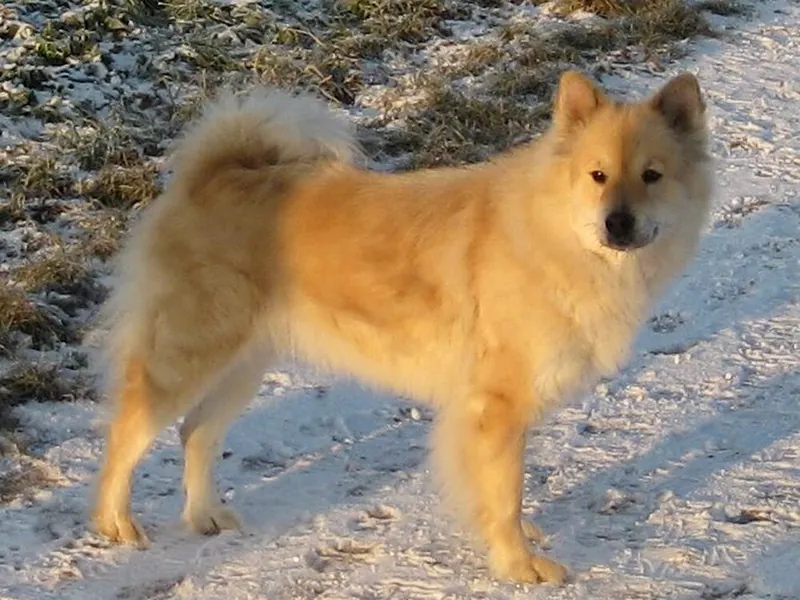
The Elo was developed in Germany beginning in 1987 by Marita Szepanski and the breeding association Elo Zucht- und Forschungsgemeinschaft (EZFG). The founding breeds were the Eurasier, the Old English Sheepdog and the Chow Chow, and breeders selected for health and temperament rather than appearance.
The project aimed to combine the calm nature of the Eurasier, the friendliness of the Old English Sheepdog and the cleanliness and loyalty of the Chow Chow, while avoiding the health problems seen in heavily inbred breeds. Breeding decisions within the association take temperament tests and health results into account.
A smaller variety, the Small Elo, was later developed by adding smaller companion breeds such as the Japanese Spitz. Breeding is managed within the association and the population remains small. The Elo is not recognized by the FCI, AKC or The Kennel Club.
Sizes, Coat Types and Colors
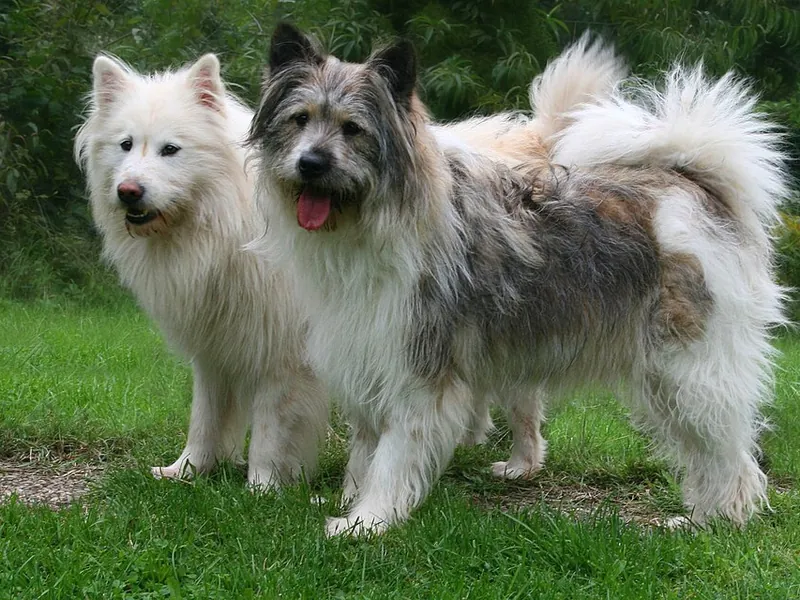
The Elo comes in two size varieties, which together span roughly 14 to 24 inches at the shoulder and 22 to 77 lb:
- Big Elo: the original variety, at the upper end of the range, with a sturdy, medium-large build.
- Small Elo: a later variety developed with smaller companion breeds, at the lower end of the range.
Males tend to be larger and heavier than females within each variety, but differences between individuals can be significant, as the breed is still young.
Two coat types exist:
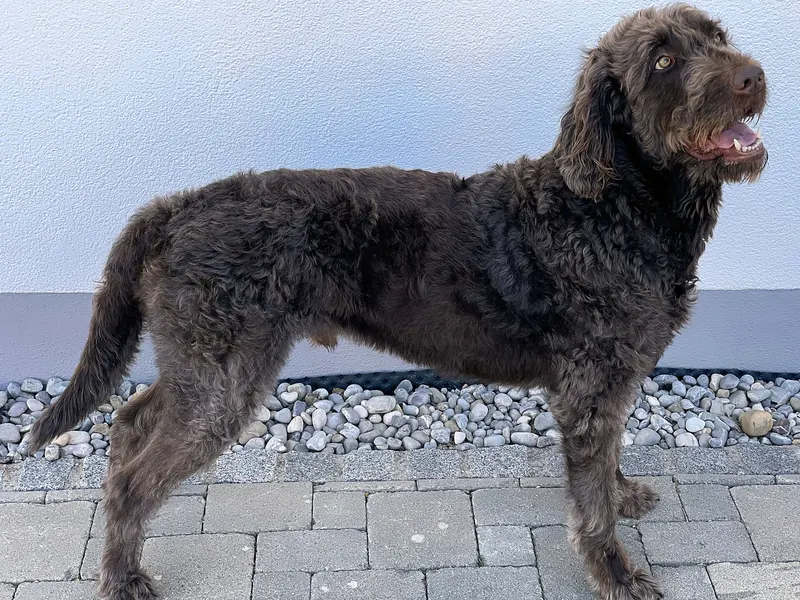
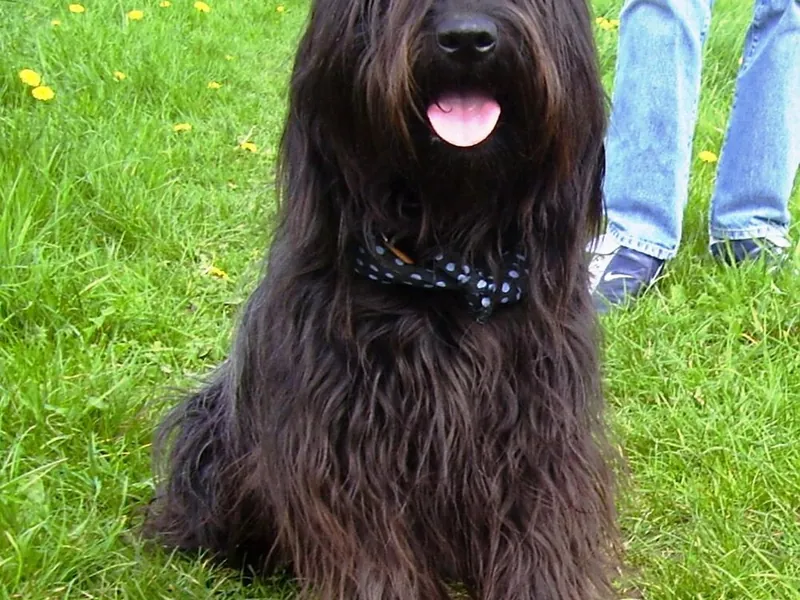
- Rough or wire coat: longer, denser hair, often with a beard and fringes, reflecting Old English Sheepdog influence.
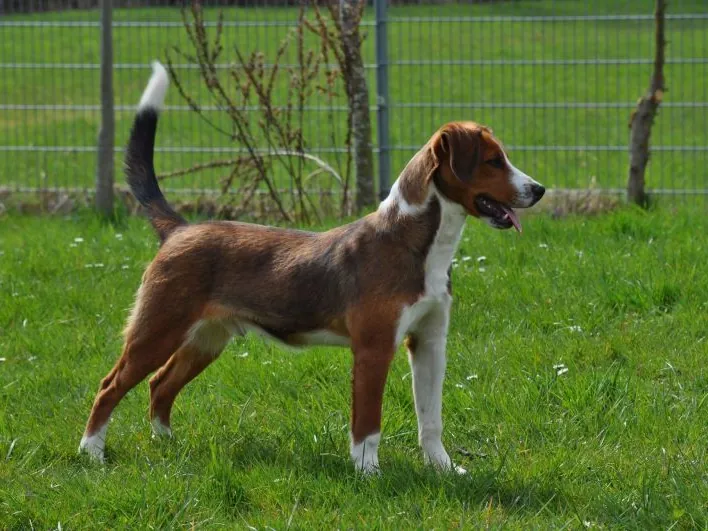
- Smooth coat: shorter, denser hair, closer to the Eurasier type.
Colors vary widely. Many Elos are white with patches of gray, black or brown, while others are solid or multicolored. Appearance is less tightly standardized than in older breeds because the breeding association has prioritized temperament and health.
Temperament and Personality
Elos are bred to be even-tempered, with a high threshold for stress and little tendency to bark. They are typically affectionate with their family, friendly with visitors and good with children and other pets.
As a young breed, individual dogs still vary. Some show noticeable hunting behavior, while others show very little. Meeting the parents and asking the breeder about their behavior gives the best picture of what a puppy may be like.
Elos are typically attached to their family without being clingy, and many are content to rest quietly while their people work. Their sensitivity means they respond best to calm voices and consistent routines.
Are Elos Good for First-Time Owners?
Yes, Elos are often a good choice for first-time owners, as the breed was developed specifically to be calm, friendly and easy to live with.
They are generally easy to train with gentle, consistent methods and have moderate exercise needs. The main challenge is availability: Elos are very rare outside Germany, so finding a puppy often means working with the breeding association and potentially importing. Because temperaments still vary in this young breed, meeting the parents and asking breeders about their behavior helps first-time owners choose the right puppy.
Do Elos Shed?
Yes, Elos shed, with seasonal increases in spring and fall.
The amount depends on the coat type. Smooth-coated Elos have a dense coat and shed noticeably during seasonal changes. Rough or wire-coated Elos may shed less visibly but need more frequent brushing to prevent tangles. Weekly brushing keeps smooth coats in good condition, while longer coats benefit from brushing a few times a week. Neither type is suitable for people with significant dog allergies.
Grooming needs also rise during the spring and fall coat change, when a slicker brush and undercoat rake help remove loose hair quickly.
Can Elos Live in an Apartment?
Yes, Elos can adapt to apartment living, especially the Small Elo, provided they get daily walks and mental activity.
The breed was developed for calmness and a low tendency to bark, which suits close living. Big Elos need more space and longer walks, so a house with a yard is easier for them, but it is not essential. Both varieties enjoy family outings, hiking and simple training games. Without enough exercise, any Elo can become restless, so plan daily walks with time to sniff and explore.
Exercise and Training
A moderate amount of exercise suits most Elos: daily walks with time to sniff and explore, plus some play or simple training games. They are not built for extreme endurance sports but enjoy hiking and family outings.
Elos are generally easy to train with friendly, consistent methods. Because hunting interest varies between dogs, practice recall in safe areas before trusting a dog off leash near wildlife.
Grooming and Shedding
Elos come in a smooth-haired and a longer, wire- or rough-haired coat type. Coat care therefore varies: smooth-coated dogs need a weekly brush, while longer coats need more frequent brushing to prevent tangles. Expect some seasonal shedding, as with most dogs with an undercoat.
Feeding and Nutrition
Because the Elo comes in two sizes and individuals vary widely, portions should be based on the dog's actual weight and body condition rather than breed averages. A Small Elo needs much less food than a Big Elo. Check regularly that you can feel the ribs under a light layer of fat, which can be harder to judge under longer coats.
Puppies should eat a complete puppy food suited to their expected adult size. Big Elo puppies benefit from a formula designed for medium to large breeds, with steady growth.
- Feed two meals a day for adults, three or four for young puppies.
- Elos are often calm and less active indoors, so watch for weight gain.
- Use part of the daily ration as training rewards.
- Ask your breeder what the puppy has been eating and change foods gradually.
| Adult weight | Less active | Typical adult | Very active |
|---|---|---|---|
| 22 lb | 550 kcal | 630 kcal | 790 kcal |
| 50 lb | 1,020 kcal | 1,160 kcal | 1,450 kcal |
| 77 lb | 1,410 kcal | 1,610 kcal | 2,010 kcal |
Estimates use the resting energy formula veterinarians work with (70 × body weight in kg0.75) and standard activity factors. Use the feeding guide on your food as a starting point and adjust to body condition. Puppies, seniors, pregnant animals and pets that need to lose weight have different needs, so ask your vet.
Health and Lifespan
Because the breed is small and closed, inbreeding is a known risk that breeders try to manage. Conditions reported in Elos include:
- Distichiasis, extra eyelashes that can irritate the eye
- Sebaceous adenitis, an inflammatory skin disease
Under the breeding rules, breeding dogs must have good hip scores and pass eye and kneecap examinations. Reliable lifespan data for the breed is limited, so ask the breeder about the ages reached in their lines.
Elo Price and Cost of Ownership
Elos are extremely rare in the US, and puppies are almost always imported from Germany through the breeding association. Prices vary by breeder, region and lines, and import costs, including travel, vaccinations and paperwork, add significantly.
Rescue placements are very unlikely in the US.
Breed-specific ongoing costs include:
- Import fees and travel if buying from Germany.
- Grooming supplies or professional grooming for rough-coated Elos.
- Pet insurance for general health and joint conditions.
- Training classes for socialization.
Food costs depend largely on size variety.
Expect a waiting list, as the breeding association plans litters carefully and gives priority to buyers who meet its placement criteria.
Big Elos eat noticeably more than Small Elos, so size variety also affects long-term costs.
Is the Elo Right for You?
The Elo suits families and first-time owners looking for a calm, sociable dog of moderate activity, available in different sizes. The main challenge is availability: puppies are rare outside Germany and waiting lists are common. Be wary of sellers offering Elos without breeding association papers and health checks.
Because coat type, size and hunting interest vary more than in long-established breeds, ask the breeder which variety and coat type to expect, and meet adult dogs from the same lines if possible.
Elo Traits at a Glance
Elo FAQ
Is the Elo a recognized breed?
Not by the FCI, AKC or The Kennel Club. It is bred under the rules of its own breeding association in Germany.
How big do Elos get?
Size depends on the variety. Our data ranges from about 22 to 77 lb and 14 to 24 inches, with the Small Elo at the lower end and the Big Elo at the upper end.
Are Elos good family dogs?
Yes. They were bred specifically for a calm, friendly temperament and are usually good with children and other pets.
Do Elos bark much?
They are bred to be quiet and generally bark relatively little.
What breeds make up the Elo?
The founding breeds were the Eurasier, Old English Sheepdog and Chow Chow, with smaller breeds added later for the Small Elo.