Catalan SheepdogThe shaggy, clever herder of Catalonia
The Catalan Sheepdog is a medium-sized, shaggy herding dog from the Pyrenean foothills of Catalonia. It is alert, brave and closely bonded to its family, well suited to active owners who enjoy training and can keep up with a long coat.
Why people love the Catalan Sheepdog
- Intelligent, cooperative and quick to learn
- Affectionate and closely bonded to its family
- Attentive watchdog without constant suspicion
- Versatile in herding, agility and scent work
- Medium size with a hardy, healthy reputation
Things to consider
- Long coat needs weekly brushing and mat checks
- Needs at least an hour of daily activity
- Reserved with strangers; requires early socialization
- Herding instinct may show as heel nipping
- Very rare outside Spain
Is this breed right for you?
10 questions · live resultHistory and Origin
The Catalan Sheepdog, called Gos d'Atura Català in Catalan, has herded and guarded flocks in Catalonia and the Pyrenees for centuries. Shepherds valued a dog that could move sheep under direction, act on its own initiative when the flock spread out, and raise the alarm at night.
The breed declined in the 20th century as rural life changed, and Spanish breeders organized a recovery program from the 1970s. It is recognized by the FCI in Group 1 and remains uncommon outside Spain. Breed histories also mention its use as a messenger and guard dog during the Spanish Civil War.
Size, Coat and Colors
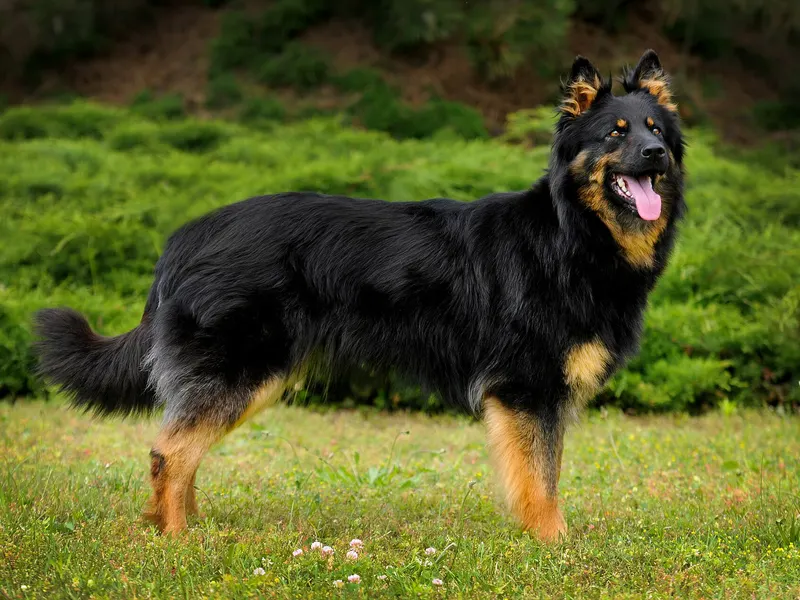
The Catalan Sheepdog is a medium, sturdy herding dog, slightly longer than tall, with a lively expression partly hidden under its fringe. It stands about 18 to 22 inches at the shoulder and weighs roughly 37 to 55 lb. Males are generally taller and heavier than females, with the FCI standard placing males about an inch higher at the shoulder.
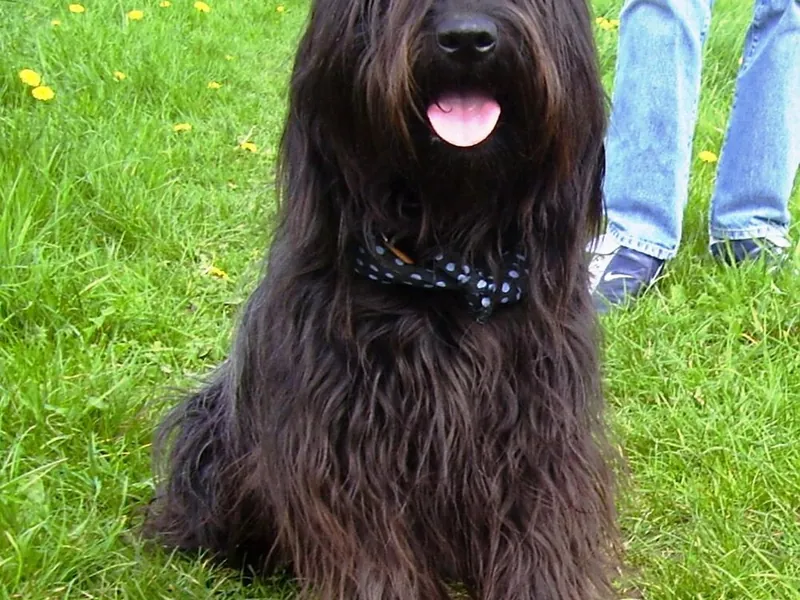
The long-haired variety is by far the most common. Its coat is long, flat or slightly wavy, with plenty of undercoat on the rear third of the body. The head carries a beard, mustache, fringe and eyebrows that partly cover the eyes. A rare short-haired variety also exists, with short hair on the body and longer hair on the legs and tail.
Colors look solid from a distance but are a blend of shades in each hair:
- Fawn, from light to dark
- Sable
- Gray, from light to dark
- Black and tan blends
Coat color often changes with age, typically lightening as the puppy coat is replaced.
Temperament and Personality
Catalan Sheepdogs are alert, intelligent and brave. They are affectionate and cooperative with their family but typically reserved with strangers, which makes them attentive watchdogs without being overly suspicious when well socialized.
They can work on their own initiative and like to have a say. Most get along with children they know, though herding instincts may lead to circling or heel nipping, which needs gentle redirection. With other pets they are usually fine when raised together.
Because the breed was used to guarding the flock and camp at night, many Catalan Sheepdogs take a quiet interest in everything happening around the house. They tend to stay close to their people and follow them from room to room.
Is the Catalan Sheepdog Good for First-Time Owners?
It can work for active first-time owners who enjoy training. The Catalan Sheepdog is cooperative and affectionate, which makes it more forgiving than many working breeds.
Beginners should plan for daily exercise and mental work, early socialization to prevent excessive wariness of strangers, and weekly coat care. The breed thinks for itself and may test inconsistent rules. Finding a puppy in the US is the bigger challenge, as the breed is rare, and many owners import from Spain or other European countries. Contacting breed clubs and experienced owners first is recommended.
Is the Catalan Sheepdog a Good Apartment Dog?
It is not ideal for apartments, though a very active owner can make it work. Its size is manageable, but its energy and need for a job make a home with a yard and access to open space a better fit.
In an apartment, plan for long daily walks, regular training sessions and a sport such as agility or herding. The breed's alert nature means it may bark at hallway noises, so early quiet training helps. The long coat also brings in mud and debris, so a towel and brush at the door are part of the routine.
Do Catalan Sheepdogs Bark a Lot?
They bark a moderate amount, mainly as watchdogs. A Catalan Sheepdog will alert you to visitors and unusual sounds, a trait that comes from guarding flocks and camps at night.
Barking tends to increase when the dog is bored, lonely or under-exercised. Daily exercise, mental work and company keep it in check. Teaching a quiet cue early and rewarding calm behavior at windows and doors help in neighborhoods with close neighbors. Well-socialized dogs usually settle once they recognize that a visitor is welcome.
Exercise and Training
This is an active breed. Plan for at least an hour of exercise a day, plus mental challenges such as herding, agility, obedience or scent work. A Catalan Sheepdog with nothing to do may invent its own jobs.
Training is rewarding with positive methods. The breed learns quickly and enjoys working with its handler, but it can be independent, so keep sessions varied and fair. Socialize puppies early to new people and situations to prevent excessive wariness. It does not like long periods alone.
Grooming and Shedding
The long, flat or slightly wavy coat has a dense undercoat and a beard, mustache and fringe over the eyes. Colors are mixed shades of fawn, gray, black and sable.
A distinctive feature is the two-stage shed: the coat typically changes first on the front half of the body and later on the back half, so the dog can look oddly divided for a while.
- Brush thoroughly at least once a week, more during shedding.
- Check behind the ears and on the legs for mats.
- Keep hair around the eyes clean and trim the feet.
Feeding and Nutrition
The long coat can hide changes in body condition, so feel for ribs and a waist under the hair every few weeks. A Catalan Sheepdog should be lean and athletic rather than heavy, which also supports the hips, the breed's main reported health concern.
- Feed adults two meals a day; puppies usually get three or four meals until around six months.
- Keep growing puppies lean and avoid rapid weight gain to protect developing joints.
- Adjust portions to activity: herding, agility or hiking days may need more food than quiet days.
The beard and mustache collect food and water, so wipe the face after meals and check for trapped bits to avoid odor and skin irritation. Use part of the daily ration as training rewards, since the breed works well for food. Avoid hard exercise right after a large meal. No breed-specific diet-related conditions are documented.
| Adult weight | Less active | Typical adult | Very active |
|---|---|---|---|
| 37 lb | 810 kcal | 930 kcal | 1,160 kcal |
| 55 lb | 1,090 kcal | 1,250 kcal | 1,560 kcal |
Estimates use the resting energy formula veterinarians work with (70 × body weight in kg0.75) and standard activity factors. Use the feeding guide on your food as a starting point and adjust to body condition. Puppies, seniors, pregnant animals and pets that need to lose weight have different needs, so ask your vet.
Health and Lifespan
The Catalan Sheepdog typically lives 12 to 14 years. Hip dysplasia is the main reported concern, so choose breeders who screen hips and can show results.
Keep the dog lean, avoid excessive jumping and forced exercise during the growth phase, and ask breeders about the health of related dogs.
Catalan Sheepdog Price and Cost of Ownership
The Catalan Sheepdog is very rare in the US, and there is no well-established US price range. Prices vary by breeder, region and lines, and most dogs come from breeders in Spain or elsewhere in Europe. Importing adds costs for flights, health certificates and paperwork.
Rescue dogs are uncommon in the US, though European breed clubs sometimes help rehome adults.
Breed-specific ongoing cost drivers include:
- Grooming tools for the long coat, or occasional professional help during its two-stage shed
- Hip screening if you plan to breed or compete
- Training classes and herding or agility fees
- Daycare or a dog walker, since the breed dislikes long periods alone
Is the Catalan Sheepdog Right for You?
This breed suits active, engaged owners who enjoy training and dog sports and can handle a long coat. It is a good family dog when it has a job and company.
- Good match: active families, dog sport fans, rural or suburban homes with a yard.
- Less ideal: apartments, owners away all day, people who dislike grooming.
Catalan Sheepdog Traits at a Glance
Catalan Sheepdog FAQ
How big does a Catalan Sheepdog get?
It stands about 18 to 22 inches at the shoulder and weighs roughly 37 to 55 lb.
Is the Catalan Sheepdog a good family dog?
Yes, it is affectionate and loyal with its family, though reserved with strangers.
Do Catalan Sheepdogs shed?
Yes. They shed in two stages, first the front half of the body, then the back.
How much exercise does a Catalan Sheepdog need?
At least an hour a day, plus mental work like training or herding.
Are Catalan Sheepdogs easy to train?
They learn quickly and enjoy working, but they can be independent and need consistent, positive training.
How long do Catalan Sheepdogs live?
Typically 12 to 14 years.