Spanish Dog BreedsHounds, guardians and herders from Spain
Spanish dog breeds were developed across mainland Spain and its islands for herding, guarding livestock and hunting. This guide introduces the main Spanish breeds, explains what each was bred for and helps you judge which one could fit your home.
All Spanish Dog Breeds A to Z
Where Spanish breeds come from
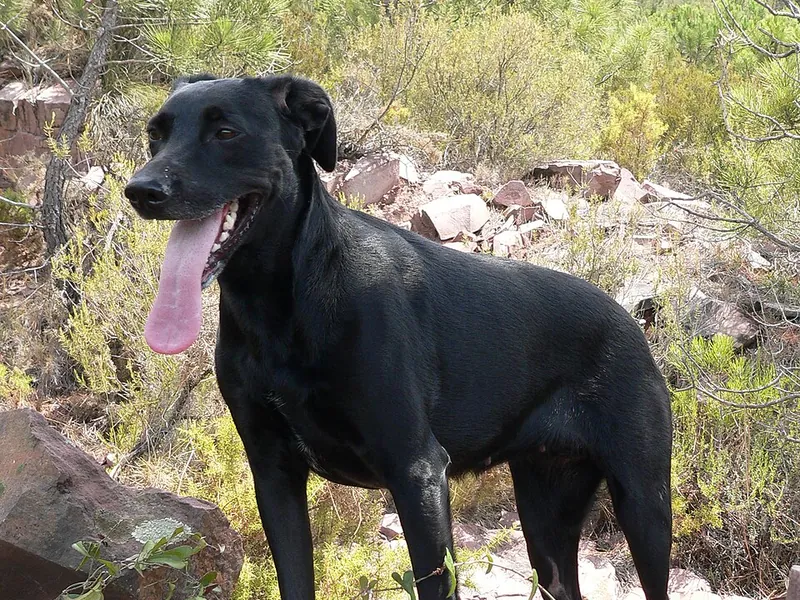
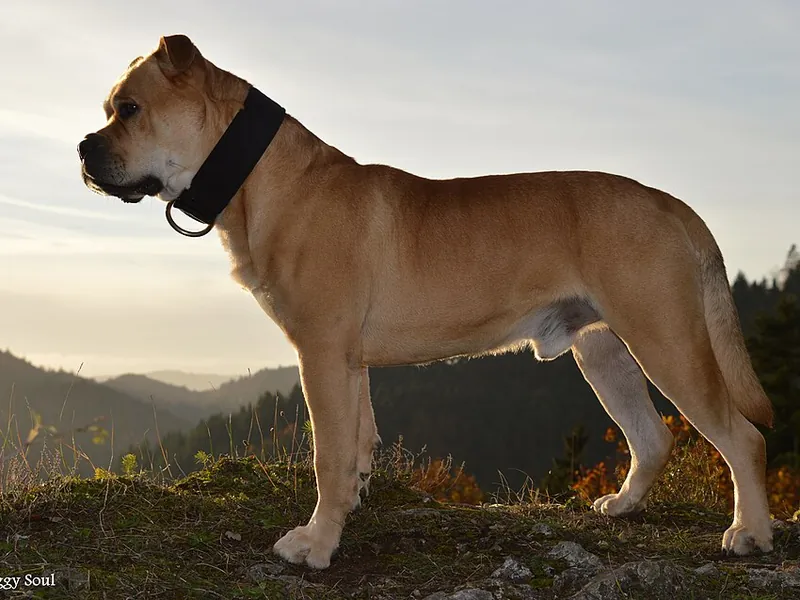
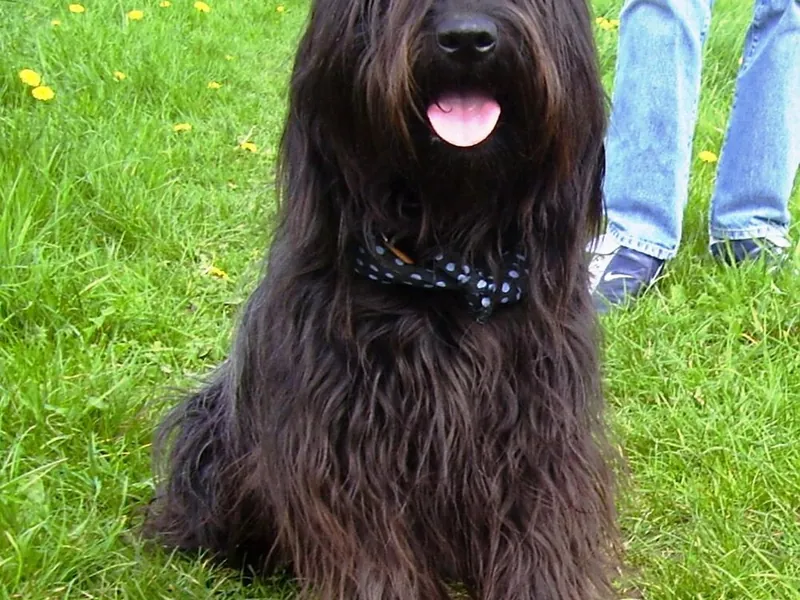
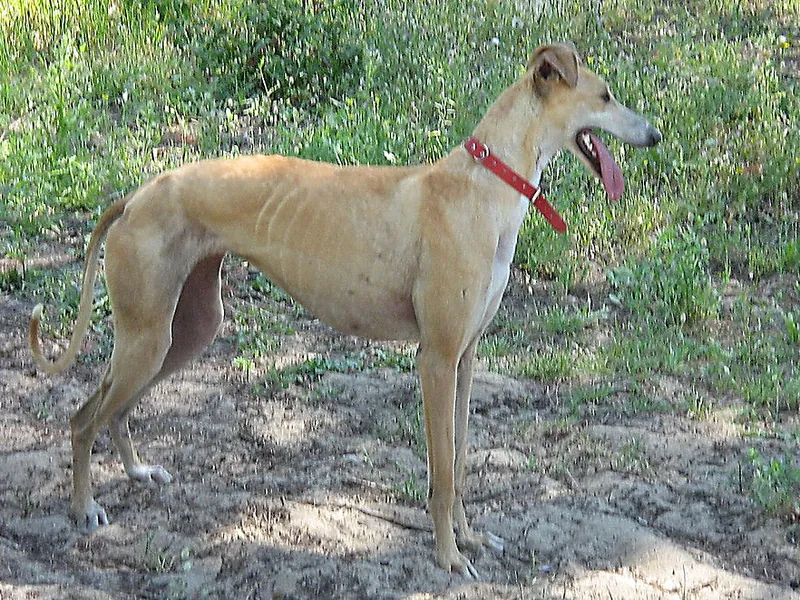
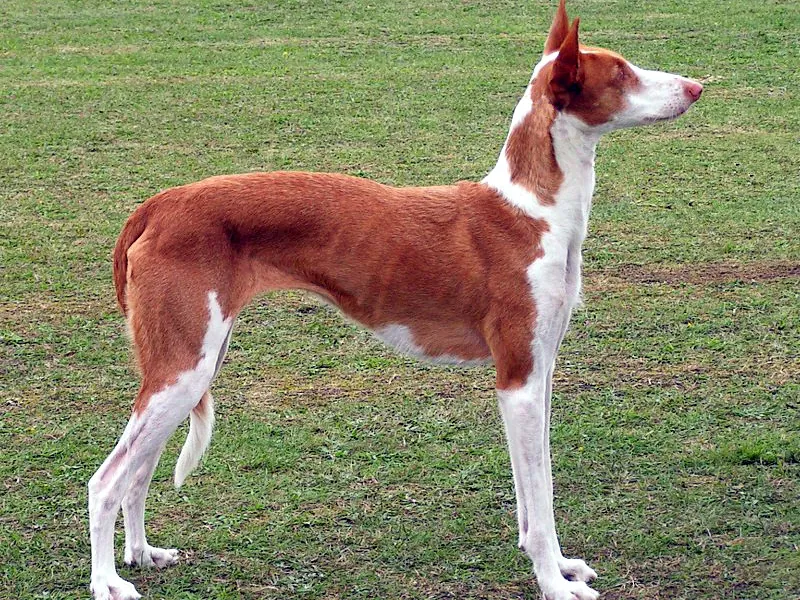
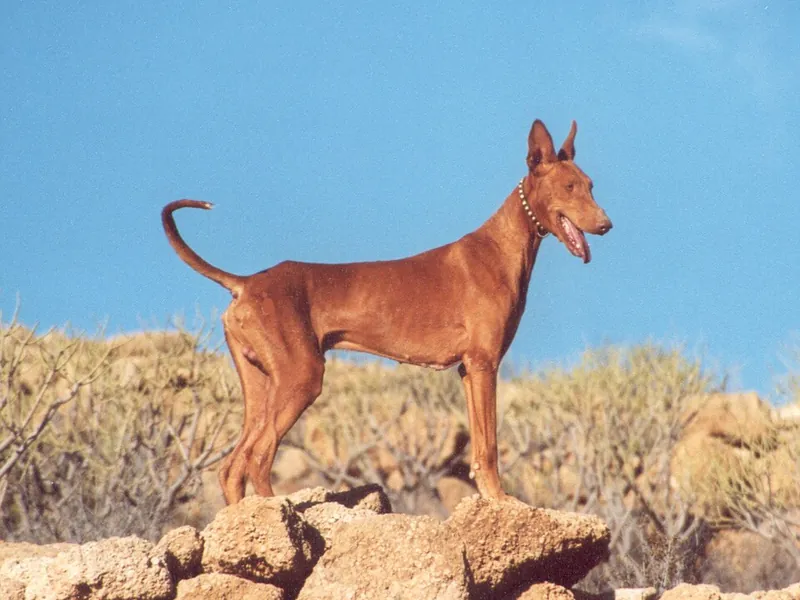
Spain's varied landscape shaped its dogs. Livestock guardians like the Spanish Mastiff traveled with flocks moving between summer and winter pastures and protected them from wolves. Catalan shepherds used the Gos d'Atura to move sheep in the Pyrenees, and hunters across the countryside relied on fast sighthounds like the Galgo Español and agile podencos. Each island group developed its own breeds, including the Ibizan Hound from the Balearics, the Ca de Bou and Ca de Bestiar from Majorca, and the Presa Canario and Podenco Canario from the Canary Islands.
Main types of Spanish breeds
- Sighthounds and podencos: Galgo Español, Ibizan Hound and Podenco Canario, lean hunters that use sight, scent and hearing.
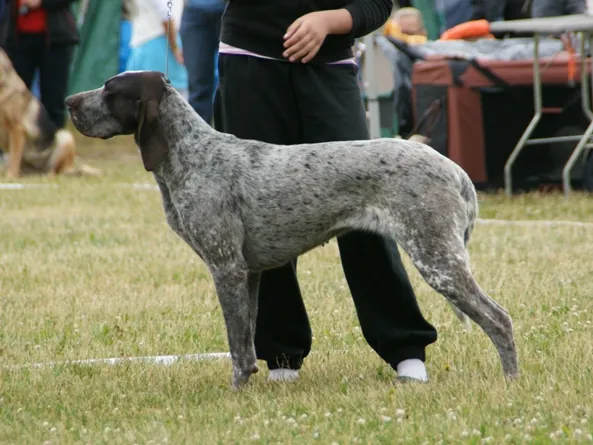
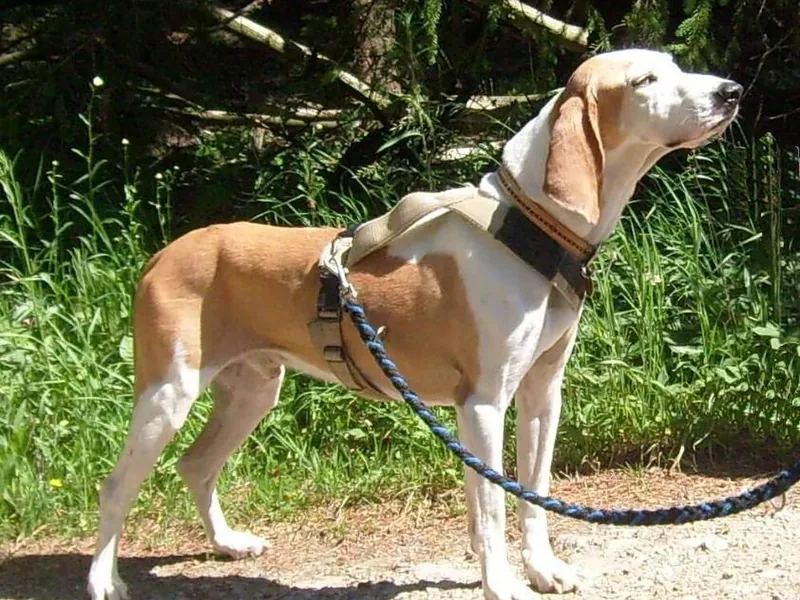
- Scent hounds and pointers: Spanish Hound (Sabueso Español) and Perdiguero de Burgos, steady hunting companions.
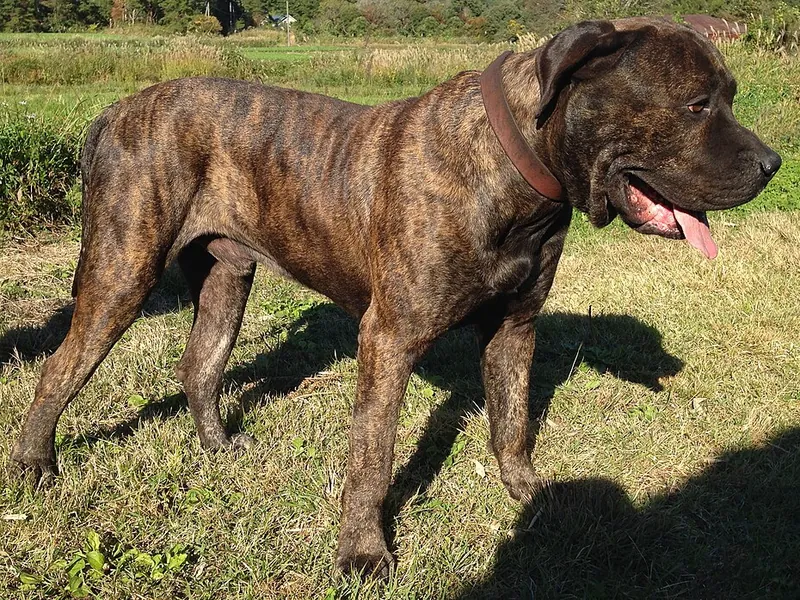
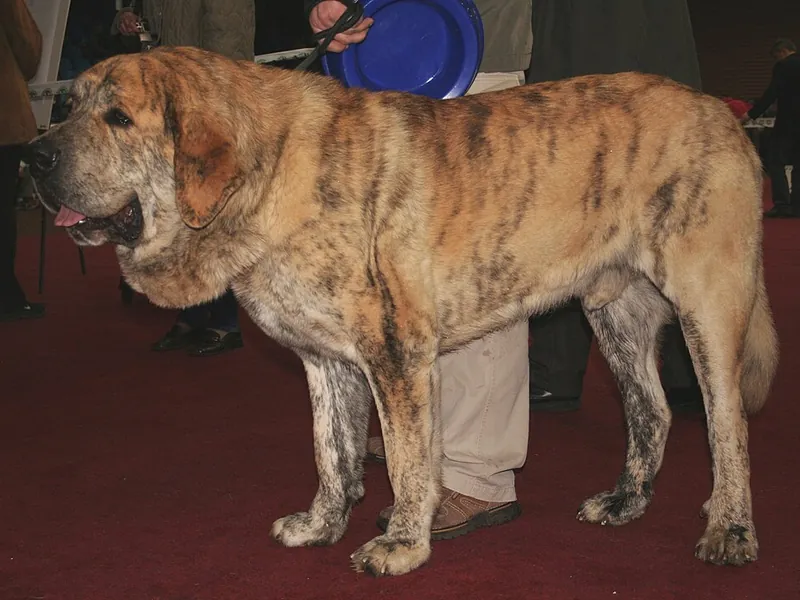
- Guardians and mastiffs: Spanish Mastiff, Presa Canario and Ca de Bou, strong and protective.
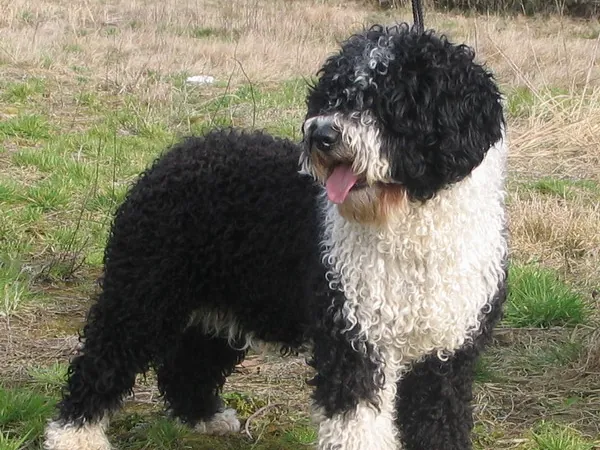
- Herding and farm dogs: Spanish Water Dog, Gos d'Atura Català and Ca de Bestiar.
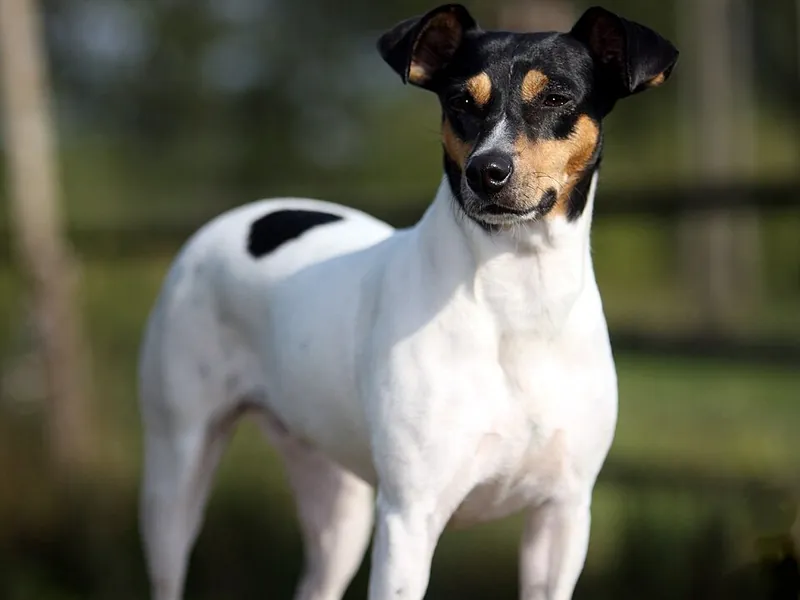
- Small ratters: the Andalusian Ratter, bred to keep wine cellars and stables free of rodents.
Choosing a Spanish breed
Think carefully about energy and instincts. The Spanish Water Dog is a curly-coated, clever all-rounder that loves work and suits active owners who enjoy training. The Gos d'Atura Català is a smart, shaggy herder. Sighthounds like the Galgo are often calm and quiet indoors, but they have strong chase drive, so off-leash running should happen only in secure areas.
The Spanish Mastiff, Presa Canario and Ca de Bou are powerful guardians. They need early socialization, experienced handling and enough space, and some places have rules about certain guardian types, so check local regulations first.
Galgos and podencos in rescue
Many Galgos and podencos used for hunting in Spain end up in shelters, and numerous rescue organizations rehome them across Europe and beyond. Adopting a rescue Galgo is a popular way to meet the breed. Most are gentle, sensitive dogs that adapt well to home life, though some need patience while they learn to live indoors and with new routines.
Before adopting, ask the rescue about the dog's history and how it reacts to cats and small animals. Many Galgos live peacefully with cats after careful introductions, but some keep a strong prey drive. A well-fitting martingale collar or harness is useful, because their narrow heads can slip out of standard collars.
Care and health notes
The Spanish Water Dog's curly coat is traditionally kept corded or clipped, not brushed out. Sighthounds have thin skin and little body fat, so they feel the cold and need soft bedding. Giant breeds such as the Spanish Mastiff can be prone to joint problems and bloat, and they mature slowly, so growth should not be rushed with too much exercise or rich food.
Frequently Asked Questions
What is the most popular Spanish dog breed?
Outside Spain, the Spanish Water Dog, Galgo Español and Presa Canario are among the best-known Spanish breeds.
Are Galgos good pets?
Many Galgos are calm, gentle and affectionate at home. They need secure areas for off-leash running because of their strong chase instinct.
Is the Spanish Water Dog hypoallergenic?
No dog is fully hypoallergenic, but the Spanish Water Dog's curly, low-shedding coat may suit some people with mild allergies.
What breeds come from the Canary Islands?
The Presa Canario and the Podenco Canario both originate from the Canary Islands.
How big does a Spanish Mastiff get?
The Spanish Mastiff is a giant breed, and males are among the heaviest livestock guardian dogs.
Not sure which breed fits you?
Answer 8 quick questions and get breeds ranked for your home, schedule and experience.