Italian Dog BreedsGuardians, hunters and companions from Italy
Italian dog breeds come from a country with an especially long history of dogs, from ancient Roman mastiffs to Renaissance lapdogs. This guide covers the main Italian breeds, what each was developed for, and how to choose the one that suits your home and experience.
Top 10 Italian Dog Breeds
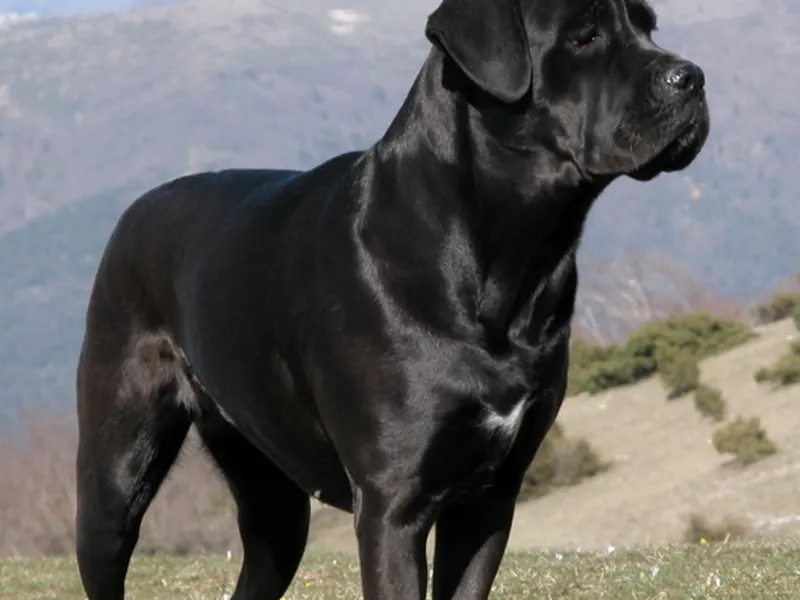
A muscular Italian mastiff once used for guarding and hunting, loyal and protective, best with experienced owners.
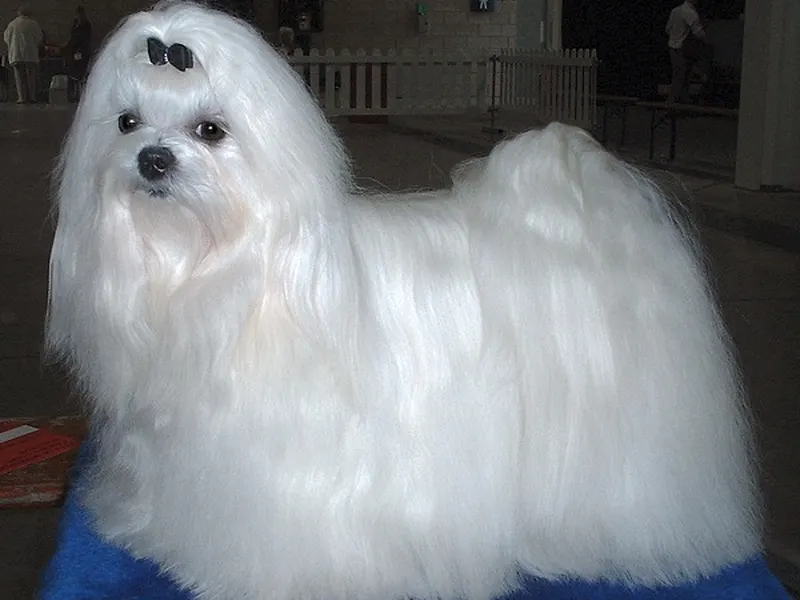
An ancient Mediterranean toy breed with a long white silky coat, gentle, lively and devoted to its people.
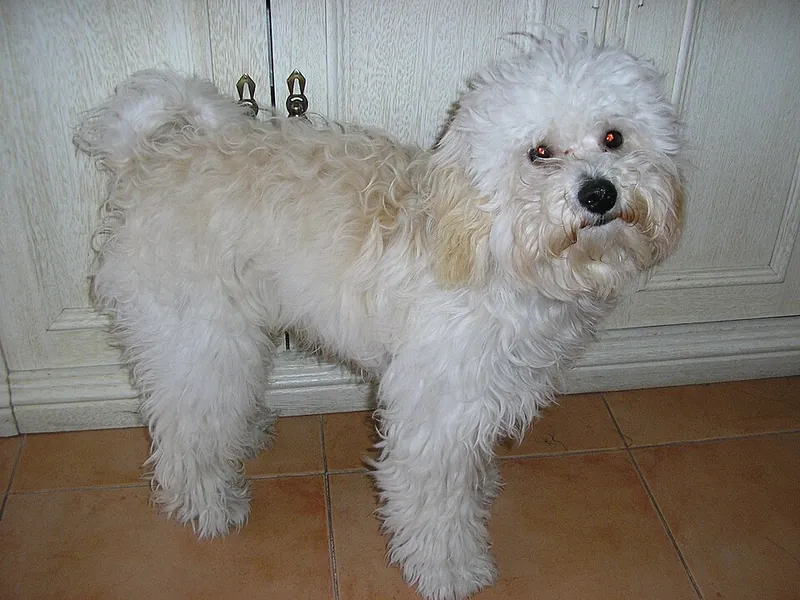
A small white companion from Bologna with a fluffy, flocked coat and a calm, affectionate temperament.
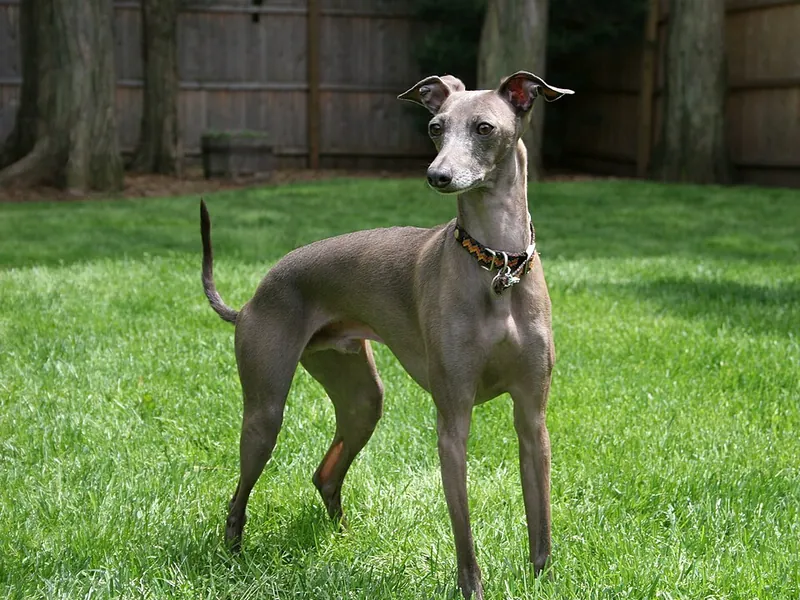
A miniature sighthound depicted in Renaissance art, sleek, sensitive and happiest curled up near its owner.
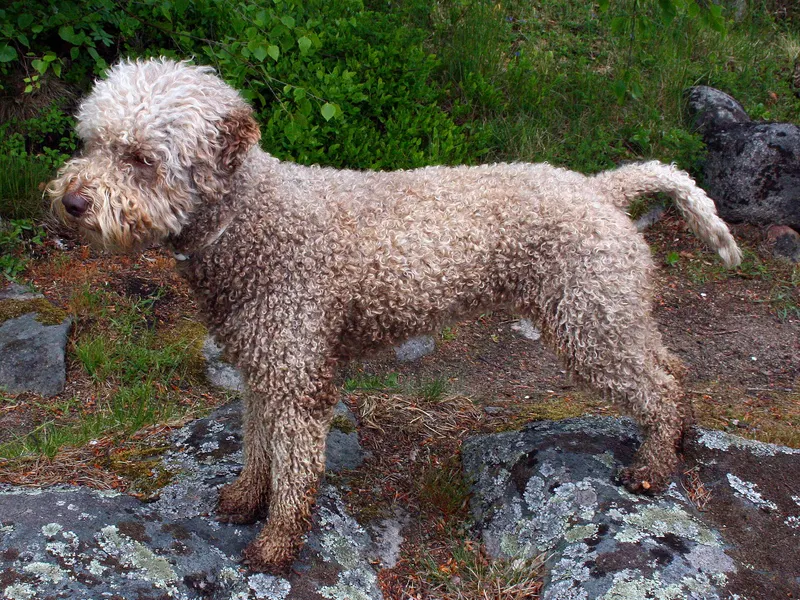
A curly-coated water dog from Romagna, now famous as the truffle-hunting breed of Italy.
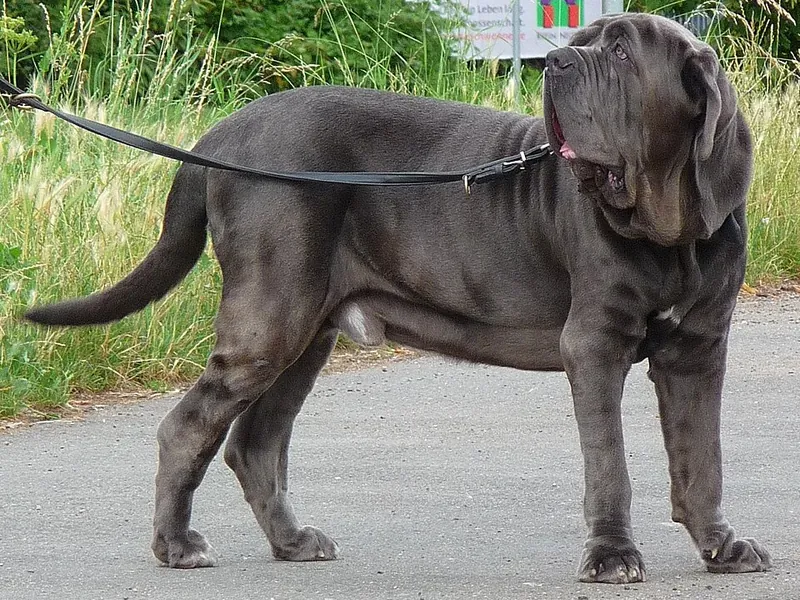
A massive, heavily wrinkled guardian from southern Italy, calm at home and devoted to its family.
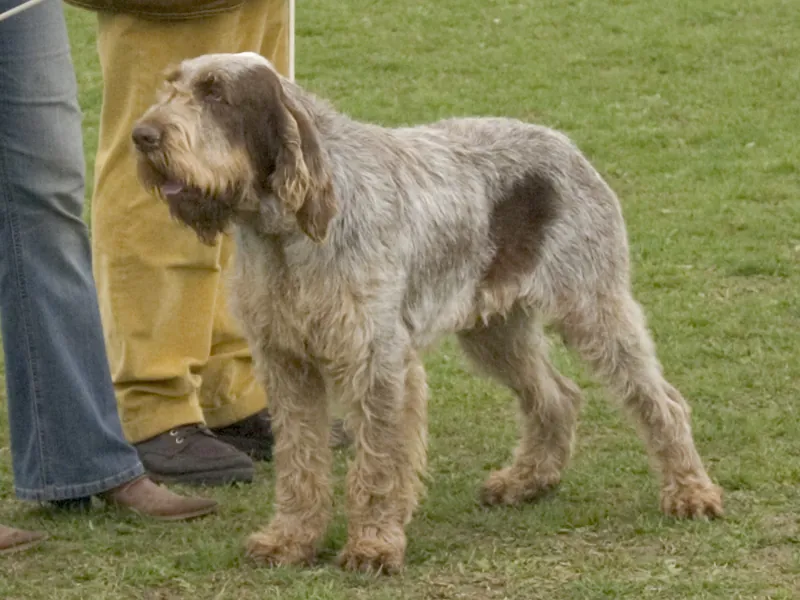
A gentle, wire-coated pointing dog with a soulful expression and a steady, patient hunting style.
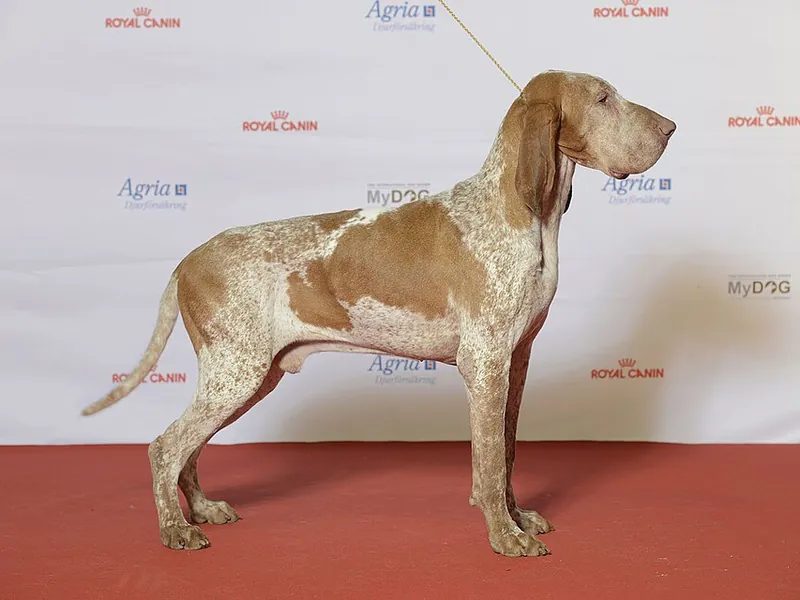
An old Italian pointer with long ears, loose lips and a distinctive high-headed trot in the field.
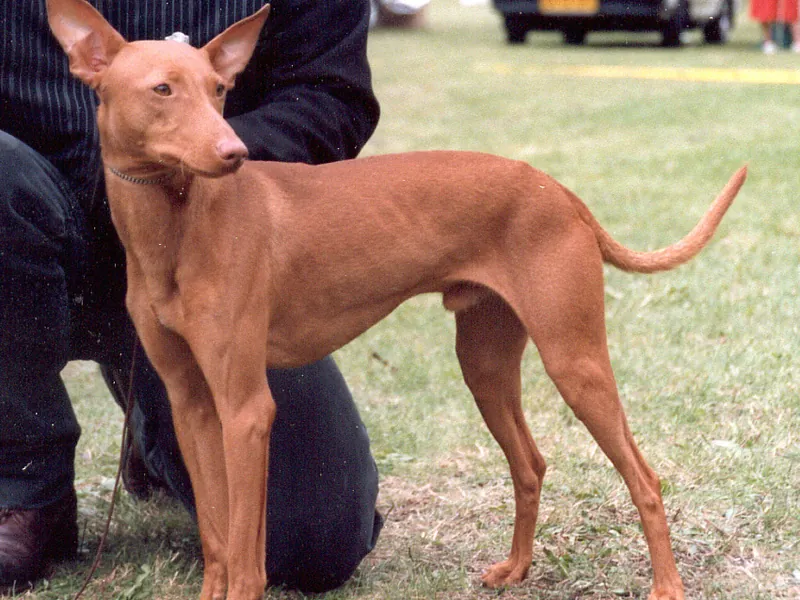
A slender, tan hound from Sicily bred to hunt rabbits on the slopes of Mount Etna.
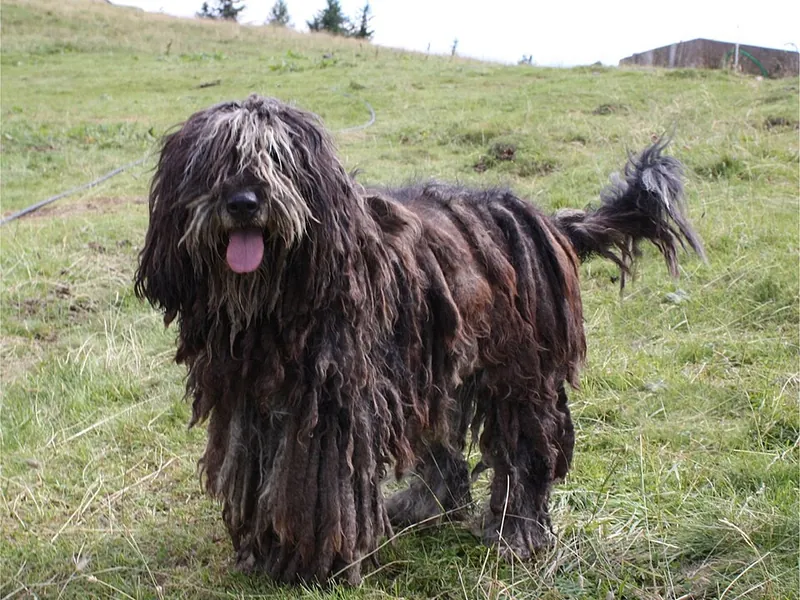
An Alpine herding dog whose coat forms distinctive flat felted mats, calm and highly attentive to its family.
All Italian Dog Breeds A to Z
A long history of Italian dogs
Italy's dog breeds reflect its geography and history. Molossian guardians from Roman times are often cited as ancestors of the Cane Corso and Neapolitan Mastiff. Small companion breeds like the Maltese, Bolognese and Italian Greyhound were favorites in noble households and appear in paintings across the centuries. Rural Italy developed hunting dogs, hounds and flock guardians suited to its mountains, plains and islands.
Types of Italian breeds
- Guardians: Cane Corso, Neapolitan Mastiff and the white Maremma Sheepdog, which protects flocks from predators.
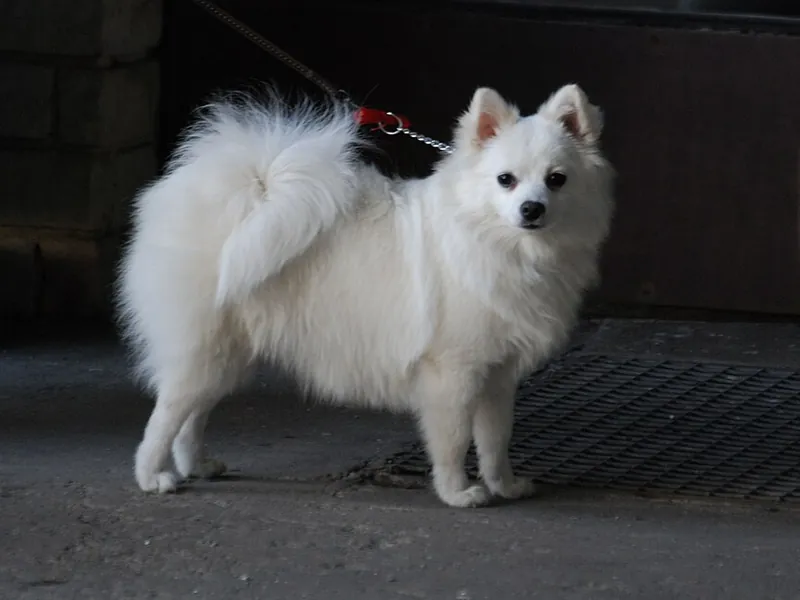
- Companions: Maltese, Bolognese, Italian Greyhound and the spitz-type Volpino Italiano.
- Hunting dogs: Spinone Italiano and Bracco Italiano (pointers), Segugio Italiano (scent hound) and Cirneco dell'Etna (a primitive-type hound).
- Herding and water dogs: the Bergamasco Sheepdog from the Alps and the Lagotto Romagnolo, originally a water retriever and now a truffle specialist.
Choosing an Italian breed
The Italian breeds span every lifestyle. For apartment life, the Maltese, Bolognese and Italian Greyhound are small, affectionate and usually quiet. For active families, the Lagotto Romagnolo is a clever, curly-coated all-rounder that enjoys nosework. Hunters and very active owners often love the Spinone and Bracco Italiano, which are gentle at home but need regular outdoor exercise.
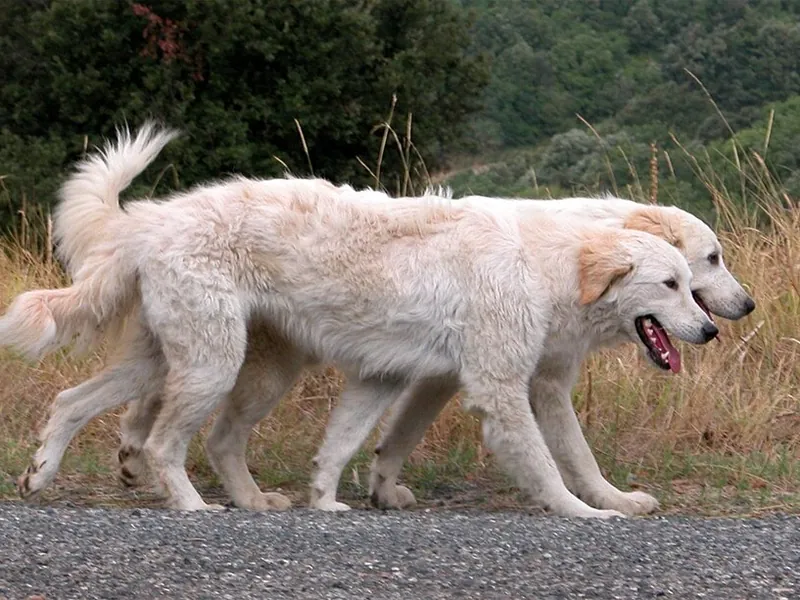
The Cane Corso, Neapolitan Mastiff and Maremma Sheepdog are serious guardian breeds. They need early socialization, confident handling and space, and they are not ideal first dogs.
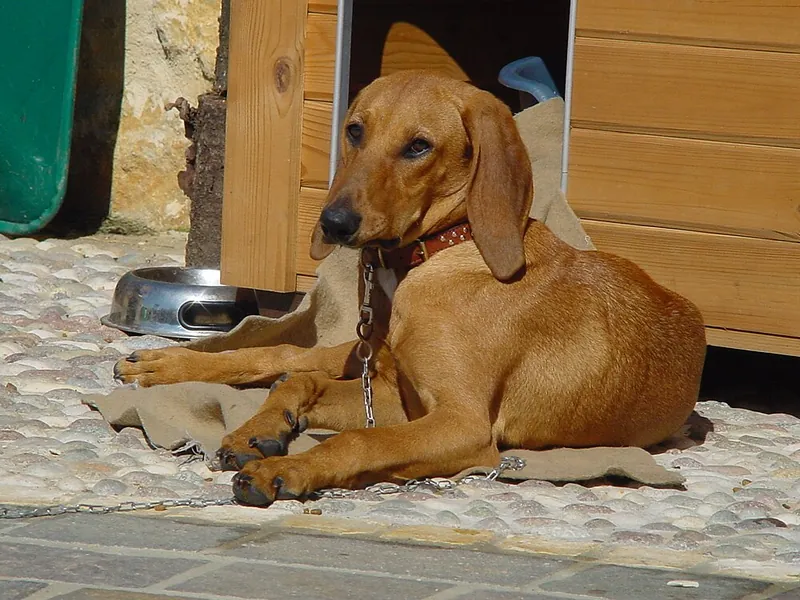
The Maremma Sheepdog in particular is a true working flock guardian. It thinks independently, barks to warn off threats, especially at night, and may wander if not securely fenced. It is happiest guarding animals or land, not as a busy suburban pet. The Segugio Italiano is a friendly scent hound that can be a pleasant family companion, but like all hounds it follows its nose and needs reliable recall work.
Grooming differences
Coats vary dramatically. The Maltese and Bolognese need daily or near-daily brushing, and the Lagotto's curly coat should be clipped regularly to prevent matting. The Bergamasco's felted mats form naturally and need careful management while young. Short-coated breeds like the Cane Corso, Cirneco and Italian Greyhound need only occasional brushing. The Spinone's wiry coat benefits from occasional hand-stripping, and its beard collects water and food, so a quick wipe after meals helps.
Health notes
Large guardians such as the Cane Corso and Neapolitan Mastiff can be prone to hip and elbow dysplasia, and the Neapolitan's deep wrinkles need regular cleaning. Italian Greyhounds have fine, delicate legs and can fracture bones during rough play, especially as young dogs. Small breeds benefit from good dental care. As always, choose breeders who health-test parents.
Frequently Asked Questions
What is the most popular Italian dog breed?
The Cane Corso and Maltese are among the best-known Italian breeds internationally, along with the Italian Greyhound.
Is the Maltese an Italian breed?
The Maltese is an ancient Mediterranean breed, and Italy is recognized as its country of patronage by the FCI.
What Italian dog finds truffles?
The Lagotto Romagnolo is the classic truffle dog, valued for its excellent nose and willingness to work.
Is a Cane Corso a good family dog?
With experienced owners, thorough socialization and training, a Cane Corso can be a devoted family guardian. It is not usually recommended for first-time owners.
What small dog breeds come from Italy?
Small Italian breeds include the Maltese, Bolognese, Italian Greyhound, Volpino Italiano and Cirneco dell'Etna.
Not sure which breed fits you?
Answer 8 quick questions and get breeds ranked for your home, schedule and experience.