Bracco ItalianoItaly's noble, long-eared pointer
The Bracco Italiano is a large, powerful Italian pointing dog with long ears, loose skin and a gentle, people-loving nature. It suits active owners who can satisfy its strong hunting instinct and enjoy a devoted, sometimes clownish companion.
Why people love the Bracco Italiano
- Gentle, affectionate dog that bonds closely with its family
- Excellent versatile gundog for hunting, pointing and retrieving
- Short, dense coat is easy to brush
- Usually friendly with visitors and other dogs
- Clownish, cuddly personality at home
Things to consider
- Strong hunting instinct; may chase cats and small animals
- Needs at least an hour of daily running and sniffing
- Drools, especially after eating and drinking
- Long ears and loose lips need regular cleaning
- Slow to mature and can be stubborn in training
Is this breed right for you?
10 questions · live resultHistory and Origin
The Bracco is one of Europe's oldest pointing breeds, developed in northern Italy, especially Piedmont and Lombardy. Renaissance noble families prized these dogs for hunting birds with nets and later guns.
The breed declined sharply in the late 19th and early 20th centuries, and Italian enthusiasts revived it. It reached the UK in the late 20th century, where it became a popular hunt, point, retrieve gundog. The AKC added the Bracco to the Sporting Group in 2022.
Size, Coat and Colors
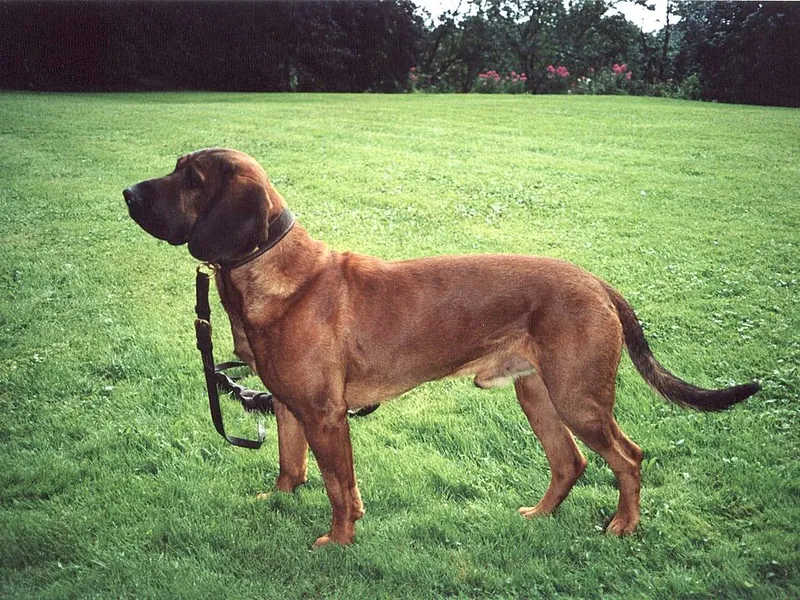
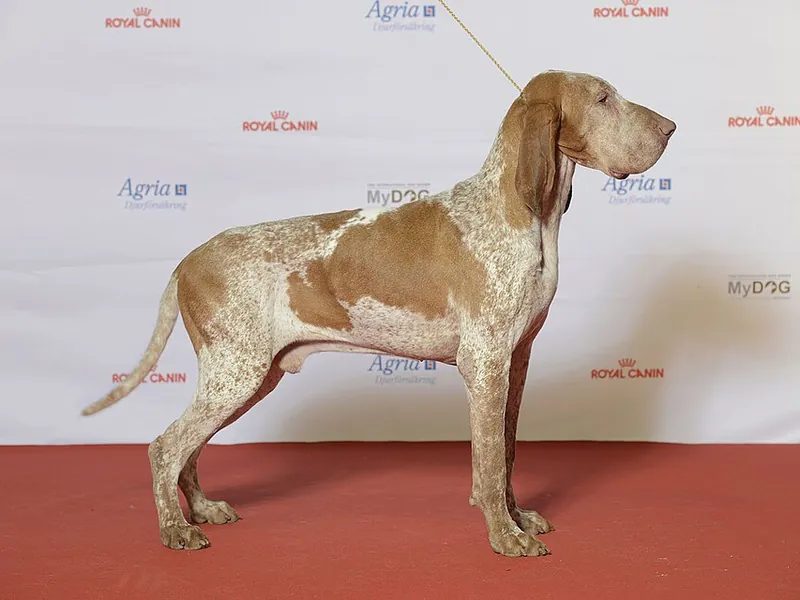
The Bracco Italiano is a large, powerful pointer with a square to slightly rectangular body, a long head with a pronounced brow, loose skin and long, pendulous ears. Adults stand about 22 to 26 inches tall and weigh roughly 55 to 88 lb. Males usually stand 23 to 26 inches and are heavier, with more substance; females are around 22 to 24 inches and more refined.
The skin is loose and elastic, creating a dewlap under the throat and the breed's characteristic soulful expression. The lips are pendulous, which explains the drool.
The coat is short, dense and glossy, finer on the head and ears.
Colors: recognized colors include
- white
- white with orange or amber patches
- white with chestnut patches
- orange roan
- chestnut roan
Light speckling within the white areas is common. A symmetrical facial mask is preferred. Black or tricolor coats are not accepted, and the nose color matches the coat: flesh-colored to pink in orange dogs and brown in chestnut dogs.
Temperament and Personality
Braccos are affectionate, gentle and strongly attached to their families. They are often friendly with visitors and can be clownish at home. They are sensitive dogs that do not respond well to harsh handling.
The hunting instinct is very strong. Braccos may chase cats and small animals, and many will follow scent independently. They usually get along with other dogs.
Braccos are often described as soft and sensitive, and they form close bonds with their owners. Many enjoy cuddling on the sofa after a good run and dislike being left alone for long. They are usually not guard dogs, though most will bark to announce visitors.
Are Bracco Italianos Good for First-Time Owners?
A Bracco can suit a dedicated first-time owner with an active lifestyle, but its hunting instinct and size make it a better match for people with some dog experience.
The breed is gentle and sensitive, so harsh handling backfires, yet it is also strong, scent-driven and slow to mature. New owners need patience with recall training, a plan for daily off-leash running in safe areas and puppy and adolescent classes. Hunters and gundog clubs are valuable sources of support. A first-time owner who loves the outdoors and is prepared for a big, drooling companion can do well.
Can Bracco Italianos Be Left Alone?
Braccos tolerate short absences, but they are people-focused dogs that dislike being left alone for long periods.
An adult that has been exercised well and taught to settle can usually manage about four hours. Longer absences can lead to whining, chewing or counter surfing, since Braccos are tall enough to reach kitchen counters easily. Teach alone time gradually from puppyhood, offer a long-lasting chew and make sure the dog has run and sniffed before you leave. For full workdays, plan for a dog walker or daycare.
Are Bracco Italianos Easy to Train?
Braccos are intelligent and eager to please, but their independence in the field and slow maturity make training a long-term project rather than a quick one.
They respond best to calm, positive training with plenty of rewards, and they shut down if treated harshly. Indoor manners usually come easily. Recall around scent and wildlife is harder, because a Bracco on a trail may tune out its owner. Start recall training in puppyhood, use a long line in open areas and work with a gundog trainer if you plan to hunt. Many Braccos remain distractible until about two years old.
Exercise and Training
A Bracco needs at least an hour of exercise a day, with time to run and use its nose. Hunting, field trials, scent work and long walks suit it well. In the field it moves at a distinctive, extended trot with its head high, scenting the air.
Training should be patient, positive and consistent. Braccos are intelligent and eager to please but can be stubborn. Start recall training early.
Young Braccos grow fast, so avoid forced running and repetitive jumping until growth plates close. Many are slow to mature mentally and may stay playful and easily distracted until two years old. Retrieving games and scent trails are a great way to channel their energy into structured work.
Grooming and Shedding
The short, dense coat is easy to care for with weekly brushing. Shedding is moderate. The long ears and loose lips need attention: clean the ears regularly and wipe the lips to prevent skin irritation. Expect some drool.
Colors include white, white with orange or chestnut patches, and orange or chestnut roan. The pendulous lips can collect food, so wipe after meals to keep skin folds healthy.
Feeding and Nutrition
Braccos grow quickly and are slow to mature, so steady growth in puppyhood is important for joint health. Feed a complete diet formulated for large-breed puppies, keep the puppy lean and avoid adding calcium.
Bloat: the Bracco is a deep-chested breed with an increased risk of gastric dilatation-volvulus. Feed at least two meals a day, avoid hard running for about an hour before and after meals and discourage gulping. Ask your vet whether a preventive gastropexy is appropriate.
Working dogs: a Bracco hunting through the season may need more food than a family companion. Adjust portions to body condition, with ribs easy to feel and a visible waist, and reduce them again in the off-season.
Kidney health: kidney disease is reported in the breed. Regular blood and urine checks help catch problems early. Dietary management, if needed, should be guided by your vet.
The pendulous lips collect food, so wipe them after meals to avoid skin irritation. Braccos are tall enough to reach counters easily, so store food securely. Count training treats in the daily ration.
| Adult weight | Less active | Typical adult | Very active |
|---|---|---|---|
| 55 lb | 1,090 kcal | 1,250 kcal | 1,560 kcal |
| 88 lb | 1,560 kcal | 1,780 kcal | 2,220 kcal |
Estimates use the resting energy formula veterinarians work with (70 × body weight in kg0.75) and standard activity factors. Use the feeding guide on your food as a starting point and adjust to body condition. Puppies, seniors, pregnant animals and pets that need to lose weight have different needs, so ask your vet.
Health and Lifespan
Braccos typically live 10 to 14 years. Health issues include hip and elbow dysplasia, kidney disease, eyelid problems such as entropion and ectropion caused by loose facial skin, and bloat. Some may be sensitive to anesthesia.
Choose breeders who hip and elbow score, screen kidneys and examine eyes.
Regular ear checks are important because the long, heavy ears trap moisture and debris.
Bracco Italiano Price and Cost of Ownership
The Bracco Italiano is still uncommon in the United States, although it gained full AKC recognition in 2022. Prices vary by breeder, region and lines, and many litters are reserved before birth. Some owners import from Italy or the UK, adding transport and paperwork costs. Ask breeders for hip and elbow scores, kidney screening and eye examinations for both parents.
Adoption is uncommon, but breed clubs sometimes rehome adults, and pointer rescues occasionally have Bracco mixes.
Ongoing cost drivers include food for a large, active dog, possible preventive gastropexy, treatment for joint disease or kidney problems and eyelid surgery for entropion or ectropion. Ear infections are common in dogs with long, heavy ears. Hunting owners should also budget for training, equipment and field trial or hunt test fees.
Is the Bracco Italiano Right for You?
A Bracco suits active, outdoorsy owners who want a devoted companion and can manage its hunting instincts. A house with a yard is ideal.
- Good match: hunters, hikers, active families.
- Think twice: homes with cats or small pets, apartments, long days alone.
Because of their size and strength, Braccos benefit from early leash training and puppy classes.
Bracco Italiano Traits at a Glance
Bracco Italiano FAQ
Are Bracco Italianos good family dogs?
Yes, for active families. They are affectionate, gentle and people focused.
How big do Bracco Italianos get?
They stand about 22 to 26 inches tall and weigh roughly 55 to 88 lb.
Do Bracco Italianos drool?
Yes, somewhat. Their loose lips can produce drool, especially after eating or drinking.
How much exercise does a Bracco need?
At least an hour a day, with time to run and use its nose.
Can Bracco Italianos live with cats?
It can be difficult because of their strong prey drive. Early socialization helps, but supervision is needed.
How long do Bracco Italianos live?
Typically 10 to 14 years.