Polish HoundPoland's deep-voiced, steady scenthound
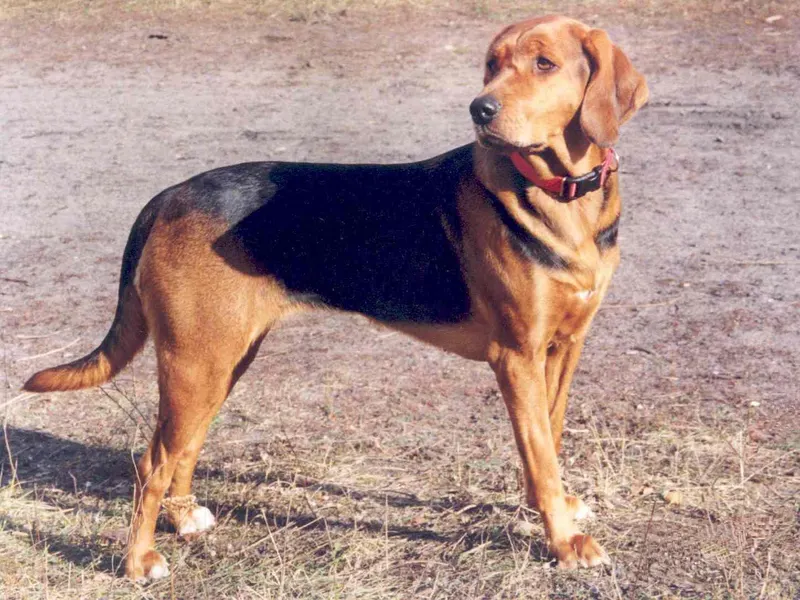
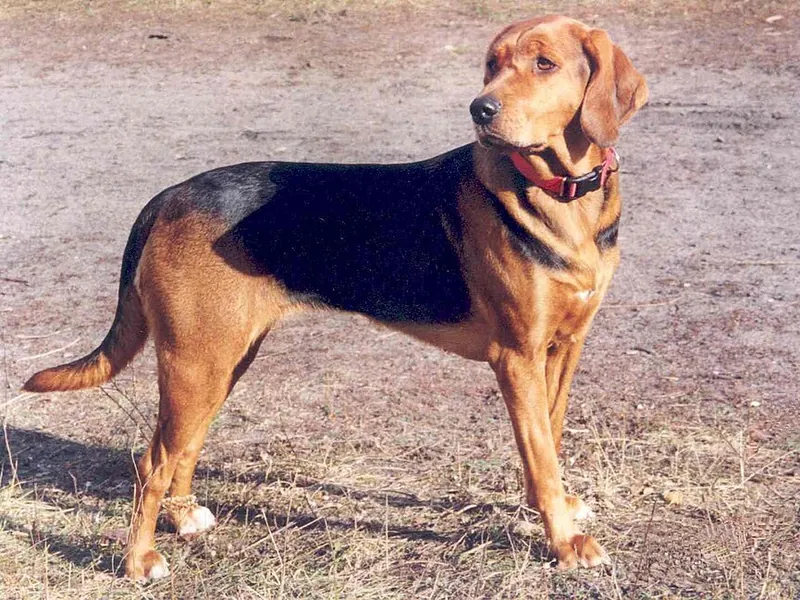
The Polish Hound, or Ogar Polski, is a solid, heavy-boned scenthound with a black saddle and tan body, known for its deep, ringing voice on the trail. It is calm and affectionate at home and a determined tracker outdoors. It suits active owners who enjoy long walks and can manage a hound's nose.
Why people love the Polish Hound
- Calm, balanced and affectionate with family
- Patient with children it is raised with
- Short coat is easy to maintain
- Excellent tracker with a deep, ringing voice
- Friendly rather than suspicious with people
Things to consider
- Scent overrides recall
- Uses its powerful voice readily
- Dislikes long periods alone
- May never be reliable with small pets
- Very rare outside Poland
Is this breed right for you?
10 questions · live resultHistory and Origin
Heavy hounds of this type were used for centuries by Polish nobility and hunters to trail game such as boar, deer and hare through dense forests and hilly country. The dogs worked steadily rather than fast, giving voice so hunters could follow.
The Second World War almost ended the breed. In the postwar decades, Polish enthusiasts, especially Colonel Józef Pawlusiewicz, gathered remaining dogs and rebuilt the population. The FCI recognized the Ogar Polski in the 1960s. It should not be confused with the lighter Polish Hunting Dog (Gończy Polski), a separate breed.
The breed is heavier and slower than many European hounds, with a deep chest, strong bone and long ears. Its voice was valued because hunters could follow it through dense forest.
Size, Build and Colors
The Polish Hound, or Ogar Polski, is a solid, heavy-boned scenthound standing about 22 to 26 inches at the shoulder and weighing roughly 44 to 71 lb. Males are noticeably larger and heavier, with a broader head, while females are slightly smaller and more refined.
The body is longer than tall, with a deep, broad chest and strong legs. The head is heavy with a pronounced stop, loose skin and long, hanging ears. The tail is thick and carried low. The overall look is of power and endurance rather than speed.
The coat is short, dense and close-lying, with a thick undercoat in winter. The typical color pattern is:
- Black or dark saddle over the back
- Tan on the head, legs and underside
Some dogs show a dark brown saddle instead of black. Small white markings on the chest or toes may appear. The coloring helps distinguish it from the lighter, leaner Polish Hunting Dog.
Temperament and Personality
The Ogar Polski is described as calm, balanced and attached to its family. Its breed standard calls it suitable as a family dog, and it is usually friendly rather than suspicious with people.
It remains a hunting hound at heart. Once it follows a track it is persistent and can tune out its owner. It uses its powerful voice readily, which owners in close housing should consider.
With children, it is usually patient when raised with them. Introduce it to cats and small pets carefully, and some individuals may never be trustworthy with them.
Are Polish Hounds Good for First-Time Owners?
Polish Hounds can work for first-time owners who are active and understand hound behavior, but they are not the easiest choice.
Their calm, friendly temperament is a plus. The challenges are a strong nose that overrides commands, a powerful voice and a need for daily exercise. Recall training requires patience and long-line work. First-time owners should plan secure fencing, consistent reward-based training and plenty of scent work. The breed is very rare outside Poland, so finding a puppy and support may also be difficult.
Are Polish Hounds Good with Cats?
Some Polish Hounds live with cats they are raised with, but many are never fully reliable with small animals.
As a hunting hound, the Ogar Polski has a strong instinct to follow and chase game. A puppy that grows up with a household cat may learn to accept it, but adults without cat experience may chase. Introductions should be gradual and supervised, and the cat needs high escape routes. Small pets such as rabbits, guinea pigs and birds should always be kept separate.
Can a Polish Hound Live in an Apartment?
Polish Hounds are better suited to houses with a yard than to apartments.
Indoors, they are calm and relaxed when exercised, but their deep, powerful voice can disturb neighbors, especially if they are bored or left alone. They need an hour or more of daily activity, including long walks and scent work. A rural or suburban home with a fenced yard and access to forests or fields is ideal. If apartment living is unavoidable, owners must commit to long daily outings and noise management.
Exercise and Training
Daily exercise of an hour or more keeps a Polish Hound content. Long walks on varied terrain, tracking and mantrailing suit it well.
- Keep it leashed or in fenced areas; scent will override recall.
- It is intelligent and trainable with consistent, reward-based methods.
- Give it time to sniff on walks, since this is mentally tiring for a scenthound.
- Avoid leaving it alone for long periods, which can lead to howling.
Grooming and Shedding
The short, dense coat is easy to care for with a weekly brush and occasional bath. Check the long, hanging ears weekly for dirt and moisture. Trim nails and inspect paws after forest walks.
Shedding is moderate. Brush more often in spring when the winter coat comes out.
Feeding and Nutrition
Polish Hounds are heavy-boned and can gain weight easily if their exercise drops. Extra weight strains joints and reduces stamina. Check body condition regularly: you should feel the ribs under a light layer of fat and see a waist.
The breed is deep-chested, so take steps to reduce bloat risk:
- Feed two meals a day rather than one large meal.
- Avoid vigorous exercise for about an hour before and after meals.
- Use a slow-feeder bowl for dogs that gulp food.
Puppies should eat a complete puppy food suited to large breeds, supporting steady growth without excess calcium.
Long, hanging ears can dip into food and water bowls, so a narrow, deep bowl helps keep them clean. Like many hounds, Polish Hounds are food-motivated, so secure bins and counters and count training treats in the daily ration.
| Adult weight | Less active | Typical adult | Very active |
|---|---|---|---|
| 44 lb | 930 kcal | 1,060 kcal | 1,320 kcal |
| 58 lb | 1,140 kcal | 1,300 kcal | 1,630 kcal |
| 71 lb | 1,320 kcal | 1,510 kcal | 1,890 kcal |
Estimates use the resting energy formula veterinarians work with (70 × body weight in kg0.75) and standard activity factors. Use the feeding guide on your food as a starting point and adjust to body condition. Puppies, seniors, pregnant animals and pets that need to lose weight have different needs, so ask your vet.
Health and Lifespan
There is little published data on breed-specific diseases, and the breed is generally regarded as hardy. Typical lifespan is about 13 to 14 years.
As with any medium-to-large hound, ask breeders about hip screening, keep the dog lean, and clean ears regularly to prevent infections.
Polish Hound Price and Cost of Ownership
Polish Hounds are very rare in the US, and most puppies come from breeders in Poland. Anyone seeking one should expect to import, adding travel, vaccinations and paperwork costs. Prices vary by breeder, region and lines.
Rescue placements in the US are extremely unlikely.
Breed-specific ongoing costs include:
- Import fees if buying from Poland.
- Secure fencing for a scent-driven hound.
- Ear cleaning supplies for long, hanging ears.
- Pet insurance for joint problems and bloat.
- Tracking or mantrailing classes.
Food costs are moderate for a dog of 44 to 71 lb.
Ask breeders about hip screening and how the parents behave at home, not only in the field.
Is the Polish Hound Right for You?
The Ogar Polski suits rural or suburban homes with secure gardens, and owners who hike, hunt or want a steady walking companion. It is calmer indoors than many hounds when exercised.
It is not well suited to apartments or neighbors sensitive to noise. Puppies are rare outside Poland, so contact the breed club there.
Expect a dog that is laid-back indoors, devoted to its people and passionate about scent when outside.
Polish Hound Traits at a Glance
Polish Hound FAQ
How big do Polish Hounds get?
They stand about 22 to 26 inches tall and weigh roughly 44 to 71 pounds.
Is the Polish Hound a good family dog?
It is usually calm and affectionate with family, and its standard describes it as suitable for family life, though it needs exercise and secure fencing.
Is the Ogar Polski the same as the Polish Hunting Dog?
No. The Polish Hunting Dog (Gończy Polski) is a lighter, separate breed.
Do Polish Hounds bark a lot?
They are vocal, with a deep voice used especially when tracking.
How long do Polish Hounds live?
Around 13 to 14 years.
How much exercise does a Polish Hound need?
At least an hour daily, with long walks and opportunities to use its nose.