OtterhoundA rare, shaggy hound with a booming voice
The Otterhound is a large, rough-coated scenthound originally bred to hunt otters in English rivers. Friendly, boisterous and good-natured, it suits active owners with space who enjoy a big, loud and lovable dog.
Why people love the Otterhound
- Friendly and good-natured with people and dogs
- Loves water and swimming
- Weatherproof shaggy coat suited to outdoor life
- Funny, curious personality
- Rare breed with a devoted owner community
Things to consider
- Very hard to find a puppy in the US
- Loud, booming bay
- Independent nose makes recall unreliable
- Large, boisterous and slow to mature
- Wet beard and muddy feet bring dirt indoors
Is this breed right for you?
10 questions · live resultHistory and Origin
Packs of hounds hunted otters in Britain for centuries, as otters were considered a threat to fish stocks. The Otterhound developed to track otters along riverbanks and in water, aided by a powerful nose, webbed feet and a waterproof coat.
Otter hunting was banned in England and Wales in 1978 after otter populations declined. Without a working role, the breed's numbers dropped dramatically. Today the Otterhound is among the rarest British breeds and appears on The Kennel Club's list of vulnerable native breeds. The AKC recognized it in 1909.
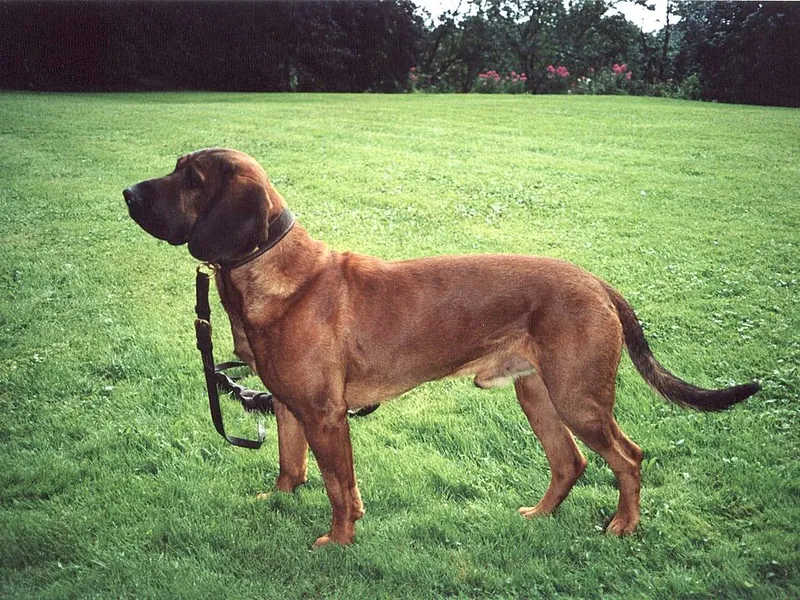
The modern breed shows influences of old French and English hounds, and some historians link it to the Griffon Vendéen and Bloodhound. Its rough, oily coat and large webbed feet let it work for hours in cold water, swimming against currents while following an otter's scent trail, known as the drag.
Size, Coat and Colors
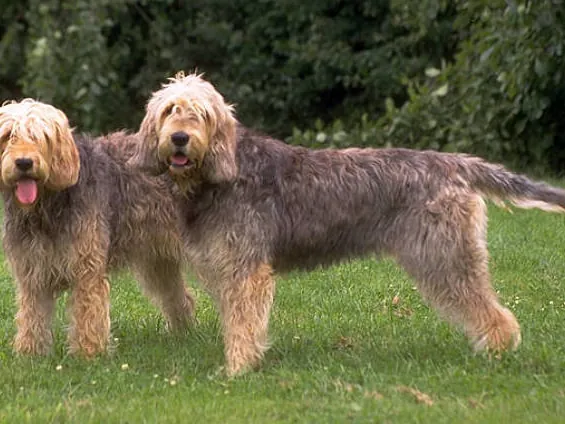
The Otterhound is a large, rough-coated scent hound standing about 24 to 27 inches at the shoulder and weighing roughly 79 to 115 lb. Males are noticeably bigger, at around 27 inches and up to about 115 lb, while females are about 24 inches and closer to 80 lb. The body is strong and long-striding, with a deep chest, big webbed feet and a large head with long, folded, pendant ears.
The coat is the breed's trademark: a rough, coarse, dense outer coat about 2 to 6 inches long over a soft, wooly, slightly oily undercoat that is water resistant. The head has a natural beard and mustache, and the coat should look untrimmed and shaggy.
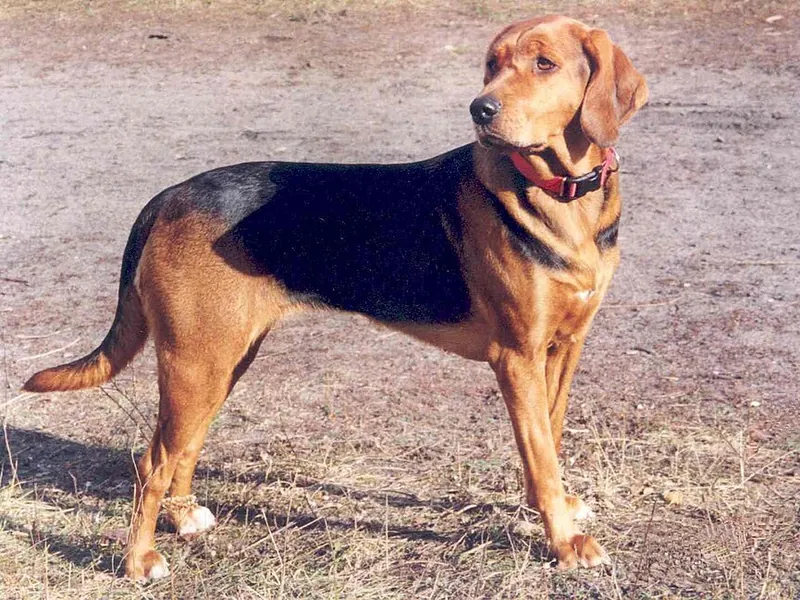
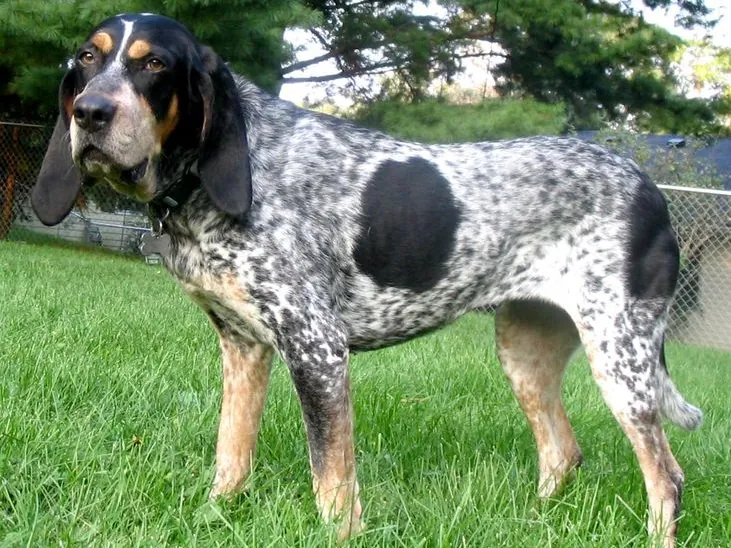
Any color or combination of colors is allowed. Common looks include grizzle, black and tan, wheaten, liver and tan, and tan with a black saddle. A dark nose is preferred, but its color matches the coat.
Temperament and Personality
Otterhounds are friendly, cheerful and affectionate. They are usually good with children and other dogs, a legacy of pack life. They can be boisterous and clumsy, so supervision around small kids is wise.
They are independent and follow their noses. Their deep, booming bay carries a long way, which may not suit close neighbors.
Many owners describe Otterhounds as having a sense of humor. They are curious, love to investigate smells around the house and garden and can be surprisingly clever at reaching food left on counters. They mature slowly and stay puppyish for two years or more.
Is the Otterhound Good for First-Time Owners?
An Otterhound can suit a first-time owner with plenty of space and patience, but it is a lot of dog. Its easygoing, friendly temperament is forgiving, but its size, voice, independence and messiness challenge inexperienced handlers.
Novices should expect a puppy that stays boisterous and clumsy for about two years, a nose that overrides recall, and a deep bay that neighbors will hear. Leash training needs to start early, and fencing must be tall and secure. Because the breed is rare, you will likely need to work closely with one of the few breeders and the national breed club, which also means good mentoring is available for owners willing to learn.
Are Otterhounds Easy to Train?
Otterhounds are intelligent but independent, and most owners describe training as a long, patient process. They were bred to work a scent trail with a pack, deciding for themselves where to go, so they do not naturally look to a handler for direction.
What helps:
- Food rewards and play rather than repetition or pressure, since they are sensitive to harsh handling.
- Short sessions with variety.
- Recall work on a long line, never trusted in open country.
- Scent games, tracking and swimming as outlets that the dog finds rewarding.
Basic manners are achievable, but formal obedience competitions are rarely an Otterhound's strength.
Are Otterhounds Good with Cats?
Many Otterhounds can live with cats, especially if raised with them. As pack hounds, they are generally sociable, and their hunting style is to trail a scent rather than to sprint after anything that moves.
Individual dogs vary, though, and a large, playful hound can still frighten or injure a cat by accident. Outdoor cats and other small animals may trigger chasing on walks or in the yard. For a smooth start:
- Introduce a puppy to a calm, dog-savvy cat.
- Use gates and leashes during early meetings.
- Give the cat high perches and a dog-free room.
Pet rabbits, rodents and birds should be kept fully out of reach.
Exercise and Training
Otterhounds need daily exercise of at least an hour, with time to sniff and explore. They love swimming. Tracking and scent work are excellent outlets.
Training requires patience and consistency. Otterhounds are intelligent but independent and sensitive to harsh handling. Recall is challenging, so keep them on a leash or in fenced areas.
Water is a natural outlet: most Otterhounds love to swim and will happily wade through every stream and pond on a walk. Make sure fences are high and secure, as a bored Otterhound can climb or dig. Avoid heavy exercise right after meals because of the bloat risk.
Grooming and Shedding
The rough, dense double coat is oily and water resistant. Brush weekly to prevent mats, and clean the beard regularly. Shedding is moderate. The large ears need regular cleaning.
The coat should look natural and somewhat shaggy, never trimmed into shape. Pay attention to the beard, which collects food and water, and to the feet, where mud and debris build up between the large pads. Many have a natural hound smell; occasional baths help, but too many strip the protective oils.
Feeding and Nutrition
Otterhounds are large, deep-chested dogs, so bloat prevention shapes the routine. Feed two or three meals a day, avoid exercise and swimming in the hour around meals, and use a slow-feeder bowl for gulpers. Ask your vet about a preventive gastropexy.
Puppies grow quickly into heavy-boned adults. Raise them on a diet formulated for large-breed growth and keep them lean, since hip dysplasia is reported in the breed and fast growth adds strain to developing joints.
- Otterhounds are clever food thieves with a strong nose. Store food securely and keep counters clear.
- Active dogs that swim and hike often need more food in busy seasons and less in quiet ones.
- The beard soaks up food and water. Wipe or rinse it after meals to prevent odor and skin irritation.
- Count training treats in the daily ration.
| Adult weight | Less active | Typical adult | Very active |
|---|---|---|---|
| 79 lb | 1,440 kcal | 1,640 kcal | 2,050 kcal |
| 115 lb | 1,900 kcal | 2,170 kcal | 2,720 kcal |
Estimates use the resting energy formula veterinarians work with (70 × body weight in kg0.75) and standard activity factors. Use the feeding guide on your food as a starting point and adjust to body condition. Puppies, seniors, pregnant animals and pets that need to lose weight have different needs, so ask your vet.
Health and Lifespan
Otterhounds typically live 10 to 13 years. Health concerns include hip dysplasia, epilepsy, bloat and Glanzmann thrombasthenia, an inherited bleeding disorder for which a DNA test is available.
Choose breeders who screen hips and DNA test.
Otterhound Price and Cost of Ownership
Otterhounds are one of the rarest AKC breeds, with only a handful of litters born in the US in a typical year. Because so few puppies are sold, there is no reliable published price range. Expect to join a waiting list, possibly for a year or longer, and to pay a price similar to or above other large, uncommon hounds. Prices vary by breeder, region and lines, and imports from the UK or Europe add travel costs.
The Otterhound Club of America can point you to breeders and occasional adult dogs needing new homes.
Ongoing cost drivers include food and gear for a dog of up to about 115 lb, tall secure fencing, grooming help to keep the shaggy coat free of mats, ear care for a swimming dog, and insurance or savings for bloat surgery and hip problems.
Is the Otterhound Right for You?
An Otterhound suits active owners with a house and yard who enjoy a big, friendly, independent dog. It is not ideal for apartments or noise-sensitive neighbors.
- Good match: active families, rural homes, people who love water and outdoor activities.
- Think twice: apartments, owners wanting a tidy or quiet dog.
Otterhound Traits at a Glance
Otterhound FAQ
Are Otterhounds good family dogs?
Yes. They are friendly and good with children, but can be boisterous.
How big do Otterhounds get?
They stand about 24 to 27 inches tall and weigh roughly 79 to 115 lb.
Do Otterhounds shed?
Moderately. Weekly brushing keeps the rough coat in good condition.
Are Otterhounds rare?
Yes. The Kennel Club lists the Otterhound as a vulnerable native breed.
Do Otterhounds bark a lot?
They have a loud, booming bay and can be vocal.
How long do Otterhounds live?
Typically 10 to 13 years.
Do Otterhounds like water?
Yes. They were bred to swim and track otters in rivers, and most love water, mud and swimming.