Giant Dog BreedsThe biggest dogs and what living with them takes
Giant dog breeds are the heavyweights of the dog world: breeds that typically reach well over 100 pounds or stand around 30 inches at the shoulder. This guide helps you compare the biggest dog breeds honestly, including the space, budget and health planning they demand.
Top 10 Giant Dog Breeds
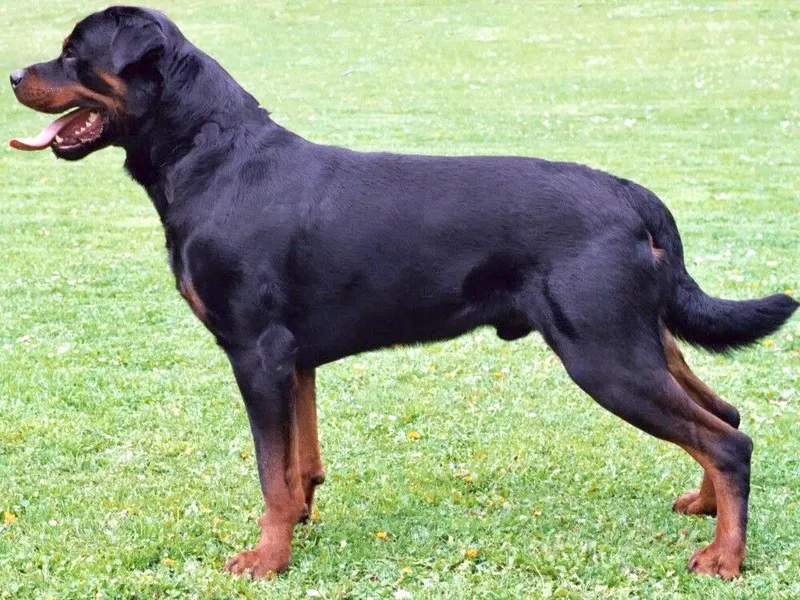
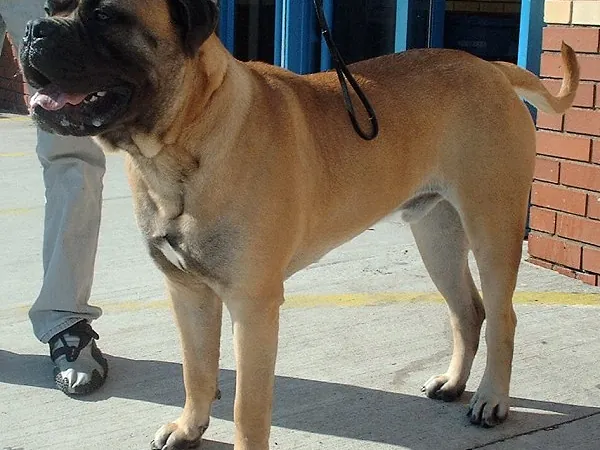
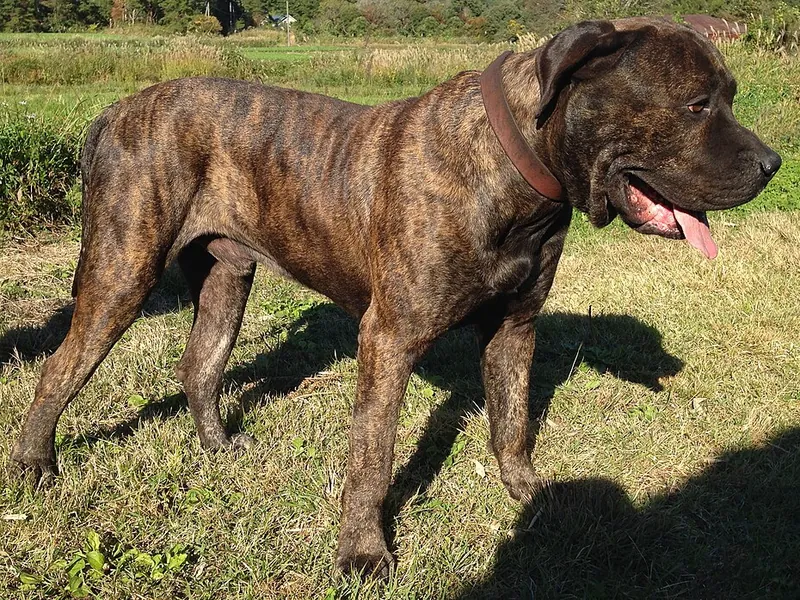
A powerful, heavily muscled guardian at the top end of large, devoted to its family and in need of firm, consistent training.
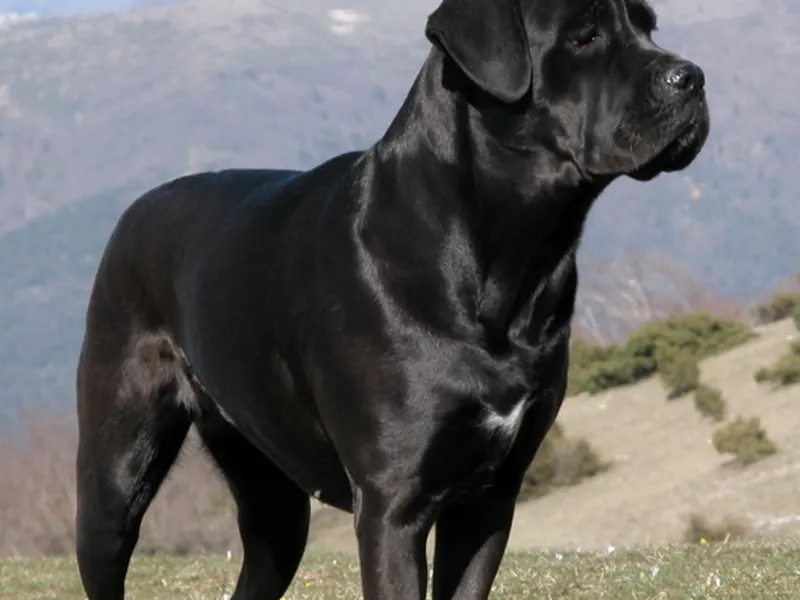
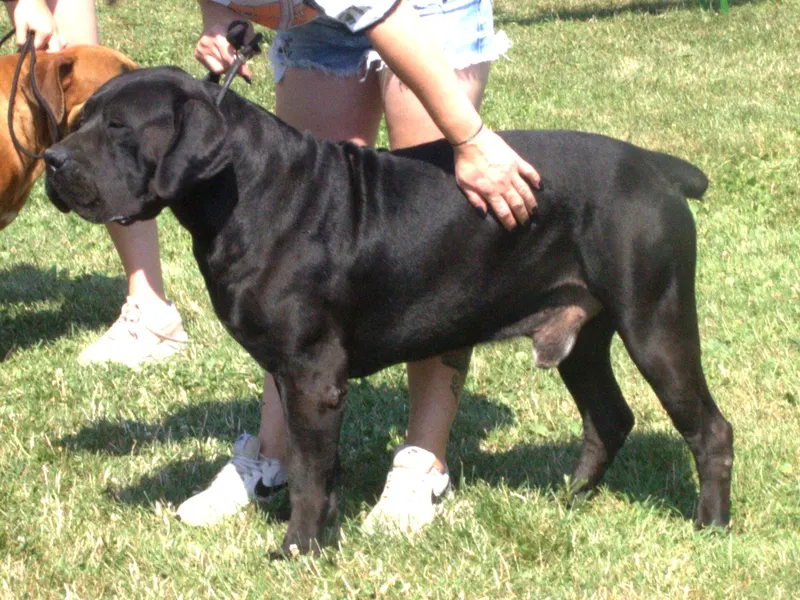
The Cane Corso is a large Italian mastiff bred to guard farms, handle livestock and help hunt wild boar.
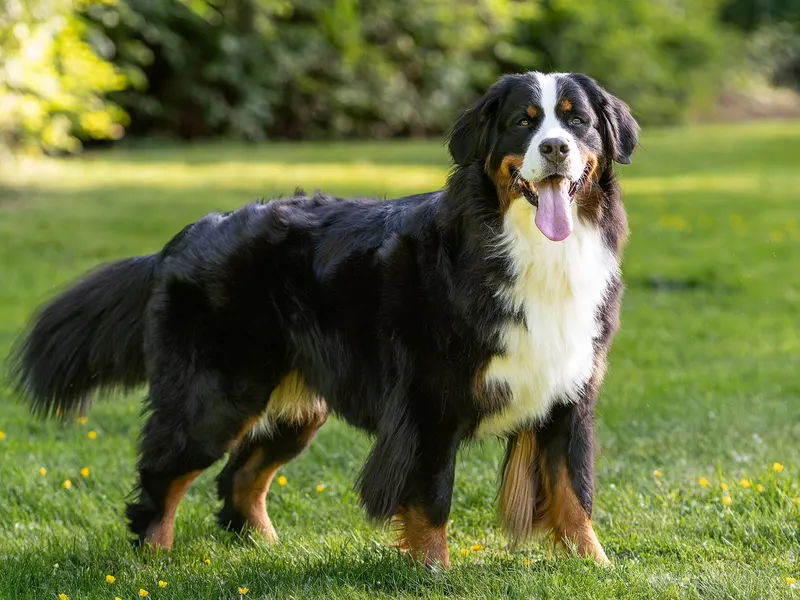
The Bernese Mountain Dog worked on farms in the Swiss canton of Bern, pulling carts and watching over property.
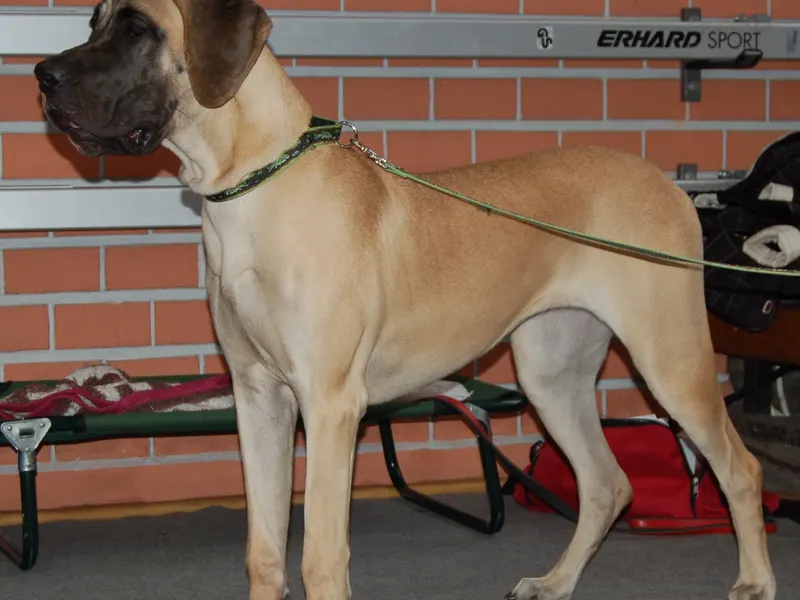
Among the tallest breeds of all, the Great Dane pairs enormous height with a famously gentle, people-loving nature.
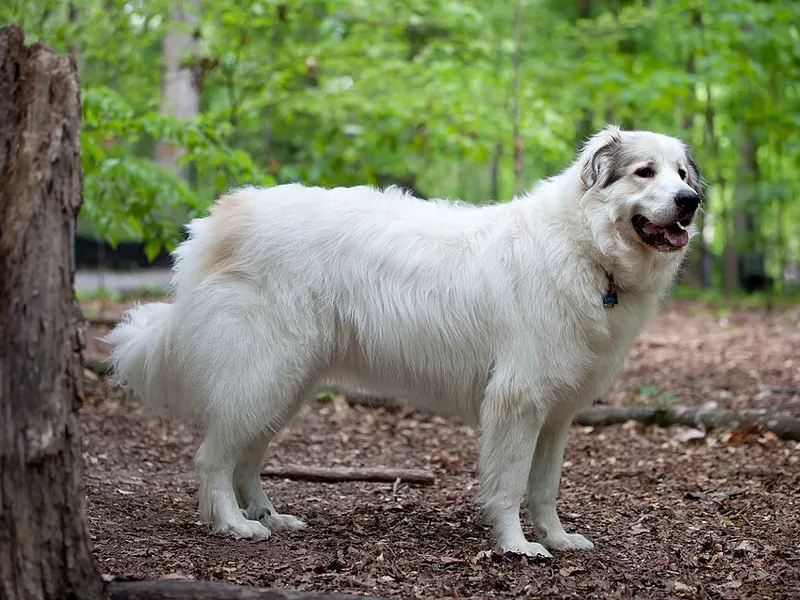
A calm, thick-coated livestock guardian bred to protect flocks in the mountains, independent but deeply loyal to its people.
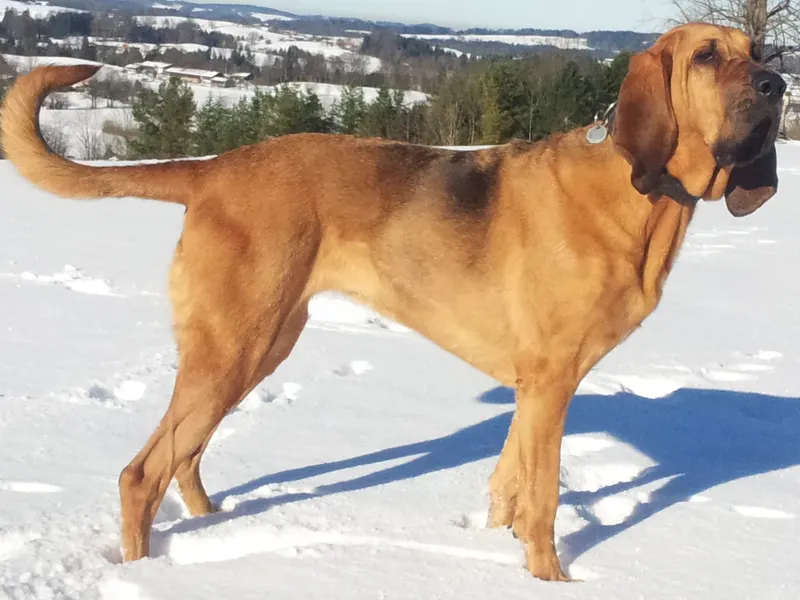
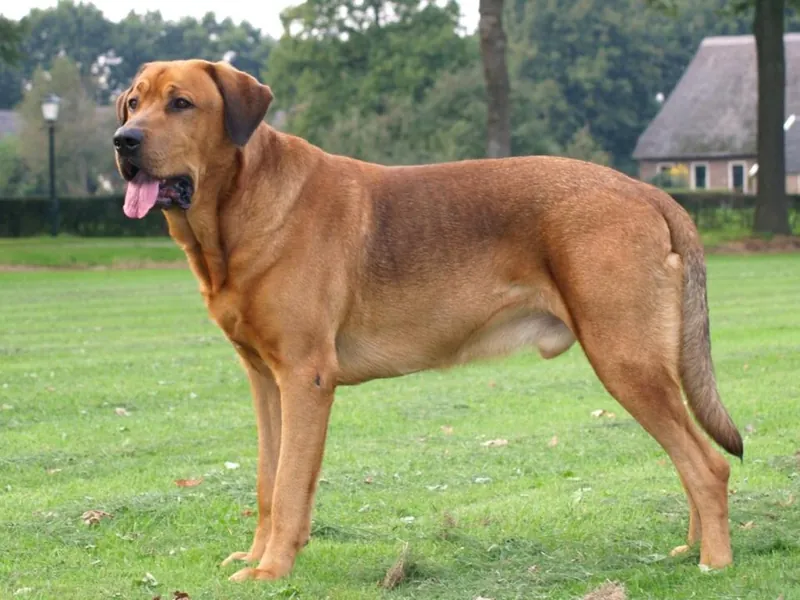
A big, heavy-boned scent hound with legendary tracking ability, a gentle temperament and plenty of loose skin and drool.
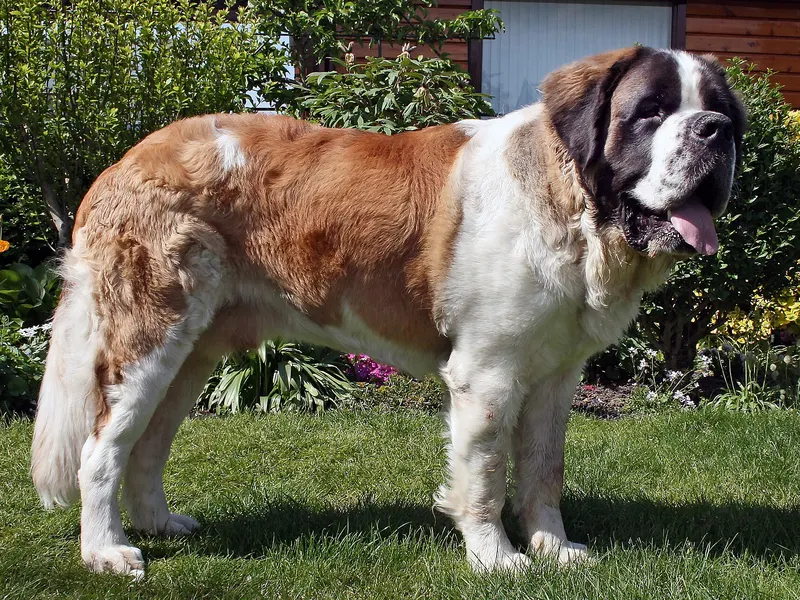
The classic Alpine rescue dog: massive, patient and good-natured, with a coat that needs regular brushing.
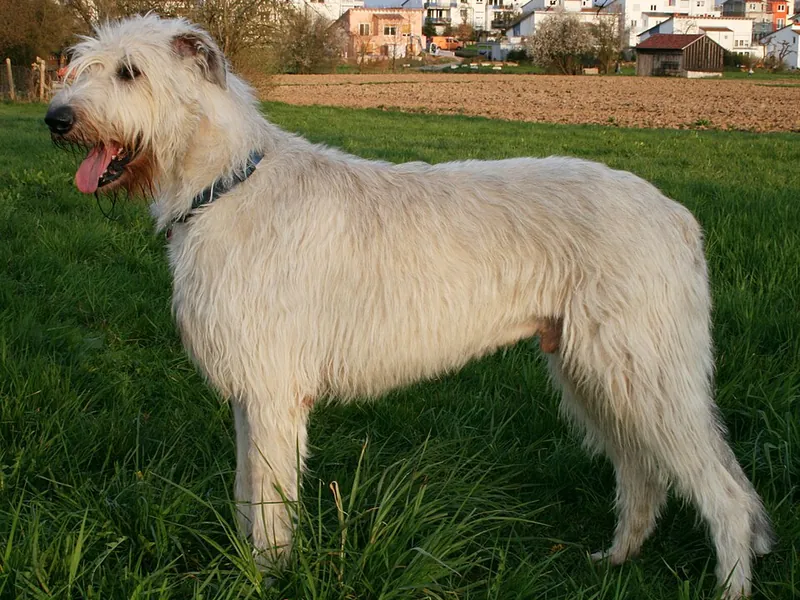
The Irish Wolfhound is the tallest of all dog breeds, an ancient coursing hound once used to hunt wolves and elk.
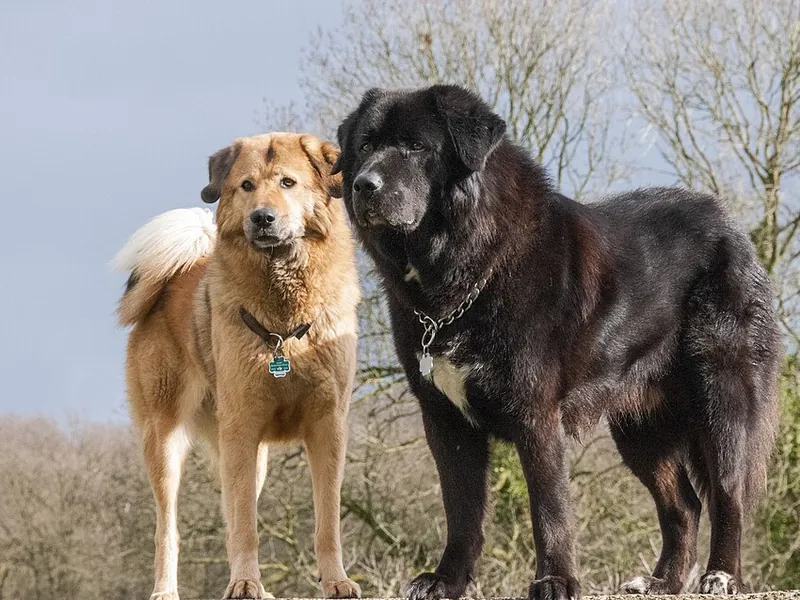
An ancient Himalayan guardian with a dense mane-like coat, strong independence and a protective instinct toward home.
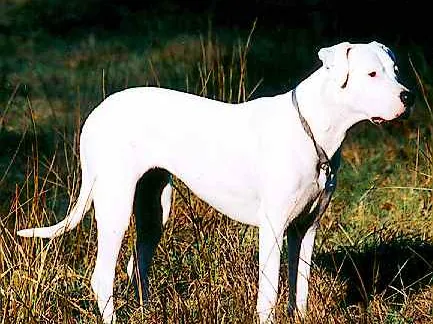
The Dogo Argentino is a powerful, all-white hunting dog from Argentina, bred to track and hold wild boar and puma.
All Giant Dog Breeds A to Z
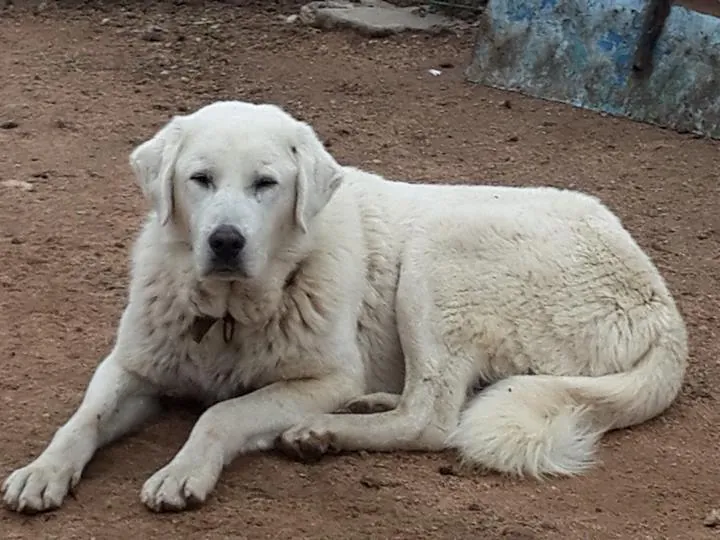
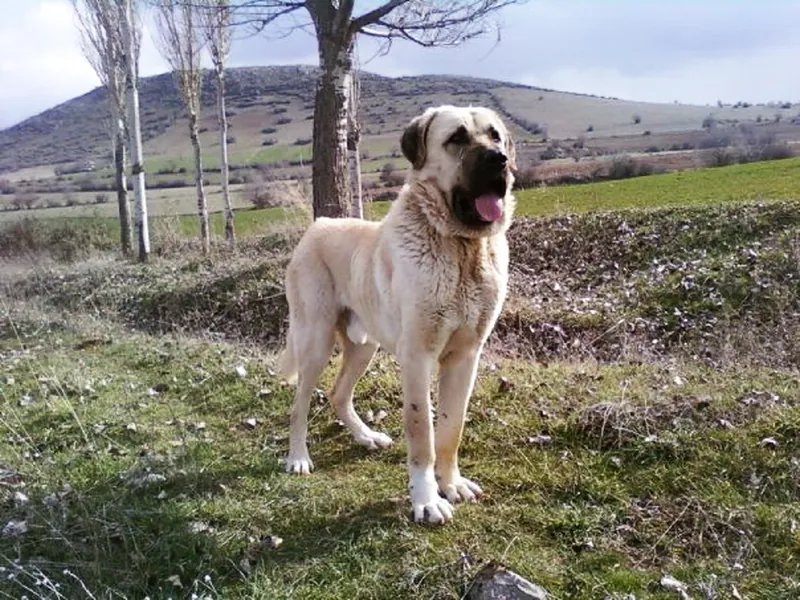
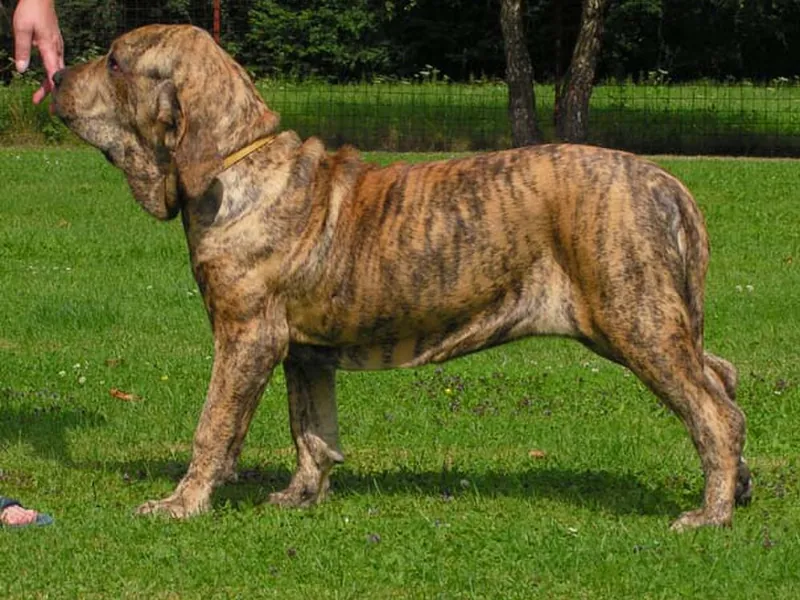
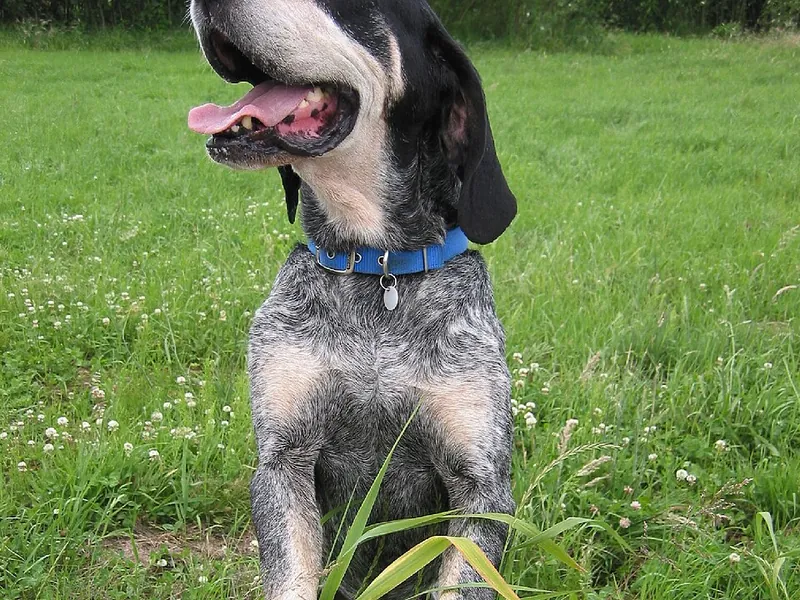
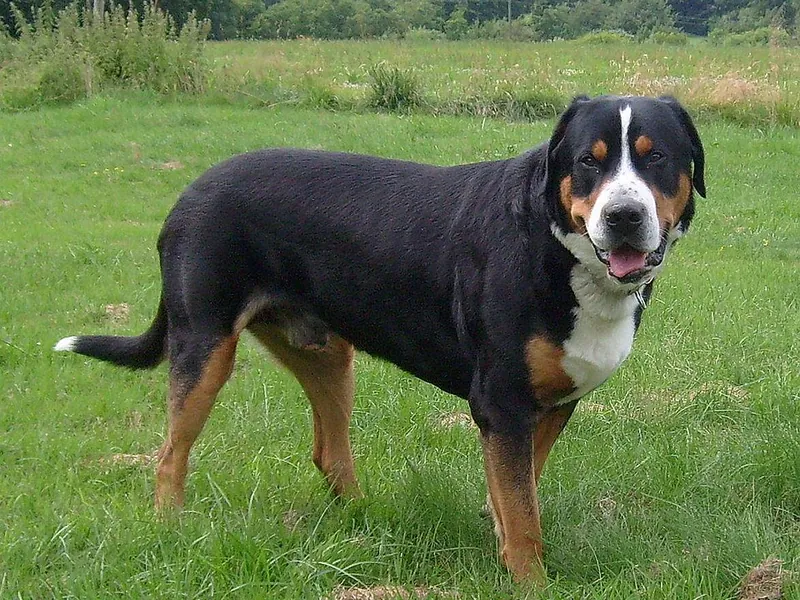
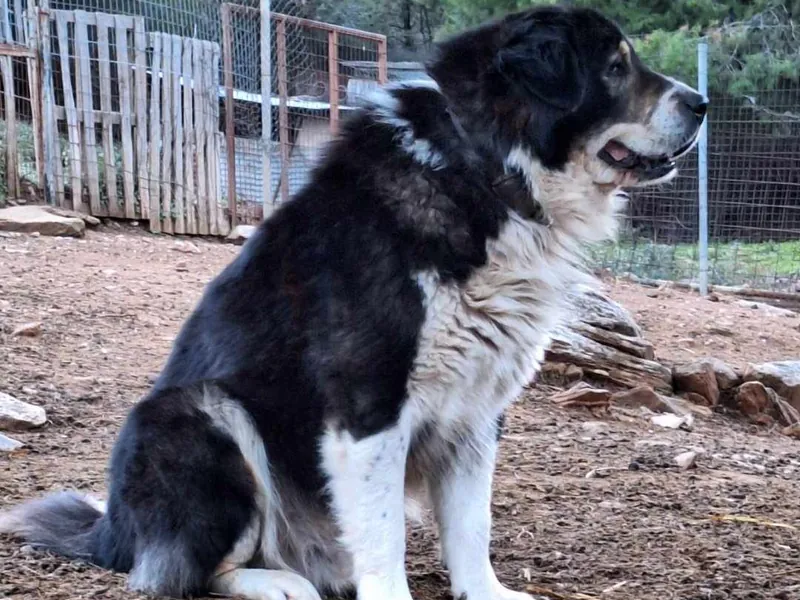
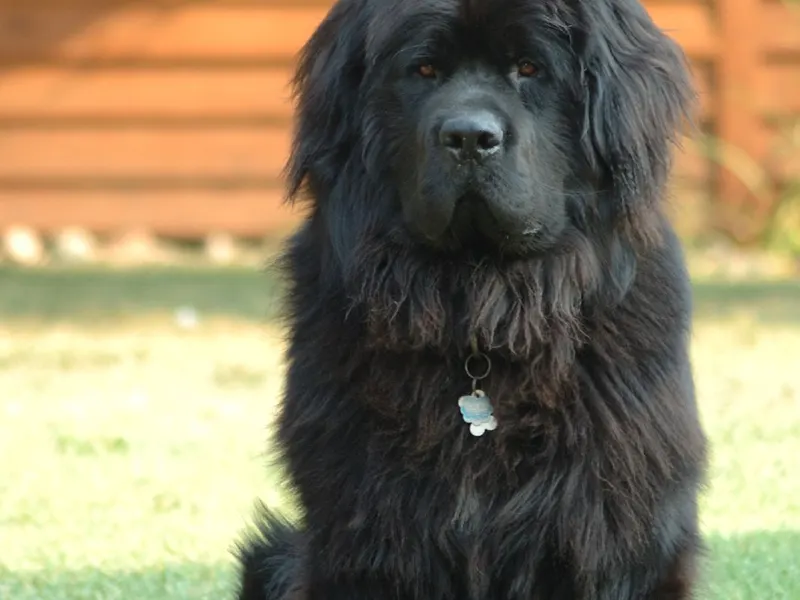
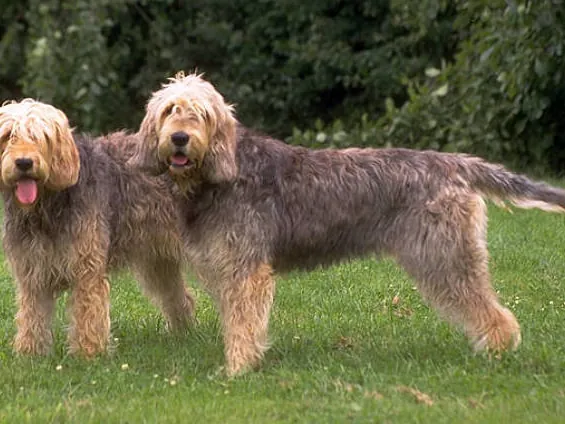
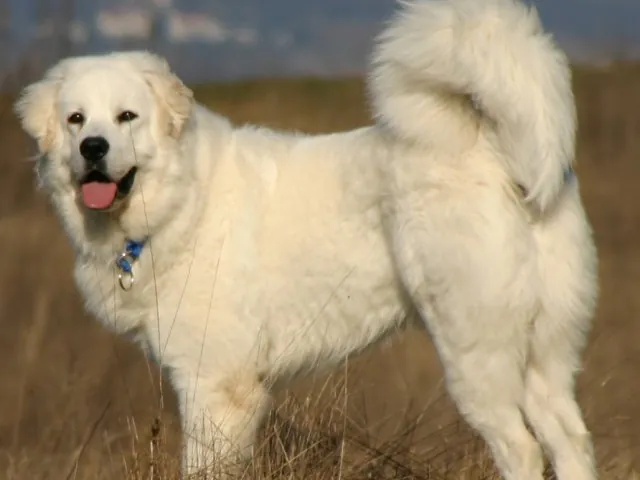
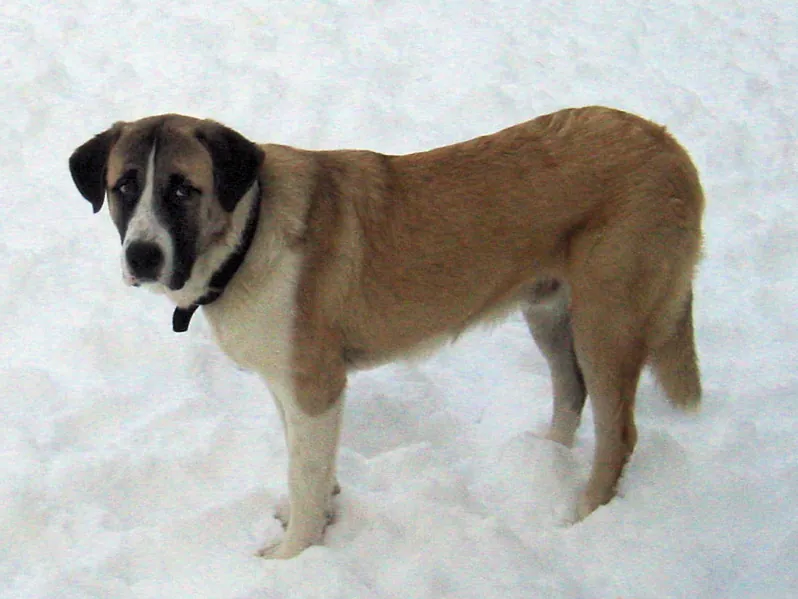
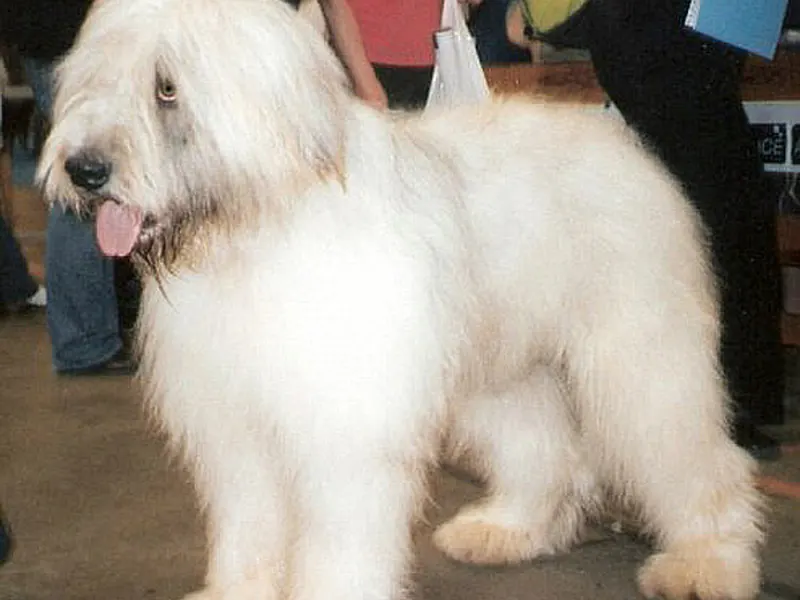
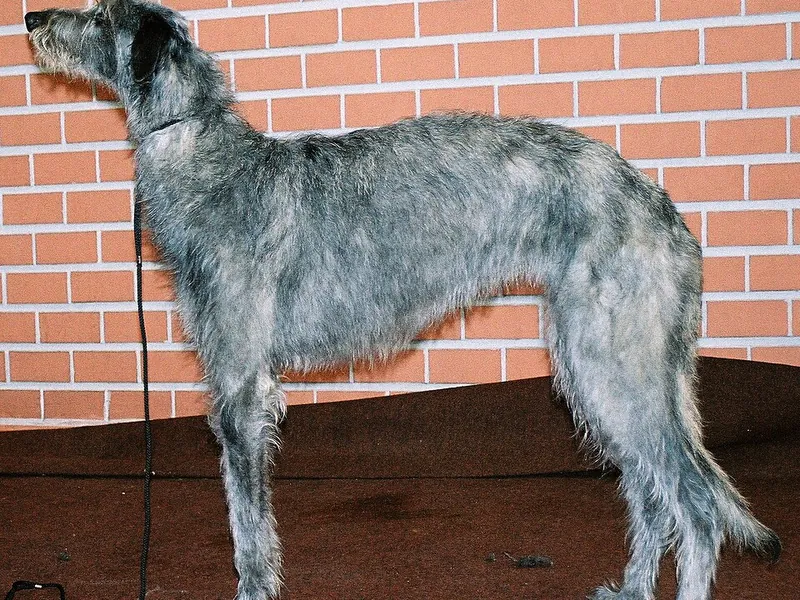
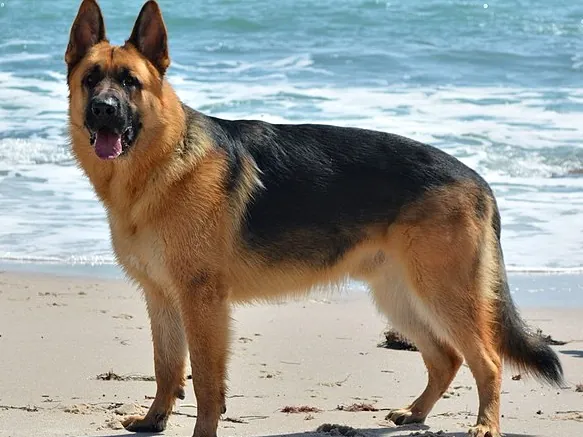
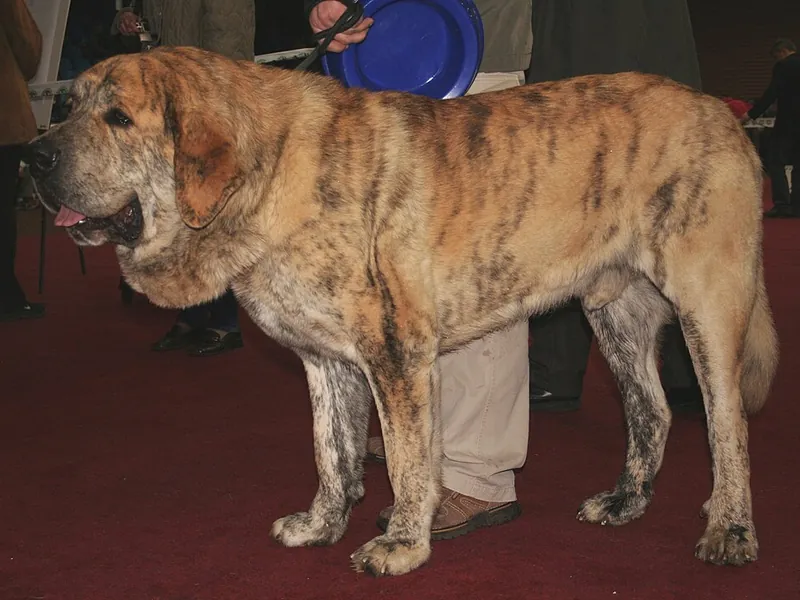
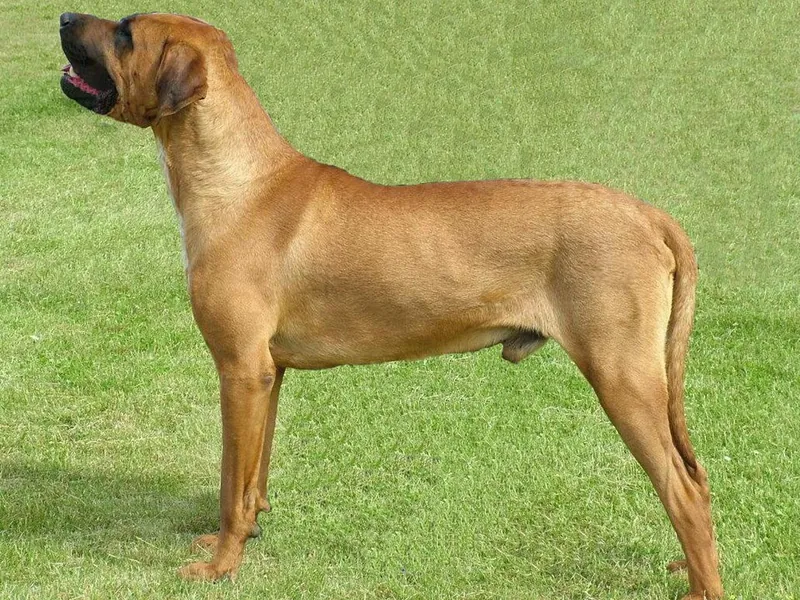
What counts as a giant dog breed
There is no single official cutoff, but most breeders and vets call a breed giant when adults commonly weigh more than about 100 pounds (45 kg) or stand roughly 28 to 30 inches tall or more. Some breeds on this list, such as the Rottweiler and Bloodhound, sit at the upper edge of large and are included because males often reach giant proportions.
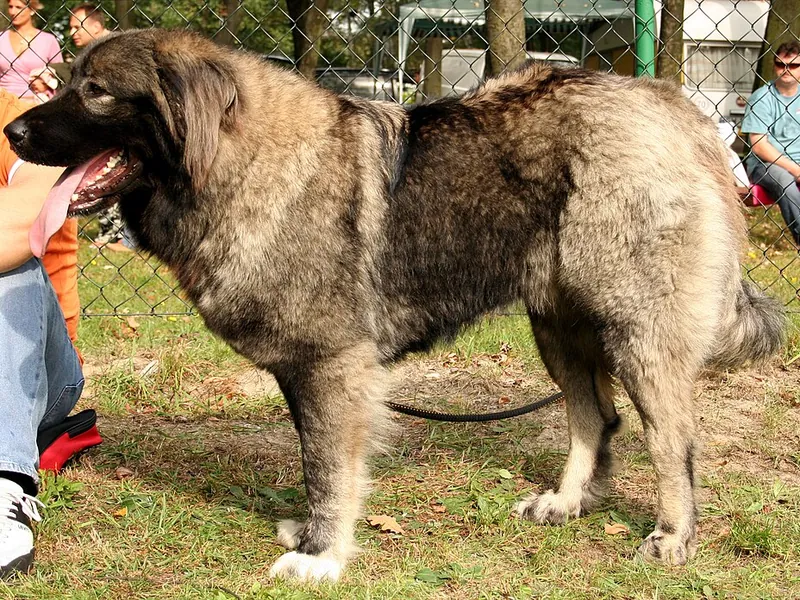
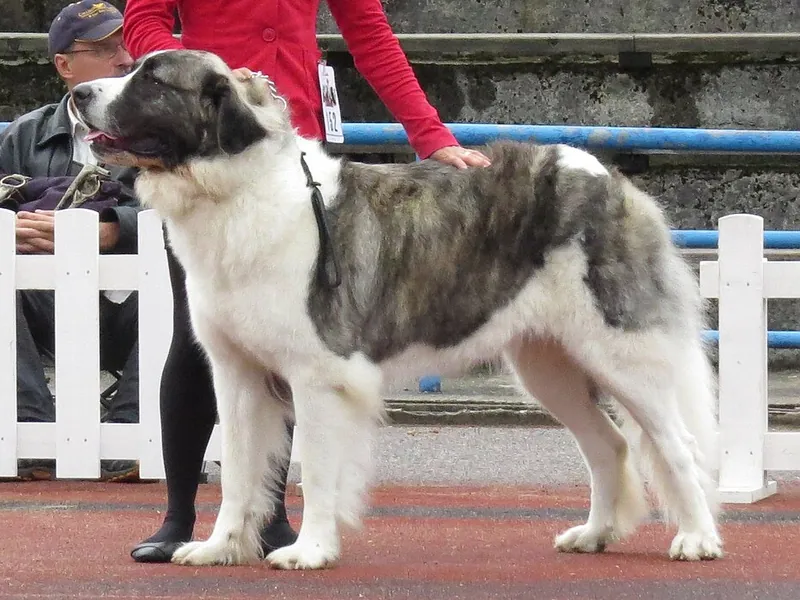
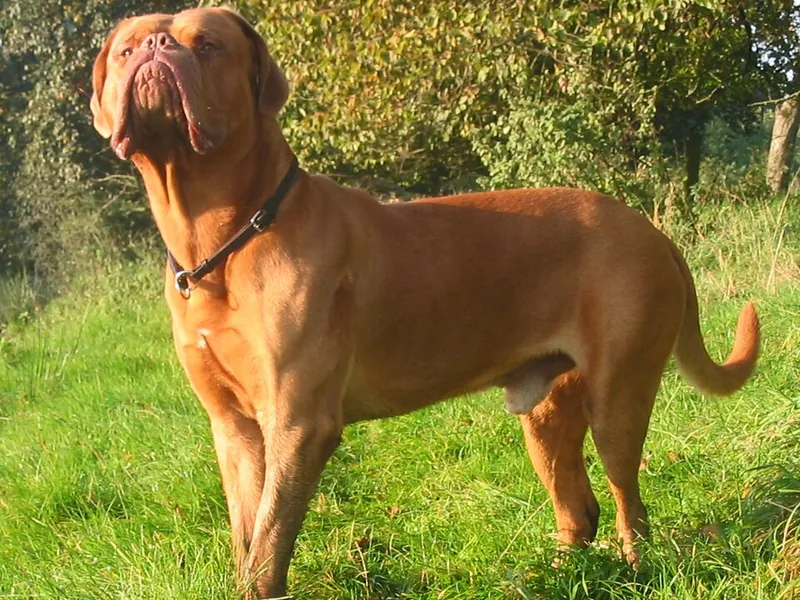
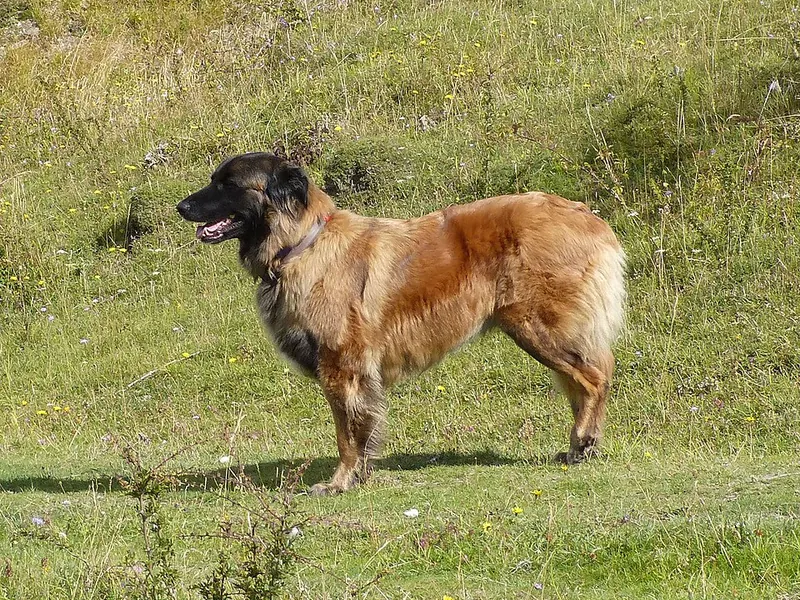
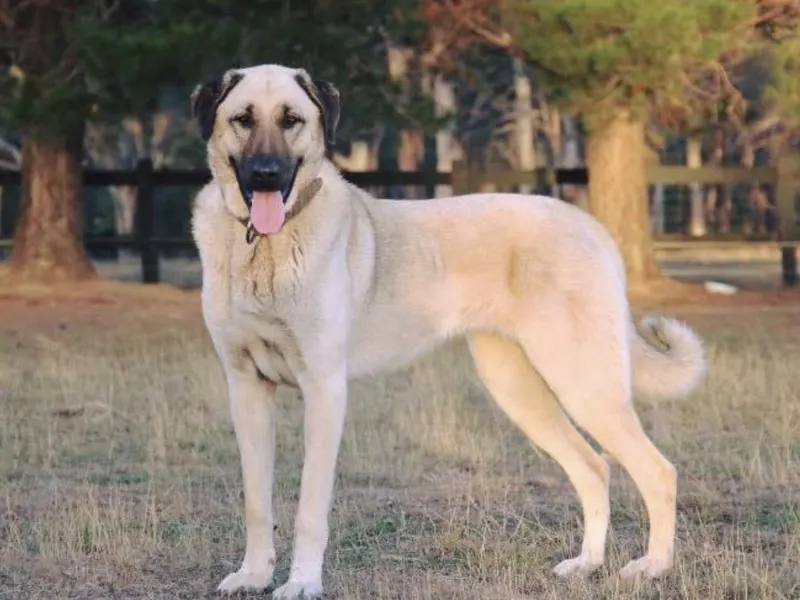
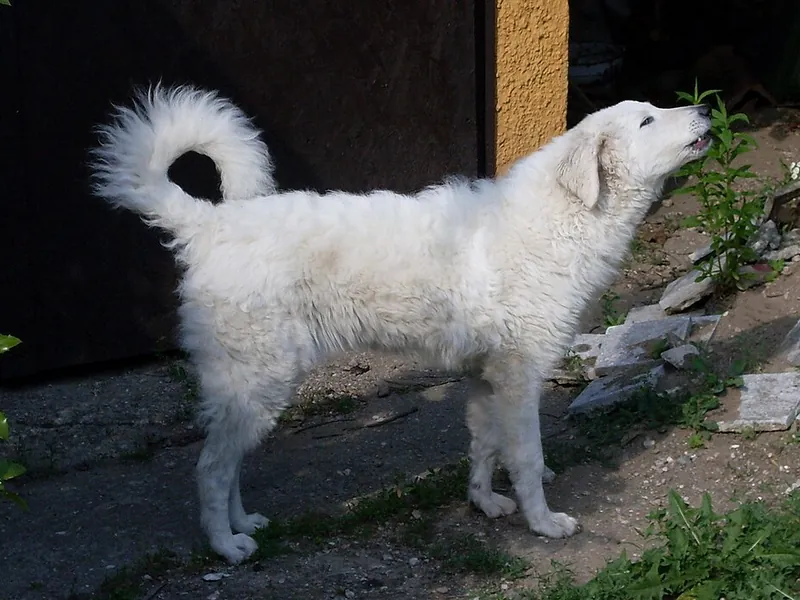
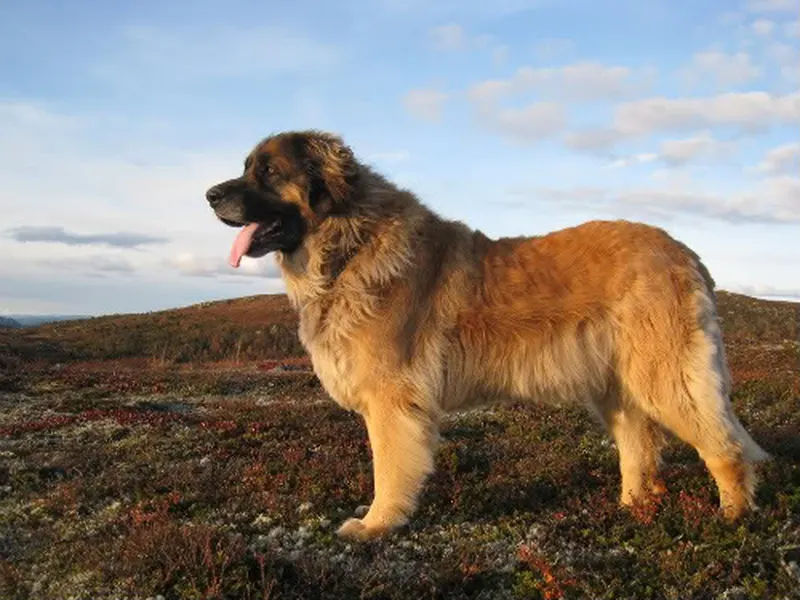
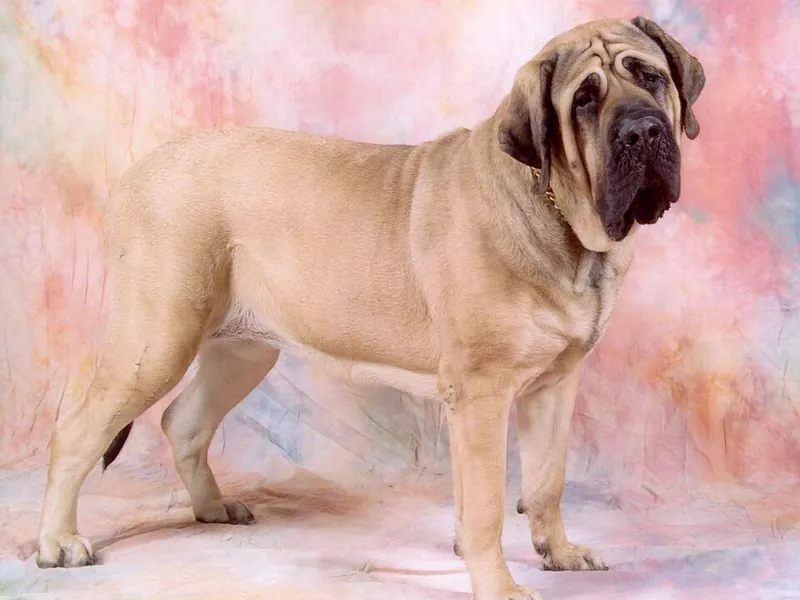
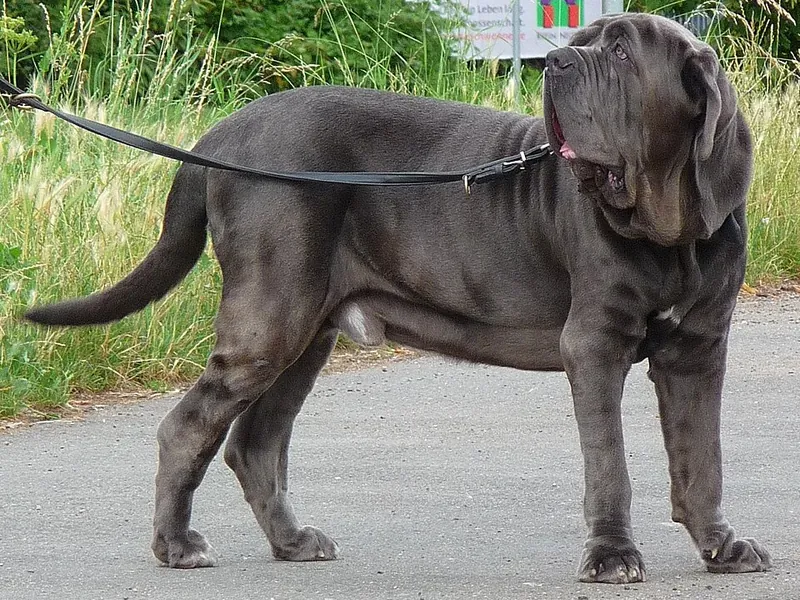
Most giant breeds come from two traditions: mastiff-type guardians like the Mastiff, Neapolitan Mastiff and Boerboel, and mountain and flock guardians like the Great Pyrenees, Kangal, Kuvasz and Estrela Mountain Dog.
How to choose among the biggest breeds
Size is only the start. Ask yourself a few practical questions first:
- Guardian instinct: flock guardians such as the Kangal or Akbash think for themselves and bark at night. They suit rural homes better than suburbs.
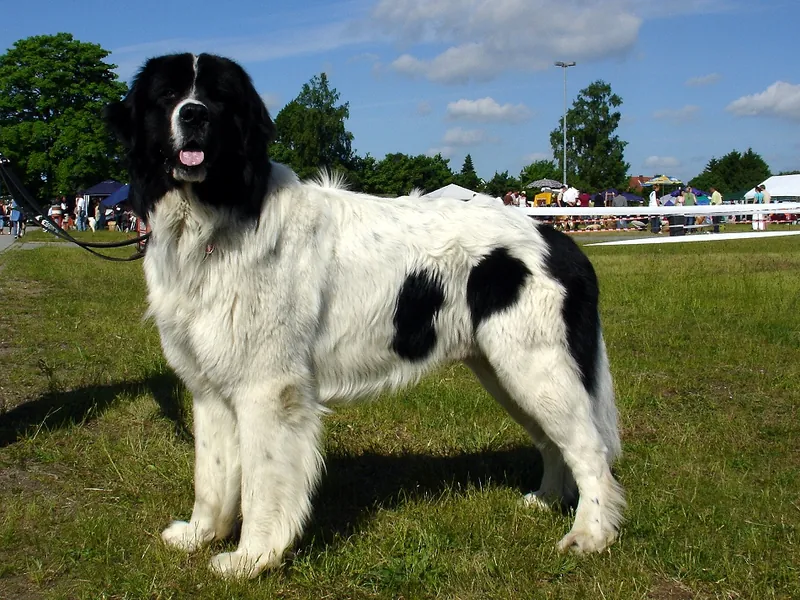
- Coat: a Saint Bernard, Newfoundland or Leonberger sheds heavily; a Great Dane or Mastiff is easy to groom but may drool.
- Temperament: the Great Dane and Newfoundland are known as gentle giants, while protection breeds like the Presa Canario or Tosa need an experienced handler.
- Physical control: make sure every adult walking the dog can hold it if it pulls.
Care and costs
Everything scales with size: food, crates, beds, car space, boarding and medication doses. Early, consistent training matters more than with any other group, because a jumping puppy becomes a 120-pound adult. Giant puppies should be fed a diet formulated for large-breed growth and kept from too much jumping and stair running while their joints develop.
Space, home and daily life
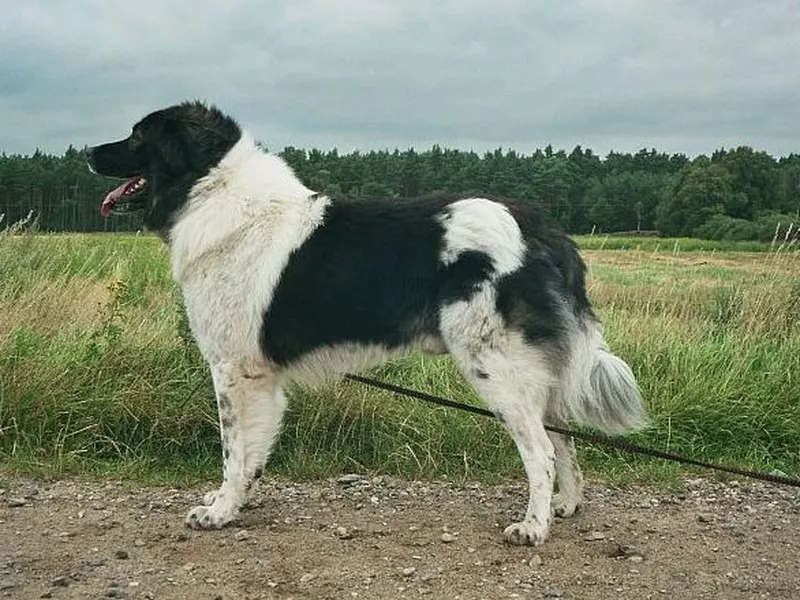
Giant dogs do not always need a huge house, but they do need room to turn around, stretch out and move without knocking things over. Many are surprisingly mellow indoors: the Mastiff, Great Dane and Newfoundland are often content with a couple of walks a day and long naps. Flock guardians are different. The Great Pyrenees, Kangal, Kuvasz, Polish Tatra Sheepdog and Akbash were bred to patrol open land, so they appreciate a securely fenced yard and may roam if given the chance.
Think about logistics too. Can you lift your dog into a car or onto a vet table if it is injured? Do you have a vehicle large enough for a big crate? Will your landlord or insurance accept a giant breed? Answering these questions before you bring home a puppy saves a lot of stress later.
Health notes and lifespan
Giant breeds have the shortest average lifespans in the dog world, often around 7 to 10 years. Common concerns include hip and elbow dysplasia, heart disease such as dilated cardiomyopathy, bone cancer and bloat (gastric dilatation-volvulus), a life-threatening emergency. Ask your vet about bloat warning signs and whether a preventive gastropexy makes sense. Choose breeders who health-test parents for hips, elbows and heart.
Frequently Asked Questions
What is the biggest dog breed in the world?
By weight, the Mastiff is usually named the heaviest breed. By height, the Great Dane and Irish Wolfhound are typically the tallest.
Are giant dog breeds good family dogs?
Many are, especially the Newfoundland, Saint Bernard and Great Dane. Their size still means supervision with small children and solid training from puppyhood.
How long do giant dog breeds live?
Most giant breeds live roughly 7 to 10 years, shorter than small and medium dogs, though individual dogs vary.
Can a giant dog live in an apartment?
Some calm giants like the Mastiff or Great Dane can adapt if they get daily walks, but stairs, elevators and space for a large bed are real practical concerns.
Do giant breeds need a lot of exercise?
Most need moderate daily exercise rather than intense workouts. Puppies especially should avoid hard, repetitive exercise while their joints are growing.
Not sure which breed fits you?
Answer 8 quick questions and get breeds ranked for your home, schedule and experience.