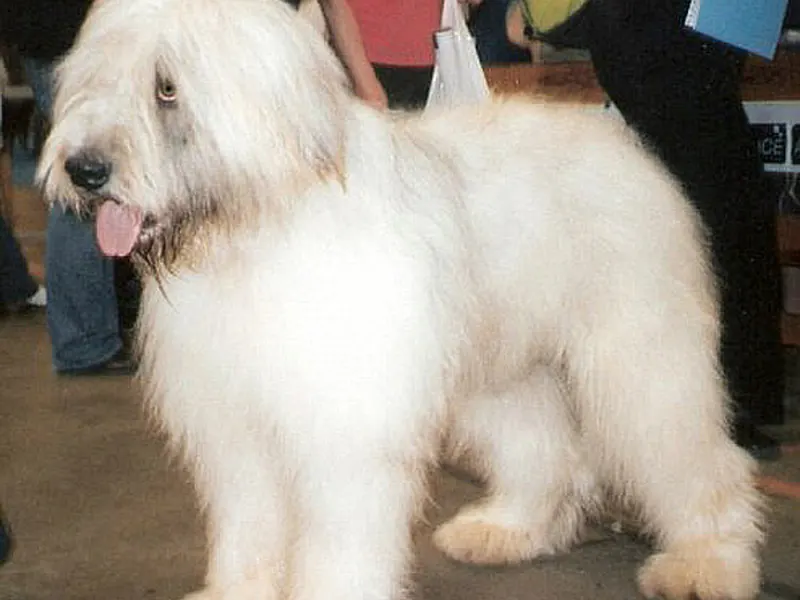
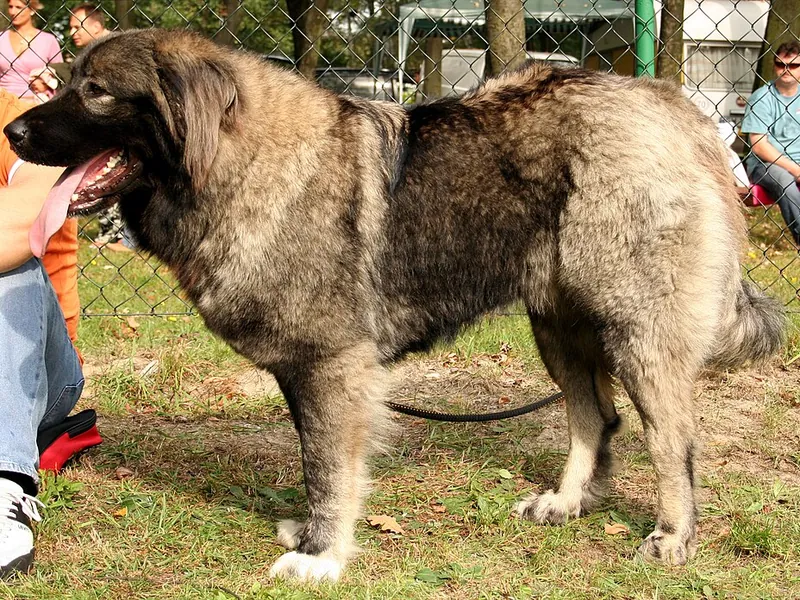
Aksaray MalaklisiGiant wolf guardian of Central Anatolia
The Aksaray Malaklisi is a giant, heavy-boned livestock guardian from Central Anatolia, bred to protect flocks from wolves. Powerful and strongly protective, it usually bonds to one handler and is suited only to very experienced owners with land and a working role for it.
Why people love the Aksaray Malaklisi
- Committed guardian for flocks on large properties
- Calm and steady when nothing is happening
- Short, dense coat is easy to brush
- Hardy working dog adapted to harsh climates
- Strong bond with its own handler
Things to consider
- Giant size requires very experienced handling
- Strong protective instinct with strangers
- Often does not tolerate same-sex dogs
- Needs large, tall, secure fencing
- Drools and has loose jowls that need wiping
Is this breed right for you?
10 questions · live resultHistory and Origin
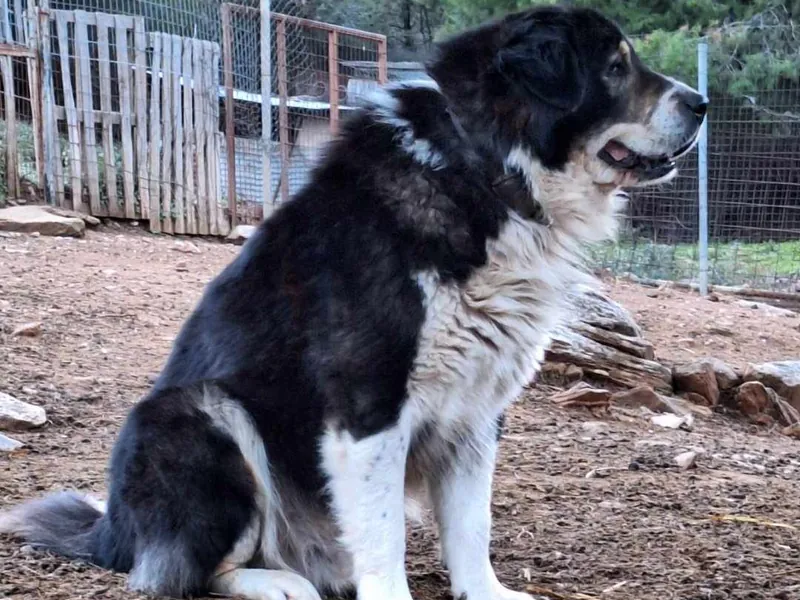
The Aksaray Malaklisi comes from the Aksaray province and surrounding areas of Central Anatolia in Turkey. Shepherds there developed it as a heavy flock guardian to protect sheep against wolves on the open steppe. The name refers to the region and to its loose, hanging lips and jowls (malak), one of its most recognizable features.
It is a native Turkish breed and is not recognized by the FCI, AKC or The Kennel Club. It is one of the largest Turkish dogs: about 28 to 33 inches tall and roughly 132 to 187 lb. The coat is short and dense, typically fawn or brindle, often with a dark mask.
Giant Size, Jowls and Coat
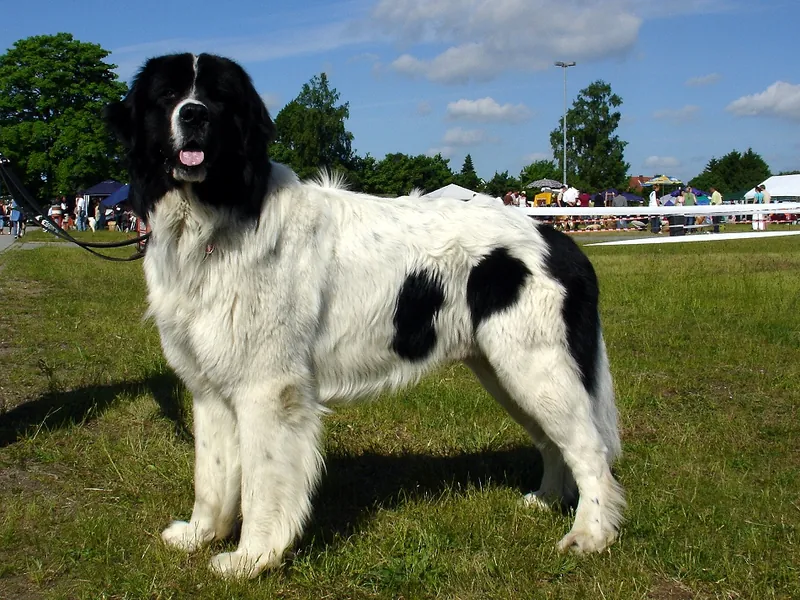
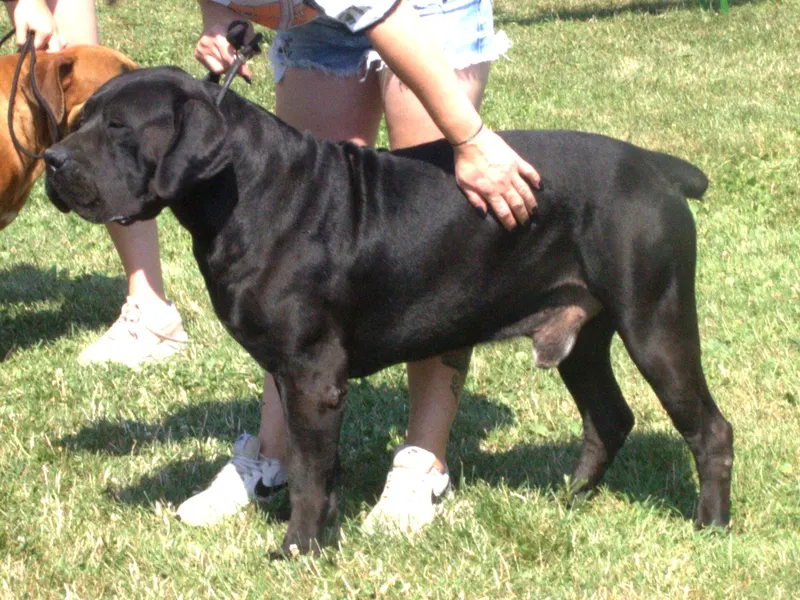
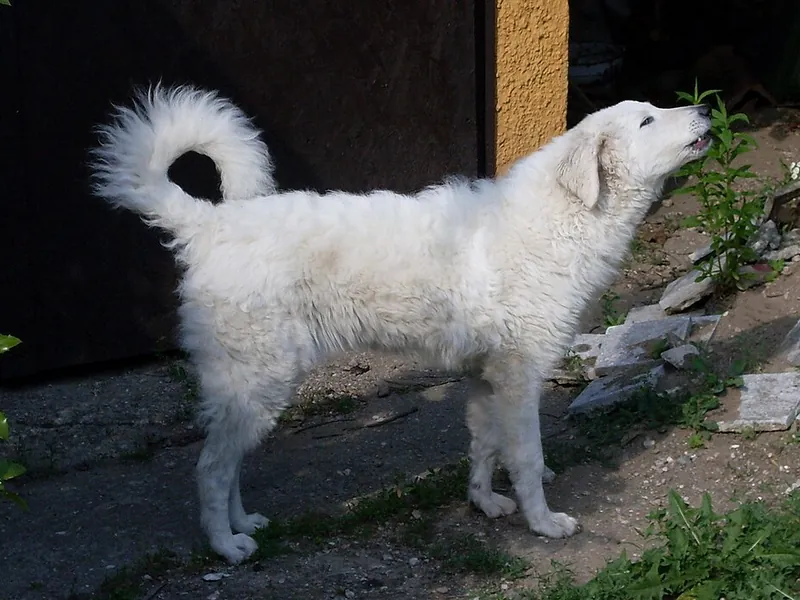
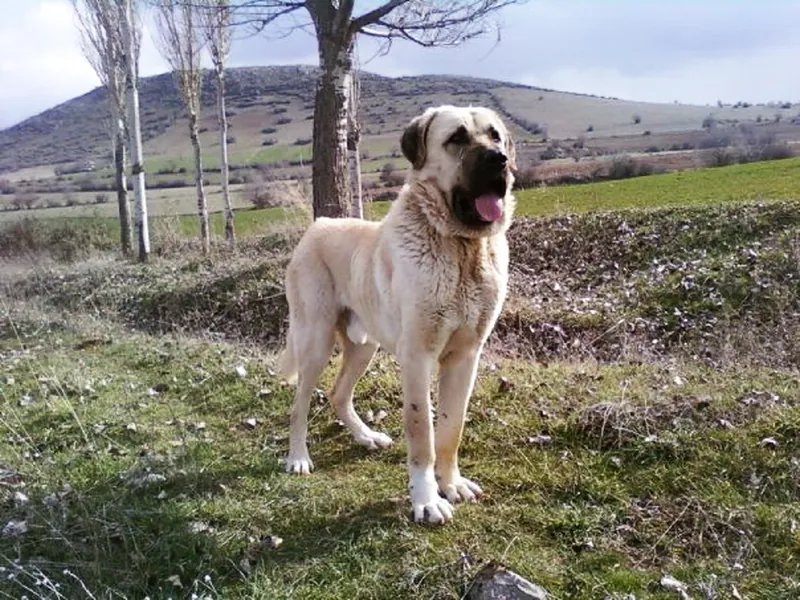
The Aksaray Malaklisi is one of the largest Turkish guardian dogs, with a massive head, heavy bone and a broad, powerful body. It stands about 28 to 33 inches tall and weighs roughly 132 to 187 lb. Males are larger and heavier, often at the upper end of both ranges, with a broader head and heavier neck. Females are somewhat smaller but still giant.
Its most recognizable feature is the loose, hanging lips and jowls that give the breed its name. The head is broad with a short, deep muzzle, and the ears are medium-sized and drop forward. The tail is long and may curl upward when the dog is alert.
The coat is short and dense, with a thick undercoat that protects against the cold winters of Central Anatolia. Colors are typically fawn, cream or brindle, often with a black mask. Because the breed is not standardized by major international registries, appearance varies between regional lines, and descriptions differ between sources.
Temperament and Personality
The Malaklisi is a serious guardian with a strong protective instinct. It is generally calm when nothing is happening and reacts decisively to perceived threats to its flock or family. It tends to accept direction mainly from its own handler and is wary of strangers.
Sources commonly note that it often does not get along with dogs of the same sex. Introductions to other dogs need careful planning, and some individuals are best kept as the only dog.
Is the Aksaray Malaklisi Good for First-Time Owners?
No, the Aksaray Malaklisi is not suitable for first-time owners. It is a giant livestock guardian with strong protective instincts, and handling it safely requires extensive experience with large, independent dogs.
Owners must be able to physically control a dog that can weigh more than an adult person, manage wariness of strangers and plan carefully around other dogs. Training and socialization must start early and continue throughout life. Even experienced dog owners should work with someone familiar with Turkish guardian breeds. Novices drawn to this type of dog should gain experience with more cooperative large breeds first.
Is the Aksaray Malaklisi Aggressive?
The Aksaray Malaklisi is a protective guardian rather than a dog that seeks conflict. Like other livestock guardians, it is generally calm and watchful, and it reacts when it perceives a threat to its flock, property or family.
Behavior depends heavily on genetics, socialization and management. Dogs raised with clear routines, early exposure to people and controlled introductions to other dogs are usually more predictable. Many are reserved with strangers and may not tolerate dogs of the same sex. Secure fencing, careful handling and respect for local regulations on large dogs are essential parts of responsible ownership.
Does the Aksaray Malaklisi Need a Yard?
Yes, the Aksaray Malaklisi needs a large, securely fenced property, ideally with livestock or land to guard. It was bred to protect flocks on the open steppe and is unsuited to apartments, townhouses or small suburban yards.
Fencing should be tall and robust, with locked gates and no gaps. The dog needs space to patrol and rest in shade, and a quiet setting where visitors and other dogs are not passing constantly. Walks off the property must be on a strong leash with an experienced handler, since a dog of this size is difficult to control if startled.
Exercise and Training
This breed's exercise needs are moderate, but it needs a large secure territory. Walks off the property must be on leash and with a handler strong and experienced enough to control a dog of this size.
- Training is difficult and should begin in puppyhood with clear, calm consistency.
- Early socialization with people, places and well-managed dogs is essential.
- Fencing must be tall and robust, with locked gates.
- Work with a professional familiar with large guardian breeds.
Before acquiring a dog of this type, check local regulations: some jurisdictions have rules on very large or guardian-type dogs.
Grooming and Shedding
The short, dense coat is easy to care for: weekly brushing with a rubber mitt or bristle brush removes loose hair. Expect seasonal shedding. The loose lips and jowls can trap food and moisture, so wipe them regularly and watch for skin fold irritation. Some drooling is likely.
Feeding and Nutrition
As a giant breed, the Aksaray Malaklisi needs careful feeding during growth and lean condition as an adult. Rapid growth and excess weight both raise the risk of hip and elbow problems in heavy-boned dogs.
- Feed a giant-breed puppy diet with controlled calcium and energy, and continue until your vet advises switching, often between 18 and 24 months.
- Keep puppies lean and growing steadily rather than quickly.
- Split adult food into at least two meals a day. Deep-chested giants carry a bloat risk, so avoid one large meal, slow down fast eaters and allow rest after eating.
- Many adults are calm and need less food than their size suggests.
The loose lips and jowls trap food and moisture, so wipe the face after meals and check lip folds for irritation. Expect drool around feeding and drinking. Use treats sparingly and check body condition by hand, as the dense coat can mask gradual weight gain.
| Adult weight | Less active | Typical adult | Very active |
|---|---|---|---|
| 132 lb | 2,110 kcal | 2,410 kcal | 3,010 kcal |
| 187 lb | 2,740 kcal | 3,130 kcal | 3,910 kcal |
Estimates use the resting energy formula veterinarians work with (70 × body weight in kg0.75) and standard activity factors. Use the feeding guide on your food as a starting point and adjust to body condition. Puppies, seniors, pregnant animals and pets that need to lose weight have different needs, so ask your vet.
Health and Lifespan
No breed-specific health data is available. Its giant size (up to about 187 lb) carries a generally higher risk of hip and elbow dysplasia, bone and joint strain, and bloat in deep-chested dogs. Loose facial skin can contribute to eyelid or lip-fold problems. Reliable lifespan figures are not available; giant breeds in general tend to have shorter lifespans than medium-sized dogs.
Choose breeders who evaluate hips and elbows, raise puppies with slow, controlled growth and avoid over-exercising young dogs.
Aksaray Malaklisi Price and Cost of Ownership
The Aksaray Malaklisi is very rare in the US, and no reliable US price range is published. Most dogs come from breeders in Turkey, so expect import costs, possible regulatory checks and long waiting times. Prices vary by breeder, region and lines. Ask about the health and temperament of parents and grandparents.
Adoption opportunities are rare, though guardian breed rescues occasionally place similar Turkish dogs.
Breed-specific ongoing costs include:
- Food for a dog weighing well over 100 lb.
- Tall, strong fencing and secure gates.
- Insurance or savings for bloat and joint disease.
- Possible insurance or local requirements for very large guardian dogs.
Is the Aksaray Malaklisi Right for You?
This breed is realistic only for very experienced handlers with large rural properties, ideally with livestock. It is not suited to families wanting a companion dog, to suburbs or cities, or to homes with other dogs of the same sex.
- Good fit: livestock farms, experienced giant-breed and guardian owners.
- Poor fit: first-time owners, apartments, multi-dog households, frequent visitors.
Aksaray Malaklisi Traits at a Glance
Aksaray Malaklisi FAQ
How big does an Aksaray Malaklisi get?
It is a giant breed, about 28 to 33 inches tall and roughly 132 to 187 lb.
Is the Aksaray Malaklisi a good family dog?
It is primarily a livestock guardian with a strong protective drive and is suited only to very experienced owners with land.
Does the Aksaray Malaklisi drool?
Some drooling is likely because of its loose lips and jowls.
Is the Aksaray Malaklisi good with other dogs?
It often does not get along with dogs of the same sex, so introductions need care and some are best as the only dog.
Is the Aksaray Malaklisi recognized internationally?
No. It is a native Turkish breed not recognized by the FCI, the AKC or The Kennel Club.