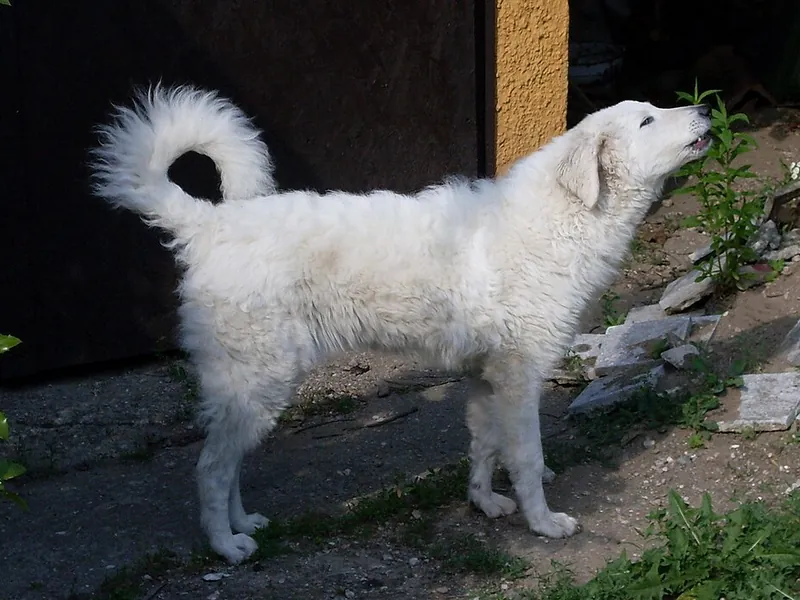
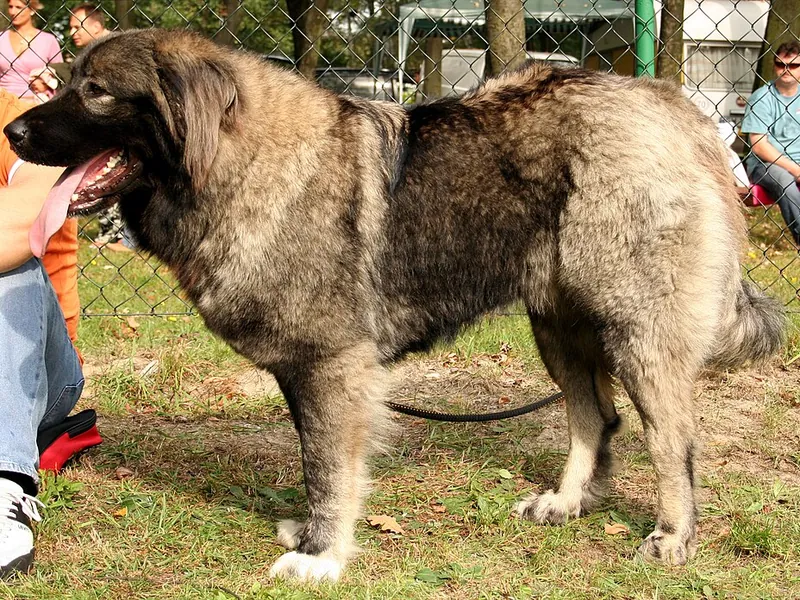
Greek ShepherdPowerful guardian of Greek mountain flocks
The Greek Shepherd is a large, powerful livestock guardian that has protected flocks in Greece's mountains for centuries. With a very strong protective instinct and an independent mind, it belongs only with experienced owners who have land and a real job for it.
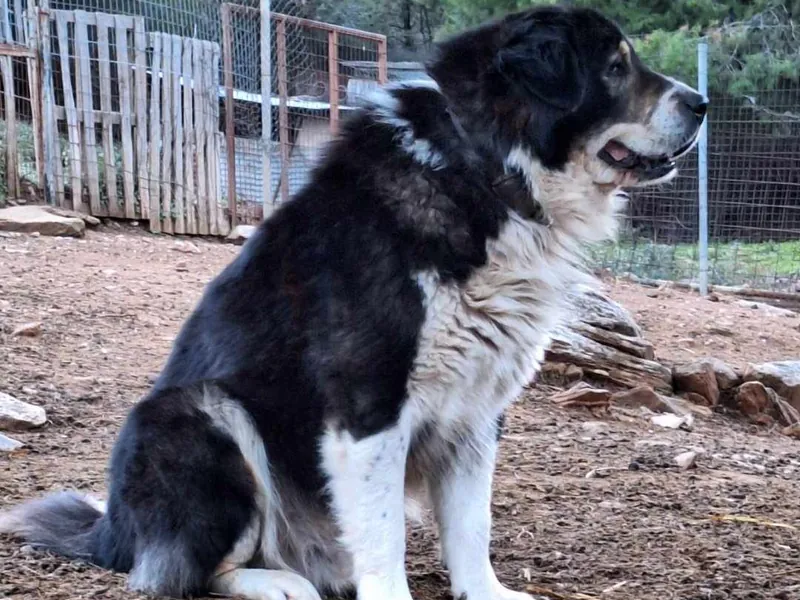
Why people love the Greek Shepherd
- Highly effective guardian against predators and intruders
- Hardy, weather-resistant working dog
- Loyal to its flock and its own people
- Moderate exercise needs once it has a territory
- Low grooming needs outside shedding season
Things to consider
- Very strong protective instinct with a sharp response
- Independent and difficult to train
- Needs a large, securely fenced rural property
- Suspicious of strangers and unfamiliar dogs
- Very rare and hard to find outside Greece
Is this breed right for you?
10 questions · live resultHistory and Origin
The Greek Shepherd, or Ellinikos Poimenikos, is a traditional livestock guardian of Greece's mountainous regions, particularly in the north and in the Pindus range. Shepherds have long kept it to protect sheep and goats from wolves, bears and theft. It developed as a functional working type, selected for courage and endurance rather than uniform appearance.
The breed is recognized by the Kennel Club of Greece but not by the FCI, AKC or The Kennel Club. Size varies widely: dogs stand about 24 to 32 inches tall and weigh roughly 71 to 185 lb depending on line and sex. Coat colors range from white to fawn, gray, black and mixed patterns.
Size, Coat and Colors
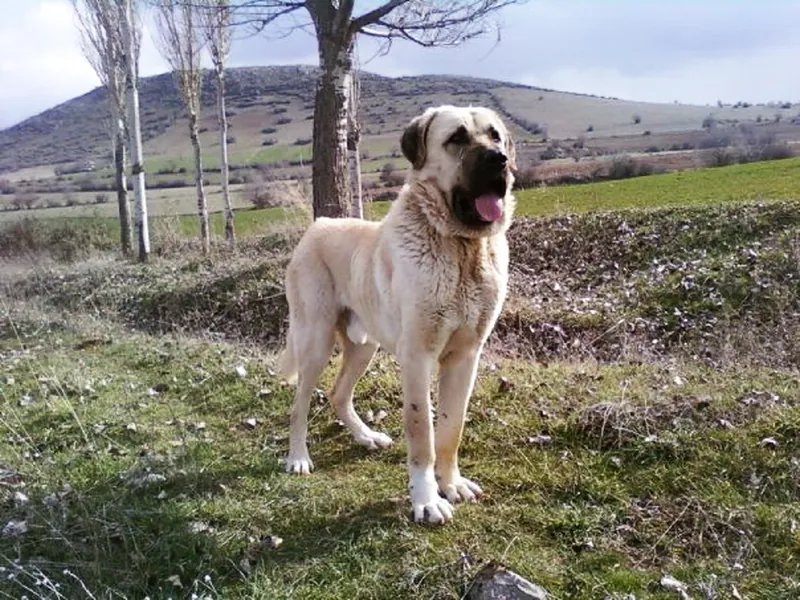
The Greek Shepherd is a large, powerful, rustic livestock guardian with a broad head, strong neck, deep chest and heavy bone. Because it was selected for working ability rather than uniform appearance, size and type vary considerably between regions and lines. Adults stand about 24 to 32 inches and weigh roughly 71 to 185 lb. Males are clearly larger and more massive than females, with broader heads and heavier frames.
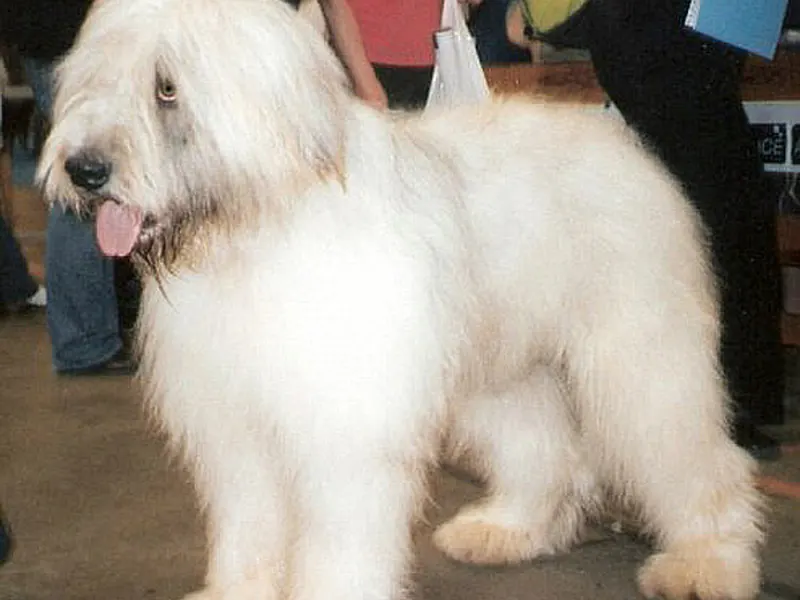
The coat is a dense, weather-resistant double coat of medium to long length, with a thick undercoat that protects against cold, rain and bites. It is usually longer around the neck, forming a ruff, and on the tail and the backs of the thighs.
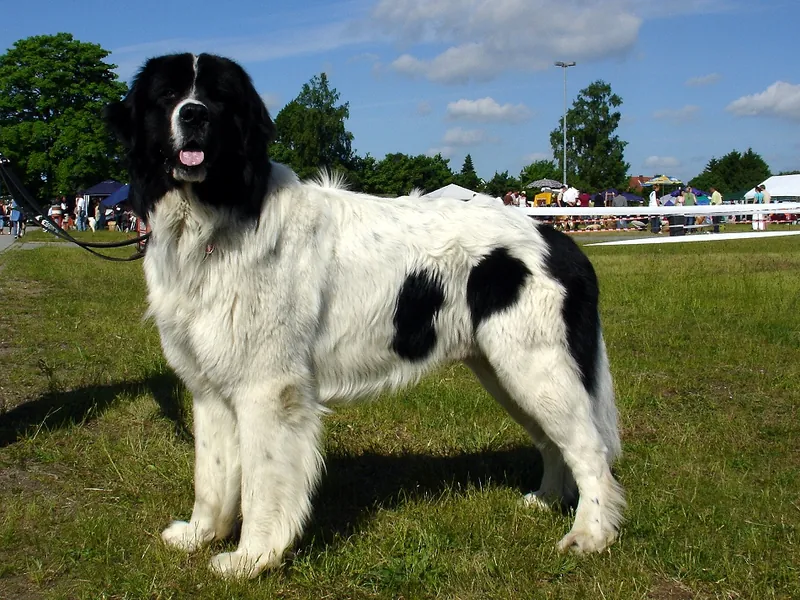
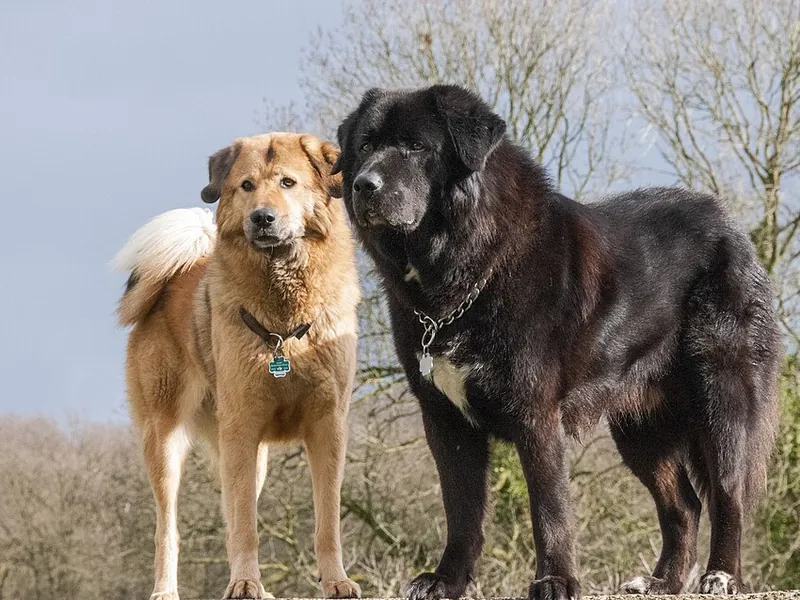
Colors vary widely. White, fawn, gray and black are common, as are mixed and patched patterns. Historically, many working dogs in Greece had cropped ears; uncropped ears hang close to the head. Because there is no internationally recognized standard, individual dogs may look quite different from one another.
Temperament and Personality
The Greek Shepherd is primarily a guardian. It is attached to its flock and its own people and is highly suspicious of strangers and unfamiliar dogs. Its protective instinct is strong and can be sharp, meaning it will respond quickly and decisively to what it perceives as a threat.
Like other flock guardians, it works independently and is not inclined toward obedience for its own sake. These traits are valuable on a remote farm and require careful management anywhere else.
Is the Greek Shepherd Good for First-Time Owners?
No. The Greek Shepherd is a working livestock guardian with a very strong protective instinct, and it is not suitable for first-time owners. It makes its own decisions about threats and responds quickly and firmly, which is valuable on a remote farm but requires expert management anywhere else.
Even experienced dog owners can find guardian breeds very different from companion or herding dogs. Successful owners typically have livestock, large rural properties with strong fencing and experience with breeds such as the Kangal, Anatolian Shepherd or Caucasian Shepherd. Beginners interested in guardian breeds should start by learning from established livestock guardian owners.
Do Greek Shepherds Bark a Lot?
Yes, Greek Shepherds bark frequently, especially at night. Barking is one of the main tools livestock guardians use to warn predators away, and the Greek Shepherd's deep, powerful voice carries far.
On an isolated farm this is a feature, but in places with nearby neighbors it often causes conflict. Barking increases when the dog senses wildlife, other dogs, unfamiliar people or vehicles near its territory. Training can reduce barking at minor triggers, but you cannot fully remove a guardian's instinct to sound the alarm. Anyone considering the breed should be sure that night-time barking will not be a problem where they live.
Are Greek Shepherds Good with Other Dogs?
Greek Shepherds often accept dogs they grow up with, particularly other guardians working the same flock, but they are typically suspicious of unfamiliar dogs and may treat them as intruders on their territory.
Same-sex tension between adult guardians can occur, so experienced owners carefully choose companions of the opposite sex and compatible temperament. Introductions to new dogs should be slow, controlled and on neutral ground. Dog parks and casual meetings with unknown dogs are not suitable. On a working farm, a pair or team of guardians can share duties well, but managing them requires knowledge of guardian breed behavior.
Exercise and Training
Exercise needs are moderate, but space needs are large. The dog is happiest with a big, securely fenced territory, ideally with livestock to watch over. Walks off the property should be on leash and under full control.
- Training is difficult and best handled by people experienced with guardian breeds.
- Early, extensive socialization is essential, along with clear house rules.
- Install solid, tall fencing and secure gates.
- Seek help from a trainer familiar with livestock guardians if issues arise.
Grooming and Shedding
The medium-length double coat is dense and weather-resistant. It sheds heavily, especially during seasonal changes. Brush weekly with an undercoat rake and slicker brush, more often when the undercoat is coming out. Baths are rarely needed.
Feeding and Nutrition
The Greek Shepherd is a large, slow-maturing working dog, and its food needs vary with size, workload and climate. A guardian living outdoors with a flock in winter needs considerably more food than a dog in a mild climate with little patrolling to do. Adjust portions to body condition, feeling for the ribs under the thick coat.
Puppies should grow slowly and steadily. Feed a complete diet formulated for large or giant breed puppies, which controls calcium and energy density, and avoid extra supplements. Keeping young dogs lean reduces strain on developing hips and elbows.
As a deep-chested breed, the Greek Shepherd has some risk of bloat. Feed two or more measured meals a day, avoid hard activity around meals and feed in a calm place.
Working guardians should be fed away from livestock and from other dogs to prevent conflict over food. Fresh water must be available at all times, including in freezing weather.
| Adult weight | Less active | Typical adult | Very active |
|---|---|---|---|
| 71 lb | 1,320 kcal | 1,510 kcal | 1,890 kcal |
| 128 lb | 2,060 kcal | 2,360 kcal | 2,940 kcal |
| 185 lb | 2,720 kcal | 3,110 kcal | 3,880 kcal |
Estimates use the resting energy formula veterinarians work with (70 × body weight in kg0.75) and standard activity factors. Use the feeding guide on your food as a starting point and adjust to body condition. Puppies, seniors, pregnant animals and pets that need to lose weight have different needs, so ask your vet.
Health and Lifespan
There is no breed-specific health data for the Greek Shepherd. As a very large and heavy dog, it faces a generally higher risk of joint problems such as hip and elbow dysplasia, and deep-chested dogs can be prone to bloat. Reliable lifespan figures are not available.
Historically, ear cropping was common among working dogs in Greece. Ear cropping is banned or restricted in many countries, including the UK, and is not necessary for a companion dog.
If you find a breeder, ask about the health and longevity of the parents and relatives.
Greek Shepherd Price and Cost of Ownership
The Greek Shepherd is extremely rare outside Greece and is not recognized by the AKC, so there is no meaningful US price range. Most dogs are found with working shepherds or a small number of breeders in Greece, and prices vary by breeder, region and lines. Importing a dog adds transport, vaccinations and paperwork. Be wary of sellers using the name loosely for mixed livestock guardians.
Ongoing costs are significant because of size and setup. Large amounts of food, weight-based medications and giant-sized equipment add up.
The biggest breed-specific costs are usually infrastructure: tall, strong fencing for a large property, secure gates and shelter for a dog that lives with livestock. Insurance can be difficult to obtain for a strongly protective guardian, and liability coverage is important. Joint care, hip and elbow screening and treatment of injuries from predators are additional drivers.
Is the Greek Shepherd Right for You?
This breed is suitable only for experienced owners with large rural properties, ideally livestock keepers. It is not appropriate for families looking for a companion dog, for urban or suburban homes, or for first-time owners.
- Good fit: farms with sheep or goats, very experienced guardian-breed handlers.
- Poor fit: apartments, suburbs, households with frequent visitors.
Greek Shepherd Traits at a Glance
Greek Shepherd FAQ
How big do Greek Shepherds get?
Size varies widely: about 24 to 32 inches tall and roughly 71 to 185 lb.
Are Greek Shepherds good family pets?
They are primarily livestock guardians with a strong protective drive and are best kept by experienced owners on rural properties.
Do Greek Shepherds shed?
Yes. Their dense double coat sheds heavily, especially during seasonal changes.
Is the Greek Shepherd recognized by the AKC or FCI?
No. It is recognized in Greece but not by the FCI, the AKC or The Kennel Club.
Are Greek Shepherds easy to train?
No. They are independent guardians that need experienced, consistent handling.
How much space does a Greek Shepherd need?
A lot. It is happiest with a large, securely fenced rural property to patrol, ideally with livestock to guard.