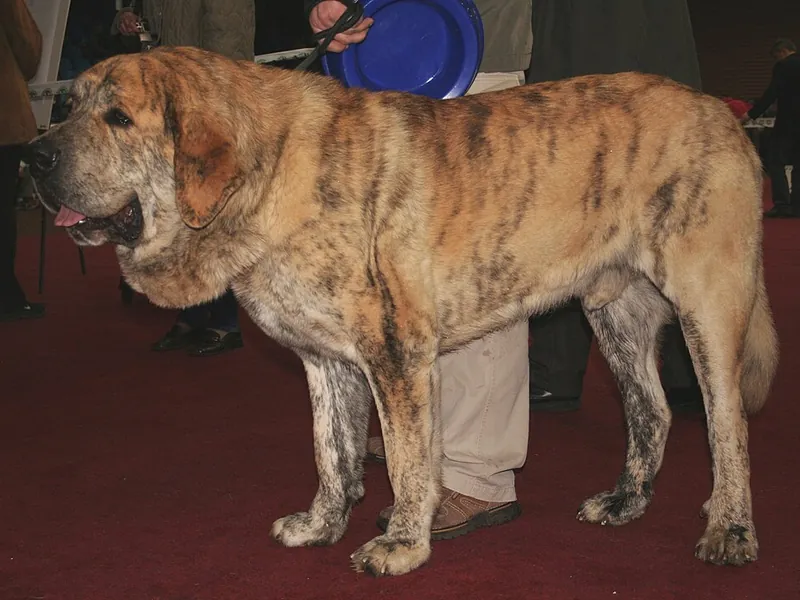
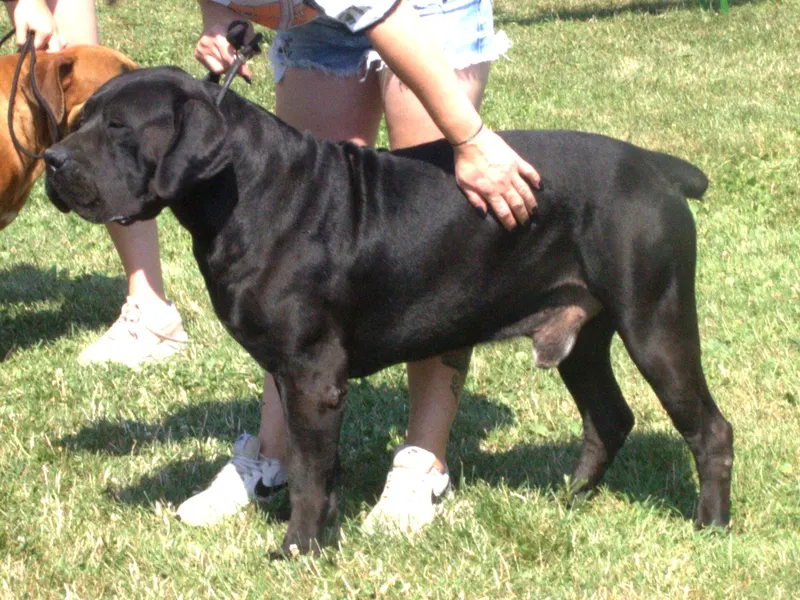
Caucasian Shepherd DogFormidable guardian of the Caucasus
The Caucasian Shepherd Dog is a massive, heavily coated livestock guardian from the Caucasus mountains. Deeply loyal and wary of strangers, it is built to protect and is suited only to experienced owners with space and secure fencing.
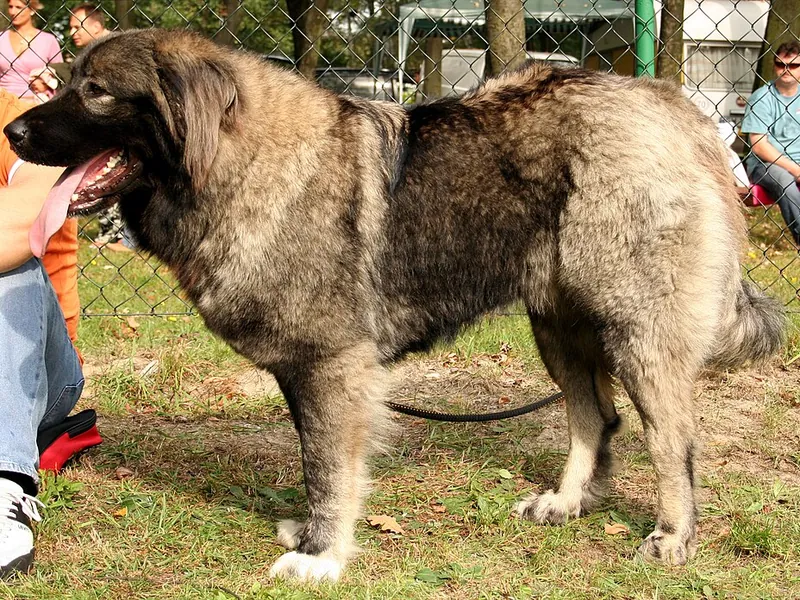
Why people love the Caucasian Shepherd Dog
- Devoted, protective guardian of family and livestock
- Calm at home when nothing needs attention
- Moderate exercise needs for its size
- Thrives in cold climates and outdoor living
- Hardy working breed shaped by harsh mountain life
Things to consider
- Very strong guarding instinct needs expert management
- Restricted or regulated in some countries and localities
- Giant size makes control and transport demanding
- Heavy seasonal shedding and moderate drooling
- Bloat and joint risks typical of giant breeds
Is this breed right for you?
10 questions · live resultHistory and Origin
Large guardian dogs have protected flocks and homesteads in the Caucasus mountains, the region between the Black Sea and the Caspian Sea, for centuries. Shepherds selected dogs that could face wolves and stay with livestock in harsh mountain conditions.
In the 20th century, Soviet kennels standardized the breed and used it for guarding facilities and borders. The FCI lists Russia as the country of origin. The AKC records the breed in its Foundation Stock Service. Outside its homeland it remains a specialist breed.
Size, Coat Types and Colors
The Caucasian Shepherd Dog is a massive, heavy-boned guardian, standing about 24 to 30 inches tall and weighing 99 to 170 lb in our data. The FCI standard sets minimum heights of about 27 inches for males and 25 inches for females, and taller dogs are acceptable as long as they stay harmonious and sound.
Sexual dimorphism is strong. Males are larger, more massive and carry a broader head and a fuller ruff, while females are lighter and slightly longer in body.
The coat is always a coarse outer coat over a thick undercoat, in three lengths:
- Short: dense and even all over
- Intermediate: longer, with some furnishings
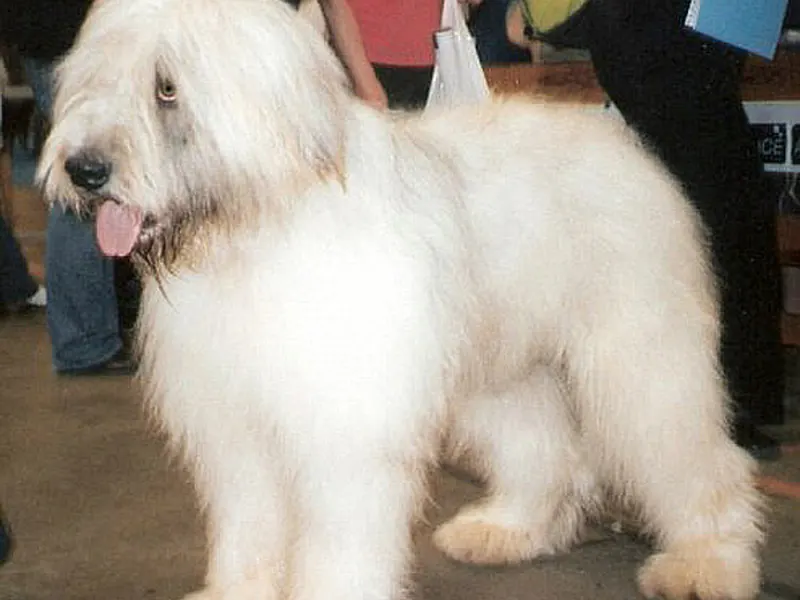
- Long: a mane on the neck, feathering on the ears and legs and a bushy tail
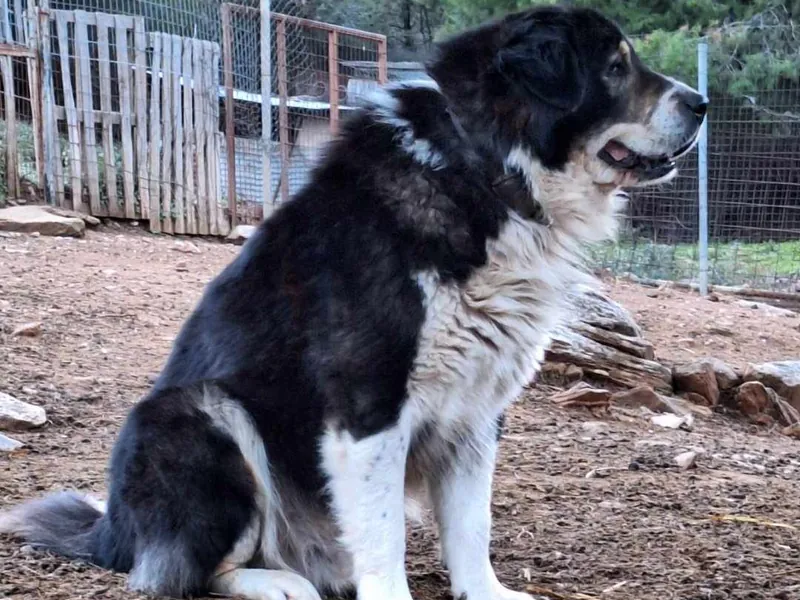
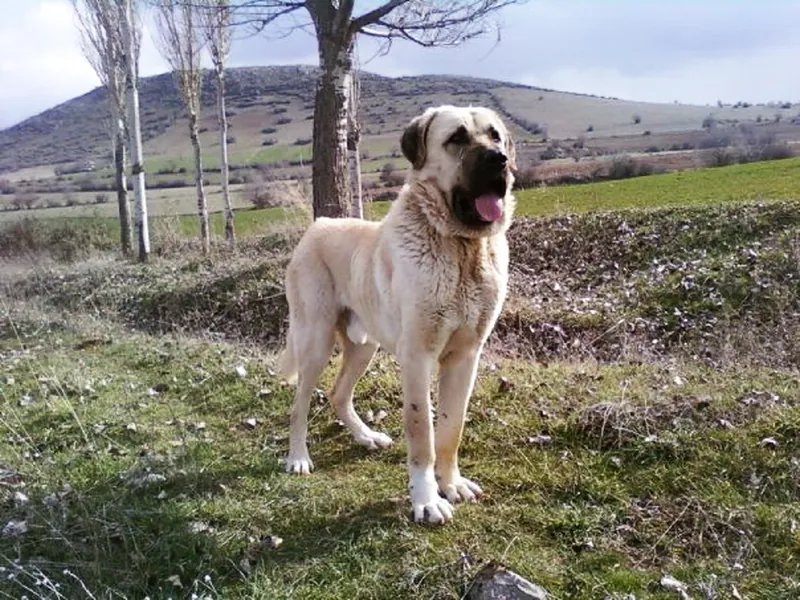
Long-coated dogs are the most familiar outside the Caucasus. Colors include gray in many shades, fawn, red, cream, white, brindle, piebald and spotted patterns. Solid black and some black-based patterns are faulted under the FCI standard. Ear cropping, traditional in the homeland, is banned in many countries and is optional elsewhere.
Temperament and Personality
Caucasian Shepherds are loyal and affectionate with their own family but naturally suspicious of strangers. They are territorial and protective, and they make decisions on their own, as guardians working without a shepherd must.
They tend to be calm when nothing is happening and respond decisively to perceived threats. They can be tolerant of children in their own family when raised with them, but their size and protectiveness call for constant supervision, especially with visiting children. Same-sex dog conflicts are possible.
Many Caucasian Shepherds are noticeably more alert in the evening and at night, when predators would traditionally approach a flock, and they may patrol or bark at that time.
Are Caucasian Shepherd Dogs Aggressive?
Caucasian Shepherds are not aggressive toward their own family, but they are one of the most serious guardian breeds and respond decisively to what they see as threats. Unfamiliar people and dogs entering their territory may be challenged.
Temperament varies by line and is shaped by breeding, socialization and management. Dogs from working lines selected for guarding can be harder to manage than those bred mainly as companions. Owners should expect a dog that watches, assesses and protects, and must control visits, fencing and public outings accordingly. Breed-specific rules in some countries and localities, along with insurance restrictions, reflect how seriously authorities take guardian breeds of this size.
Is the Caucasian Shepherd Good for First-Time Owners?
No, the Caucasian Shepherd is not a breed for first-time owners. It combines giant size, strength and independent guarding judgment, and mistakes in socialization or management can have serious consequences.
Successful owners usually have prior experience with livestock guardians or large protective breeds, a rural property with secure fencing and time to socialize the dog throughout its life. They are comfortable setting calm, consistent boundaries without confrontation. If you are new to dogs and drawn to large guardians, consider gaining experience with a more tolerant giant breed first, or volunteering with a breed club or rescue.
Are Caucasian Shepherds Good With Other Dogs?
Caucasian Shepherds can live with other dogs, but it takes careful choices. Many accept dogs they are raised with, especially of the opposite sex, while same-sex conflicts are common and can be serious given the breed's size.
Unfamiliar dogs are often treated as intruders, so dog parks and off-leash meetings are not appropriate. If you want a second dog, pick an opposite-sex companion with a stable temperament, introduce them on neutral ground and supervise closely while the guardian matures. Small dogs and other pets can be accepted when raised together, as the breed traditionally protects the animals it lives with.
Exercise and Training
Physical needs are moderate: daily walks and room to patrol a fenced property usually suffice. They are not jogging dogs.
Training and management matter most:
- Start socialization early and continue it throughout life, with many calm, controlled meetings with people and dogs.
- Expect independence. Training should be consistent and calm, never confrontational.
- Use a high, solid fence and controlled access for visitors.
- Some countries, states and cities restrict or regulate this breed or other large guardian breeds, so check local rules before getting one.
Grooming and Shedding
Coats range from short to long, with a thick undercoat. Brush weekly, and daily during the heavy seasonal shed. Long-coated dogs need extra attention behind the ears and on the trousers.
The breed drools moderately, especially after drinking. Nails and teeth need regular care. Handle puppies often so grooming and vet visits are possible with an adult.
Feeding and Nutrition
A Caucasian Shepherd grows from a small puppy to well over 100 lb, and how it is fed during that time has a lasting effect on its joints. Use a diet made for large or giant breed puppies, with controlled energy and calcium, and keep the puppy lean. The aim is steady growth, not maximum size. Many dogs keep filling out until age two or three.
Adults often have a moderate appetite for their size, and food intake commonly drops in summer. A dog that patrols outdoors in winter may need more. Adjust portions to body condition and check by feel under the thick coat.
Because of the bloat risk already noted, feed at least two meals a day, keep the dog quiet around feeding and avoid letting it gulp a large meal after exercise.
Guardian breeds can be possessive of food. Feed multiple dogs separately and teach children never to approach a dog while it eats.
Use treats mainly for socialization and handling practice, such as calm greetings and vet-style handling, rather than as constant snacks.
| Adult weight | Less active | Typical adult | Very active |
|---|---|---|---|
| 99 lb | 1,700 kcal | 1,940 kcal | 2,430 kcal |
| 134 lb | 2,130 kcal | 2,440 kcal | 3,050 kcal |
| 170 lb | 2,550 kcal | 2,910 kcal | 3,640 kcal |
Estimates use the resting energy formula veterinarians work with (70 × body weight in kg0.75) and standard activity factors. Use the feeding guide on your food as a starting point and adjust to body condition. Puppies, seniors, pregnant animals and pets that need to lose weight have different needs, so ask your vet.
Health and Lifespan
Caucasian Shepherds typically live 10 to 12 years. As a giant breed, they are at risk of hip and elbow dysplasia and gastric dilatation-volvulus (bloat).
Choose a breeder who screens hips and elbows and selects for stable temperament. Raise puppies slowly with controlled exercise and a large-breed diet to protect developing joints, and keep adults lean.
Feed several smaller meals rather than one large meal, avoid hard exercise right after eating, and learn the early signs of bloat, such as restlessness, retching without producing anything and a swollen abdomen.
Caucasian Shepherd Dog Price and Cost of Ownership
Typical breeder price in the US$1,500 to $3,500
Caucasian Shepherd puppies from established US breeders typically cost about $1,500 to $3,500, depending on breeder, region and lines. Imported dogs from Eastern Europe can cost more once transport is included. Because the breed is uncommon, research breeders carefully and meet adult dogs from their lines.
Rescue is an option: guardian-breed rescues regularly take in adolescent Caucasians, though they usually need experienced homes.
Major ongoing costs include:
- Secure fencing and a sturdy enclosure
- Food for a giant breed, plus large-breed puppy food during growth
- Insurance covering hip and elbow dysplasia and bloat surgery; some policies exclude the breed
- Liability insurance and any local permits or registrations required for restricted breeds
- Veterinary care scaled to body weight, including sedation for handling if needed
Is the Caucasian Shepherd Dog Right for You?
This breed suits experienced guardian-breed owners, rural properties and livestock farms where a protective dog has a role. Owners must be committed to lifelong socialization and secure containment.
It is not appropriate for apartments, first-time owners, busy suburban households with frequent visitors, or anyone unable to control a very large, strong dog.
Visit adult dogs from the breeder's lines before committing so you understand the size, strength and guarding behavior you will be living with.
Caucasian Shepherd Dog Traits at a Glance
Caucasian Shepherd Dog FAQ
How big do Caucasian Shepherd Dogs get?
They stand about 24 to 30 inches tall and usually weigh at least 99 lb, with large males considerably heavier.
Are Caucasian Shepherds good family dogs?
They are loyal to their own family but very protective and wary of strangers, so they suit only experienced owners and need close supervision around children.
Do Caucasian Shepherds shed?
Yes, heavily during seasonal coat changes.
Is the Caucasian Shepherd Dog legal everywhere?
No. Some countries, states and cities restrict guardian breeds like this one, so check local regulations first.
How long do Caucasian Shepherd Dogs live?
Typically 10 to 12 years.
Do Caucasian Shepherd Dogs need a lot of exercise?
No. Moderate daily walks and space to patrol a fenced property usually suffice; mental stability and socialization matter more than athletic exercise.