TosaJapan's calm, powerful giant mastiff
The Tosa is a giant Japanese mastiff with a calm demeanor and great strength. It is quiet and watchful at home, protective of family, and often intolerant of unfamiliar dogs. It is a breed for experienced owners, and legal restrictions apply in some places.
Why people love the Tosa
- Calm and quiet at home
- Devoted and sensitive with its own family
- Short coat is easy to maintain
- Rarely barks without a reason
- Moderate exercise needs for a giant breed
Things to consider
- Banned or restricted in the UK and some other places
- Often intolerant of unfamiliar dogs
- Giant size requires experienced, confident handling
- Insurance, housing and travel can be difficult
- Drools and needs skin-fold care
Is this breed right for you?
10 questions · live resultHistory and Origin
The Tosa was developed in the late 19th century in Tosa province (today Kochi Prefecture) on the island of Shikoku. Japanese breeders crossed the native Shikoku dog with Western breeds such as Mastiffs, Bulldogs, Great Danes and St. Bernards to create a large dog for organized dog fighting, which had a long tradition in the region.
Today the breed is kept as a companion and guardian. In the US it is recorded through the AKC Foundation Stock Service. In the UK the Tosa is one of the types listed under the Dangerous Dogs Act 1991, so it cannot be bred or sold there. Some other countries, states and cities also restrict the breed, so readers should check local rules before considering one.
In Japan the breed is still closely associated with Kochi Prefecture. Elsewhere, enthusiasts keep it as a companion and guardian, focusing on stable temperament and sound structure.
Size, Colors and Coat
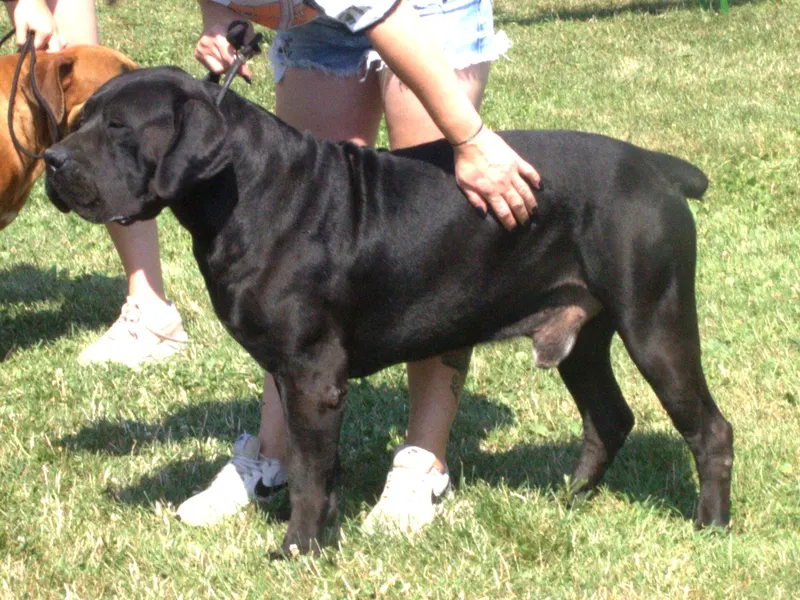
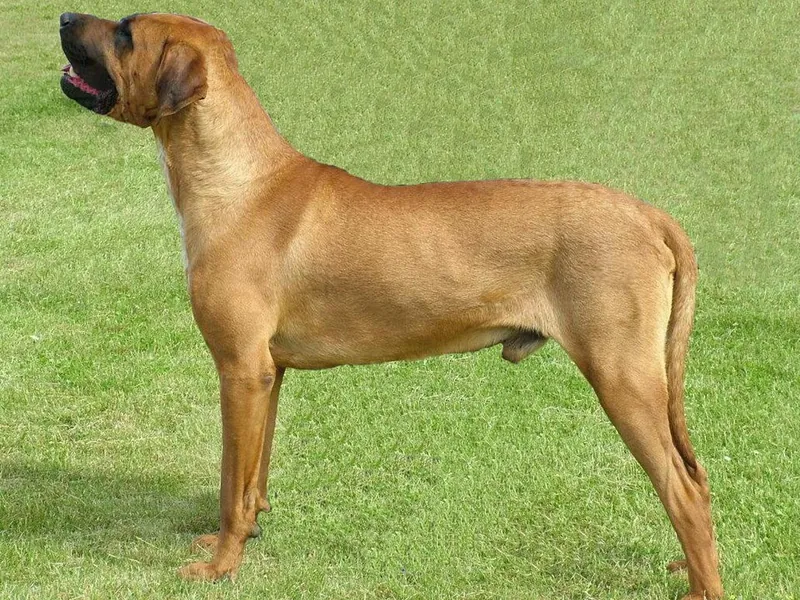
The Tosa is a giant, powerful mastiff with a broad skull, a square, medium-length muzzle, small hanging ears and a dignified, watchful expression. It has a deep, broad chest, a straight back and loose skin that forms a dewlap on the neck. Adults weigh roughly 99 to 201 lb and stand from about 22 inches upward. The FCI standard sets a minimum of about 23.6 inches for males and about 21.7 inches for females, with no upper limit.
Size varies a great deal by line. Dogs bred in Japan are often lighter and more athletic, while many lines bred elsewhere are taller and much heavier. Males are clearly larger, with a heavier head and more pronounced dewlap.
The coat is short, hard and dense. Accepted colors are red, fawn, apricot, black and brindle. Small white markings on the chest and feet are permitted, and a black mask is common.
Temperament and Personality
The Tosa is generally calm, quiet and patient with its family, and watchful with strangers. It has a strong protective instinct.
Many Tosas do not tolerate unfamiliar dogs, and our data rates the breed low with other pets. Its size and strength require an owner who can manage it confidently.
Tosas tend to be quiet and do not bark without reason. They are often affectionate and sensitive with their own people and dislike harsh treatment. With well-mannered children in its own family a Tosa can be tolerant, but its size alone makes supervision essential.
Same-sex dog aggression and intolerance of unfamiliar dogs are common, so careful management for life is part of owning this breed.
Are Tosas Good for First-Time Owners?
No, the Tosa is not a good choice for first-time owners. Although many Tosas are calm and gentle with their families, the combination of giant size, a strong protective instinct and frequent intolerance of other dogs calls for an owner with solid experience of large guardian or mastiff breeds.
Ownership also involves practical hurdles that are hard to manage without experience: secure fencing, reliable control in public, careful dog introductions and legal checks. In some places the breed is banned or needs special permits. Beginners who love mastiffs often do better starting with a breed that is less restricted and more tolerant of other dogs.
Are Tosas Aggressive?
With their own people, Tosas are typically calm, quiet and affectionate. The breed standard describes a patient, composed dog, and well-bred, well-socialized Tosas are usually reserved rather than hostile with strangers.
Behavior toward other dogs is the main concern. The breed was developed for dog fighting, and many Tosas do not tolerate unfamiliar dogs, especially of the same sex. Combined with their strength, this means any conflict can cause serious injuries. This history is why some countries list the breed in legislation. Responsible ownership involves careful breeder selection, extensive socialization, lifelong management around dogs and strong equipment.
Can a Tosa Live in an Apartment?
An apartment is rarely a suitable home for a Tosa. The breed is calm indoors, but a dog that can weigh up to 201 lb needs space, and shared hallways, elevators and frequent encounters with neighbors' dogs create situations that are hard to control.
Many landlords and buildings also restrict giant breeds or specific breeds, and some insurance policies will not cover a Tosa. A house with a securely fenced yard, a quiet location and limited dog traffic suits the breed far better. Even then, plan for daily leash walks at times and in places where you are unlikely to meet unfamiliar dogs.
Exercise and Training
Moderate daily exercise, such as long leash walks, is enough. Mental work and training matter.
- Socialize extensively from puppyhood.
- Train with calm, consistent, reward-based methods.
- Use secure fencing and strong equipment.
- Avoid over-exercising puppies; the breed matures slowly.
Because it is so strong, the Tosa must have reliable leash manners before it reaches adult size. Puppy classes, everyday obedience and controlled exposure to traffic, people and environments are all important.
Grooming and Shedding
The short coat needs weekly brushing. Clean skin folds and wipe drool regularly. Shedding is moderate.
Shedding is moderate, and the loose skin and lips mean drool towels are useful. Check ears and skin folds weekly, and keep nails short to support the feet of this heavy dog.
Feeding and Nutrition
The Tosa matures slowly, and controlled growth matters more than speed. Feed a complete diet formulated for large or giant breed puppies, which limits calcium and energy density, and keep the puppy lean with a visible waist. Avoid supplements unless your vet recommends them, and do not push weight gain for size.
As a deep-chested giant, the Tosa is at risk of bloat. Feed two or three measured meals a day instead of one large one, avoid exercise for about an hour around meals and use a slow feeder for fast eaters. Feed in a calm spot, and if you have other animals, feed them separately to prevent food guarding and gulping.
Adults have moderate exercise needs and can gain weight easily, which puts strain on joints and ligaments. Weigh your dog every few weeks and adjust portions. Wipe the lips and skin folds after meals to prevent irritation, and keep training treats small, since a lot of reward-based work goes into handling a dog of this size.
| Adult weight | Less active | Typical adult | Very active |
|---|---|---|---|
| 99 lb | 1,700 kcal | 1,940 kcal | 2,430 kcal |
| 150 lb | 2,320 kcal | 2,650 kcal | 3,320 kcal |
| 201 lb | 2,890 kcal | 3,300 kcal | 4,130 kcal |
Estimates use the resting energy formula veterinarians work with (70 × body weight in kg0.75) and standard activity factors. Use the feeding guide on your food as a starting point and adjust to body condition. Puppies, seniors, pregnant animals and pets that need to lose weight have different needs, so ask your vet.
Health and Lifespan
Tosas typically live 10 to 12 years. Giant size places stress on joints, and the breed matures slowly, according to the AKC. Choose parents screened for hip and elbow dysplasia, keep the dog lean, and watch for bloat.
Rapid growth and heavy weight put pressure on bones and ligaments, so feed a diet formulated for large-breed puppies and avoid forced running or jumping during growth. Regular vet checks are recommended.
Tosa Price and Cost of Ownership
Tosas are rare in the US, and only a small number of breeders work with them, so there is no reliable published price range. Prices vary widely by breeder, lines and whether dogs are imported. Be cautious with any seller who cannot show health screening for hips and elbows and cannot discuss temperament openly. Occasionally Tosas or Tosa mixes appear in rescues, often needing experienced homes.
Ongoing costs are those of a giant breed: large amounts of food, higher prices for weight-based medications and anesthesia, and oversized crates, beds and harnesses.
Legal and housing costs can also apply. Some areas restrict the breed or require permits, liability insurance or special containment, and some homeowner and renter policies exclude it. Secure, tall fencing and strong equipment are essential investments, and some owners budget for a preventive gastropexy.
Is the Tosa Right for You?
The Tosa suits experienced giant-breed owners with secure property and no other pets. It is not for first-time owners, apartments or homes with frequent dog contact. Always check local laws first.
Consider practical issues carefully: insurance, rental agreements, housing restrictions and transportation can all be harder with a Tosa. Owners must also plan for the cost of feeding and caring for a giant dog.
Tosa Traits at a Glance
Tosa FAQ
How big do Tosas get?
They weigh roughly 99 to 201 pounds and stand from about 22 inches at the shoulder upward.
Is the Tosa banned?
In the UK it is listed under the Dangerous Dogs Act 1991. Some other countries, states and cities restrict it too, so check local rules.
Are Tosas good family dogs?
They can be calm and loyal with family but need experienced handling.
Do Tosas drool?
Yes, moderately.
How long do Tosas live?
About 10 to 12 years.
Are Tosas good with other dogs?
Often not. Many are intolerant of unfamiliar dogs and need careful lifelong management.