Japanese Dog BreedsNative spitz dogs and companion breeds
Japanese dog breeds include the native spitz-type Nihon Ken, such as the Shiba Inu and Akita, along with companion breeds like the Japanese Chin and Japanese Spitz. Many are clean, loyal and reserved, with a strong independent streak. This page helps you compare them and understand what each needs from an owner.
All Japanese Dog Breeds
The Six Native Nihon Ken
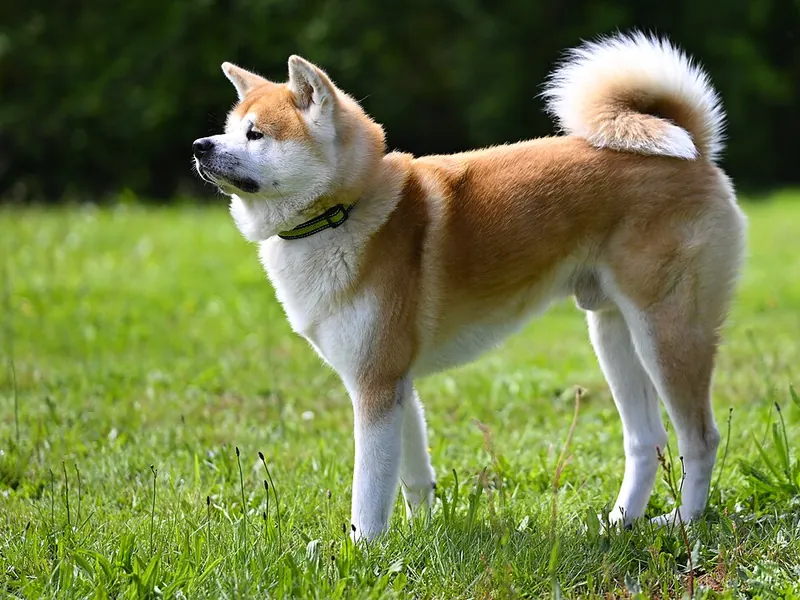
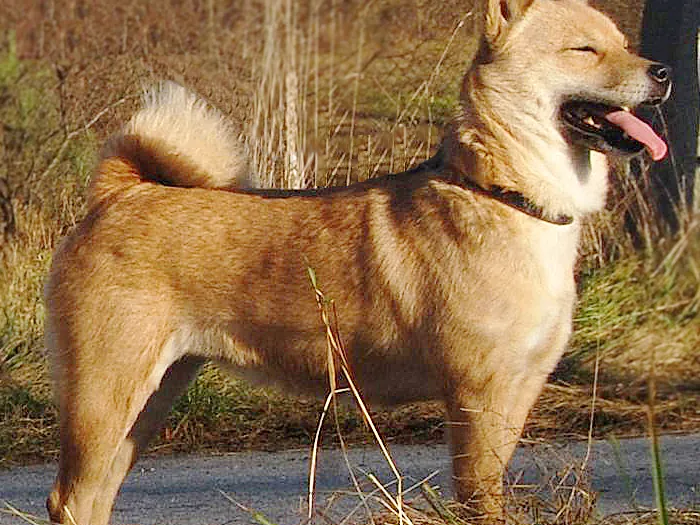
Japan has designated six native breeds as natural monuments: the Akita, Kishu Ken, Shikoku, Hokkaido, Kai Ken and Shiba Inu. All are spitz-type dogs with prick ears, curled or sickle tails and double coats. Most were hunting dogs in mountainous regions, tracking game such as deer and wild boar.
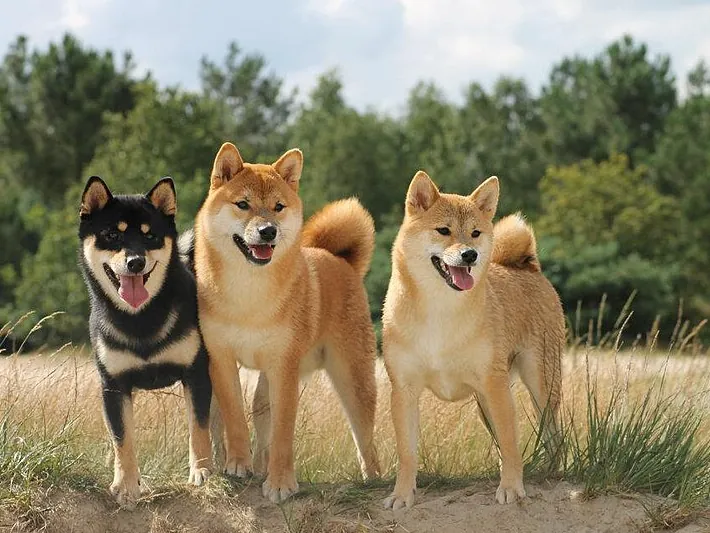
- Shiba Inu: the smallest and most widespread, alert and bold.
- Akita: the largest, dignified and protective of its family.
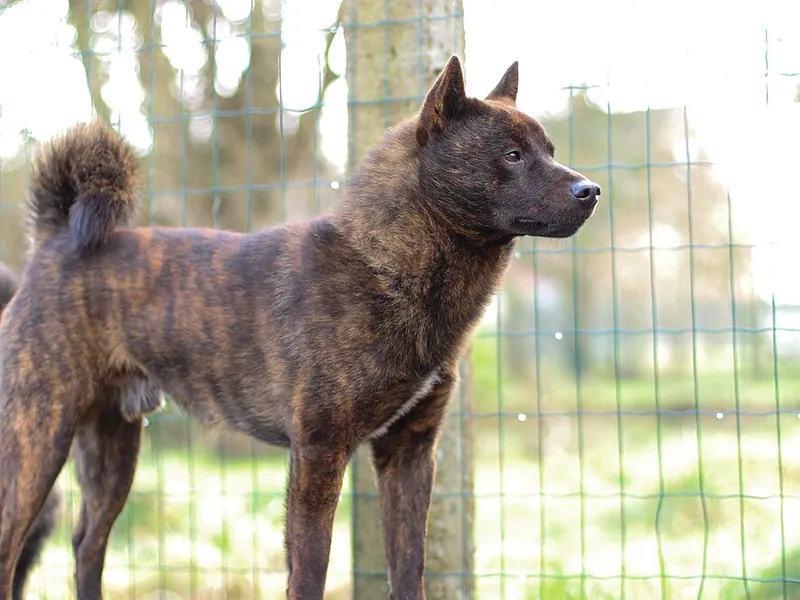
- Kai Ken: a brindle hunting dog from the mountains of Yamanashi.
- Kishu Ken: usually white, quiet and devoted.
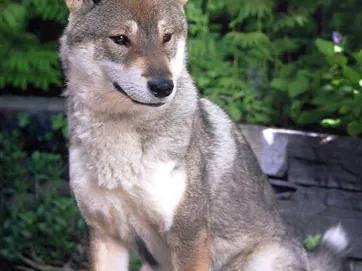
- Shikoku: a medium-sized hunter often described as wolf-like in appearance.
- Hokkaido: a hardy northern dog adapted to cold, snowy winters.
Temperament: Loyal but Independent
The native breeds are often called cat-like. They are clean, usually quiet indoors and deeply attached to their own people, but often aloof with strangers and less eager to obey than retrievers. Many have a strong prey drive and can be selective with other dogs, especially of the same sex. Early socialization, patient reward-based training and secure fencing are essential.
Many owners find these breeds rewarding precisely because of their dignity and self-reliance. Expect respect to be earned through calm, consistent handling rather than demanded.
Japanese Companion Breeds
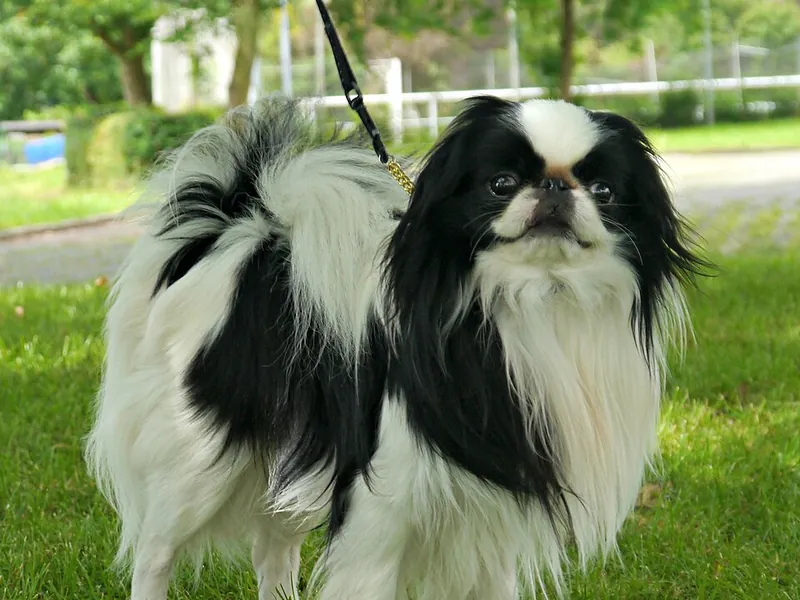
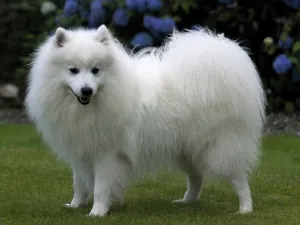
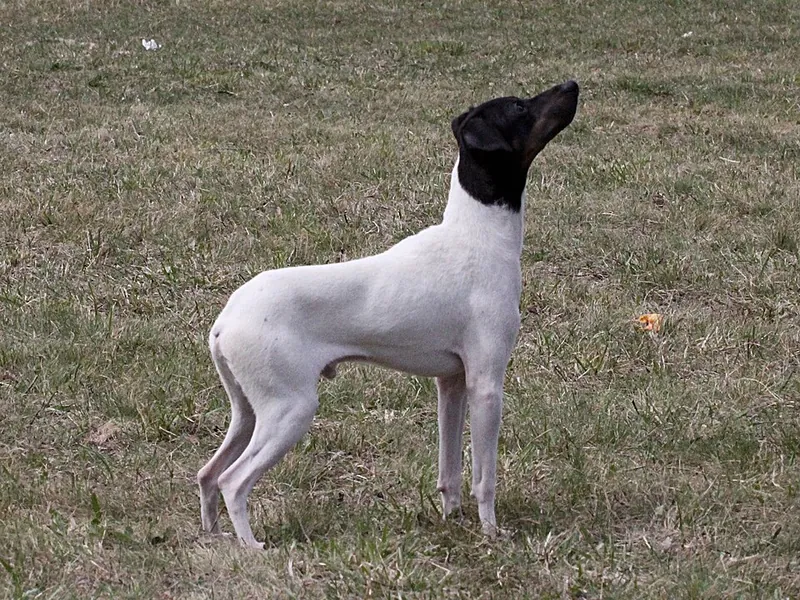
The Japanese Chin, Japanese Spitz and Japanese Terrier were kept mainly as companions. The Chin is a small, cat-like lapdog with a flat face, so watch for breathing and heat issues. The Japanese Spitz is a cheerful white dog with a fluffy stand-off coat, and the Japanese Terrier is a rare, short-coated small terrier.
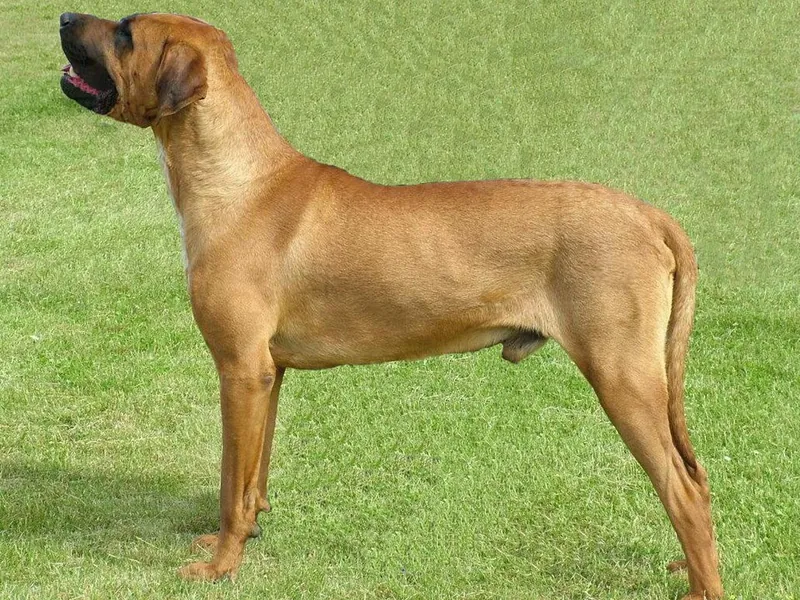
The Tosa
The Tosa is a large mastiff-type breed from Japan. It is restricted in some countries, including under the UK Dangerous Dogs Act, and in some other jurisdictions, so check local rules before considering one. Like any giant breed, it needs experienced handling, early socialization and plenty of space.
Restrictions can change, so always check the current rules where you live and travel.
Care Tips
Expect heavy seasonal shedding from the double-coated breeds, usually twice a year. Choose breeders who health-test for joint and eye conditions; the Shiba Inu is also known for a tendency toward allergies. The Akita exists in two types, the Japanese Akita and the heavier American Akita, which some kennel clubs treat as separate breeds.
Native Japanese breeds can be hard to find outside Japan, especially the Kai Ken, Kishu Ken, Shikoku and Hokkaido. Expect waiting lists, and look for breeders who are transparent about health testing and temperament. Brushing two or three times a week, and daily during coat blows, keeps shedding manageable.
Frequently Asked Questions
What is the most popular Japanese dog breed?
The Shiba Inu is the best-known Japanese breed worldwide, and the Akita is also widely recognized.
Are Japanese dog breeds good for first-time owners?
Most native Japanese breeds are independent and reserved, so they suit owners with some experience. The Japanese Chin and Japanese Spitz are more forgiving companions.
What is the difference between an Akita and a Shiba Inu?
Both are Japanese spitz breeds, but the Akita is a large, powerful dog while the Shiba is the smallest native breed. Both are loyal and independent.
Do Japanese dog breeds shed a lot?
The spitz-type breeds shed heavily, especially during seasonal coat blows. The short-coated Japanese Terrier sheds far less.
Is the Japanese Chin really Japanese?
Its ancestors likely came from China, but the breed was developed in Japan as a companion of the nobility.
Not sure which breed fits you?
Answer 8 quick questions and get breeds ranked for your home, schedule and experience.