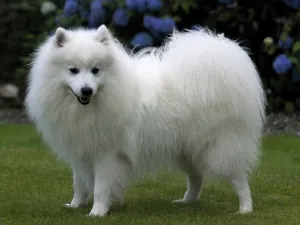
Japanese SpitzCheerful white companion with a fluffy coat
The Japanese Spitz is a small, snow-white companion with a fluffy coat, upright ears and a curled tail. Cheerful, affectionate and easy to train, it is a great choice for first-time owners who can provide regular brushing and plenty of company.
Why people love the Japanese Spitz
- Cheerful, affectionate and friendly with visitors
- Usually good with children and other pets
- Easy to train with positive methods
- Adapts well to apartment living
- Generally robust with few major health issues
Things to consider
- White double coat needs regular brushing
- Seasonal shedding can be heavy
- Dislikes being left alone for long periods
- Tear staining needs regular cleaning
- Rare in the US, puppies often imported
Is this breed right for you?
10 questions · live resultHistory and Origin
The breed was developed in Japan in the 1920s and 1930s from white spitz-type dogs that came to the country from abroad, likely including German Spitz and other Nordic-type dogs. Japanese breeders refined them into a smaller, elegant companion.
The Japan Kennel Club standardized the breed after World War II, and it gained popularity in Japan in the 1950s. The Kennel Club in the UK lists it in the Utility Group, while the AKC does not recognize it.
The breed is popular in Australia, Scandinavia and the UK. It shares a resemblance with the Samoyed and the white American Eskimo Dog, but it is a distinct breed with its own standard.
Size, White Coat and Expression
The Japanese Spitz is a small, well-proportioned spitz with a pointed muzzle, small triangular ears, dark almond eyes and a plumed tail carried over the back. It stands 12 to 15 inches tall and weighs about 11 to 20 lb. Males are slightly taller and heavier, often 13 to 15 inches, while females are smaller and more refined.
The body is slightly longer than tall, with a deep chest and a level back. The black nose, lips and eye rims contrast strikingly with the white coat and give the breed its bright, alert expression.
The coat is a pure white double coat, with a straight, stand-off outer coat and a short, dense, soft undercoat. The coat forms a ruff around the neck, longer feathering on the forelegs and trousers on the hind legs. The face, ears and front of the legs have shorter hair. White is the only accepted color, and the coat's texture helps dirt brush out easily once dry.
Temperament and Personality
Japanese Spitz are lively, affectionate and playful. They form close bonds with their family and tend to be friendly with visitors once they have been introduced. Many are gentle with children and get along well with other pets.
They are alert and will announce strangers, but they are not known as excessive barkers, which sets them apart from some other spitz breeds. They like company and may struggle when left alone for long periods.
Japanese Spitz are often described as having a sunny, adaptable outlook. They enjoy family activities, from walks to car trips, and usually settle well when their needs for companionship and activity are met.
Is the Japanese Spitz Good for First-Time Owners?
Yes, the Japanese Spitz is often a good choice for first-time owners. It is friendly, eager to please, easy to train with positive methods and moderate in its exercise needs.
Beginners should be ready for regular grooming: brushing two to three times a week, more during seasonal shedding, plus cleaning around the eyes to reduce tear staining. The breed also prefers company and may struggle when left alone for long periods. If you can offer daily walks, play and attention, the Japanese Spitz is a cheerful, adaptable first dog.
Can a Japanese Spitz Live in an Apartment?
Yes, the Japanese Spitz is well suited to apartment living. It is small, adaptable and generally not an excessive barker, which makes it easier in shared buildings.
Plan for daily walks and play sessions to keep it fit and content. Indoor games, trick training and puzzle toys help on bad-weather days. Expect hair on floors and furniture during seasonal shedding. Teach calm behavior at the door, since the breed will alert you to visitors. Easy access to outdoor space for potty breaks and short walks makes daily life easier.
Can Japanese Spitz Be Left Alone?
Japanese Spitz can be left alone for a few hours, but they prefer company and may struggle with long absences. They form strong bonds with their family and can become anxious or bored when isolated.
Practice short absences from puppyhood and build up gradually. Leave a chew or food puzzle and a comfortable bed in a safe area. Keep departures and returns calm. For long workdays, a dog walker, daycare or a family member who can visit helps a lot. A second friendly dog can also provide company.
Exercise and Training
Moderate exercise is enough: daily walks and play sessions. They enjoy agility, trick training and games that let them interact with their people.
- Use positive methods; they learn quickly and like to please.
- Practice alone time gradually from puppyhood.
- Provide mental games to prevent boredom.
They do well in apartments if they get daily outings. Many enjoy learning tricks and can become stars in obedience classes thanks to their eagerness and focus.
Grooming and Shedding
The pure white double coat looks high-maintenance but has a texture that tends to shed dirt once dry. Brush two to three times a week, more during seasonal shedding. Do not shave the coat, as it insulates and protects the skin.
Bathe only when needed. Clean around the eyes to reduce tear staining.
Many owners are surprised by how quickly a muddy Japanese Spitz becomes white again: let the coat dry, then brush the dirt out. Pay extra attention to the dense ruff, the trousers and behind the ears, where knots form first.
Feeding and Nutrition
The Japanese Spitz is a small, moderately active dog that can gain weight easily, especially as a companion with limited exercise. The thick coat hides extra pounds, so check ribs and waist by hand.
- Feed puppies three or four small meals a day, then two meals for adults.
- Measure portions and adjust to activity and body condition.
- Patellar luxation is the main health concern in the breed, and lean body weight reduces strain on the knees.
- Some Japanese Spitz have environmental allergies or sensitive skin. If you notice itching or ear problems, talk to your vet before changing foods.
Use small treats for training and count them as part of the daily ration. Regular tooth brushing helps prevent dental disease, which is common in small breeds. Fresh water should always be available.
| Adult weight | Less active | Typical adult | Very active |
|---|---|---|---|
| 11 lb | 330 kcal | 370 kcal | 470 kcal |
| 16 lb | 430 kcal | 500 kcal | 620 kcal |
| 20 lb | 510 kcal | 590 kcal | 730 kcal |
Estimates use the resting energy formula veterinarians work with (70 × body weight in kg0.75) and standard activity factors. Use the feeding guide on your food as a starting point and adjust to body condition. Puppies, seniors, pregnant animals and pets that need to lose weight have different needs, so ask your vet.
Health and Lifespan
Japanese Spitz are generally robust and typically live 12 to 14 years. Patellar luxation is the main concern reported. Environmental allergies and runny eyes (tear overflow) are also seen.
Choose breeders who screen knees and eyes. Keeping your dog at a healthy weight supports joint health.
Brushing teeth regularly and keeping the area around the eyes clean will help prevent common minor issues. Annual veterinary checks can catch knee problems early.
Japanese Spitz Price and Cost of Ownership
The Japanese Spitz is rare in the US and is not recognized by the AKC, so there is no widely published US price range. A few breeders exist, often linked to the UKC or international registries, and some puppies are imported from Europe, Australia or Asia. Expect waiting lists and possible import costs. Prices vary by breeder, region and lines. Ask for patella and eye checks on both parents.
Rescue dogs are rare, but spitz rescues may occasionally place similar breeds.
Breed-specific ongoing costs include:
- Grooming tools or occasional professional bath-and-dry sessions.
- Tear-stain cleaning supplies.
- Insurance or savings for patellar luxation.
- Dental care, including cleanings.
Is the Japanese Spitz Right for You?
At 11 to 20 lb and 12 to 15 inches, the Japanese Spitz suits apartments, families and first-time owners. It is adaptable and enjoys being part of daily routines.
It is not ideal for owners who are away all day or who dislike brushing.
Japanese Spitz Traits at a Glance
Japanese Spitz FAQ
Are Japanese Spitz good with kids?
Yes, they are usually gentle, playful and good with children.
Do Japanese Spitz bark a lot?
They alert to strangers but are generally not excessive barkers.
Do Japanese Spitz shed?
Yes, moderately year-round and more during seasonal coat changes.
Is the Japanese Spitz the same as a Samoyed?
No. They look similar, but the Japanese Spitz is much smaller and was developed as a companion, while the Samoyed is a larger working breed.
How big do Japanese Spitz get?
They stand about 12 to 15 inches and weigh about 11 to 20 lb.
How long do Japanese Spitz live?
Typically 12 to 14 years.