Best Dog Breeds for ApartmentsCompact, calm companions for city living
A good apartment dog is less about size and more about temperament: moderate energy, a low tendency to bark and an easygoing attitude toward neighbors, hallways and elevators. This list helps renters and city dwellers find breeds that tend to settle well in smaller spaces.
Top 10 Apartment Dog Breeds
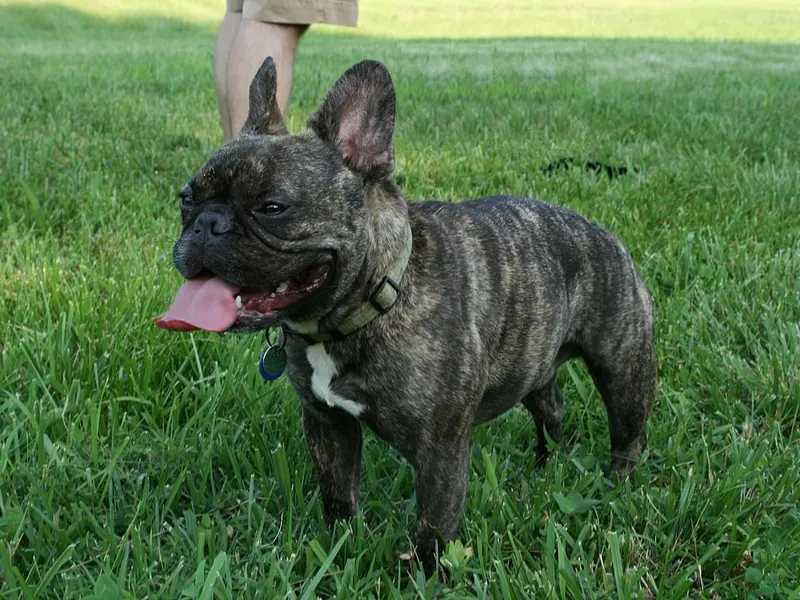
Among the most popular city dogs, the French Bulldog is quiet and low-energy, but its flat face needs care in hot weather.
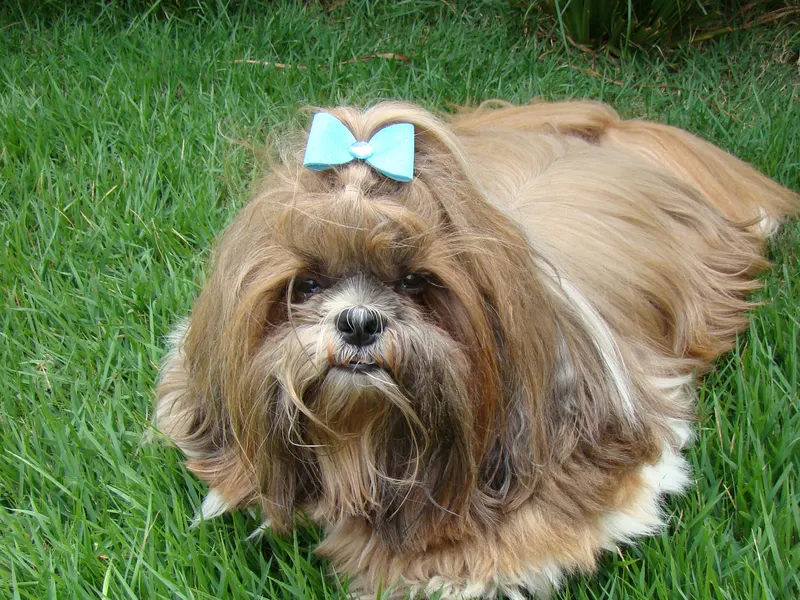
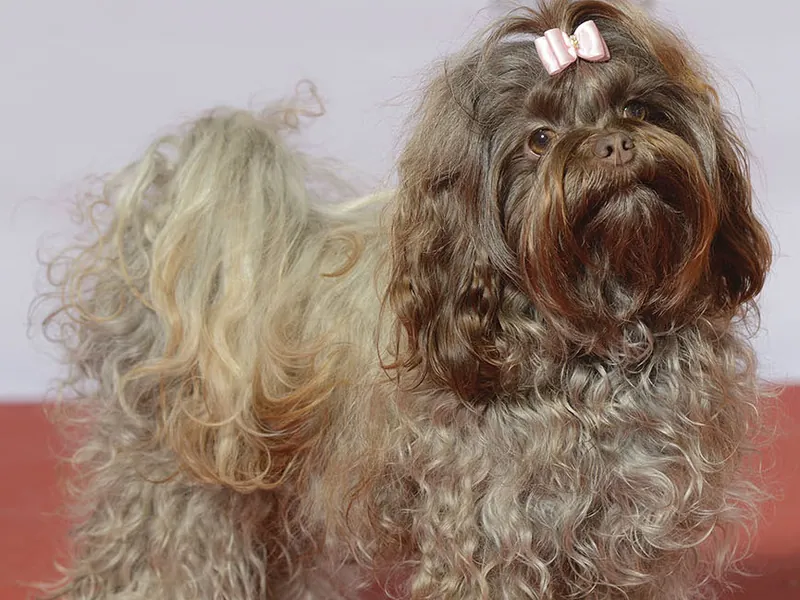
Bred as an indoor companion, the Shih Tzu is small, relaxed and content with short walks, making it a natural apartment dog.
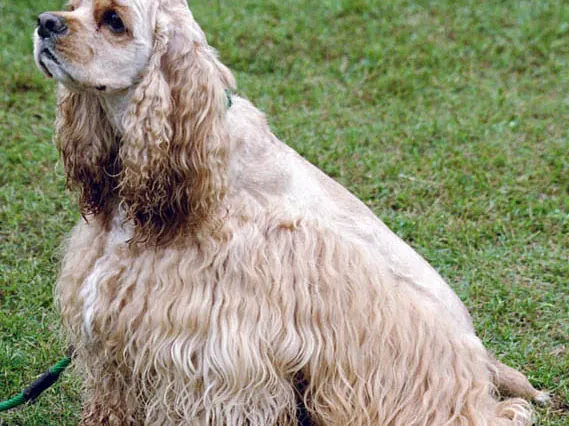
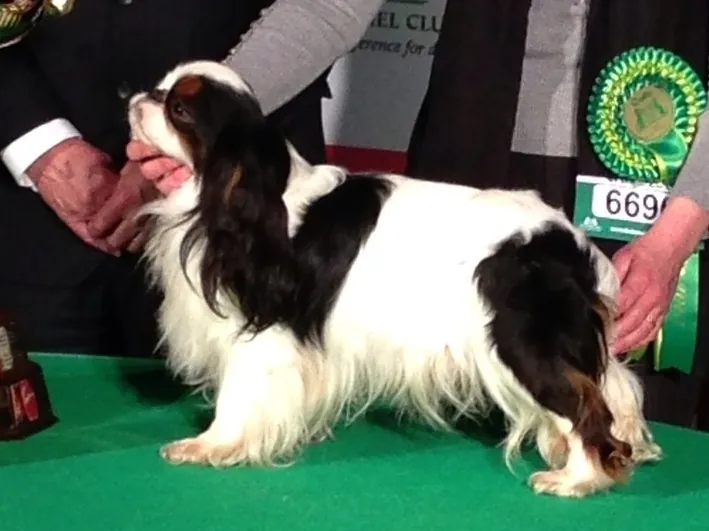
The American Cocker Spaniel is gentle and adaptable indoors, provided it gets daily walks and regular coat care.
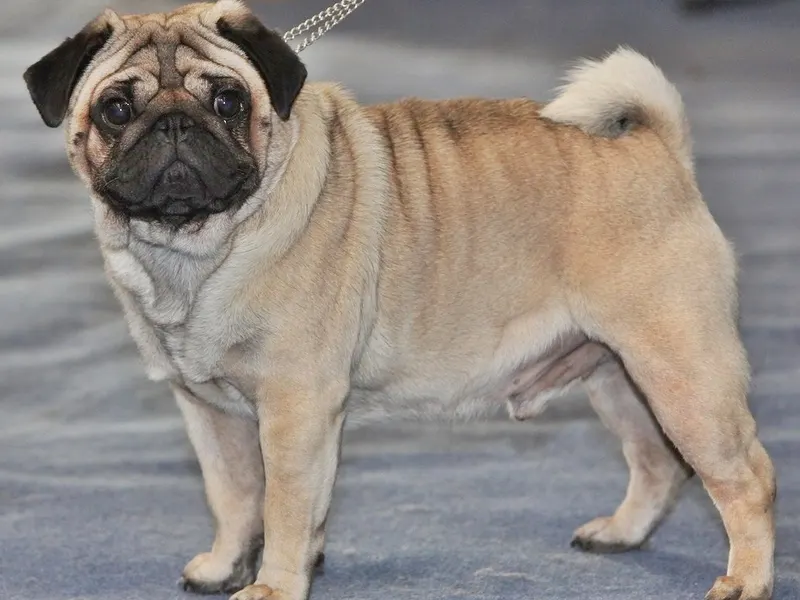
Charming and people-focused, the Pug needs little space, though owners must watch its breathing, weight and heat tolerance.
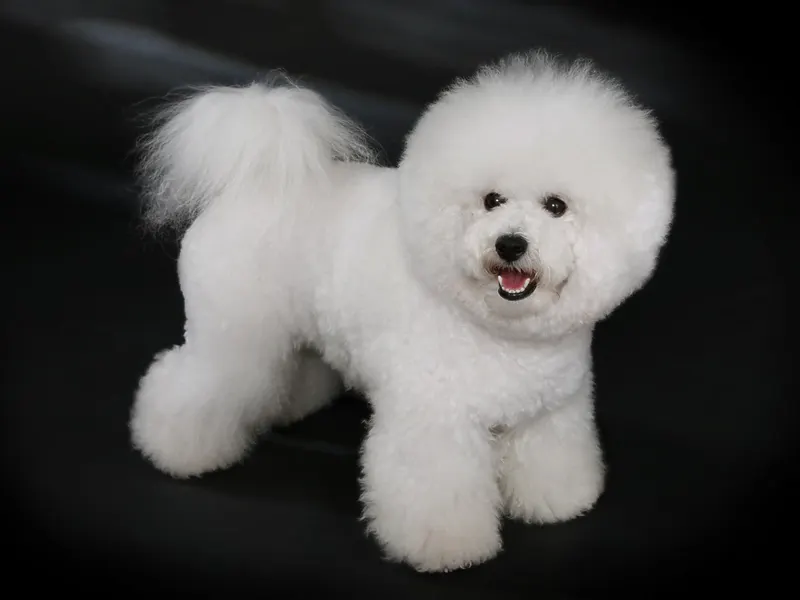
Cheerful, small and low-shedding, the Bichon Frise suits apartments well as long as it is not left alone for long hours.
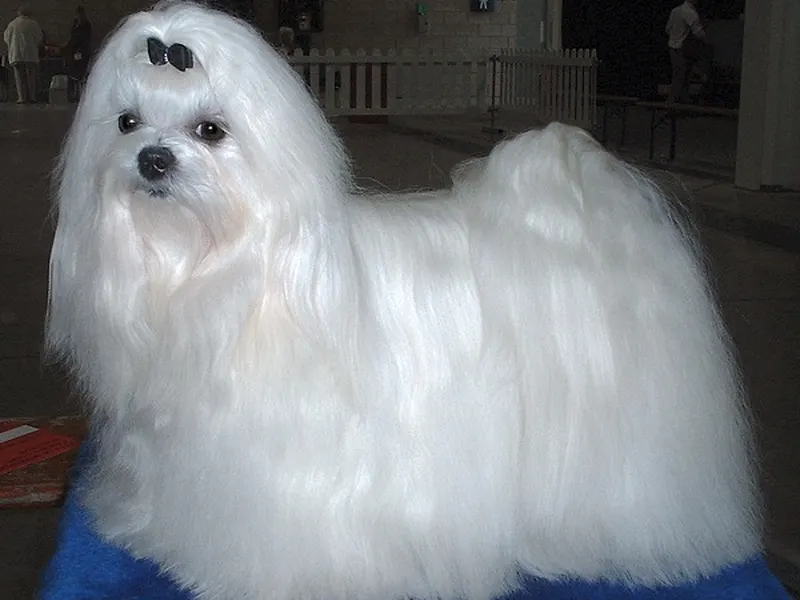
Tiny and affectionate, the Maltese fits easily into small homes and is happy with indoor play and short outings.
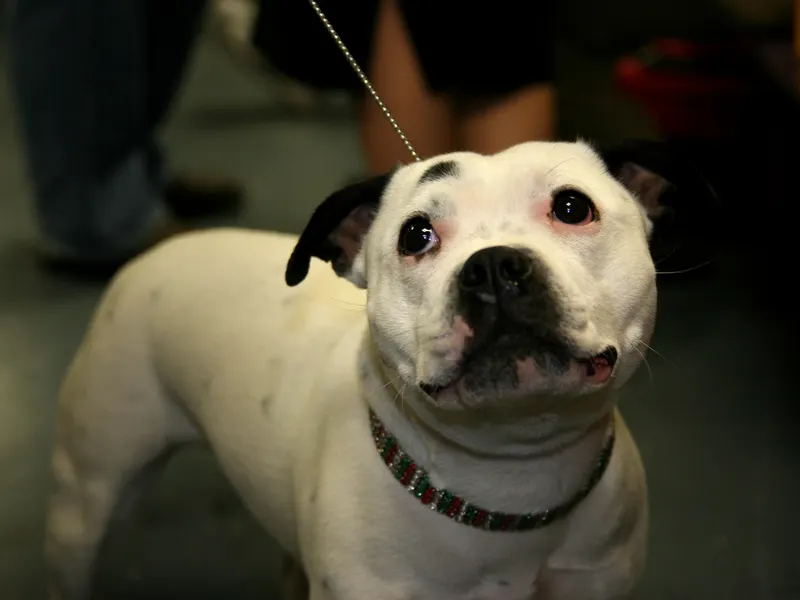
A compact, people-loving terrier, the Staffordshire Bull Terrier adapts to apartments if it gets solid daily exercise and play.
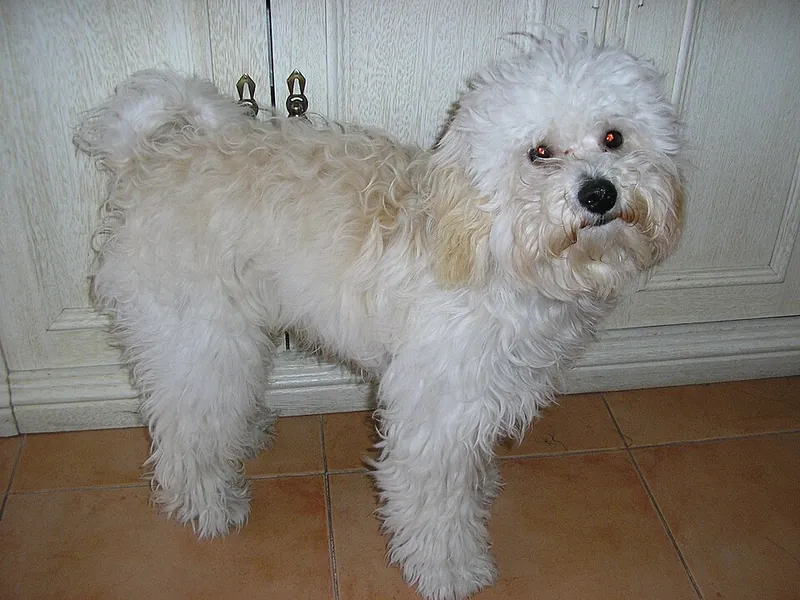
The Bolognese is a calm, quiet lapdog that tends to bark less than many small breeds and loves staying close.
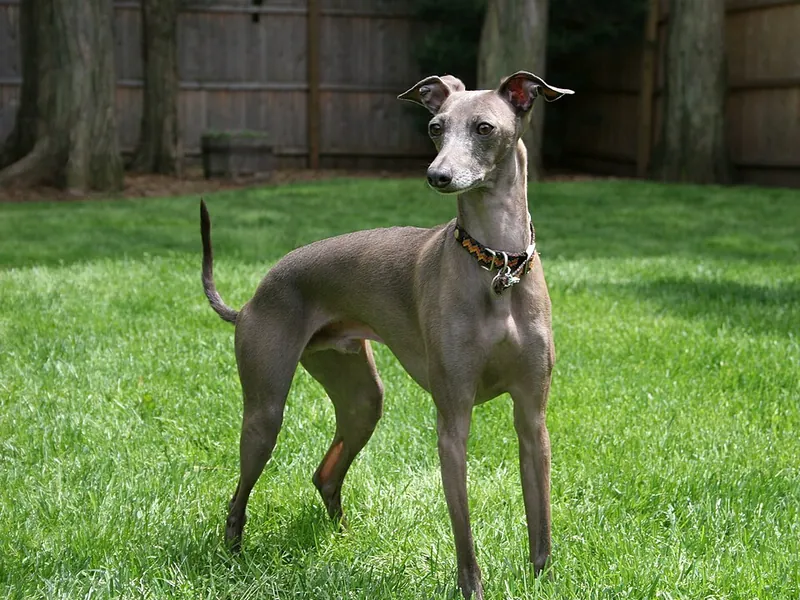
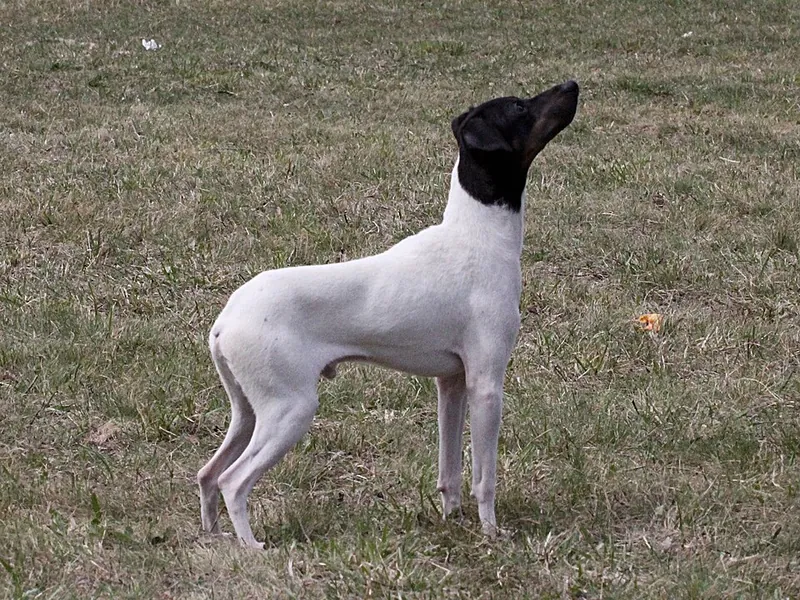
Slim and gentle, the Italian Greyhound is quiet at home and loves a warm sofa, but needs a secure place to run.
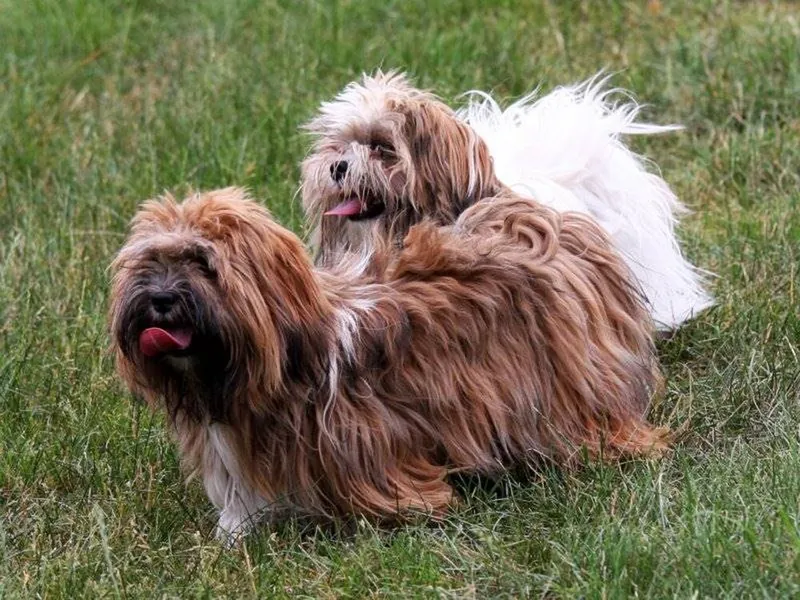
Originally a monastery sentinel, the Lhasa Apso is small and independent, and comfortable in an apartment with consistent training.
All Apartment-Friendly Dog Breeds A to Z
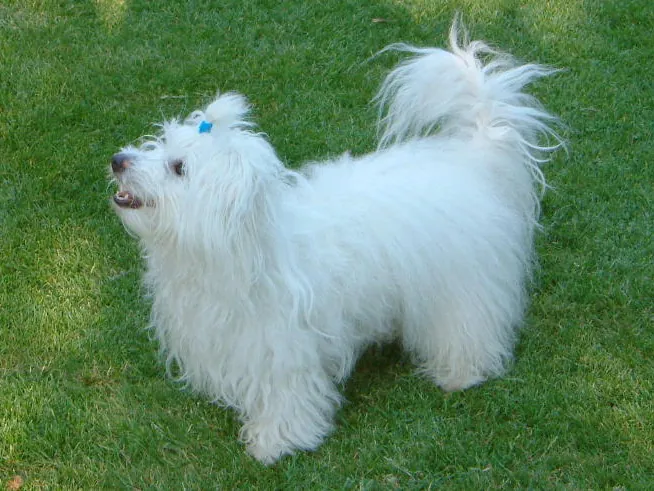
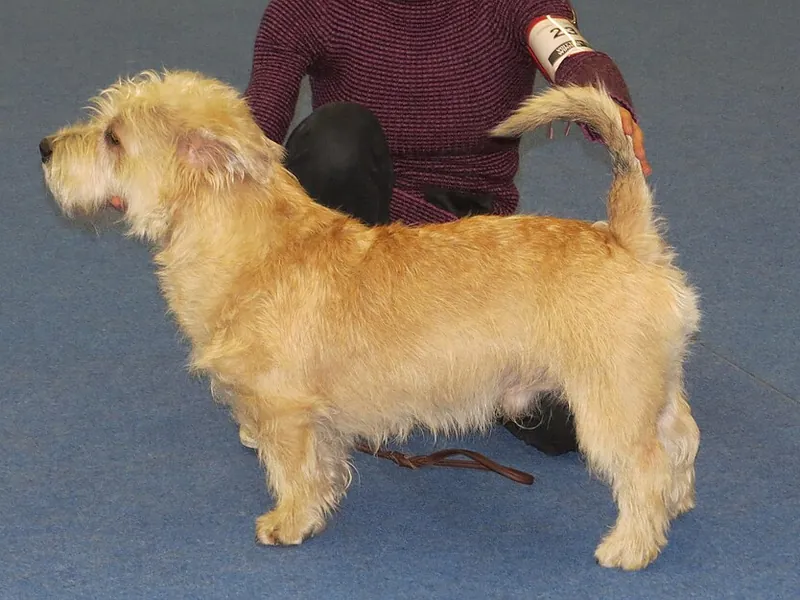
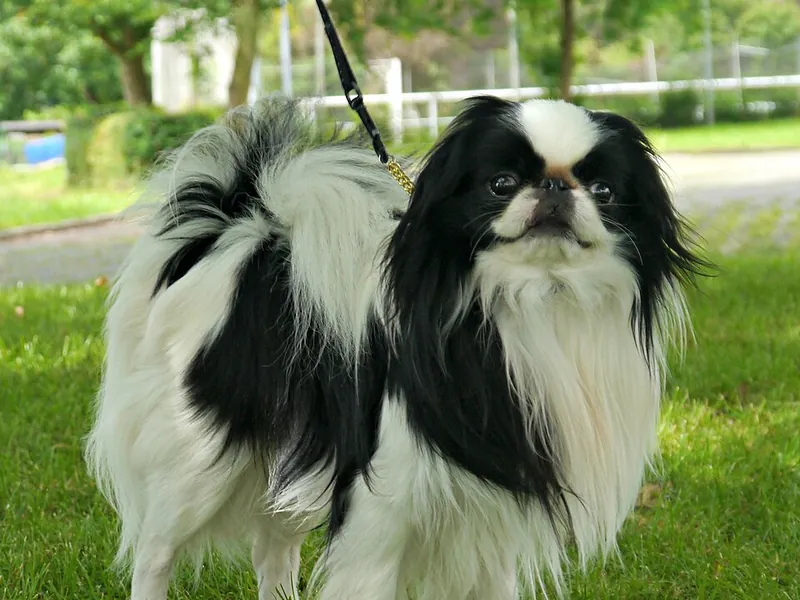

What makes a breed apartment-friendly
Small dogs are not automatically good apartment dogs, and some larger dogs adapt better than expected. Look at these traits:
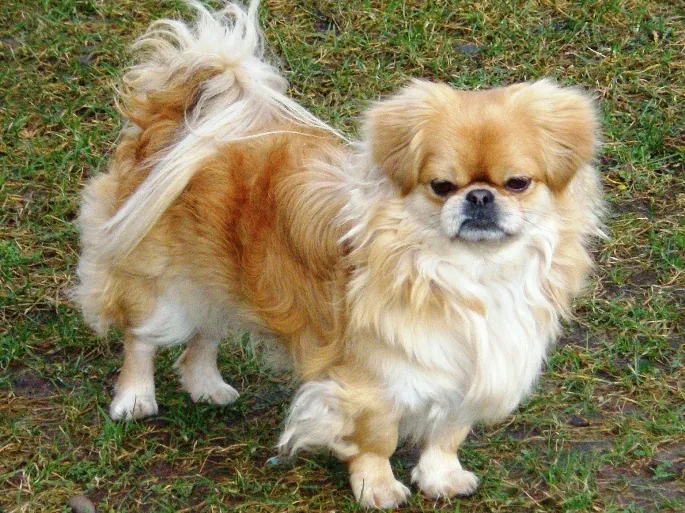
- Energy level: breeds that are content with a couple of walks and some indoor play, like the Shih Tzu, Bolognese and Pekingese.
- Barking: thin walls make a vocal dog a problem. Calmer breeds such as the Bolognese, Japanese Chin and Italian Greyhound tend to be quieter, though individual dogs vary.
- Adaptability: comfort with stairs, elevators, hallway noises and meeting neighbors.
- Coping alone: many companion breeds dislike long periods by themselves, so a work schedule matters as much as square footage.
Exercise and enrichment in small spaces
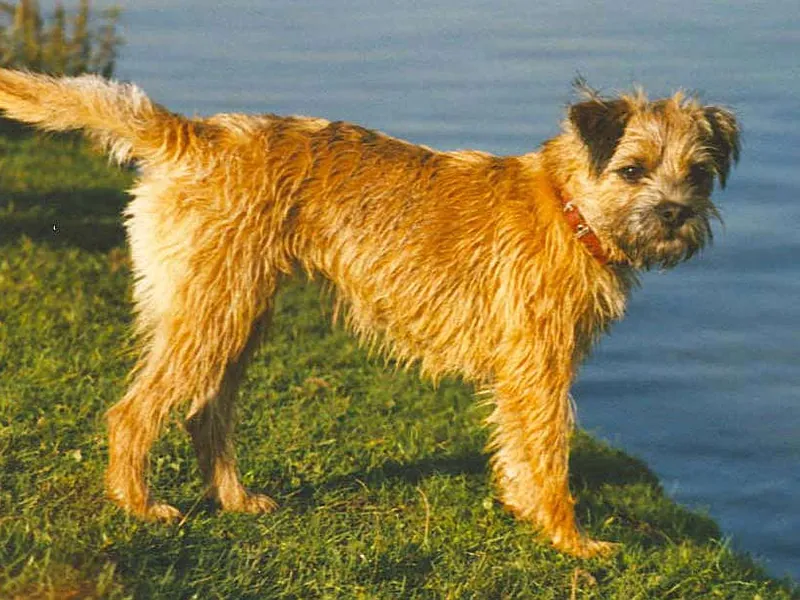
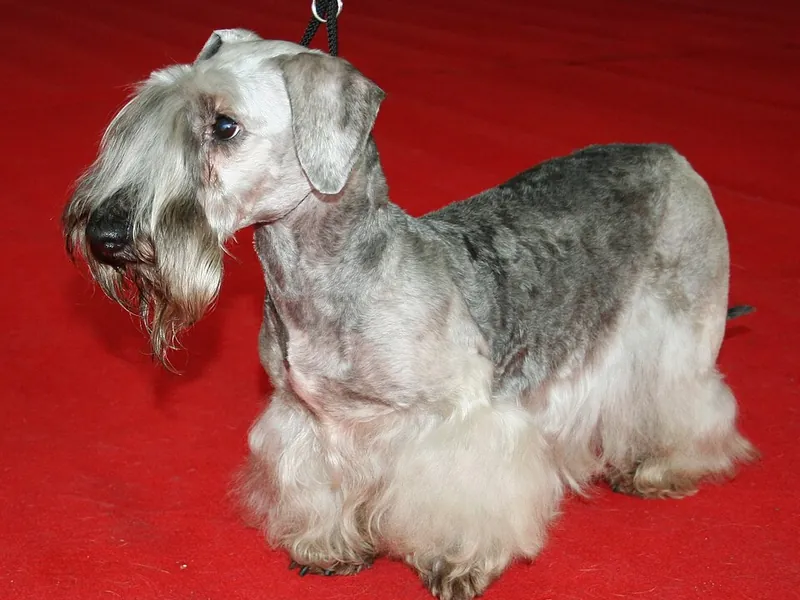
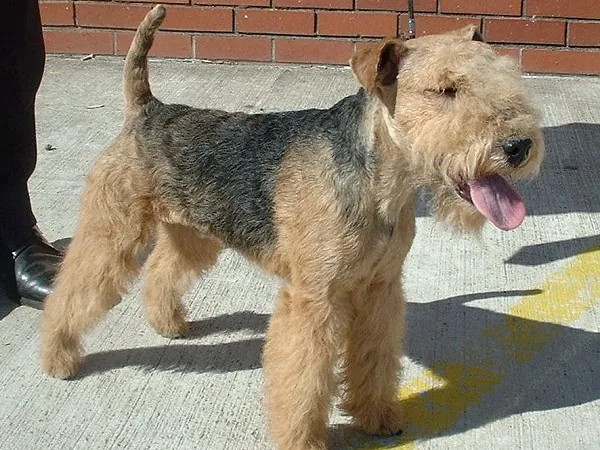
Even the most relaxed apartment dog needs to get out every day. Plan on regular walks, sniffing time and some off-leash play in a secure area if possible. Terriers like the Border Terrier, Lakeland Terrier and Cesky Terrier are compact but busy, so they need more activity and mental work than lapdogs.
Indoors, puzzle feeders, short training sessions and chew toys go a long way. A tired, mentally satisfied dog is far less likely to bark at hallway noises or chew furniture.
Practical tips for renters
Before you choose a breed, check your lease. Many buildings set weight limits or restrict certain breeds, and some require pet deposits or registration. It also helps to think about:
- Potty logistics: if you live on a high floor, house training a puppy takes planning.
- Stairs: long-backed or flat-faced dogs may need help, and small dogs may need carrying if there is no elevator.
- Neighbors: early socialization makes hallway and elevator meetings calmer.
- Floors: rugs give older or slender dogs better grip and reduce noise for the neighbors below.
Health notes for popular apartment breeds
Several favorites on this list, including the French Bulldog, Pug, Pekingese and Shih Tzu, are brachycephalic, meaning they have short muzzles. These dogs can struggle with breathing, heat and intense exercise. Keep them cool in summer, avoid walks in the heat of the day and choose breeders who select for open nostrils and easier breathing.
Small breeds in general are prone to dental disease, so daily tooth brushing is worth building into your routine from puppyhood.
Common mistakes new apartment owners make
Many first-time apartment owners pick a breed on size alone and then struggle with a busy terrier or a vocal small dog. Others skip crate training and alone-time practice, which can lead to barking or anxiety when the dog is left at home. Start with short absences and build up slowly. It also helps to establish a predictable routine for walks, meals and quiet time, so your dog knows when to expect activity and can settle the rest of the day.
Frequently Asked Questions
What is the best dog breed for a small apartment?
Calm, small companion breeds like the Shih Tzu, Maltese, Bolognese and Bichon Frise are often a great fit. Choose based on energy and noise level, not just size.
Can big dogs live in apartments?
Some can, if they are calm and get enough daily exercise. The main barriers are usually high energy levels and building weight limits.
Which apartment dogs bark the least?
Breeds often described as quieter include the Bolognese, Japanese Chin and Italian Greyhound, but training and the individual dog matter a lot.
Are French Bulldogs good apartment dogs?
They are popular city dogs because they are compact and fairly quiet, but their flat faces make them sensitive to heat and exertion.
How much exercise does an apartment dog need?
Most need at least a couple of walks a day plus play and mental enrichment. Terriers and young dogs usually need more.
Not sure which breed fits you?
Answer 8 quick questions and get breeds ranked for your home, schedule and experience.