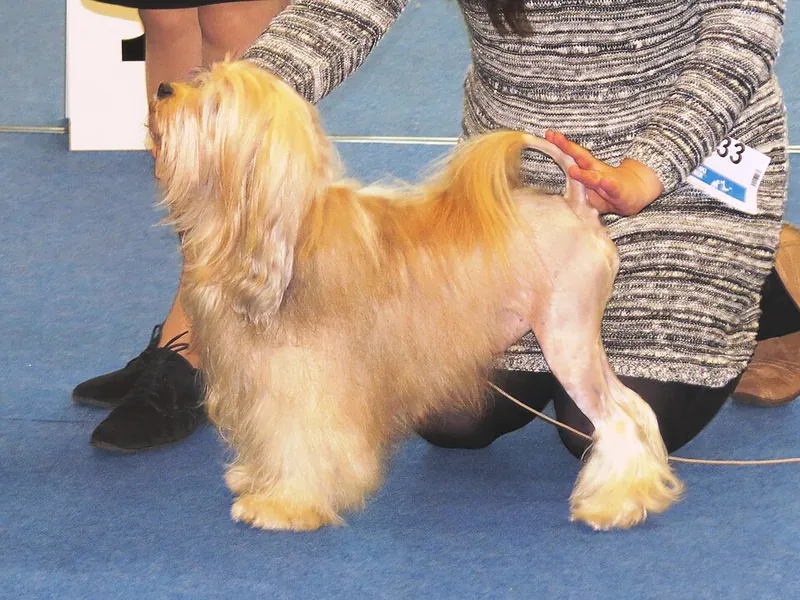
Lhasa ApsoTibet's small, self-assured sentinel
The Lhasa Apso is a small, sturdy dog from Tibet with a long, floor-length coat and a surprisingly serious guard dog personality. It is loyal and playful with its family, cautious with strangers and quite independent. It suits owners who want a compact watchdog and enjoy grooming.
Why people love the Lhasa Apso
- Small, sturdy dog that adapts well to apartments
- Alert watchdog that announces visitors
- Low shedding when the coat is well kept
- Often lives 12 to 15 years or longer
- Moderate exercise needs suit less active owners
Things to consider
- Long coat mats easily without frequent brushing
- Can be stubborn and slow to housetrain
- Often aloof or suspicious with strangers
- Prone to eye conditions linked to prominent eyes
- May not tolerate rough handling from young children
Is this breed right for you?
10 questions · live resultHistory and Origin
Lhasa Apsos were kept for centuries in Tibetan monasteries and noble households around the holy city of Lhasa. Their job was to sound the alarm indoors, while large Tibetan Mastiffs guarded outside. The Tibetan name is often translated as "bark lion sentinel dog".
Lhasas were traditionally given as gifts rather than sold, and some reached China and the West this way. The breed was established in Britain in the early 20th century and recognized by the AKC in 1935. It belongs to the same family of Tibetan breeds as the Shih Tzu and Tibetan Terrier.
Size, Coat and Colors
The Lhasa Apso is a small but sturdy dog that is longer than tall. Adults stand about 10 to 11 inches at the shoulder and weigh roughly 11 to 18 lb. Males are generally at the upper end for height and weight, while females are slightly smaller and finer.
The head has a moderately short muzzle, dark eyes and heavy furnishings with a beard and whiskers. The tail is carried well over the back in a screw, often with a kink at the tip. The build is solid rather than delicate, reflecting its past as an indoor sentinel dog.
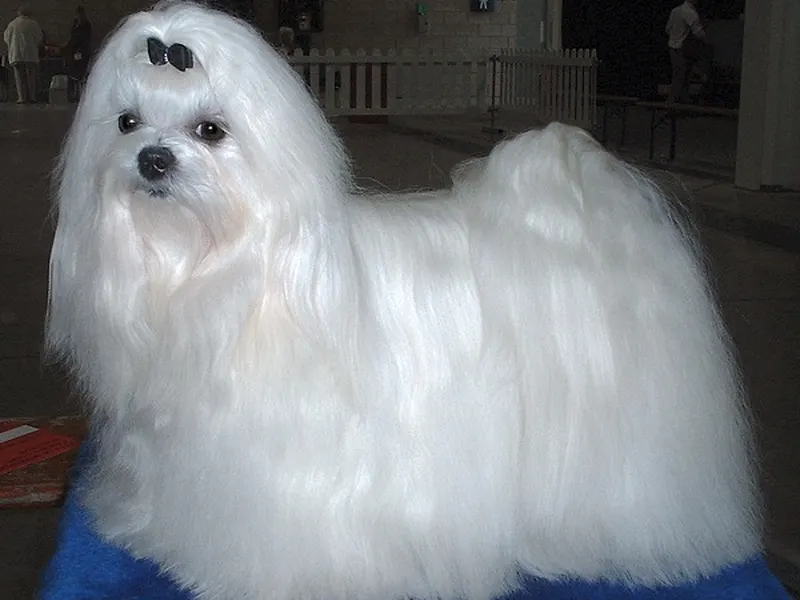
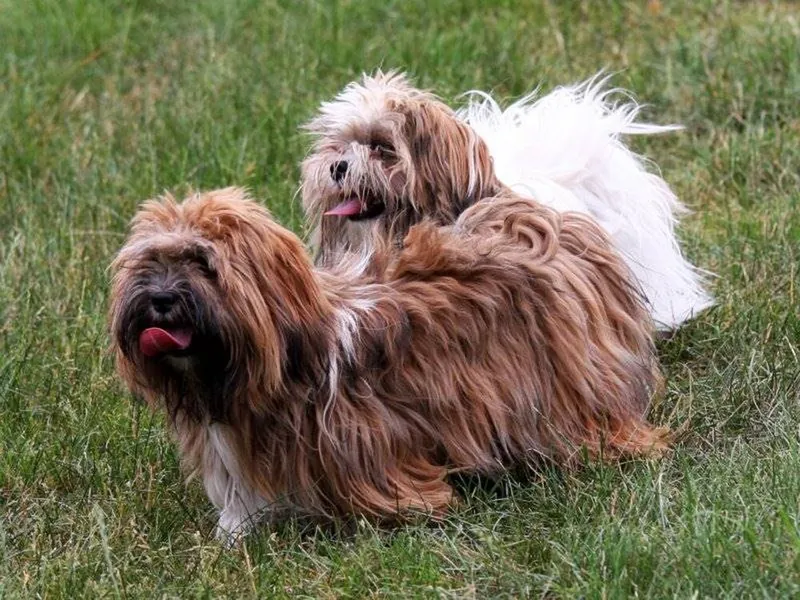
The coat is heavy, straight and hard rather than woolly or silky, with a dense undercoat. In full coat, it reaches the floor. Many pet owners keep a shorter clip. All colors are equally acceptable in the AKC standard, with or without dark tips on the ears and beard. Common colors include gold, cream, honey, red, black, white, slate, smoke and parti-colors. Puppies often change color as the adult coat comes in.
Temperament and Personality
Lhasas are confident, dignified and often comic with family. They have a strong watchdog instinct and will announce every visitor. With strangers they tend to stay aloof until they decide otherwise.
The PDSA and many owners describe the breed as stubborn. Lhasas mature slowly and like to make their own decisions. They do not appreciate rough handling or being pestered, so they suit families with calm, respectful children better than very young kids.
Is a Lhasa Apso Good for First-Time Owners?
It can be, as long as the owner is prepared for coat care and a stubborn streak. The Lhasa's small size and moderate exercise needs make daily care manageable.
Where first-time owners struggle is usually training and handling. Lhasas decide for themselves when to listen, so housetraining can take longer than expected. They also dislike being restrained, which makes grooming, nail trims and vet exams harder unless handling is practiced from puppyhood. A first-time owner who keeps training positive and consistent, books regular professional grooming and socializes the puppy with visitors early can have an easy, rewarding companion.
Is the Lhasa Apso a Good Apartment Dog?
Yes. The Lhasa is a classic apartment breed: small, sturdy and content with short walks and indoor play.
The main issue in shared buildings is barking. Lhasas were bred as indoor alarm dogs and often announce footsteps in the hallway or noises from neighbors. Teach a quiet cue early, reward calm behavior at the door and limit views of busy corridors or streets if your dog reacts. Lhasas generally adapt well to elevators and stairs. A daily routine of two walks, some sniffing time and play keeps most adults content indoors.
Are Lhasa Apsos Easy to Train?
Not especially. Lhasas are intelligent but independent and can be stubborn, so training takes patience rather than force.
They respond best to short sessions, high-value food rewards and a calm, consistent approach. Repetitive drills bore them, and pushing tends to make a Lhasa dig in. Housetraining can take several months, especially in cold or wet weather, so a regular schedule and frequent outings help. Basic manners such as sit, come and calm greetings are realistic goals, and many Lhasas enjoy trick training. Do not expect quick, eager obedience like that of retrievers or herding breeds.
Exercise and Training
A couple of daily walks plus indoor play are usually enough. Lhasas enjoy short games, sniffing walks and puzzle toys. They adapt well to apartments.
Training requires patience. Keep sessions short, use treats and praise, and avoid forcing the issue, which tends to make a Lhasa dig in. Early socialization helps prevent excessive suspicion of strangers and resource guarding. Teach the dog to accept handling of feet, ears and face from puppyhood, since grooming will be lifelong.
Lhasas often enjoy a short walk in any weather thanks to their insulating coat, but they can overheat in hot, humid conditions. Exercise in the cooler parts of the day in summer.
Grooming and Shedding
The Lhasa's heavy, straight coat has a dense undercoat and mats easily. A full show coat needs daily brushing down to the skin and regular bathing. Many pet owners keep the dog in a shorter "puppy cut" every six to eight weeks to reduce work.
- Brush thoroughly several times a week, or daily in full coat
- Keep hair around the eyes clean and trimmed
- Clean ears and trim hair between the paw pads
Shedding is low, since loose hair is trapped in the coat until brushed out.
Feeding and Nutrition
Lhasas are small dogs that put on weight easily, especially once adult activity drops. Their long coat hides weight gain well, so check body condition with your hands: you should be able to feel the ribs without pressing hard. Extra weight adds strain to the kneecaps and back, both concerns in the breed.
Feed puppies three to four small meals a day, then move to two meals for adults. Lhasas mature slowly and can reach their adult weight later than many small breeds, so do not rush to adult portions before your vet advises it.
- Choose kibble of a size the dog can chew comfortably, as a slightly short muzzle and small mouth can make large pieces awkward.
- Dental care matters: small breeds are prone to tartar buildup, so daily brushing helps.
- Wipe the beard after meals to keep it clean and prevent staining or odor.
Lhasas can be picky eaters. Avoid feeding table scraps or constantly switching foods. If skin allergies occur, discuss whether food sensitivities may be involved with your vet. Keep treats small and count them in the daily ration.
| Adult weight | Less active | Typical adult | Very active |
|---|---|---|---|
| 11 lb | 330 kcal | 370 kcal | 470 kcal |
| 14 lb | 390 kcal | 450 kcal | 560 kcal |
| 18 lb | 470 kcal | 540 kcal | 680 kcal |
Estimates use the resting energy formula veterinarians work with (70 × body weight in kg0.75) and standard activity factors. Use the feeding guide on your food as a starting point and adjust to body condition. Puppies, seniors, pregnant animals and pets that need to lose weight have different needs, so ask your vet.
Health and Lifespan
Lhasas commonly live 12 to 15 years and often longer. Their slightly shortened muzzle and prominent eyes contribute to the most common problems, according to the PDSA:
- Eye conditions: progressive retinal atrophy, cataracts, glaucoma, dry eye and cherry eye
- Luxating kneecaps
- Intervertebral disc disease
- Skin allergies
Choose a breeder who eye tests breeding dogs and avoids exaggerated, very short faces. Keep the eyes clean and see a vet promptly if one looks red or cloudy.
Lhasa Apso Price and Cost of Ownership
Typical breeder price in the US$800 to $2,000
A Lhasa Apso puppy from a reputable US breeder typically costs about $800 to $2,000, and prices vary by breeder, region and lines. Show-line puppies may cost more. Lhasas and Lhasa mixes do appear in shelters and breed rescues, so adoption is also an option.
Breed-specific ongoing costs include:
- Professional grooming every six to eight weeks for a pet clip, a significant recurring expense.
- Eye care: routine exams and possible treatment for dry eye, cherry eye or glaucoma.
- Dental cleanings, which small breeds often need more frequently.
- Possible treatment for luxating kneecaps or back problems.
- Insurance, worth considering for eye and orthopedic conditions.
Is the Lhasa Apso Right for You?
A Lhasa is a good match for apartment dwellers, seniors and adult households that want a small dog with presence and watchdog alertness. It copes reasonably well with moderate time alone.
It is less suited to owners who want an easily obedient dog, homes with toddlers, or anyone unwilling to budget time or money for coat care.
Lhasa Apso Traits at a Glance
Lhasa Apso FAQ
Are Lhasa Apsos hypoallergenic?
They shed very little and are often tolerated by people with mild allergies, but no breed is completely hypoallergenic.
How big do Lhasa Apsos get?
They stand about 10 to 11 inches tall and weigh roughly 11 to 18 lb.
Are Lhasa Apsos good with kids?
They can be affectionate with respectful older children but may not tolerate rough handling, so they suit calm homes best.
Do Lhasa Apsos bark a lot?
They are alert watchdogs and will bark at visitors and noises; training can keep it manageable.
How long do Lhasa Apsos live?
Typically 12 to 15 years, and many live longer.
How often should I groom a Lhasa Apso?
A long coat needs daily brushing; a short pet trim needs brushing a few times a week and a clip every six to eight weeks.