Oldest Dog BreedsBreeds with the deepest genetic roots
The oldest dog breeds are those that genetic studies place closest to the ancient roots of the domestic dog, such as the Basenji, Saluki, Akita and Chow Chow. Many come from regions where dogs were bred in relative isolation for long periods. This guide explains what ancient really means and what these breeds are like to live with today.
The Oldest Dog Breeds
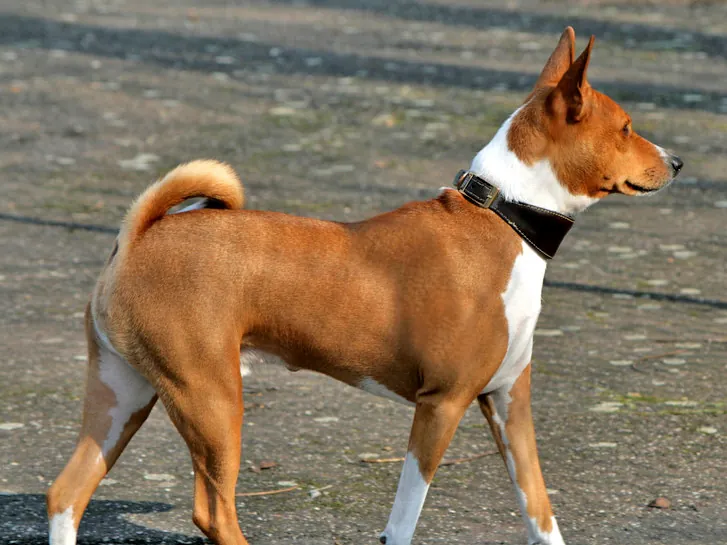
A Central African hunting dog known for yodeling instead of barking, and one of the most genetically distinct breeds.
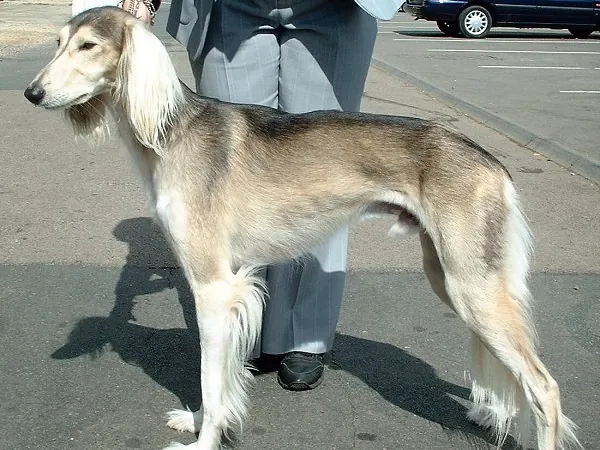
A graceful sighthound of the Middle East, long prized for coursing game across open desert.
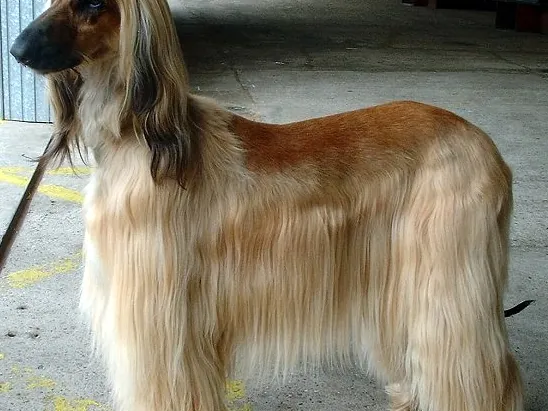
From the mountains of Afghanistan, its long coat and agile build suited hunting in harsh, rugged terrain.
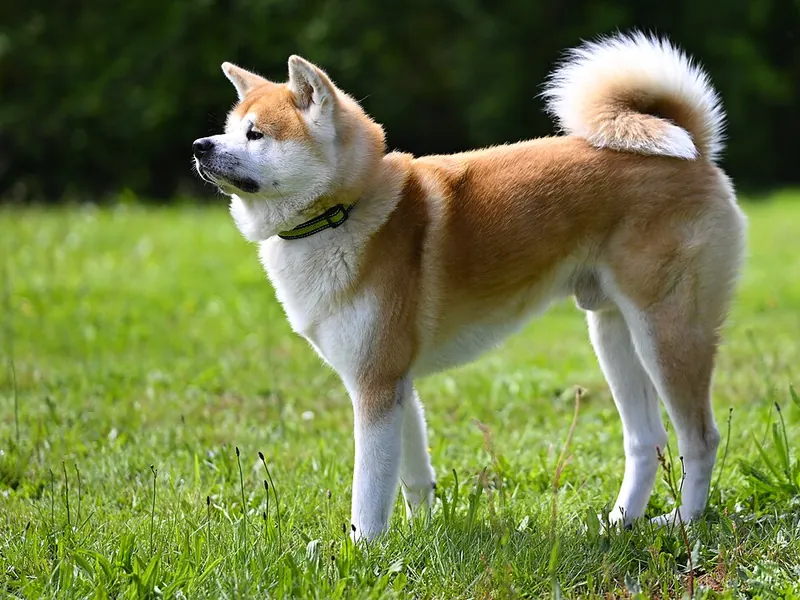
A powerful Japanese spitz from the mountainous Akita region, consistently placed among the ancient genetic lineages.
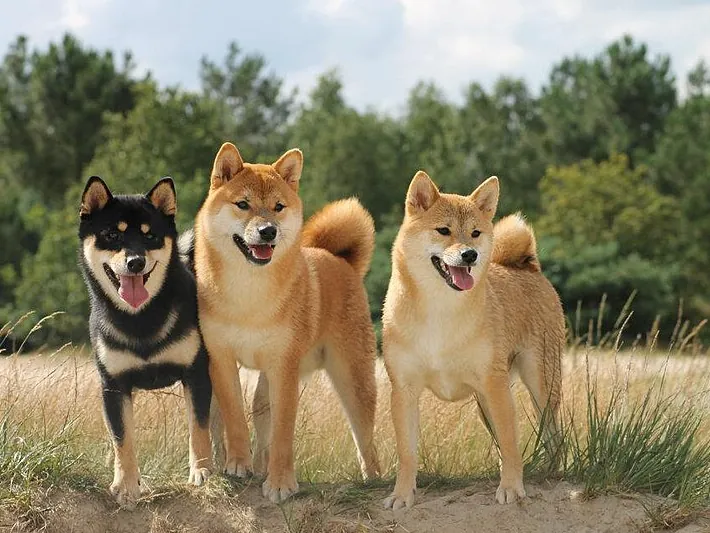
Japan's smallest native breed, a nimble hunting spitz with a bold, independent spirit.
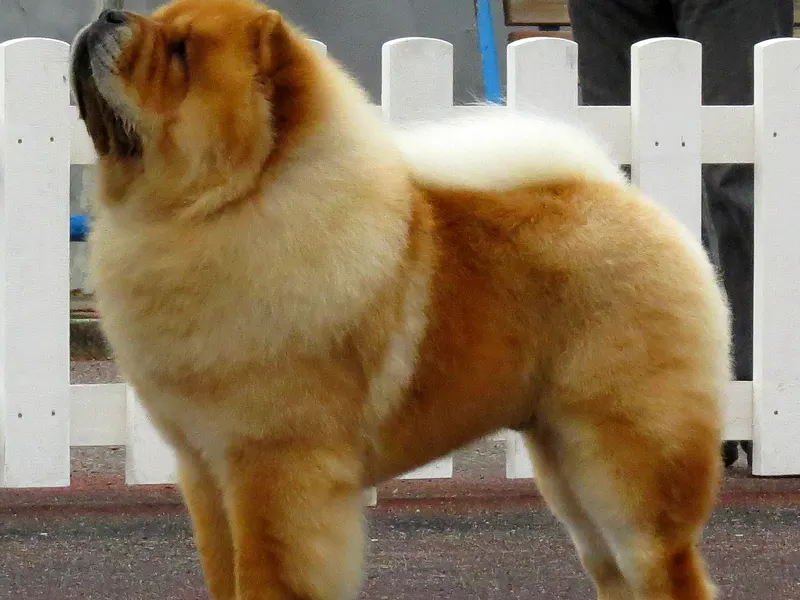
An ancient Chinese breed instantly recognizable by its lion-like ruff and blue-black tongue.
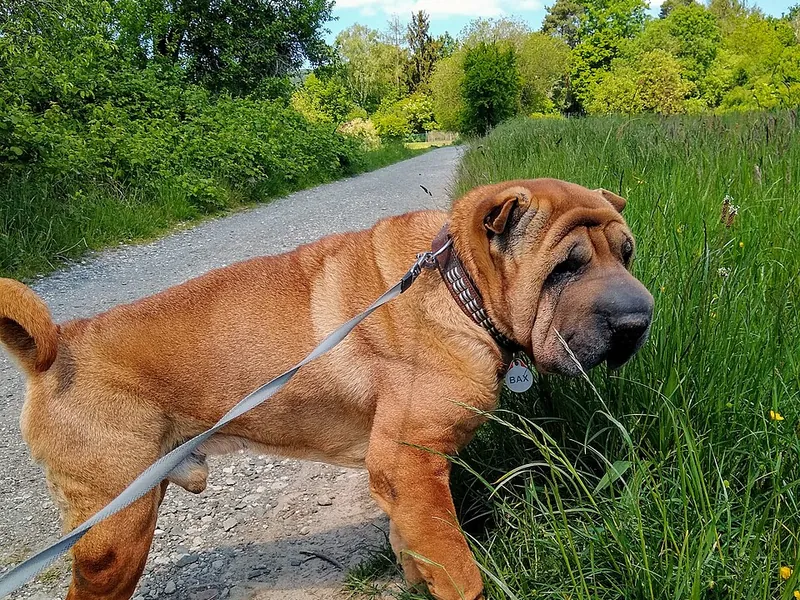
From southern China, famous for its loose wrinkles, bristly coat and blue-black tongue.
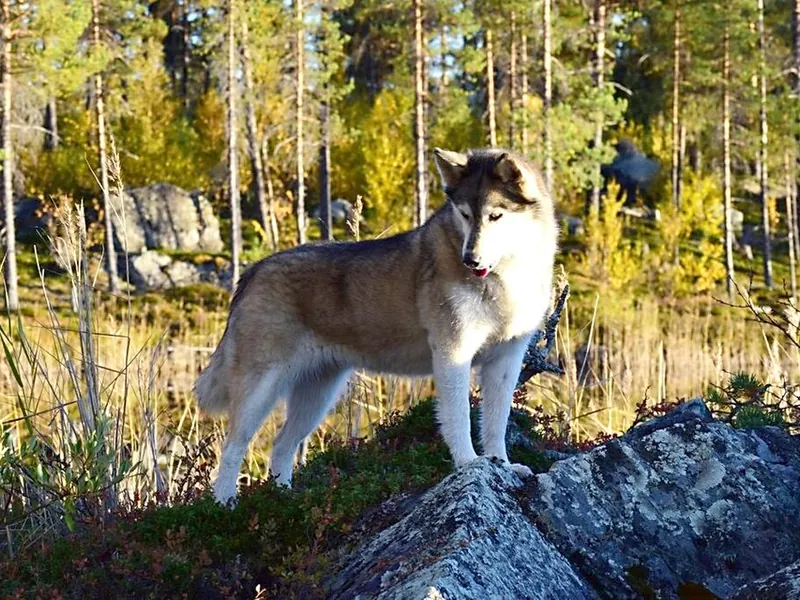
Developed by the Chukchi people of northeastern Siberia as a light, enduring sled dog.
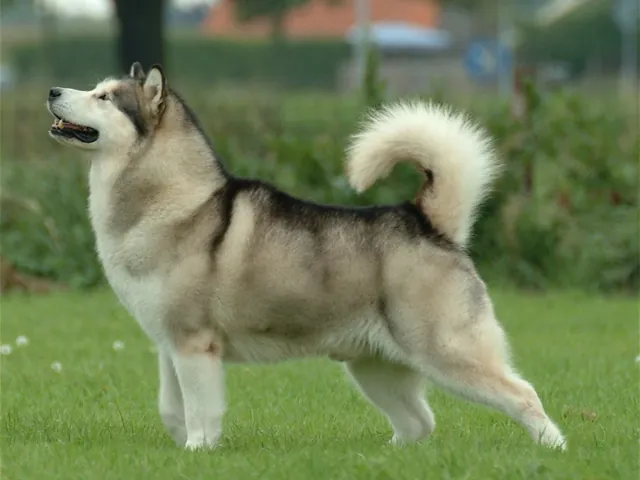
Named after the Mahlemut people of Alaska, this freighting dog belongs to an old Arctic lineage.
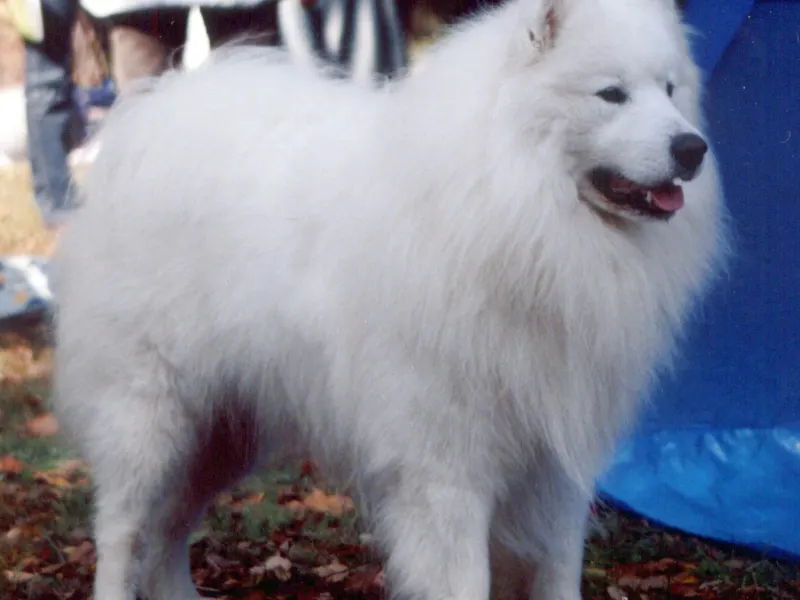
Kept by the Samoyedic peoples of Siberia to herd reindeer, pull sleds and keep families warm.
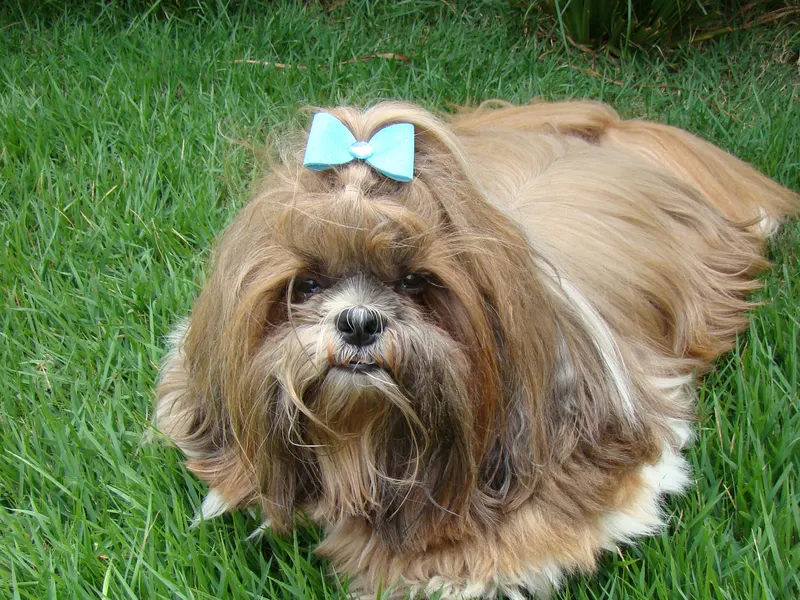
With roots in Tibet, the Shih Tzu was refined as a palace companion in imperial China.
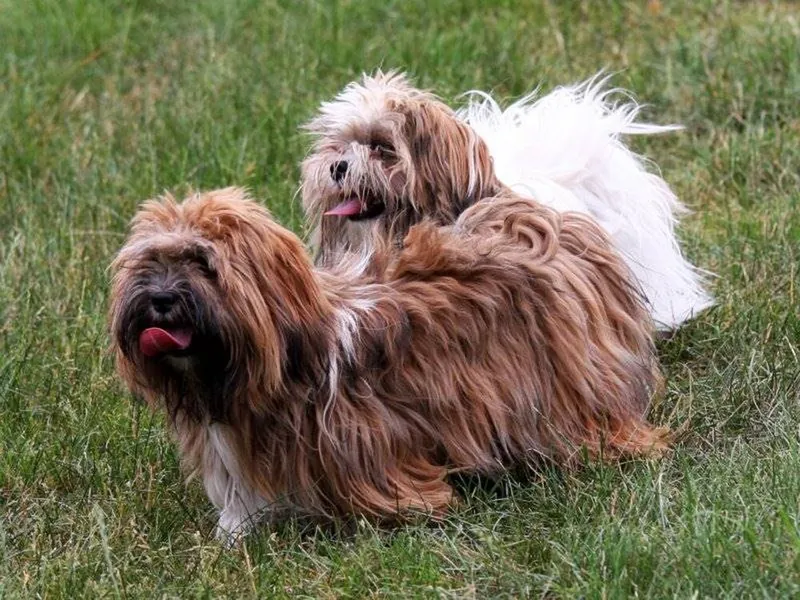
Bred in Tibet as an indoor sentinel for monasteries and homes, with a keen alarm bark.
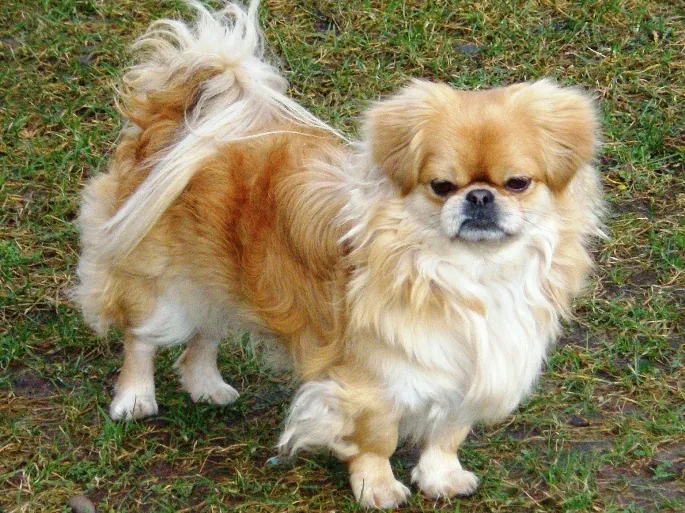
A lion-like companion once reserved for the Chinese imperial court, genetically among the older breeds.
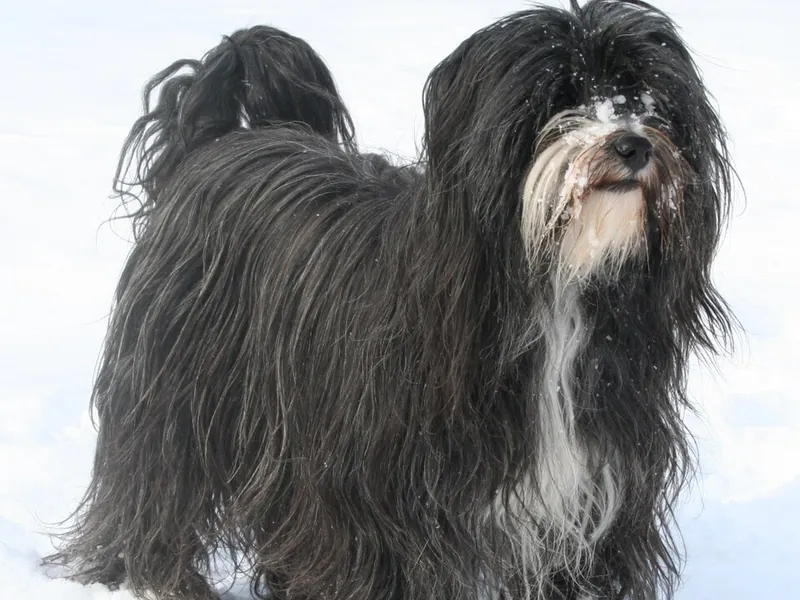
Not a true terrier, this Tibetan all-rounder served as a companion and herding helper in the Himalayas.
All Ancient Dog Breeds A to Z
What Makes a Breed Ancient
Most modern breeds took shape in the last two centuries, when breed clubs and stud books were founded. A small group of breeds, however, stands apart genetically. A widely cited 2004 genetic study grouped breeds such as the Basenji, Saluki, Afghan Hound, Akita, Shiba Inu, Chow Chow, Shar-Pei, Siberian Husky, Alaskan Malamute and Samoyed as distinct from most modern European breeds. Later research has broadly supported the idea of these so-called basal breeds.
Ancient does not mean unchanged. Today's breed standards are recent, and several old breeds went through population bottlenecks and were rebuilt in the 19th and 20th centuries.
Where the Oldest Breeds Come From
- Africa and the Middle East: the Basenji from Central Africa and the Saluki, a sighthound of desert regions.
- Central Asia: the Afghan Hound, built for rugged mountain terrain.
- East Asia: the Akita and Shiba Inu from Japan, and the Chow Chow, Shar-Pei and Pekingese from China.
- Tibet: the Lhasa Apso, Tibetan Terrier and the Shih Tzu, which was developed further at the Chinese imperial court.
- The Arctic: the Siberian Husky, Alaskan Malamute and Samoyed, kept by northern peoples for sledding and herding.
Living With an Ancient Breed
Many basal breeds share an independent, sometimes cat-like temperament. The Basenji, Shiba Inu and Chow Chow tend to be clean, reserved with strangers and less eager to follow commands than retrievers or herding dogs. Training works best with patience, short sessions and high-value rewards.
Sighthounds like the Saluki and Afghan Hound have a strong chase instinct and should run off leash only in securely fenced areas. Arctic breeds need lots of activity and do best in cooler climates.
Health Notes
Old does not mean problem-free. Some ancient breeds have known breed-specific concerns, such as kidney conditions in the Basenji, eyelid and skin fold problems in the Shar-Pei and Chow Chow, and breathing difficulties in flat-faced breeds like the Pekingese and Shih Tzu. Choose breeders who health-test their dogs and can explain the main risks for the breed.
Choosing an Ancient Breed
Ancient breeds are rewarding companions for owners who enjoy a dog with its own mind. The small Tibetan breeds, such as the Lhasa Apso, Shih Tzu and Tibetan Terrier, adapt well to apartment life and need regular grooming. The Japanese and Chinese breeds tend to be reserved and need early, ongoing socialization. Sighthounds and Arctic breeds need space to run and secure fencing.
Before committing, read about the breed's original work. A dog bred to hunt alone in the mountains or pull sleds across the tundra will bring those instincts into your home.
Frequently Asked Questions
What is the oldest dog breed in the world?
There is no single proven answer. The Basenji and Saluki are often named, and genetic studies place breeds like these, along with the Akita and Chow Chow, among the most ancient lineages.
Are ancient dog breeds closer to wolves?
Genetically, these basal breeds show older lineages and less mixing with modern European breeds, but they are fully domestic dogs, not wolves.
Are ancient breeds harder to train?
Many are more independent than modern working breeds. They can learn well, but they respond best to patient, reward-based training and may not obey as eagerly.
Is the Saluki older than the Greyhound?
The Saluki is generally considered one of the oldest sighthound lineages, and genetic studies place it among the basal breeds, unlike the modern Greyhound.
Why do so many ancient breeds come from Asia and the Arctic?
Dogs in these regions often bred in relative isolation, with less crossing with the European breeds developed in the 19th century, which helped preserve older lineages.
Not sure which breed fits you?
Answer 8 quick questions and get breeds ranked for your home, schedule and experience.