Shih TzuImperial companion bred for the lap
The Shih Tzu was kept as a companion in the Chinese imperial court and has been bred for friendship, not work, for centuries. It is affectionate, outgoing and adaptable, but its long coat and short muzzle bring grooming and health needs owners should understand.
Why people love the Shih Tzu
- Friendly with visitors, children and other pets
- Low exercise needs suit seniors and city living
- Sheds very little when kept groomed
- Low prey drive, relaxed with small pets
- Long lifespan, often well into the teens
Things to consider
- Daily brushing or regular professional trims are essential
- Short muzzle limits heat tolerance and exercise
- Prominent eyes need daily cleaning and care
- House training can take a long time
- Dental crowding is common in the small mouth
Health note: this breed is affected by health concerns linked to its body shape. Read the health section and choose a breeder who health-tests and breeds for moderate features.
Is this breed right for you?
10 questions · live resultHistory and Origin
The Shih Tzu probably developed from small dogs sent from Tibet as gifts to the Chinese imperial court, likely crossed with the Pekingese. The name means lion dog in Chinese, reflecting the lion symbolism important in Buddhism. Palace breeders kept the dogs as companions for the royal family.
After the fall of the Chinese monarchy, the breed nearly vanished. A few dogs reached Britain and Scandinavia in the 1930s, forming the basis of the modern breed. The AKC recognized the Shih Tzu in 1969. The FCI lists Tibet as the country of origin, with Britain responsible for the standard.
Size, Coat and Colors
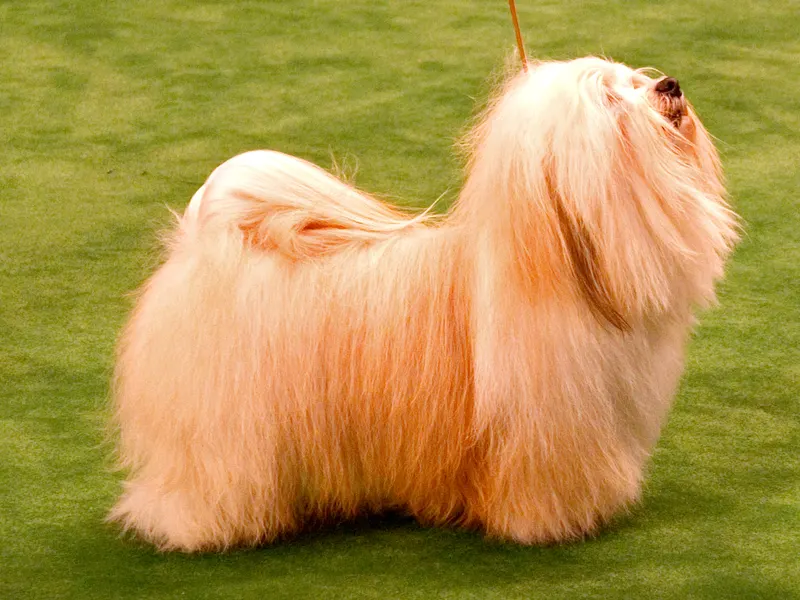
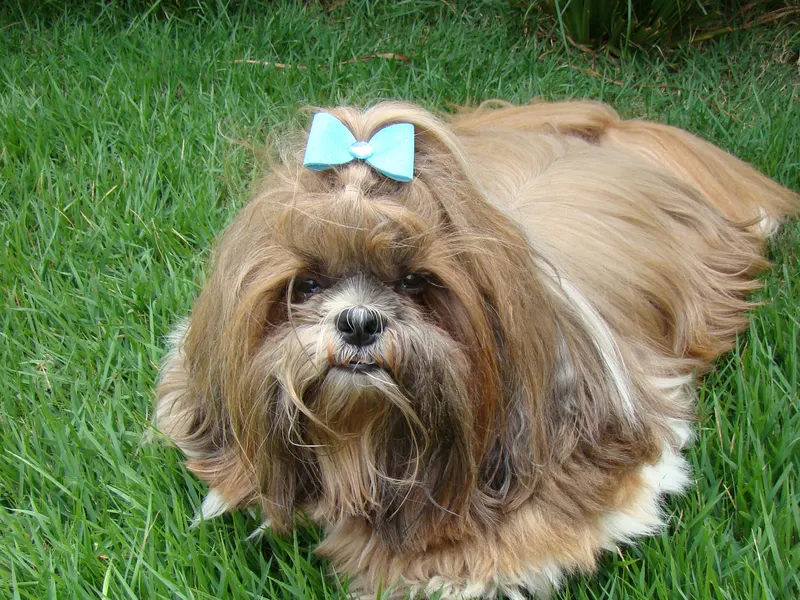
The Shih Tzu is a small but solid dog, slightly longer than tall, standing about 9 to 11 inches at the shoulder and weighing around 11 to 18 lb. It carries its plumed tail curled over the back and moves with a proud, smooth gait. The head is round with a short, square muzzle, large dark eyes and an undershot bite.
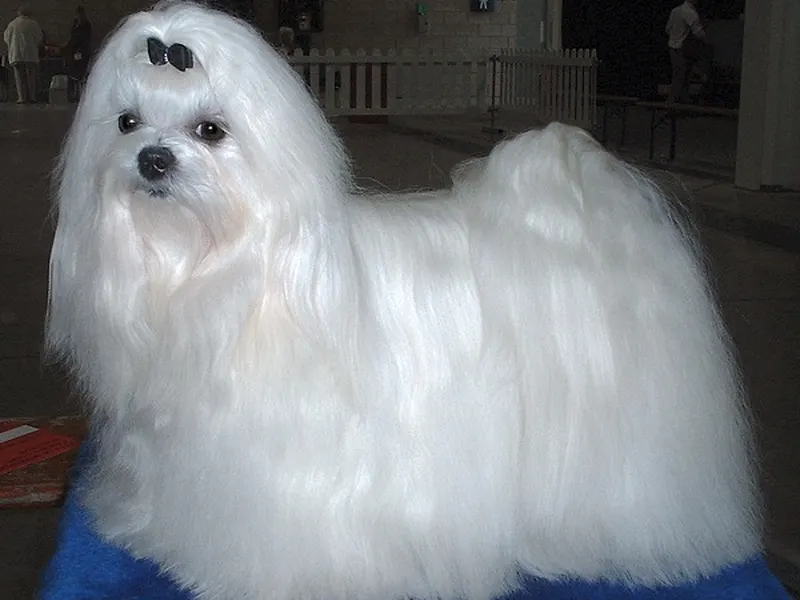
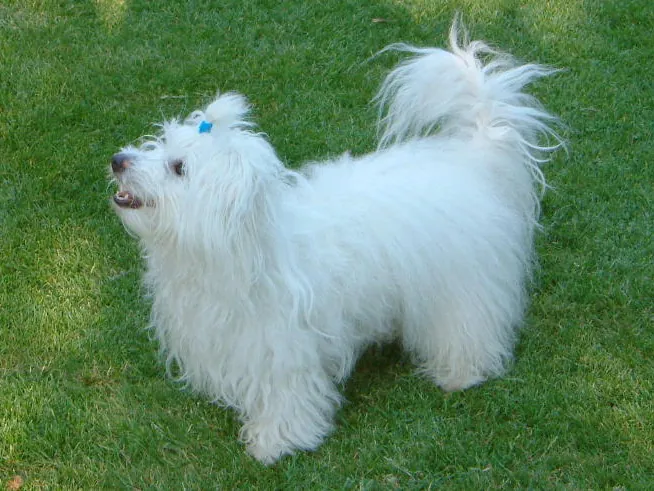
The double coat is long, dense and flowing, often reaching the floor in show dogs. Many pets wear a short puppy cut, which changes the look completely but not the breed.
All colors and markings are permitted. Common combinations include gold and white, black and white, solid black, liver, brindle, silver and red, often with a white blaze on the forehead and a white tail tip. Puppy color can lighten or darken with age, especially in golds and brindles. Males and females are close in size, though males often have a broader head and slightly heavier bone.
Temperament and Personality
Shih Tzus are friendly, affectionate and outgoing. They usually welcome visitors, enjoy children and get along with other pets. Many are playful and confident, with a bit of independent streak.
They were bred purely as companions and want to be near their people. They cope with short absences but prefer company. Some can be stubborn, and they tend to bark at visitors or noises, though usually less than many toy breeds.
Unlike many toy breeds, Shih Tzus were never bred to hunt or guard, so prey drive is low and they tend to be relaxed with small pets. Their sturdy build for a small dog makes them a reasonable choice for families with gentle children.
Is the Shih Tzu Good for First-Time Owners?
Yes. The Shih Tzu is one of the more forgiving breeds for beginners because it is friendly, adaptable and content with modest exercise. It rarely shows sharp guarding or strong prey drive, and most dogs get along with visitors, children and other pets.
First-time owners should plan for two areas that catch people out. Grooming is constant: either daily brushing for a long coat or a professional trim every four to six weeks, plus daily eye and face cleaning. House training also tends to be slow, so a strict routine and a crate help. Choosing a puppy from parents with open nostrils and a moderate muzzle reduces the breathing and eye problems that can make ownership harder.
Do Shih Tzus Bark a Lot?
Shih Tzus bark at visitors, doorbells and unusual noises, but most are moderate barkers compared with many toy breeds. They were bred as indoor companions and alert dogs in the palace, not as working guards, so barking is usually short announcement barking rather than nonstop.
Problem barking usually comes from boredom, loneliness or attention seeking. A few habits keep it in check:
- Teach a quiet cue and reward silence after the first bark.
- Do not respond to demand barking with attention or food.
- Give short walks and play sessions every day.
- Build alone time gradually.
Apartment dwellers generally find the breed easy to live with once these routines are in place.
Can Shih Tzus Be Left Alone?
An adult Shih Tzu can usually stay alone for about four to six hours, but it was bred purely for companionship and prefers people nearby. Dogs left for long stretches without preparation may bark, have house training accidents or become anxious when their owner leaves.
Teach alone time from puppyhood, starting with short periods and lengthening them slowly. A comfortable bed, a chew or food puzzle and a cool room help, especially in summer, since short-muzzled dogs cope poorly with heat. Leave water within easy reach, and consider a puppy pad area if the dog is still building bladder control. For full workdays, a midday visit or a second companionable pet usually makes the breed much happier.
Exercise and Training
Daily walks and play sessions, about 30 to 45 minutes in total, are enough for most Shih Tzus. They enjoy short games and trick training. Because of their short muzzle, avoid exercise in hot weather and watch for heavy breathing. Use a harness rather than a collar.
Training responds best to short, positive sessions and food rewards. House training can take time, so be consistent. Shih Tzus can be stubborn, but they enjoy praise and attention.
Grooming and Shedding
The long, double coat sheds little but tangles easily. A full-length coat requires daily brushing and regular bathing; many owners choose a shorter puppy cut trimmed every four to six weeks. Tie up or trim the hair above the eyes to prevent irritation. Clean the face and eyes daily, check ears and brush teeth regularly.
Many Shih Tzus also have hair growing inside the ear canal and between the paw pads; trimming it keeps the ears ventilated and helps the dog grip smooth floors. Teach puppies early to accept brushing, nail trims and face cleaning.
Feeding and Nutrition
The Shih Tzu's short muzzle and small, crowded mouth shape how it eats. Many find it easier to pick up small, flat or uniquely shaped kibble, and a shallow, wide bowl is easier for a flat face than a deep one. Rinse or wipe the face after meals so food does not sit in the facial hair.
Dental crowding means tartar builds up quickly. Daily tooth brushing does more for the teeth than any food choice, and regular vet dental checks are part of normal care.
- Feed adults two measured meals a day, and puppies three to four smaller meals.
- Shih Tzus gain weight easily on little exercise, and extra weight worsens breathing in short-muzzled dogs.
- Keep treats small and count them in the daily ration.
- Tiny puppies can become hypoglycemic if they skip meals, so keep feeding times regular.
Tear staining on the face has many causes. If it is heavy or sudden, check with your vet rather than changing food repeatedly.
| Adult weight | Less active | Typical adult | Very active |
|---|---|---|---|
| 11 lb | 330 kcal | 370 kcal | 470 kcal |
| 14 lb | 390 kcal | 450 kcal | 560 kcal |
| 18 lb | 470 kcal | 540 kcal | 680 kcal |
Estimates use the resting energy formula veterinarians work with (70 × body weight in kg0.75) and standard activity factors. Use the feeding guide on your food as a starting point and adjust to body condition. Puppies, seniors, pregnant animals and pets that need to lose weight have different needs, so ask your vet.
Health and Lifespan
The Shih Tzu has a short muzzle, and some dogs suffer from brachycephalic obstructive airway syndrome (BOAS), with noisy breathing, snoring and poor heat tolerance. Prominent eyes are prone to injury, dry eye (KCS), corneal ulcers, cataracts, progressive retinal atrophy and retinal detachment. Other issues include dental crowding, intervertebral disc disease and renal dysplasia, a kidney development disorder. The breed appears in FCI and UFAW resources on welfare problems in short-muzzled breeds.
Choose a breeder who selects for a moderate muzzle, open nostrils and healthy eyes, and who screens eyes and kidneys. Shih Tzus typically live 10 to 18 years.
Shih Tzu Price and Cost of Ownership
Typical breeder price in the US$1,000 to $3,500
A Shih Tzu puppy from a reputable breeder in the US usually costs about $1,000 to $3,500. Prices vary by breeder, region and lines. Be cautious with sellers advertising imperial or teacup Shih Tzus at a premium, since very small dogs are not a recognized variety and often come with more health risks.
Shih Tzus are common in shelters and breed rescues, so adoption is a realistic option for both adults and seniors.
The biggest ongoing cost is grooming: a professional trim every four to six weeks adds up over a long lifespan unless you learn to clip at home. Other breed-specific cost drivers include dental cleanings under anesthesia, eye care for dry eye, ulcers or injuries, and possible airway surgery for dogs with BOAS. Pet insurance taken out early can help with eye and airway costs.
Is the Shih Tzu Right for You?
The Shih Tzu suits families, seniors and apartment dwellers who want a friendly, low-exercise companion. It adapts well to city living and gets along with most people and pets.
It is less suited to owners who cannot commit to daily grooming or to hot homes without cooling. Allergy sufferers sometimes tolerate the low-shedding coat, but reactions vary.
Budget for professional grooming every four to six weeks unless you learn to trim at home, and for regular eye and dental checks, which are the most common health costs in the breed.
Shih Tzu Traits at a Glance
Shih Tzu FAQ
Are Shih Tzus good family dogs?
Yes, they are friendly, gentle and usually good with children and other pets.
How big do Shih Tzus get?
Adults weigh about 11 to 18 lb and stand around 9 to 11 inches at the shoulder.
Are Shih Tzus hypoallergenic?
They shed very little, which suits some allergy sufferers. No dog is fully hypoallergenic.
Do Shih Tzus have breathing problems?
Some do because of their short muzzle. Watch for noisy breathing and avoid exercise in heat.
How often should a Shih Tzu be groomed?
Brush daily for a long coat or a few times a week for a short cut, with a trim every four to six weeks.
How long do Shih Tzus live?
Shih Tzus typically live 10 to 18 years.