HavaneseCheerful Cuban companion with silky coat
The Havanese is Cuba's national dog, a small Bichon-type companion known for its cheerful, sociable nature and springy gait. It fits apartments and family life well, but its long, silky coat needs daily attention or a practical short trim.
Why people love the Havanese
- Cheerful, outgoing companion that loves people and pets
- Adapts well to apartments and city life
- Low-shedding coat; some allergy sufferers cope better
- Long-lived, often reaching 14 to 16 years
- Quick to learn tricks with positive training
Things to consider
- Coat mats easily without frequent brushing or trims
- Can be vocal at doorbells and passersby
- House training often takes longer than average
- Dislikes long hours alone
- Possible front-leg issues linked to chondrodysplasia
Is this breed right for you?
10 questions · live resultHistory and Origin
The Havanese belongs to the Bichon family of small Mediterranean companion dogs. Spanish settlers and traders brought these dogs to Cuba, where they developed into the Blanquito de la Habana, a favorite of wealthy Cuban families in the 18th and 19th centuries. Poodle crosses in the 1800s probably contributed to the modern breed.
After the Cuban revolution in 1959, a few families left for the United States with their dogs. In the 1970s Dorothy Goodale and other American breeders rebuilt the breed from a small number of these dogs. The AKC recognized the Havanese in 1996, and it has since become one of the more popular toy breeds in the US.
Size, Coat Types and Colors
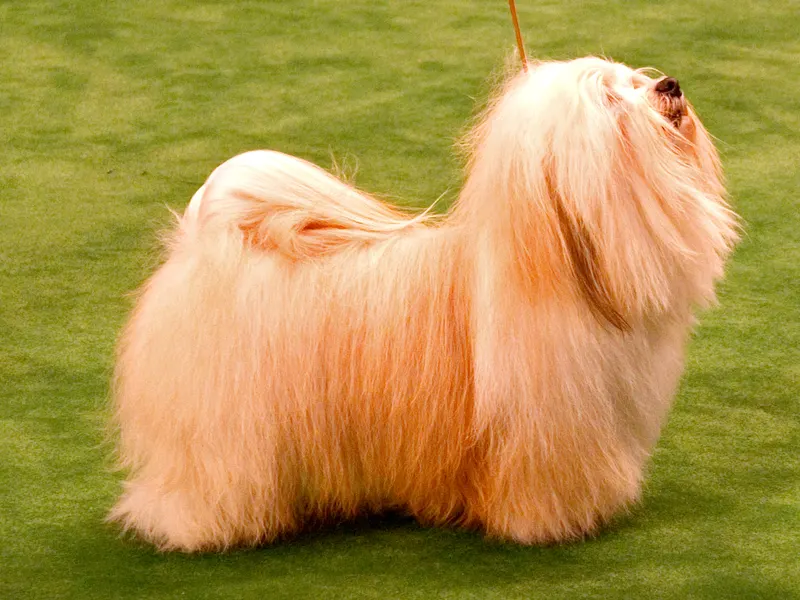
The Havanese is a sturdy toy dog standing about 9 to 11 inches and weighing roughly 9 to 13 lb. It is slightly longer than tall, with a springy, lively gait, a tail carried over the back and dark, almond-shaped eyes that give a gentle expression. Males and females are similar in size, though males often look a little more substantial.
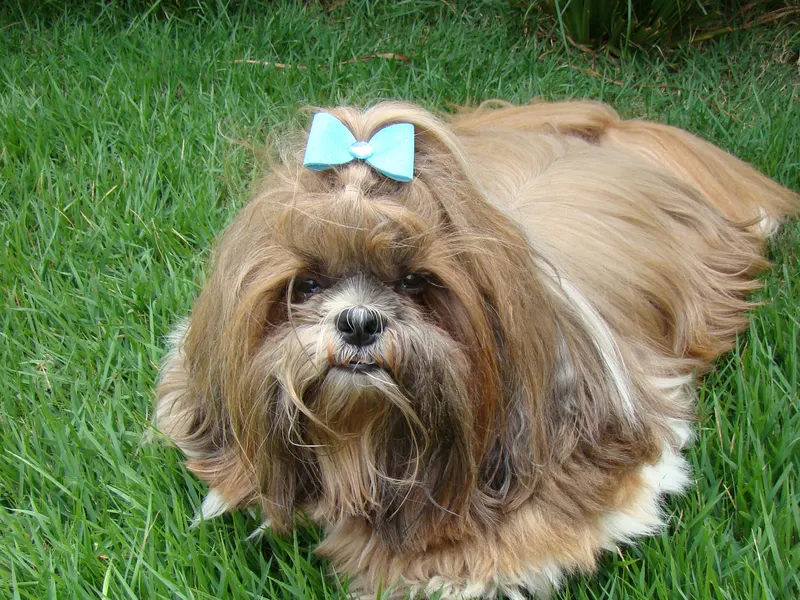
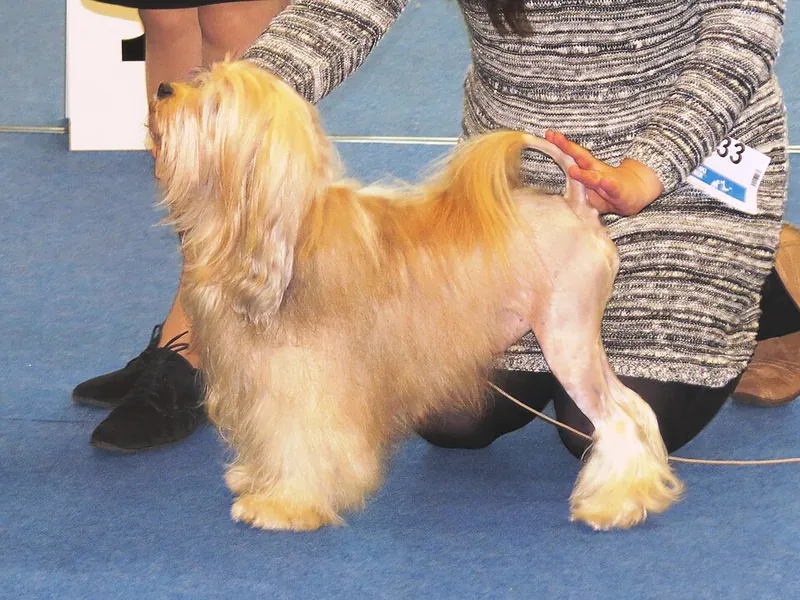
The coat is the breed's hallmark: a soft, light double coat that ranges from slightly wavy to curly and is meant to feel silky rather than harsh or woolly. Show dogs carry a full, untrimmed coat; many pet owners keep a shorter puppy cut. A small number of Havanese develop a corded coat, which forms rope-like strands. A recessive smooth or short-coated variety also appears in some litters and is not accepted for showing, but makes an easy-care pet.
All colors and patterns are allowed by the AKC, including white, cream, champagne, gold, red, chocolate, black, silver, sable, brindle, parti-color and tricolor. Many puppies lighten or change color as they mature.
Temperament and Personality
Havanese are happy, outgoing and affectionate. They love being with their people and are often called Velcro dogs because they follow their owners everywhere. Most are friendly with children, strangers and other pets, including cats, which makes them easy family companions.
They can be vocal, barking at doorbells or passersby, and many are sensitive to harsh tones. Although they cope better with short absences than some toy breeds, they are happiest when someone is home for much of the day.
Are Havanese Good Apartment Dogs?
Yes, the Havanese is one of the better toy breeds for apartment life. Its exercise needs are moderate, it is happy with a couple of walks and indoor play, and it travels easily on elevators and public transport.
The main apartment issue is noise. Havanese like to announce doorbells, hallway footsteps and dogs outside, so teach a quiet cue early and reward calm behavior near the door. A window perch can make barking worse, so manage the view if needed. Plan for potty pads or frequent trips outside during house training, and keep the coat in a practical length so city grime does not build up in it.
Can Havanese Be Left Alone?
Havanese can learn to stay alone for a few hours, but they were bred purely as companions and are happiest with someone home much of the day. Left for long stretches, many bark, chew or become anxious.
Teach alone time from the first weeks with short departures, a safe pen or crate and a long-lasting chew. Leave calmly and return calmly so absences feel routine. For full workdays, a midday visit from a walker or a dog-friendly office makes a big difference. Some owners find that a second calm dog helps, though it is not a substitute for human company with this breed.
Are Havanese Easy to Potty Train?
Havanese are easy to train in general, but house training is the most common struggle. Their small bladders, dislike of cold or wet weather and long coats that get soiled all play a part.
Success comes from routine: take the puppy out after every nap, meal and play session, use the same spot and reward immediately. A crate or small pen helps the puppy learn to hold it between trips. Many city owners combine outdoor trips with a dedicated indoor potty area. Expect accidents for several months, clean them with an enzyme cleaner and avoid punishment, which makes this sensitive breed hide when it needs to go.
Exercise and Training
A Havanese needs moderate activity: a couple of walks and play sessions, around 30 to 60 minutes a day. Many enjoy agility, trick training and rally obedience, and their bright minds respond well to puzzle toys. They adapt easily to apartment life and city walks.
Training is generally easy with positive reinforcement and short sessions. Havanese are eager to please and pick up tricks quickly. House training can take longer than in larger breeds, so stick to a consistent routine. Teach a quiet cue early if barking becomes a habit.
Havanese were bred purely as companions, so their greatest need is involvement. Taking them along on errands, café visits and family outings is often as satisfying for them as a long walk.
Grooming and Shedding
The long, soft double coat sheds little but mats easily, especially during the change from puppy to adult coat. Long coats need brushing down to the skin most days; many pet owners choose a shorter puppy cut that is brushed a few times a week and trimmed every six to eight weeks. Some Havanese have a corded coat, which needs different care. Keep the hair around the eyes clean, check the ears and brush teeth regularly.
Feeding and Nutrition
Havanese do well on a complete small-breed diet with kibble sized for small mouths. Most adults need two meals a day, and puppies three or four, because small dogs can develop low blood sugar if they go too long without food.
Weight creeps up easily in such a small, food-motivated dog, and an extra pound matters a lot on a 9 to 13 lb frame. Extra weight also adds strain to the knees, which matters in a breed where luxating patellas occur, and to front legs that may be slightly bowed. Weigh your dog every month or two and adjust portions rather than relying on the bag's guide.
Treats are the biggest risk. Havanese learn quickly and owners reward often, so use tiny pieces or count part of the daily kibble as training rewards. Dental crowding is common in small mouths, so pair a suitable diet with daily tooth brushing. If your Havanese has a liver shunt, your vet will guide any special diet; do not change protein levels on your own.
| Adult weight | Less active | Typical adult | Very active |
|---|---|---|---|
| 9 lb | 280 kcal | 320 kcal | 400 kcal |
| 13 lb | 370 kcal | 420 kcal | 530 kcal |
Estimates use the resting energy formula veterinarians work with (70 × body weight in kg0.75) and standard activity factors. Use the feeding guide on your food as a starting point and adjust to body condition. Puppies, seniors, pregnant animals and pets that need to lose weight have different needs, so ask your vet.
Health and Lifespan
The Havanese is generally healthy, but conditions to know about include luxating patellas, progressive retinal atrophy (PRA), liver shunts and distichiasis, extra eyelashes that can irritate the eye. Some Havanese have bowed or uneven front legs linked to chondrodysplasia, a form of shortened bone growth associated with an FGF4 gene variant found in the breed.
Choose a breeder who checks knees, eyes and hearing and who selects for straight, sound front legs. Havanese commonly live 14 to 16 years.
Havanese Price and Cost of Ownership
Typical breeder price in the US$1,500 to $3,500
A Havanese puppy from a reputable US breeder typically costs about $1,500 to $3,500. Prices vary by breeder, region and lines, and rare colors or show prospects can cost more. A responsible breeder should show knee, eye and hearing results and talk openly about front-leg structure and chondrodysplasia.
The breed's popularity means many puppies come from mills or online sellers, so be cautious of low prices without health records. Havanese and Havanese mixes also appear in rescue, sometimes as adults from breeding operations.
Grooming is the main ongoing cost driver. Most pet Havanese need a professional trim every six to eight weeks unless you learn to groom at home. Dental care, including professional cleanings, is another regular expense in a toy breed. Food costs are low, and insurance is worth considering for knee surgery and eye problems.
Is the Havanese Right for You?
The Havanese suits families with children, first-time owners, seniors and apartment dwellers who want a cheerful, adaptable companion. It is easy to take along on trips and enjoys meeting new people.
It is less suited to owners who dislike daily grooming or who want a quiet dog. People with allergies sometimes tolerate the low-shedding coat well, but this varies by individual.
Havanese Traits at a Glance
Havanese FAQ
Are Havanese good family dogs?
Yes, they are cheerful, gentle and usually excellent with children and other pets. Teach young kids to handle the small dog carefully.
How big do Havanese get?
Adults usually weigh 9 to 13 lb and stand about 9 to 11 inches at the shoulder.
Do Havanese shed?
They shed very little, but loose hair gets trapped in the coat and forms mats without regular brushing.
Are Havanese hypoallergenic?
Their low-shedding coat suits some allergy sufferers, but no dog is fully hypoallergenic. Spend time with the breed before deciding.
Do Havanese bark a lot?
They can be vocal, especially at doorbells or passersby. Early training helps keep barking under control.
How long do Havanese live?
Havanese commonly live 14 to 16 years.