Longest-Living Dog BreedsBreeds known for long, healthy lives
Breeds on this list have typical life expectancies at the high end of the canine range, with many individuals living well into their mid-teens. This page is for anyone who wants as many years as possible with their dog and wants to know what drives lifespan beyond breed alone.
Top 10 Longest-Living Dog Breeds
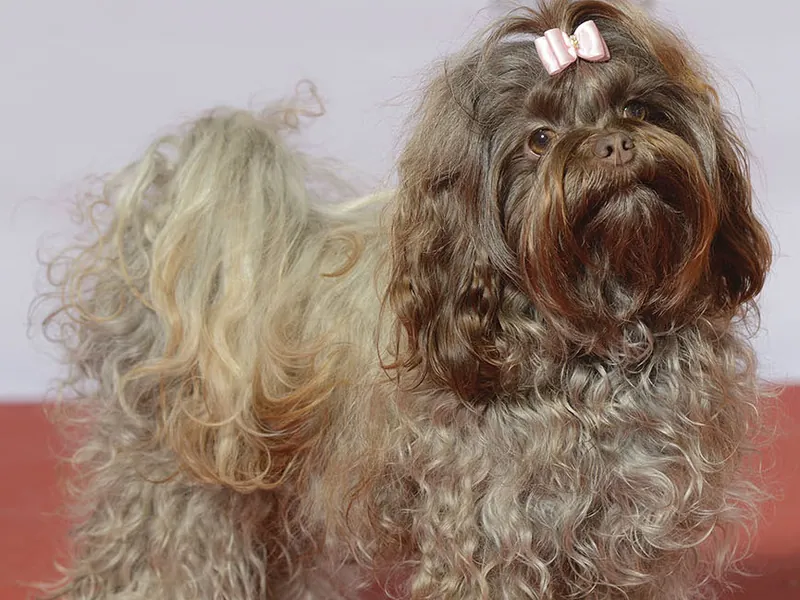
The small Russian Tsvetnaya Bolonka is generally a robust companion breed, and many live well into their teens.

The Coton de Tulear is a small, sturdy breed with relatively few inherited problems and a reputation for long life.
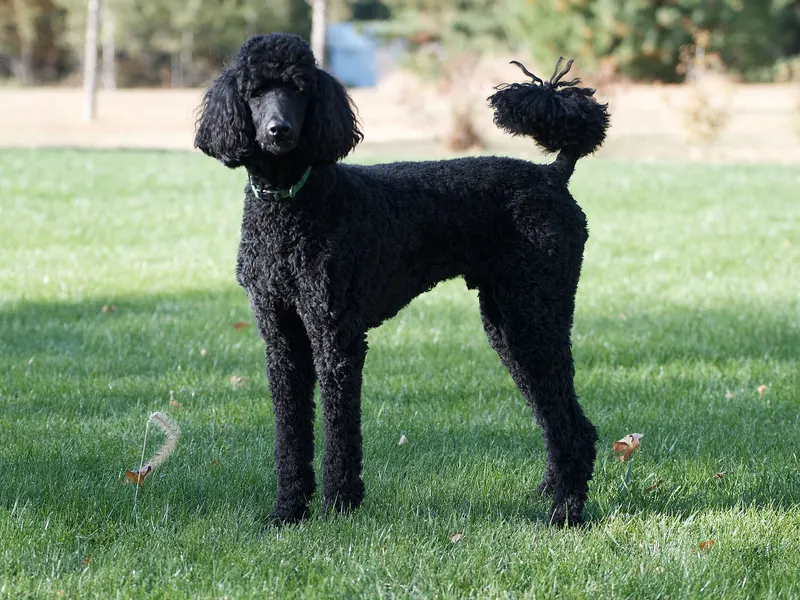
Poodles, especially the miniature and toy sizes, are known for long lifespans when bred from health-tested parents.

The Bernedoodle is often chosen in the hope of a longer life than a purebred Bernese, though individual lifespans vary widely.
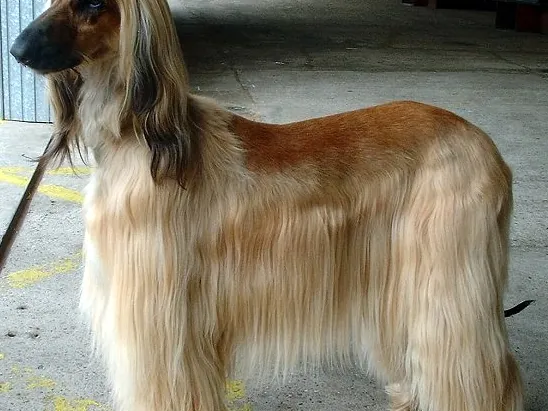
The elegant Afghan Hound is a lean sighthound that often stays healthy into old age with good care.
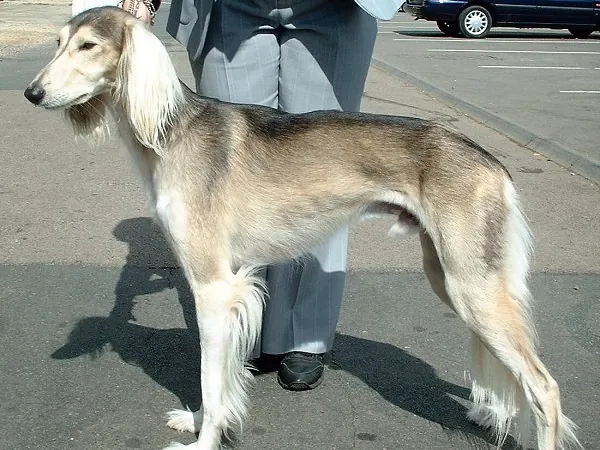
One of the oldest sighthound types, the slim, athletic Saluki has a typical lifespan well above most dogs its size.
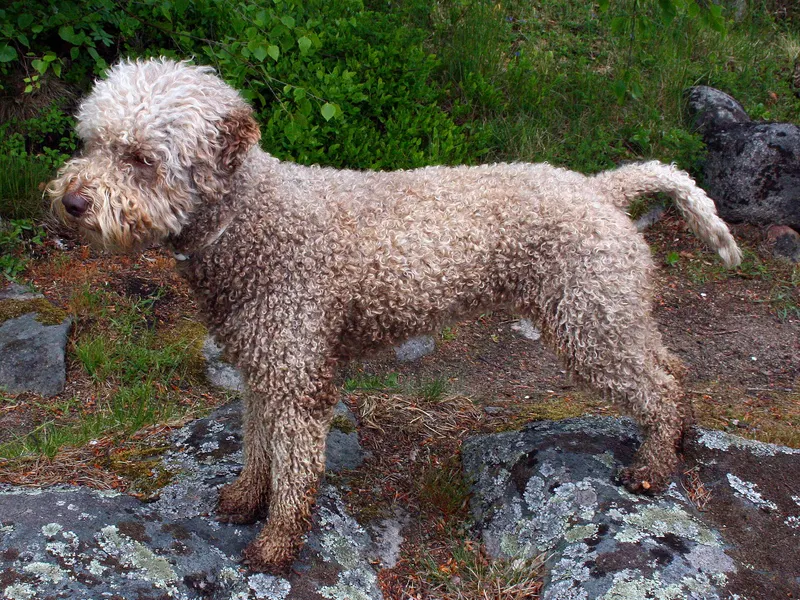
The Italian Lagotto Romagnolo, a curly-coated truffle dog, is a medium breed with a notably long life expectancy.
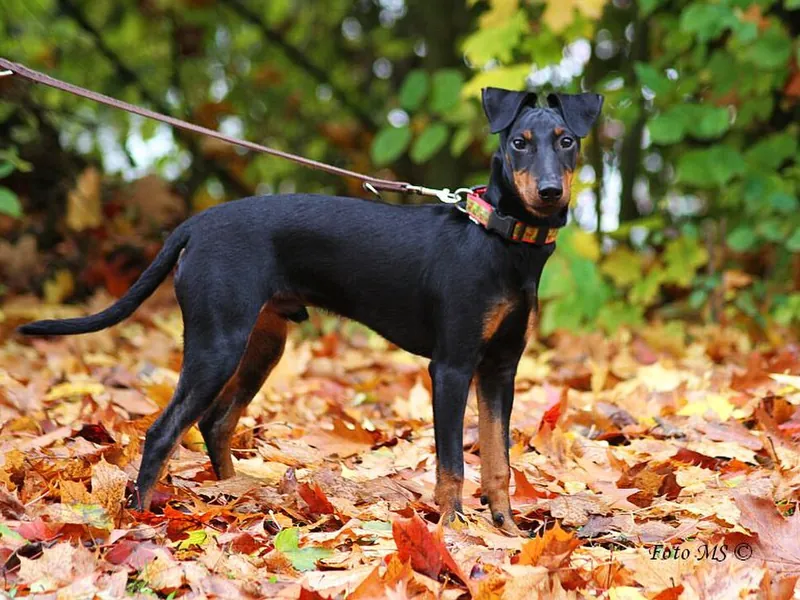
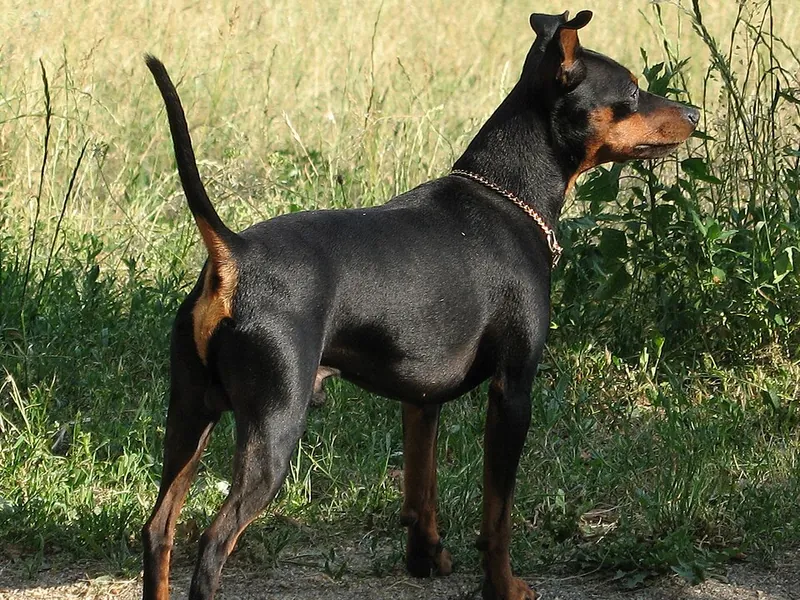
The sleek, low-maintenance Manchester Terrier is a hardy breed that commonly reaches its mid-teens.

The lean, agile Pyrenean Shepherd is a working breed known for good health and a long, active life.
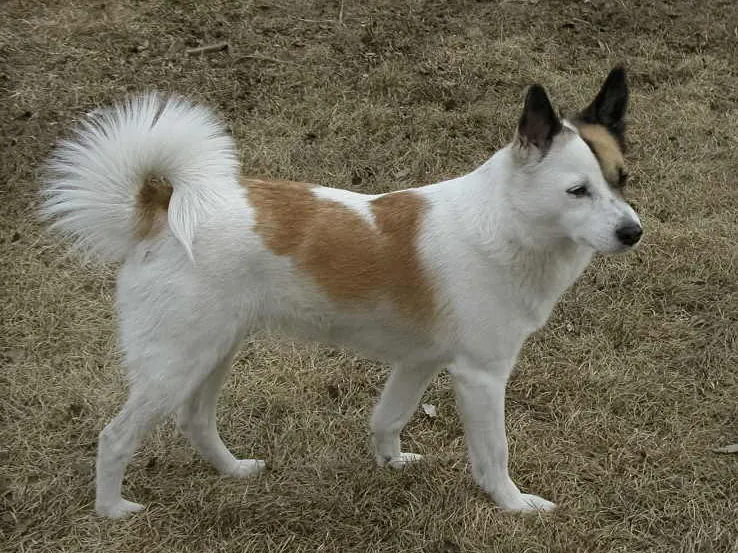
The Swedish Norrbottenspets is a small, hardy hunting spitz with few known breed-wide health issues and a long lifespan.
All Long-Living Dog Breeds A to Z











What makes some breeds live longer
Across dogs as a whole, smaller breeds tend to live longer than larger ones, which is the opposite of the pattern seen across different animal species. Many small and medium breeds reach 13 to 16 years, while giant breeds often average closer to 8 to 10.
Size is not the whole story. Breeds with lean, moderate builds and fewer known inherited diseases, such as the Saluki, Pyrenean Shepherd and Lagotto Romagnolo, often do well even at medium size. Breeds with extreme features, like very flat faces, tend to have more health problems over their lifetime.
How to read lifespan ranges
Breed clubs and kennel clubs publish typical life expectancy ranges, but these are estimates, not guarantees. They are often based on limited data and owner reports, and individual dogs vary widely.
Look at life expectancy alongside the common health issues in a breed. A long-lived breed can still be prone to dental disease, eye problems or kneecap issues, which affect quality of life even if they do not shorten it. Lines from a well-run breeding program with health testing usually do better than the breed average.
Habits that help any dog live longer
Whatever the breed, a few factors make a measurable difference:
- A healthy weight: a well-known long-term study in Labradors found that dogs kept lean lived longer than their littermates fed more.
- Dental care: daily tooth brushing helps prevent painful gum disease, which is very common in small breeds like the Pomeranian and Havanese.
- Regular vet checks: yearly exams, and twice-yearly for seniors, catch problems early.
- Exercise and mental activity: daily movement and enrichment keep muscles, joints and minds in shape.
- Safety: secure fences, leashes near roads and a good recall prevent the accidents that cut many lives short.
Mixed breeds and longevity
Mixed-breed dogs are often said to live longer thanks to a wider genetic background, and many do. But a cross between two breeds can inherit problems from either parent. If you choose a cross like the Maltipoo, Cockapoo or Bernedoodle, ask for health testing on both parents just as you would with a purebred.
Caring for a senior dog
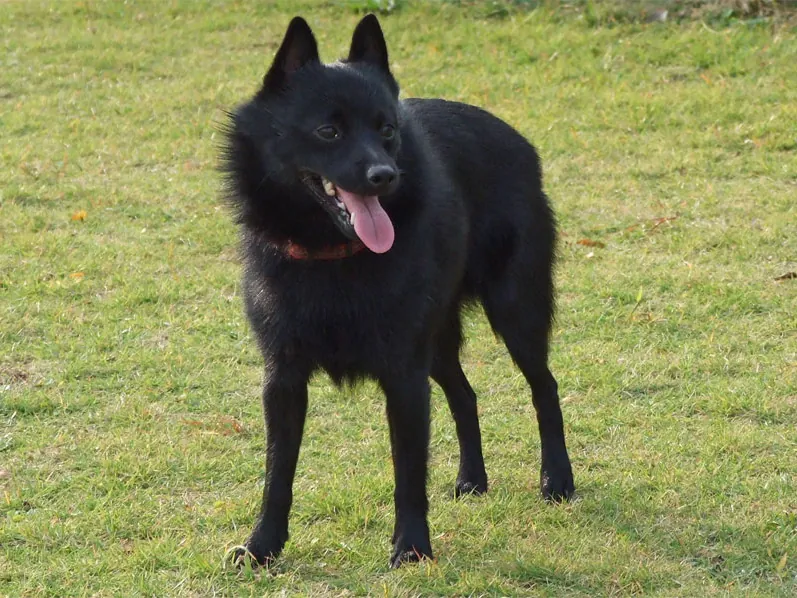
Choosing a long-lived breed means planning for the senior years. Older dogs often benefit from softer beds, ramps or rugs for grip, shorter but more frequent walks and regular checks of teeth, eyes, joints and weight. Watch for changes in appetite, thirst, mobility or sleep, and mention them to your vet early. Mental exercise matters too: scent games and gentle training keep older minds engaged. With good care, breeds like the Papillon, Miniature Pinscher and Schipperke often stay lively for many years.
Frequently Asked Questions
Which dog breed lives the longest?
Small and medium breeds such as the Coton de Tulear, Pyrenean Shepherd, Lagotto Romagnolo and miniature or toy Poodles are among the breeds often cited for long lifespans.
Do small dogs really live longer than big dogs?
On average, yes. Smaller breeds generally live longer than large and giant breeds, though genetics and care matter for each individual dog.
What is the longest-living large dog breed?
Lean, moderately built large breeds tend to do best. Among giant breeds, lifespans are generally shorter, so careful breeder choice matters.
How can I help my dog live longer?
Keep your dog lean, brush its teeth, schedule regular vet checkups and provide daily exercise and mental stimulation.
Do mixed breed dogs live longer?
Many do, but it is not guaranteed. A mixed-breed dog can still inherit health problems from either side of its family.
Not sure which breed fits you?
Answer 8 quick questions and get breeds ranked for your home, schedule and experience.