BernedoodleGentle Bernese and Poodle cross
The Bernedoodle crosses the Bernese Mountain Dog with the Poodle and comes in sizes from about 20 lb to nearly 100 lb. Most are friendly, playful family dogs, but their curly coats need serious, regular grooming, and low shedding is likely rather than guaranteed.
Why people love the Bernedoodle
- Gentle, goofy and usually great with children
- Choice of sizes from small to large
- Often low shedding, though never guaranteed
- Eager learner that responds well to rewards
- Friendly with visitors and other pets
Things to consider
- Curly coats mat quickly and need professional grooming
- Size, coat and temperament vary even within litters
- Dislikes long hours alone
- Large dogs can overheat in hot climates
- No breed standard or registry health requirements
Is this breed right for you?
10 questions · live resultHistory and Origin
The Bernedoodle was popularized in 2003 by Sherry Rupke of SwissRidge Kennels in Ontario, Canada, who aimed to combine the Bernese Mountain Dog's affectionate nature with the Poodle's intelligence and lower-shedding coat. Breeders also hoped the Poodle's genetic contribution might offset some of the Bernese's health issues and short lifespan.
Bernedoodles are bred in three main size types, depending on whether a Standard, Miniature or Toy Poodle is used: standard, mini and tiny. Later generations are often bred Bernedoodle to Bernedoodle or back to Poodles. No major kennel club recognizes the cross as a breed.
Sizes, Coat Types and Colors
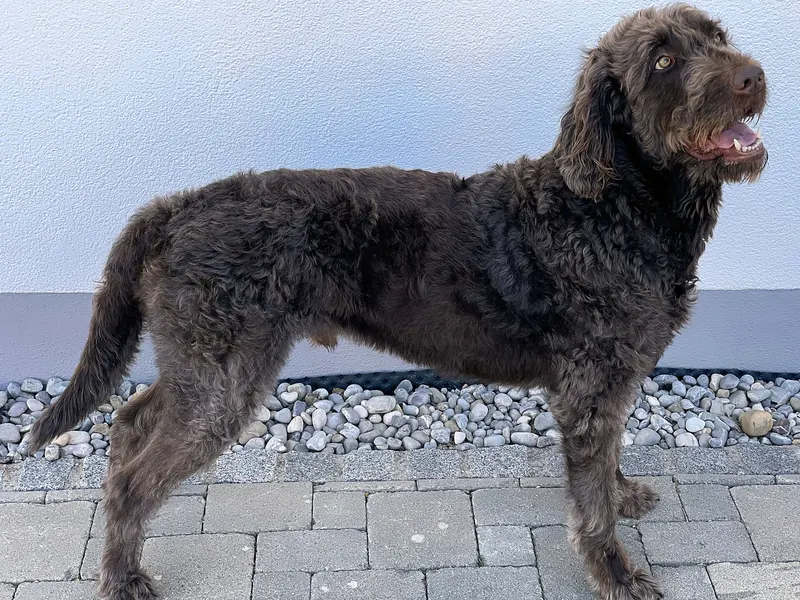
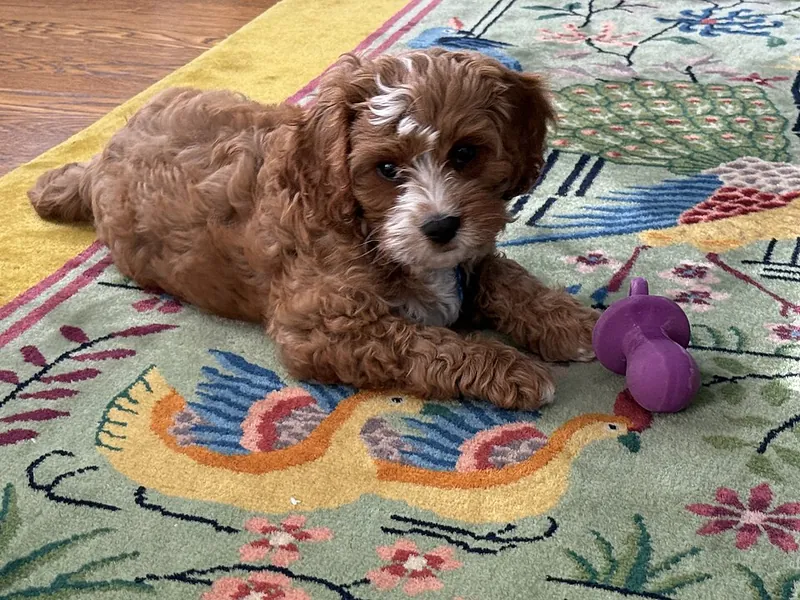
Because the Bernedoodle is a cross, its size depends on which Poodle was used. Adults range from about 20 to 99 lb and 12 to 29 inches at the shoulder. Breeders commonly sell three sizes: tiny or toy (smallest, from Toy or small Miniature Poodle lines), mini (medium, from Miniature Poodles) and standard (large, from Standard Poodles). Names and cutoffs vary between breeders, so ask for the expected adult weight.
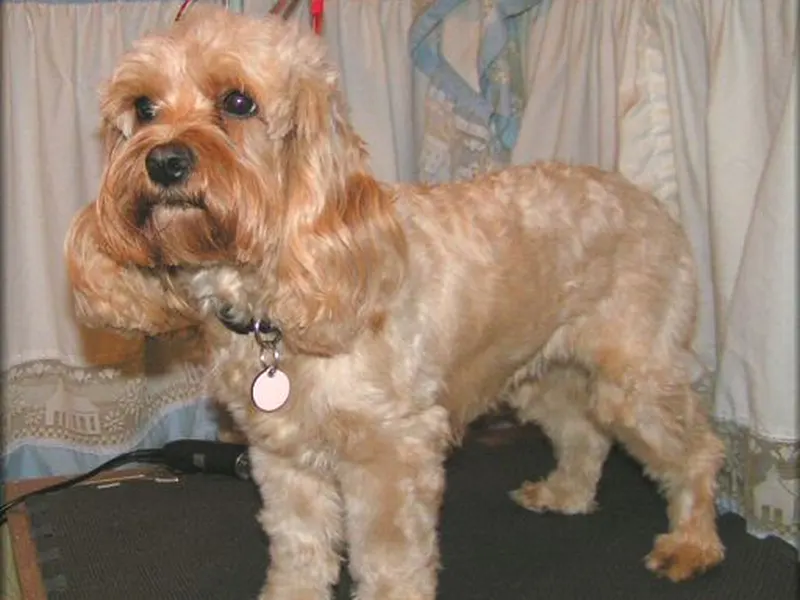
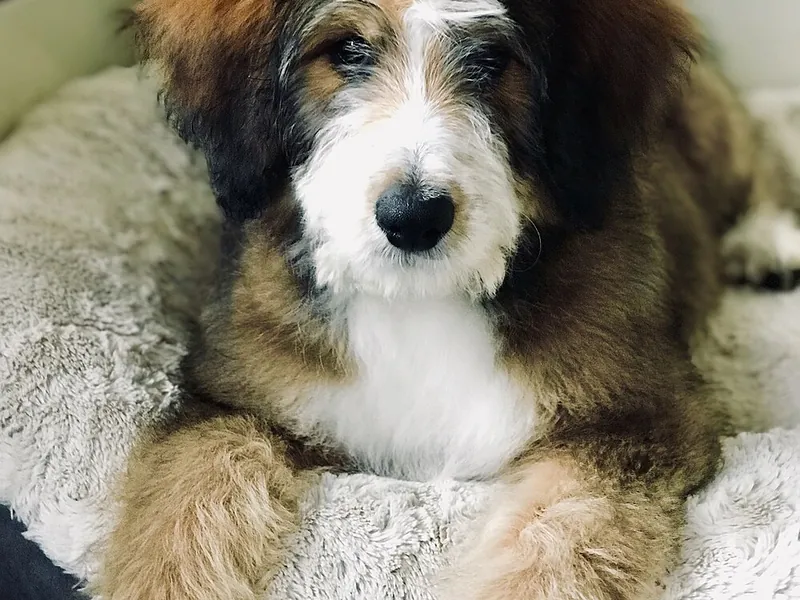
Coats fall into three types. Curly coats are closest to the Poodle and usually shed least. Wavy coats, the most common, shed little to moderately. Straight coats resemble the Bernese and shed most. Generation (F1, F1B, multigenerational) influences the odds but does not guarantee a coat type.
The classic look is tricolor: black, white and rust like the Bernese. Other colors include black and white, solid black, sable, merle and phantom. Males are generally larger than females within each size.
Temperament and Personality
Most Bernedoodles are gentle, goofy and affectionate. They usually get on well with children, other dogs and cats, and are friendly with visitors rather than guarding. Puppies can be mouthy and bouncy, and adolescents can be stubborn for a while.
They are strongly people-oriented and often do not cope well with long periods alone. Some inherit Bernese sensitivity and can be shy with new situations, so early socialization is valuable.
Is the Bernedoodle Good for First-Time Owners?
Yes, many first-time owners do well with a Bernedoodle. Most are friendly, eager to please and quick to learn with reward-based training, and they rarely show strong guarding or prey drive.
The main challenges are practical. Grooming is a large, ongoing commitment, with brushing to the skin several times a week and professional grooms every six to eight weeks. Standard puppies are big, bouncy and mouthy, so early training in calm greetings matters. Some inherit Bernese sensitivity and need gentle socialization. Because there is no breed standard, choosing a breeder who health tests both parents and is honest about size and coat expectations is the most important decision a first-time owner makes.
Can a Bernedoodle Live in an Apartment?
A tiny or mini Bernedoodle can live comfortably in an apartment, provided it gets daily walks and play. These sizes are usually moderate in energy indoors and not heavy barkers.
Standard Bernedoodles are a harder fit. A dog of 70 lb or more takes up a lot of space, and large puppies should avoid heavy stair use while their joints develop. Without a yard, every bathroom break means a trip outside, and the thick coat makes heat a concern in summer.
If you live in an apartment, choose a breeder whose parent dogs reliably produce your target size, and plan for at least an hour of activity a day.
Can Bernedoodles Be Left Alone?
Bernedoodles are very people-oriented, and most do not cope well with long periods alone. An adult that has been exercised and gradually trained can usually manage about four hours, but full workdays often lead to barking, chewing or signs of separation stress.
To help a Bernedoodle handle alone time:
- Start with very short absences in puppyhood and build up slowly.
- Give a walk and a food puzzle before leaving.
- Use a crate or dog-proofed room with familiar bedding.
- Keep departures and arrivals calm.
For long days, a dog walker, doggy daycare or a family member at home makes a big difference for this social cross.
Exercise and Training
Exercise needs depend on size and the individual, but most need around an hour of activity daily: walks, play in a yard, hiking or swimming. Standard Bernedoodles can be sensitive to heat because of their size and thick coat.
- Training is usually straightforward with rewards; they are eager and quick learners.
- Practice calm greetings early, since large Bernedoodles can knock people over.
- Avoid long runs and repetitive jumping in growing large puppies.
- Puzzle toys and nosework help keep their minds busy.
Grooming and Shedding
Grooming is the biggest commitment. Coats range from wavy to tightly curly, and curly coats in particular tangle and mat quickly. Expect to brush down to the skin several times a week and to book a professional groom every six to eight weeks.
Many Bernedoodles shed little, which some allergy sufferers tolerate better, but no dog is truly hypoallergenic and coat type varies even within a litter. Meet the puppy and spend time with the parents before committing if allergies are a concern. Check and clean the ears regularly, as hair and moisture can trap debris.
Feeding and Nutrition
Feeding a Bernedoodle starts with knowing its expected adult size. Tiny and mini puppies can grow on a diet formulated for small or medium breeds, while standard puppies, with Bernese genetics behind them, should be raised on a large-breed puppy diet that supports steady, not rapid, growth. Keep all puppies lean to protect hips and elbows.
Standard Bernedoodles are deep-chested and can be at risk of bloat. For them, split food into two or three meals and avoid hard exercise around mealtimes.
- Adults of all sizes usually do well on two meals a day.
- The thick coat hides weight gain, so check ribs and waist with your hands.
- Use part of the daily ration as training rewards for this food-motivated cross.
- Some Bernedoodles have sensitive skin or stomachs. Persistent itching, ear infections or loose stools are worth discussing with your vet.
- Wipe the face after meals, since curly muzzle hair collects food.
| Adult weight | Less active | Typical adult | Very active |
|---|---|---|---|
| 20 lb | 510 kcal | 590 kcal | 730 kcal |
| 60 lb | 1,170 kcal | 1,330 kcal | 1,670 kcal |
| 99 lb | 1,700 kcal | 1,940 kcal | 2,430 kcal |
Estimates use the resting energy formula veterinarians work with (70 × body weight in kg0.75) and standard activity factors. Use the feeding guide on your food as a starting point and adjust to body condition. Puppies, seniors, pregnant animals and pets that need to lose weight have different needs, so ask your vet.
Health and Lifespan
Lifespan estimates range widely, roughly 12 to 18 years, with smaller Bernedoodles generally living longer than standard ones. Health concerns from the parent breeds include hip and elbow dysplasia, progressive retinal atrophy, cataracts, bloat in larger dogs and allergies. Cancer is common in Bernese Mountain Dogs, and its risk in the cross is not well studied.
Ask for hip, elbow and eye screening on both parents, plus DNA tests relevant to the parent breeds such as degenerative myelopathy and von Willebrand disease.
Bernedoodle Price and Cost of Ownership
Typical breeder price in the US$2,000 to $5,000
Bernedoodle puppies from established US breeders commonly cost about $2,000 to $5,000. Prices vary by breeder, region and lines, and tiny sizes, tricolor or merle coats and multigenerational litters are usually priced higher. A high price does not guarantee health testing, so ask for hip, elbow and eye results and relevant DNA tests for both parents.
Bernedoodles and other doodle crosses regularly appear in rescues and shelters, often because of grooming demands, so adoption is a real option.
Professional grooming every six to eight weeks is the biggest ongoing cost driver over the dog's life. Standard Bernedoodles also bring large-breed costs for food, medication by weight and possible joint care. Insurance is worth comparing early, given the parent breeds' risks of hip and elbow dysplasia, eye disease and cancer.
Is the Bernedoodle Right for You?
A Bernedoodle suits families that want a sociable, trainable dog, can provide daily exercise and are ready for frequent brushing and professional grooming costs. Choose the size that fits your home.
It is less suited to owners who want a low-maintenance coat, homes where the dog is alone all day, or hot climates for the largest dogs.
Bernedoodle Traits at a Glance
Bernedoodle FAQ
How big do Bernedoodles get?
Depending on the Poodle parent, Bernedoodles range from about 20 lb to 99 lb and 12 to 29 inches tall. Standard Bernedoodles are the largest.
Are Bernedoodles hypoallergenic?
Not reliably. Many shed little, but allergies are triggered by proteins in dander and saliva, and coats vary even within one litter.
Are Bernedoodles good family dogs?
Generally yes. They are typically gentle with children and friendly with other pets.
How often do Bernedoodles need grooming?
Brush several times a week and plan a professional groom every six to eight weeks.
How much exercise does a Bernedoodle need?
Most need around an hour a day of walks and play, adjusted for size and age.
How long do Bernedoodles live?
Roughly 12 to 18 years, with smaller Bernedoodles usually living longer than standard-sized dogs.