WällerGermany's young herding-type family dog
The Wäller is a young German breed created from Briards and Australian Shepherds, aiming for a versatile, healthy family and sport dog. Eager to work, affectionate and a little cautious with strangers, it suits active owners who enjoy training and outdoor life.
Why people love the Wäller
- Affectionate, people-oriented family dog
- Keen to work and quick to learn
- Usually good with children
- Bred with health in mind by breed clubs
- Versatile partner for dog sports and hiking
Things to consider
- Reserved with strangers, needs socialization
- Herding instincts may cause circling or nudging
- Needs daily exercise and mental work
- MDR1 drug sensitivity in some dogs
- Rare and mostly bred in Germany
Is this breed right for you?
10 questions · live resultHistory and Origin
The breed was started in 1994 by Karin Wimmer-Kieslich in the Westerwald region of Germany; the name comes from a local word for people from the Westerwald. The goal was a robust, healthy, easily trained family dog with the steadiness of the Briard and the working drive of the Australian Shepherd.
The Wäller is bred by its own breed clubs in Germany and is not recognized by the FCI, AKC or The Kennel Club. Population numbers remain small, and most dogs live in German-speaking countries.
Size, Coat and Colors
The Wäller is a medium to large herding-type dog with a balanced, athletic build. It stands about 20 to 26 inches tall and weighs about 57 to 66 lb. Males are usually taller and heavier, while females are somewhat smaller and lighter.
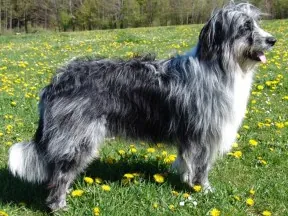
The head is moderate in size, with a well-defined stop and expressive eyes. Ears are usually semi-erect or folded. The body is slightly longer than tall, with a strong back and well-muscled legs. The tail is long and carried low at rest.
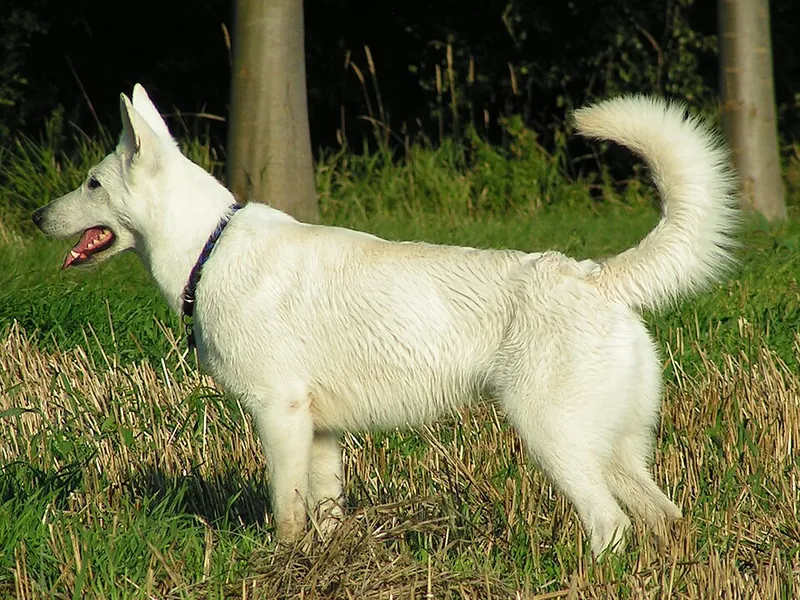
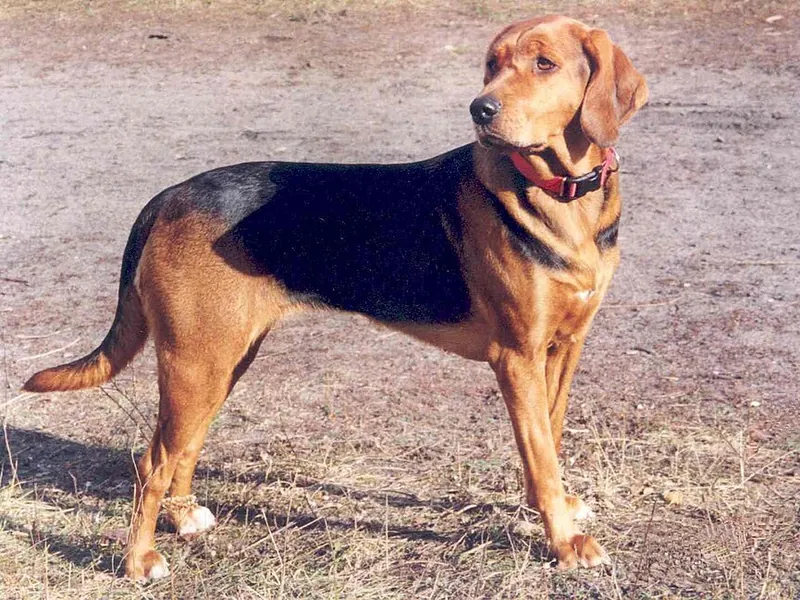
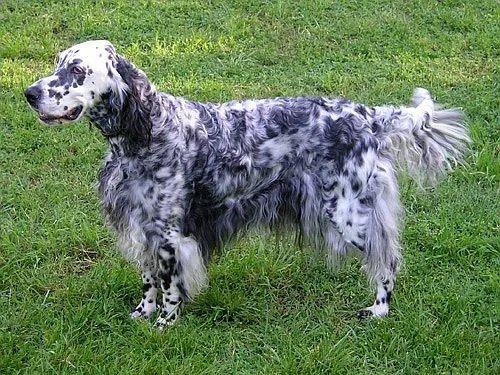
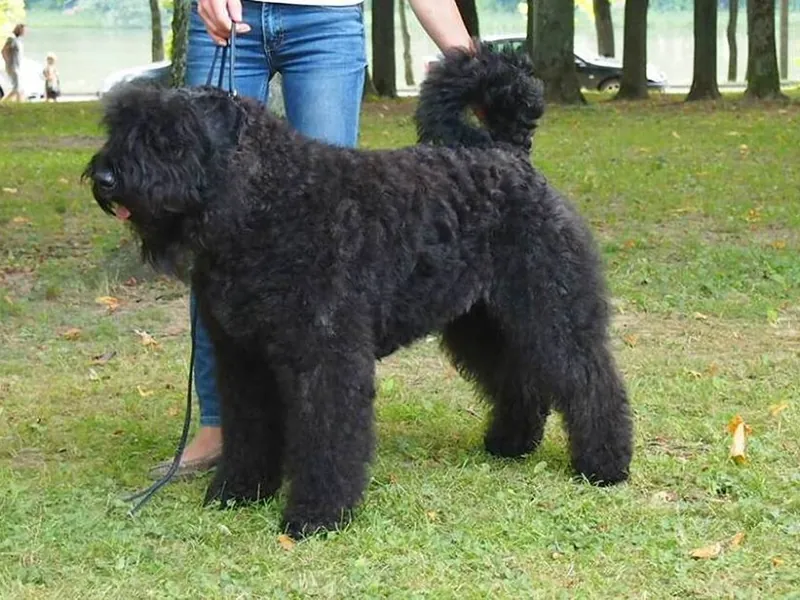
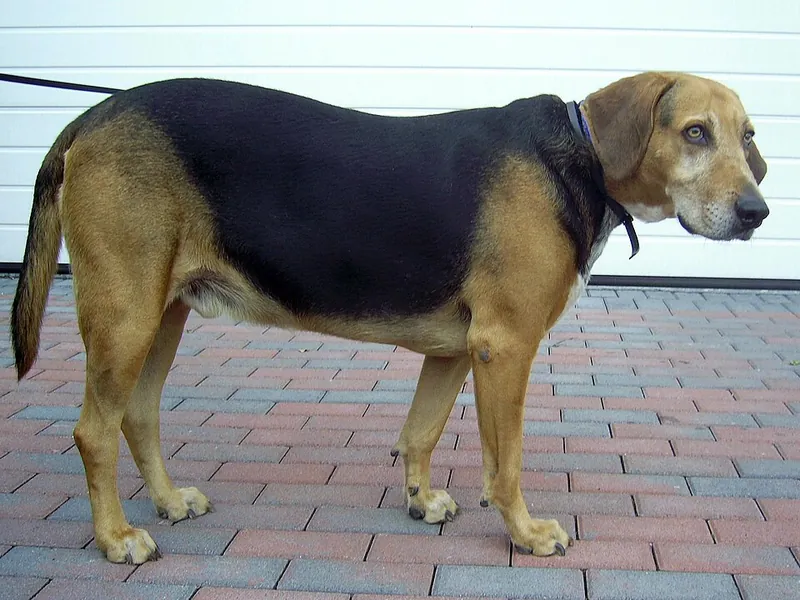
The coat is medium-long, often slightly wavy, with an undercoat. Texture varies between individuals, reflecting the Briard and Australian Shepherd ancestry. Color also varies widely. Many Wällers are black, gray, fawn or tan, often with lighter markings. Because the breed is young and managed by German breed clubs rather than major international registries, appearance is less uniform than in long-established breeds.
Temperament and Personality
Wällers are typically affectionate, people-oriented and keen to work. They tend to be good with children and enjoy family life. Many are cautious or reserved with strangers, a trait inherited from both parent breeds, so early socialization is important.
Herding instincts may show up as circling or nudging running children and other pets. With guidance and outlets, these behaviors can be channeled into play and sport.
Because the breed is still young, temperament can vary more than in long-established breeds. Meeting the parents and asking the breeder about their character is a good way to predict what a puppy will be like.
Is the Wäller Good for First-Time Owners?
Yes, the Wäller can be a good first dog for active owners who enjoy training. It was bred to be an easily trained family dog, and most are eager to cooperate and learn quickly with rewards.
Beginners should be ready for daily exercise and mental work, as well as careful socialization. Many Wällers are reserved with strangers, so early exposure to people and places is important. Herding instincts may show up around children or other pets. With consistent training and an active lifestyle, a first-time owner can build a strong partnership with this breed.
Do Wällers Shed a Lot?
Wällers shed moderately year-round, with heavier shedding during seasonal coat changes. The medium-long coat and undercoat mean regular brushing is part of life with the breed.
Brush once or twice a week to remove loose hair and prevent mats, especially behind the ears and under the legs. During spring and fall, daily brushing helps manage the undercoat. Texture varies between individuals, so some Wällers shed more than others. No dog is hypoallergenic, and the Wäller is not a good choice for people who want a low-shedding breed.
Can Wällers Be Left Alone?
Wällers do not do well with long periods alone. They are strongly people-oriented and want to be involved in family life, and boredom can lead to barking or chewing.
Most adults can manage a few hours if they are well exercised beforehand and have practiced alone time from puppyhood. Leave a chew or food puzzle and a comfortable bed in a safe area. For long workdays, a dog walker, daycare or a family member who can visit helps. A home where someone is around much of the day suits the breed best.
Exercise and Training
Plan for at least an hour of activity daily, combining walks with games, training and dog sports such as agility, obedience, tracking or herding. Mental work is as important as physical exercise.
Wällers are generally easy to motivate and learn quickly with rewards. They want to be with their people and do not do well with long periods alone. A home with a yard is helpful, but daily engagement matters more.
Herding-type dogs can become overstimulated, so teaching calm behavior at home is just as important as providing activity. Short training sessions spread through the day work well.
Grooming and Shedding
The coat is medium-long, often slightly wavy, with an undercoat. Color and texture vary between individuals, reflecting the two parent breeds. Brush once or twice a week and more during seasonal shedding. Check for mats behind the ears and under the legs.
Feeding and Nutrition
The Wäller is an active, medium to large dog that should stay lean and athletic. The medium-long coat hides body shape, so check for ribs and a waist by hand.
- Feed puppies three or four meals a day, then two meals for adults. Larger puppies benefit from a diet suited to large-breed growth.
- Adjust portions to activity: dogs that do sports or long hikes need more energy than family companions.
- Lean condition supports the hips, since hip dysplasia screening is part of club breeding.
- Wällers are usually food-motivated, so count training treats as part of the daily ration.
Dogs affected by the MDR1 gene defect are sensitive to some medications, including certain dewormers. Check the dog's MDR1 status before using any medication or supplement, and tell your vet. Fresh water should always be available.
| Adult weight | Less active | Typical adult | Very active |
|---|---|---|---|
| 57 lb | 1,120 kcal | 1,280 kcal | 1,610 kcal |
| 66 lb | 1,250 kcal | 1,430 kcal | 1,790 kcal |
Estimates use the resting energy formula veterinarians work with (70 × body weight in kg0.75) and standard activity factors. Use the feeding guide on your food as a starting point and adjust to body condition. Puppies, seniors, pregnant animals and pets that need to lose weight have different needs, so ask your vet.
Health and Lifespan
The breed was designed with health in mind, but known issues exist. The MDR1 gene defect, inherited from the Australian Shepherd, makes affected dogs sensitive to certain drugs, including some antiparasitics. A DNA test is available, and every Wäller should be tested before medication. Hereditary cataract linked to the HSF4 mutation has also been reported. Reliable lifespan data are limited; medium-large herding breeds commonly live around 12 to 14 years. Choose a club breeder who tests for MDR1, HSF4 and hip dysplasia.
Wäller Price and Cost of Ownership
The Wäller is very rare in the US, and there is no published US price range. Most puppies come from club breeders in Germany and nearby countries, so expect import costs, travel and long waiting lists. Prices vary by breeder, region and lines. Ask for MDR1, HSF4 and hip screening results for both parents.
Rescue Wällers are almost unheard of in the US, though herding breed rescues may place similar dogs.
Breed-specific ongoing costs include:
- MDR1 testing if not already done.
- Training classes and dog sports.
- Grooming tools for the medium-long coat.
- Insurance or savings for hip and eye problems.
Is the Wäller Right for You?
A Wäller suits you if you:
- Want an affectionate, trainable family dog
- Enjoy dog sports or long outdoor walks
- Can socialize the dog carefully
It may not suit owners who are away all day or want a low-energy dog. Puppies are mainly available in Germany and nearby countries.
Ask breeders for MDR1 and eye test results of both parents, and expect puppies to be placed carefully by the breed clubs, often with a waiting list.
Wäller Traits at a Glance
Wäller FAQ
What breeds make up the Wäller?
The Wäller was created from Briards and Australian Shepherds, starting in Germany in 1994.
How big does a Wäller get?
Adults stand roughly 20 to 26 inches tall and weigh about 57 to 66 lb.
Are Wällers good family dogs?
Generally yes. They are affectionate and good with children, but need daily activity and early socialization.
Do Wällers have the MDR1 gene defect?
Some do, inherited from the Australian Shepherd. Test your dog, as affected dogs react badly to certain medications.
Is the Wäller recognized by the AKC or FCI?
No. It is managed by German breed clubs and is not recognized by the AKC, The Kennel Club or the FCI.