German Dog BreedsWorking dogs, hunters and companions from Germany
German dog breeds were developed in Germany and include some of the world's best-known working dogs, along with many hunting breeds and small companions. This guide helps you understand what these breeds were bred for, how they differ, and which German breed matches your experience and lifestyle.
Top 10 German Dog Breeds
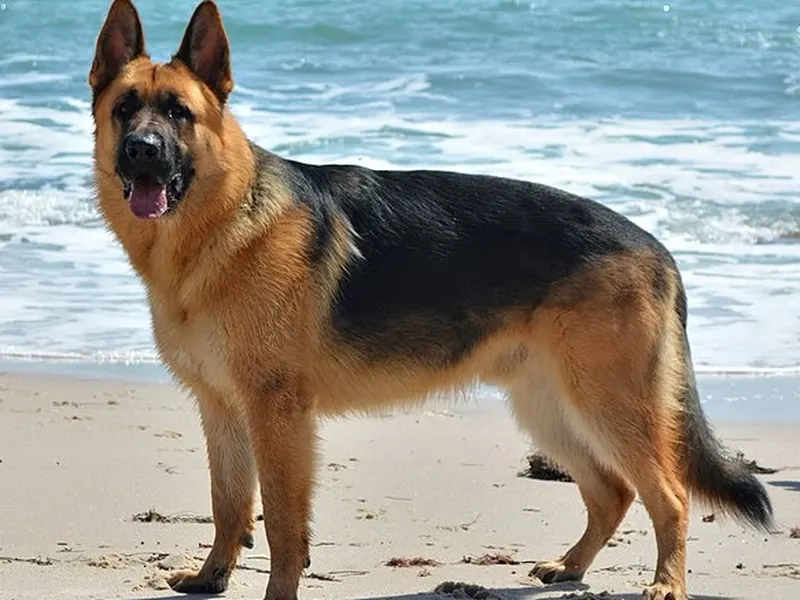
Standardized in 1899, the German Shepherd became one of the most popular and versatile working breeds worldwide.
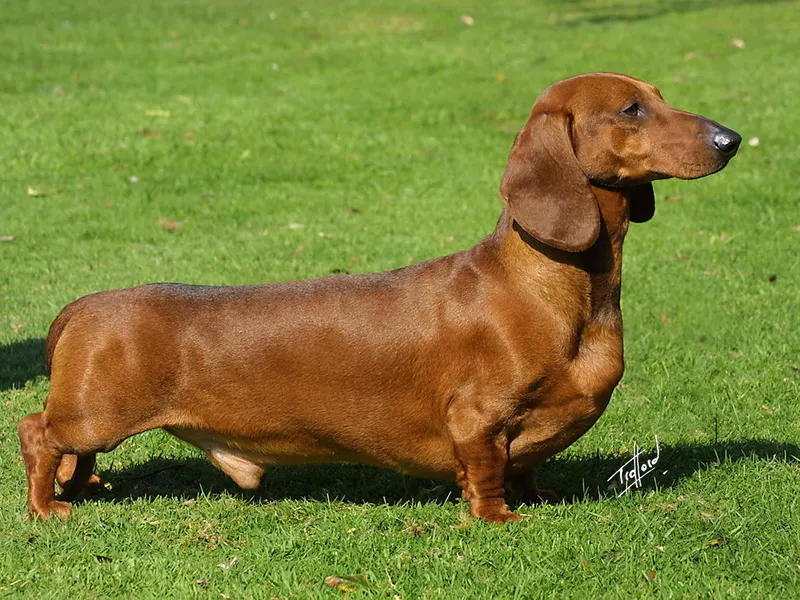
Bred to follow badgers into their dens, the Dachshund is brave, clever and comes in three coat types.
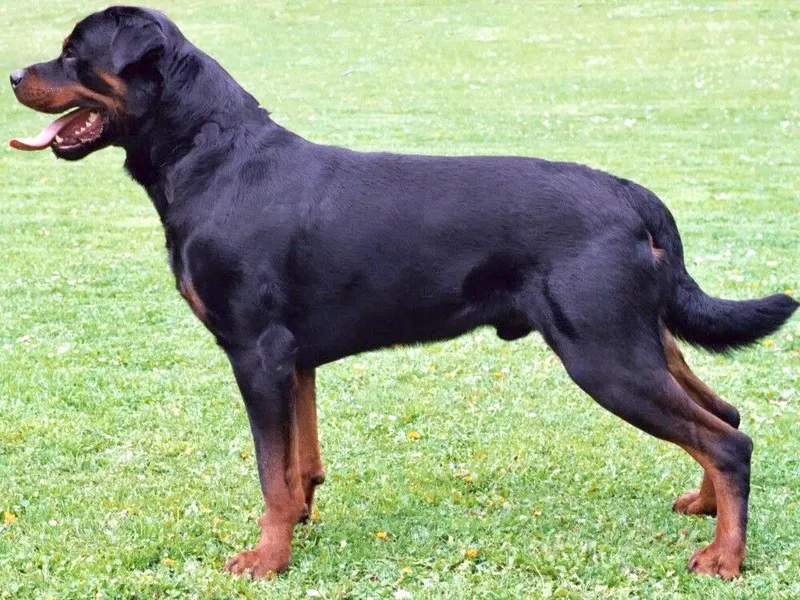
Named after the town of Rottweil, this powerful breed once drove cattle and guarded merchants on the road.
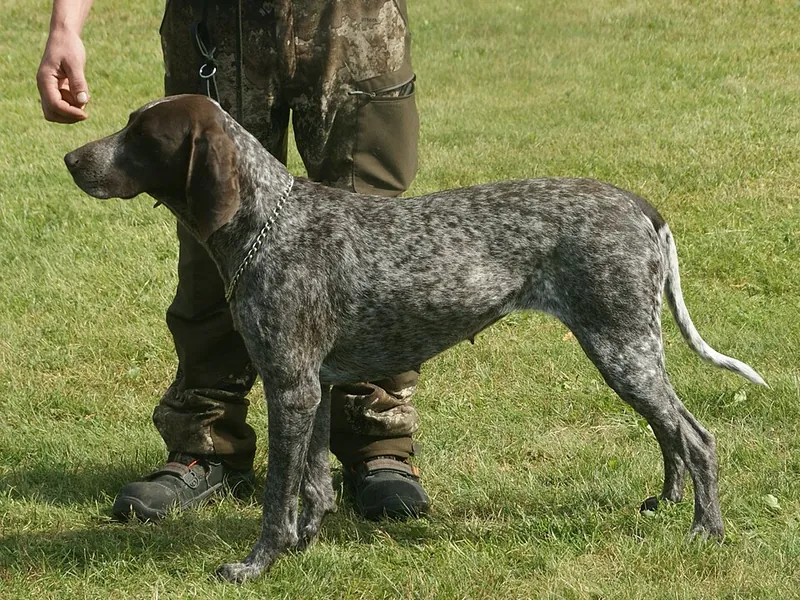
The German Shorthaired Pointer is an athletic, enthusiastic hunting dog that is equally happy pointing birds in a field or playing with children at home.
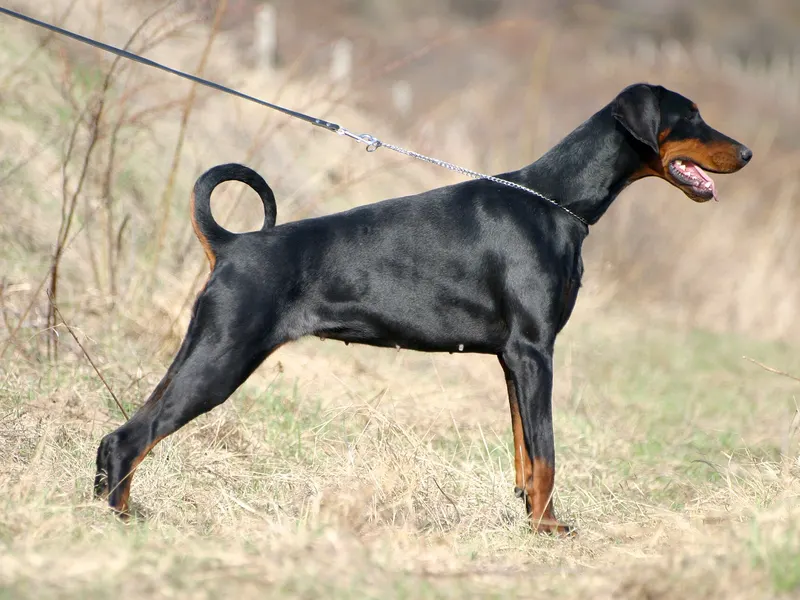
Created by Louis Dobermann in Thuringia in the late 1800s as a sleek, alert personal protection dog.
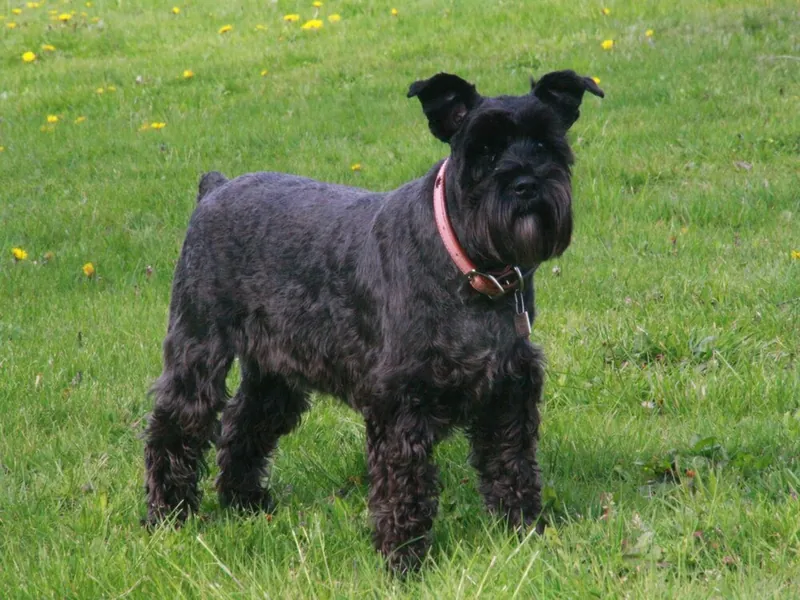
A small, sturdy farm ratter with a bearded face and wiry coat, alert, friendly and very adaptable.
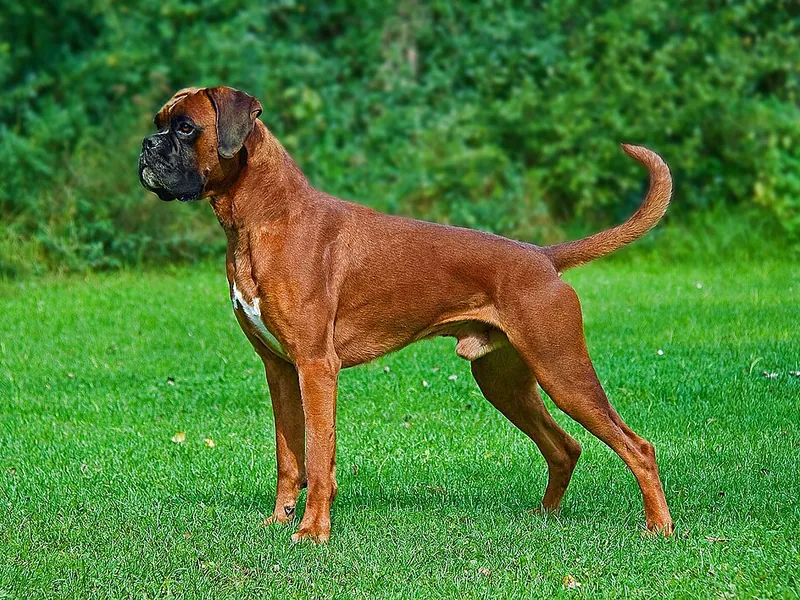
Developed in Munich in the late 1800s, the Boxer is a playful, energetic family dog with a strong protective streak.
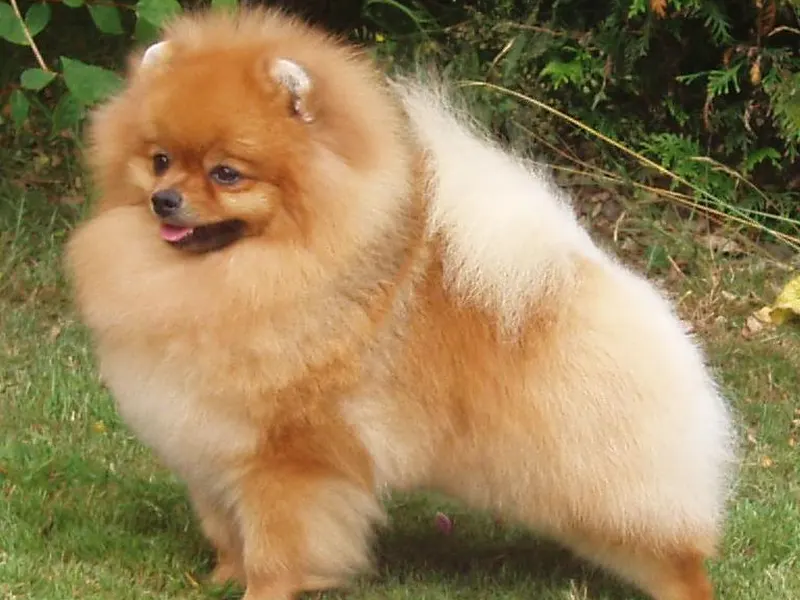
The Pomeranian descends from German spitz dogs and takes its name from the historic Pomerania region on the Baltic coast.
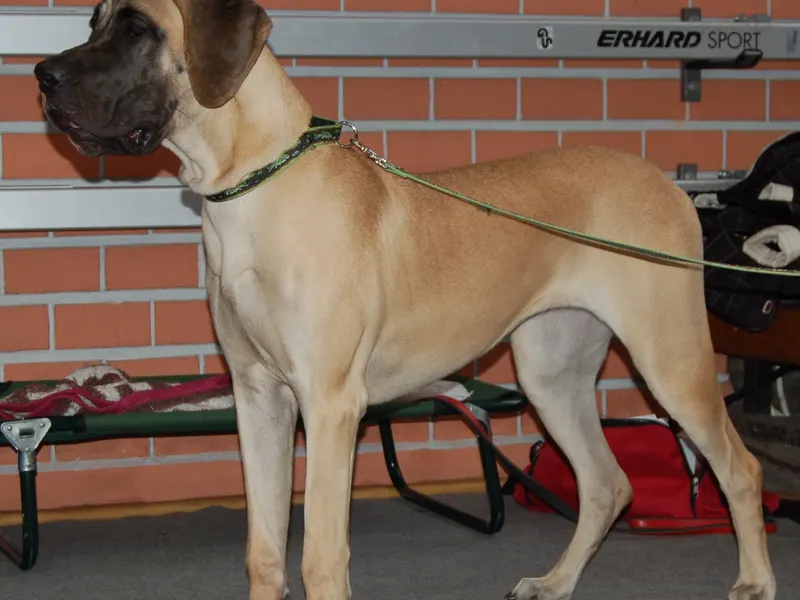
Known in Germany as the Deutsche Dogge, the Great Dane was bred for boar hunting and estate guarding.
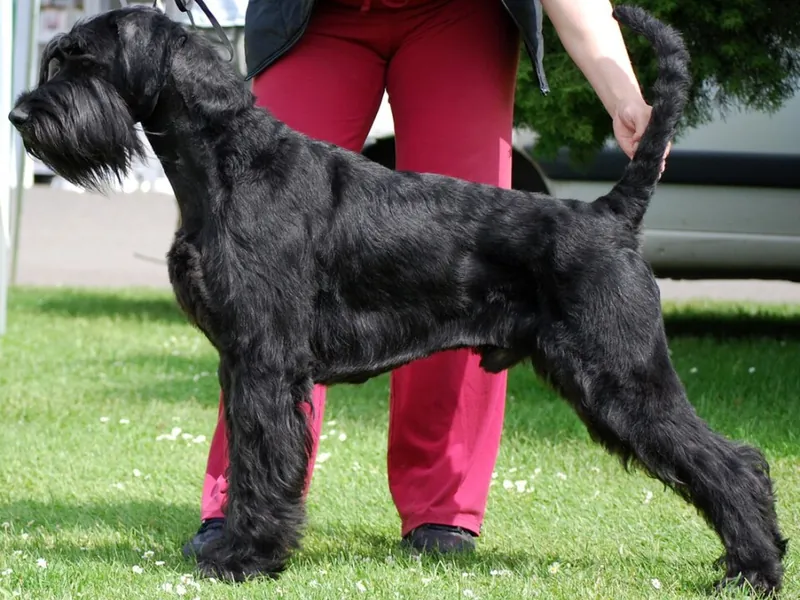
The largest of the three schnauzers, bred in Bavaria to drive cattle and later used as a police dog.
All German Dog Breeds A to Z
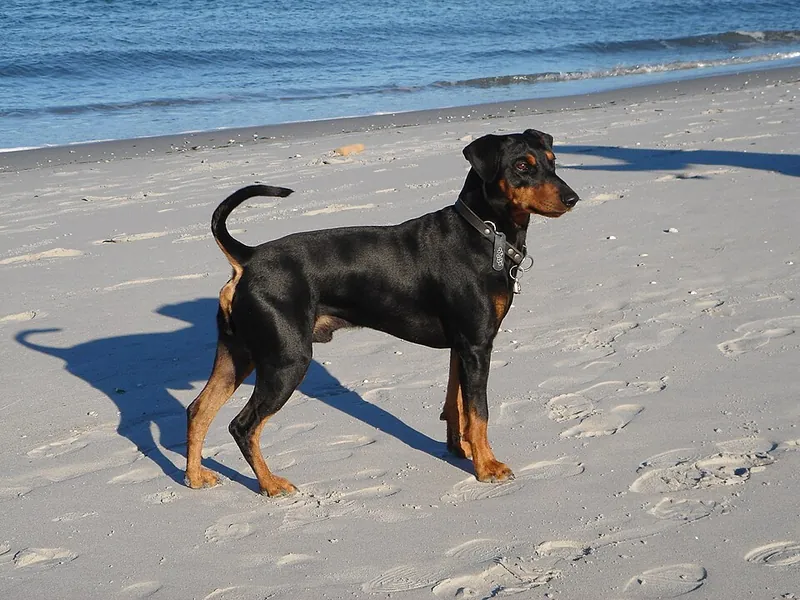
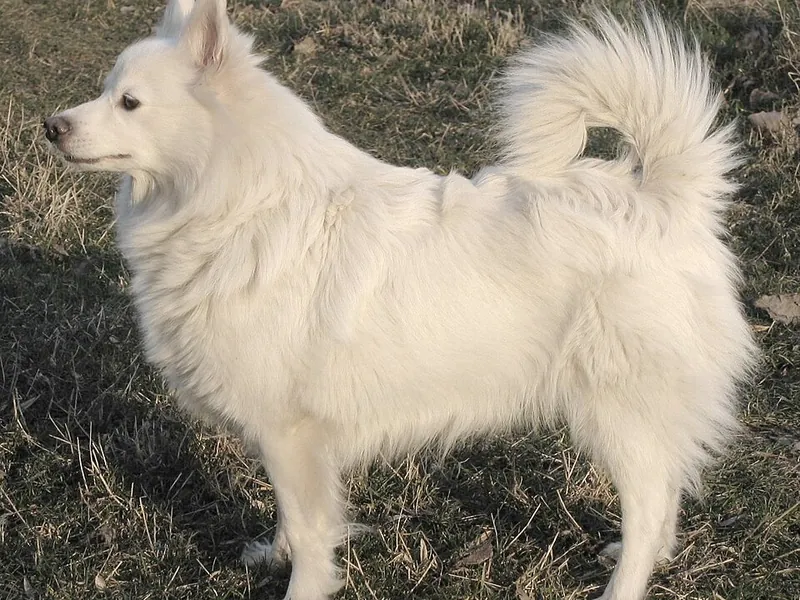
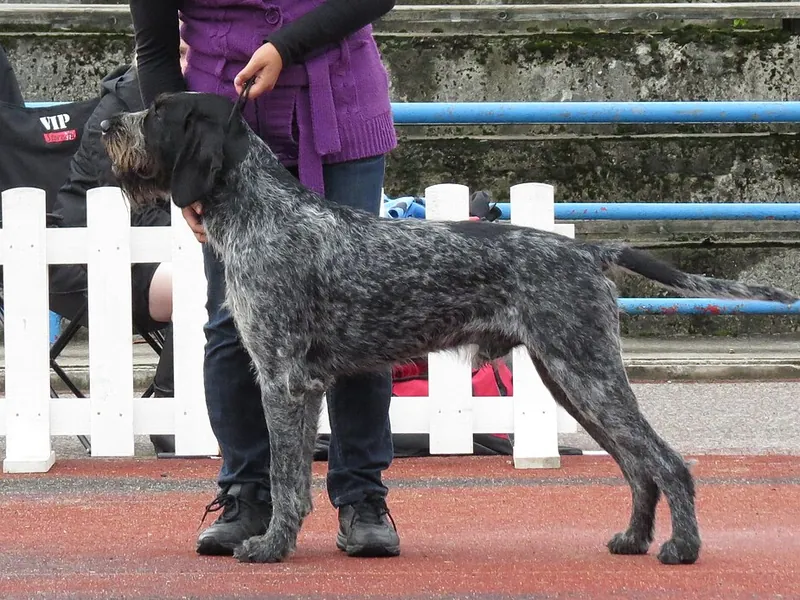
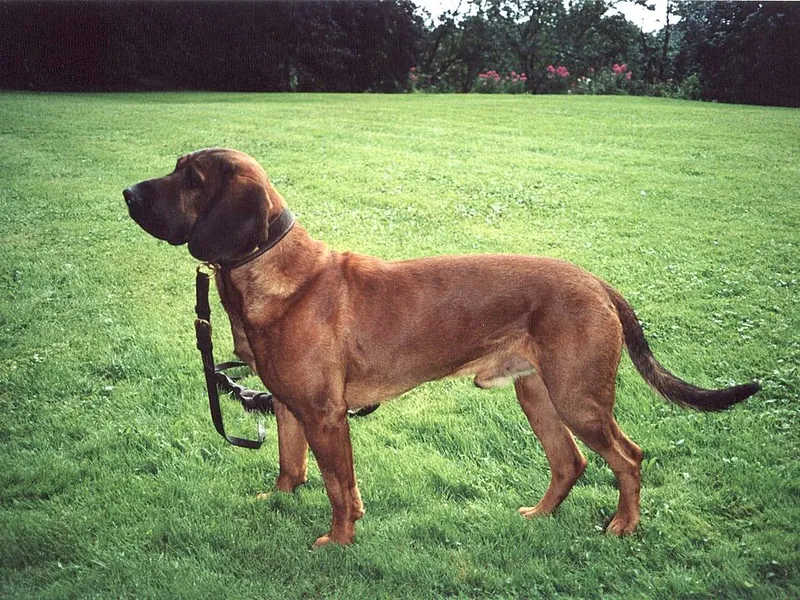
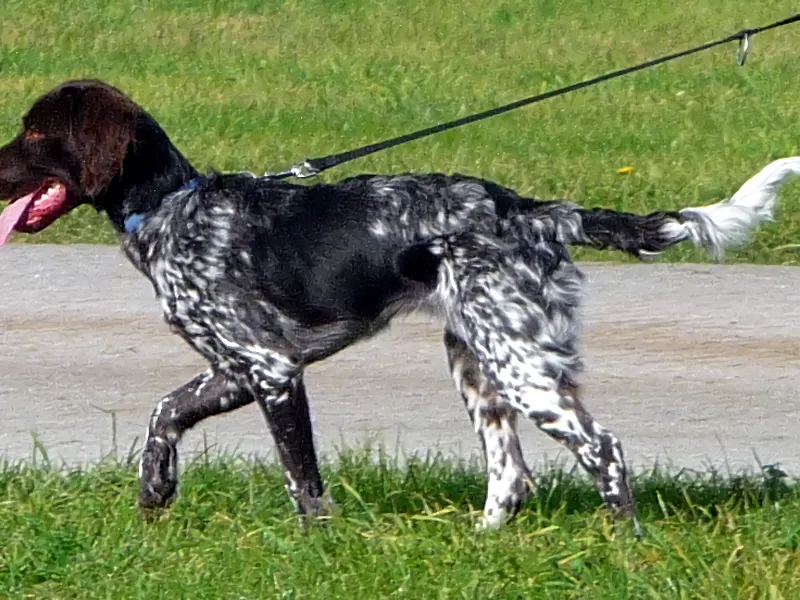
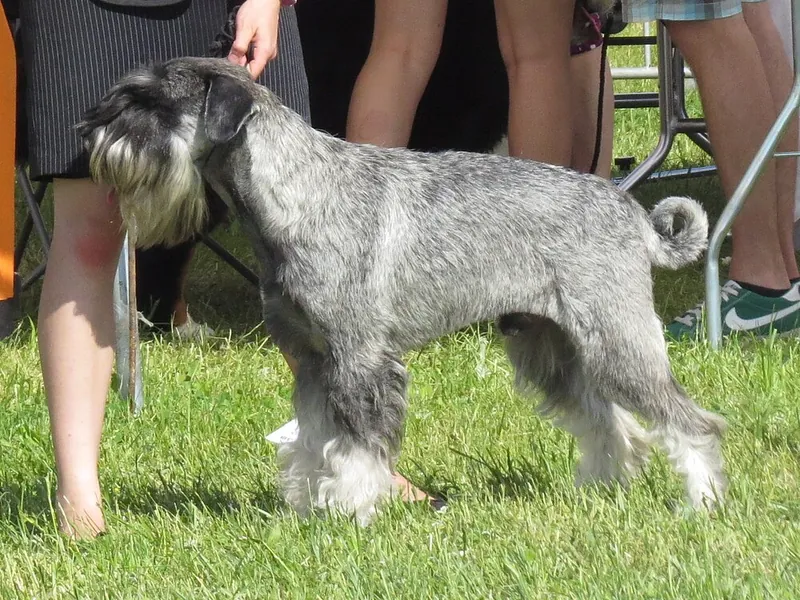
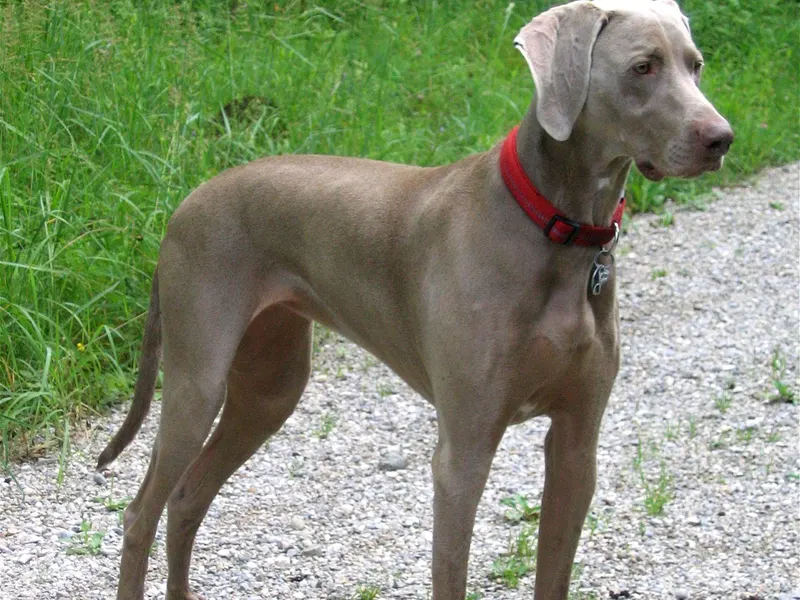
Germany's role in dog breeding
In the late nineteenth and early twentieth centuries, German breed clubs played a major role in turning regional working dogs into standardized breeds. They placed strong emphasis on working ability, and many German breeds still have formal working tests as part of their breeding programs. The result is a group that includes famous working dogs like the German Shepherd, Doberman, Rottweiler and Boxer, alongside versatile hunting dogs and small companions.
The main types of German breeds
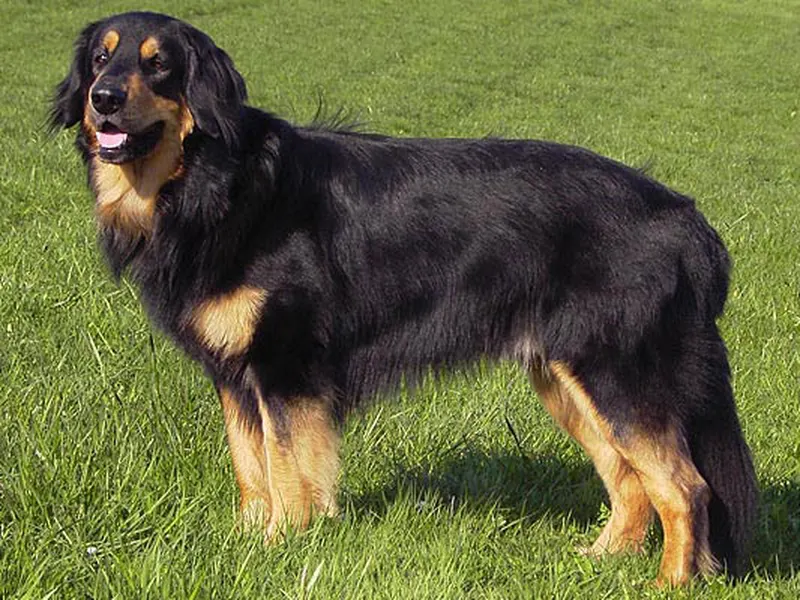
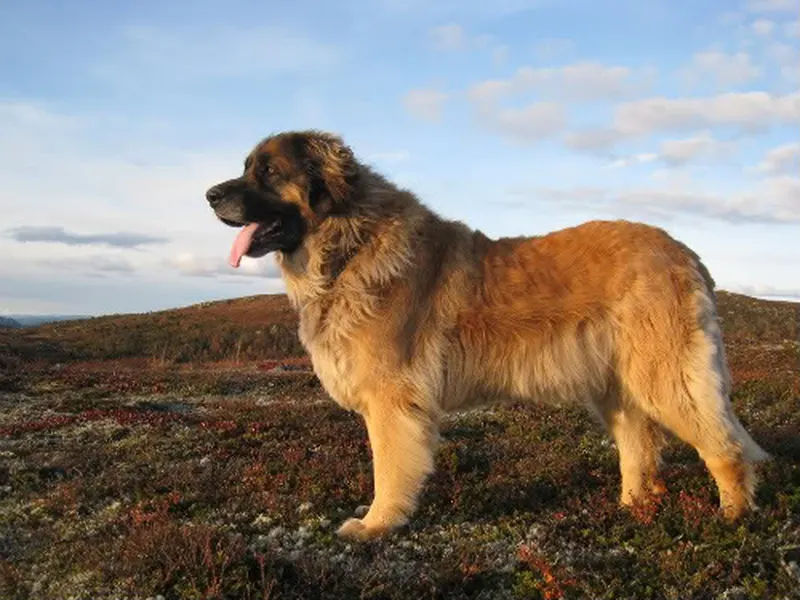
- Working and guardian breeds: German Shepherd, Rottweiler, Doberman, Boxer, Giant Schnauzer, Hovawart, Leonberger and Great Dane.
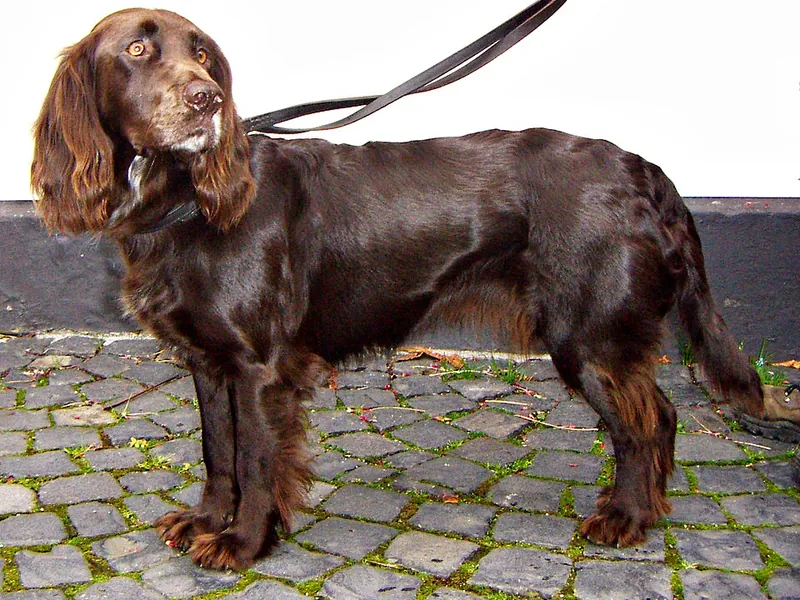
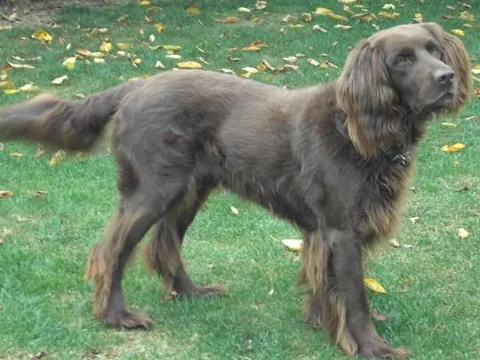
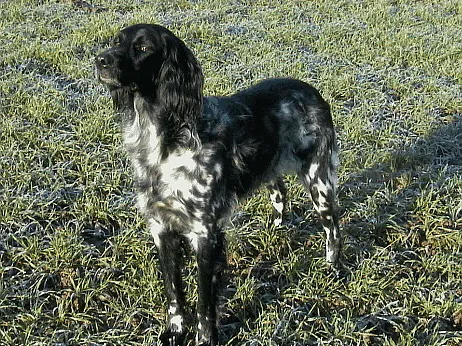
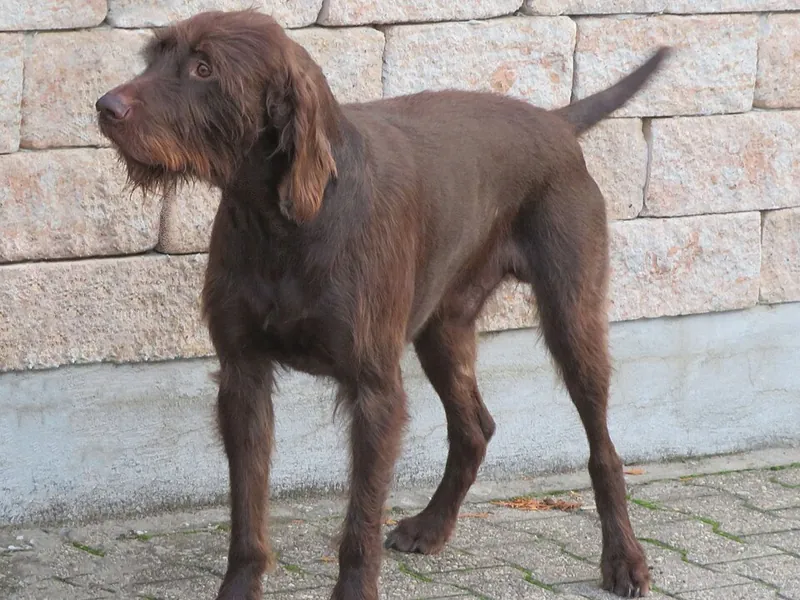
- Versatile hunting dogs: the German Shorthaired, Wirehaired and Longhaired Pointers, Weimaraner, Small and Large Munsterlander and Pudelpointer were bred to point, retrieve and track.
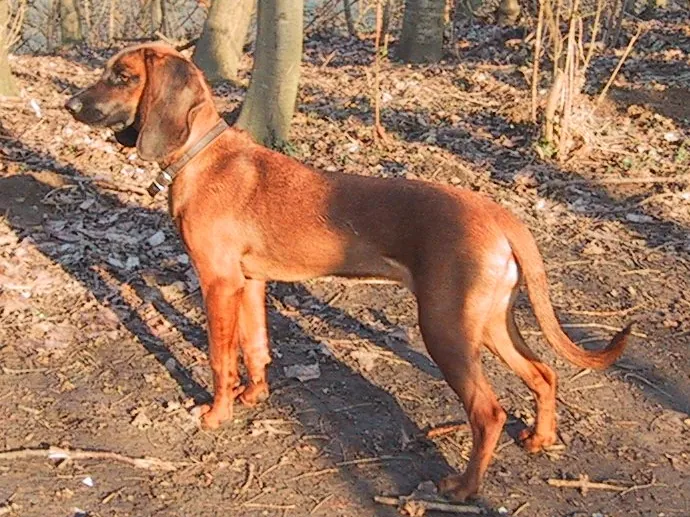
- Scent hounds and trackers: the Hanoverian Scenthound and Bavarian Mountain Hound specialize in following blood trails of wounded game.
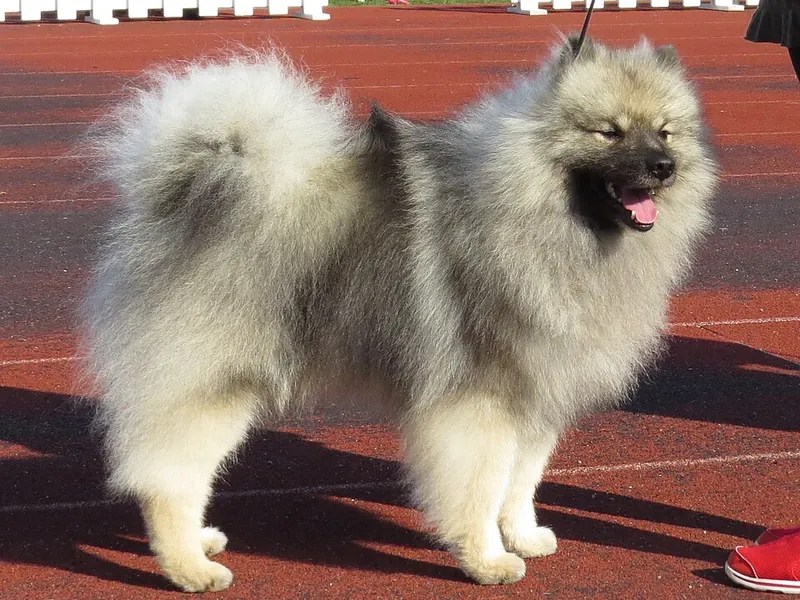
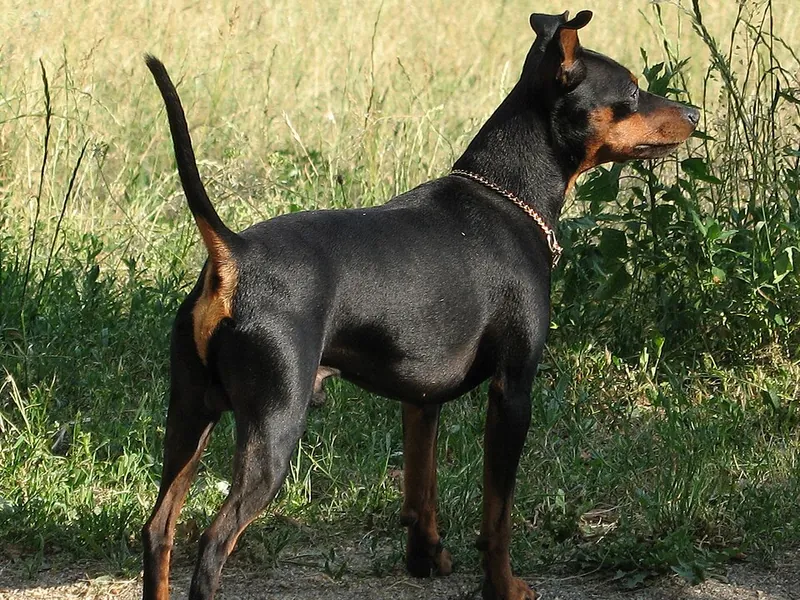
- Pinschers, schnauzers and spitz: the Miniature Pinscher, Affenpinscher, German Pinscher, Standard and Miniature Schnauzer, German Spitz and Keeshond (Wolfsspitz).
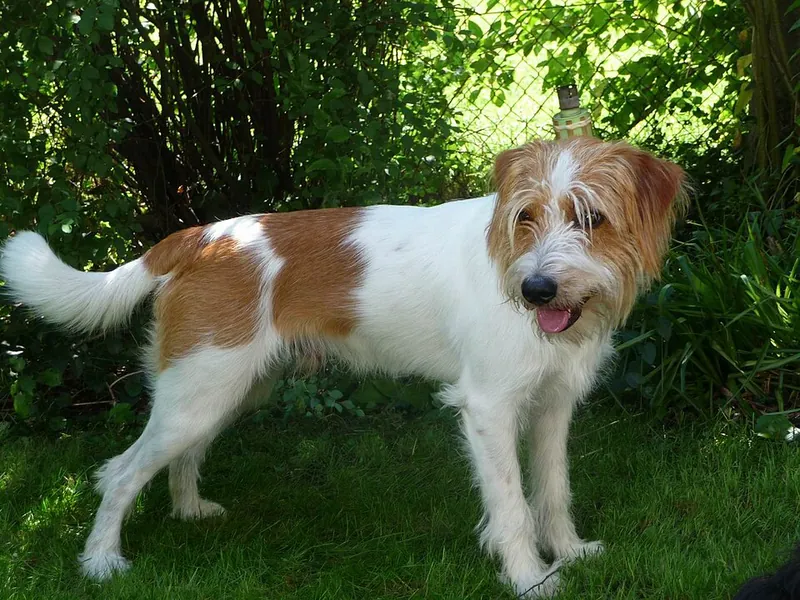
- Companions: the Kromfohrländer and Eurasier were developed in the twentieth century mainly as family dogs.
Choosing a German breed
Many German breeds are smart and eager to work, which makes them rewarding but demanding. The German Shepherd, Doberman and Giant Schnauzer need consistent training, socialization and daily mental challenges. Hunting breeds like the Weimaraner and German Shorthaired Pointer have high energy and need a lot of running. For a calmer family companion, the Eurasier, Kromfohrländer or Miniature Schnauzer are often easier fits.
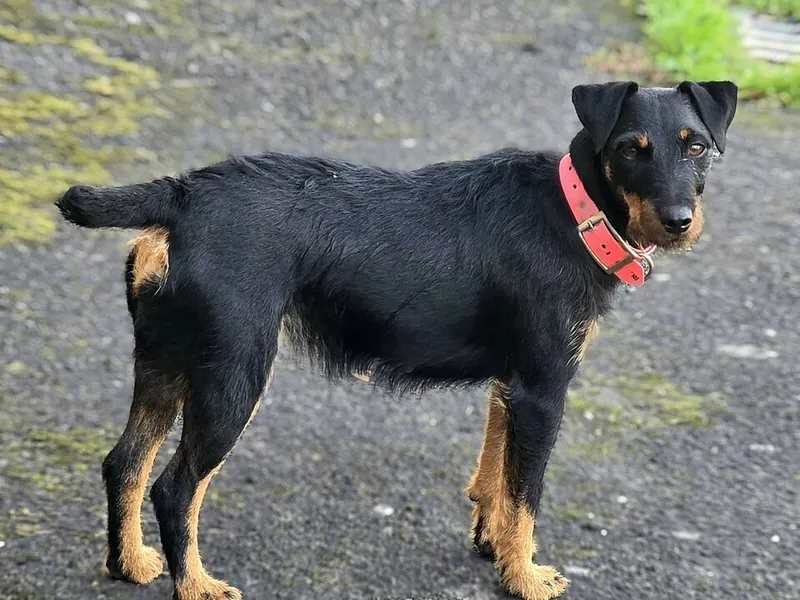
Some hunting breeds, such as the Hanoverian Scenthound, Bavarian Mountain Hound and Jagdterrier, are traditionally placed mainly with active hunters in Germany.
Newer and lesser-known German breeds
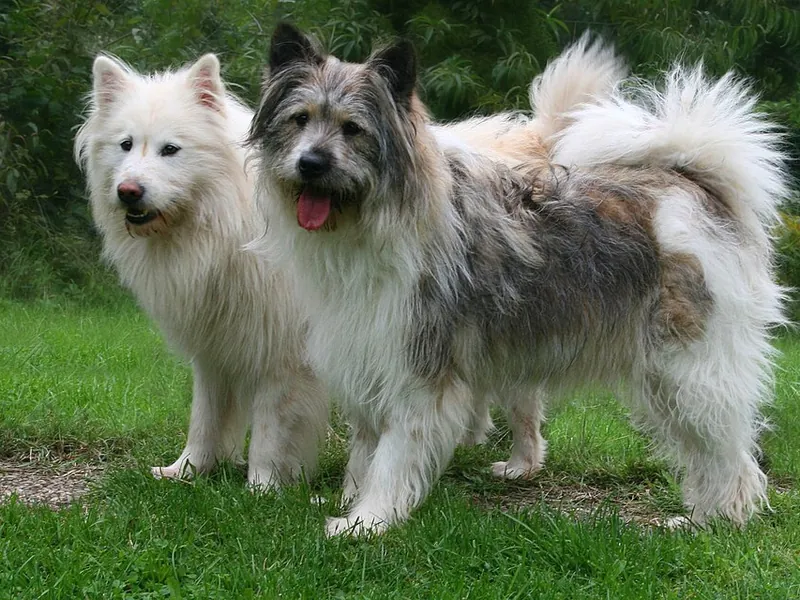
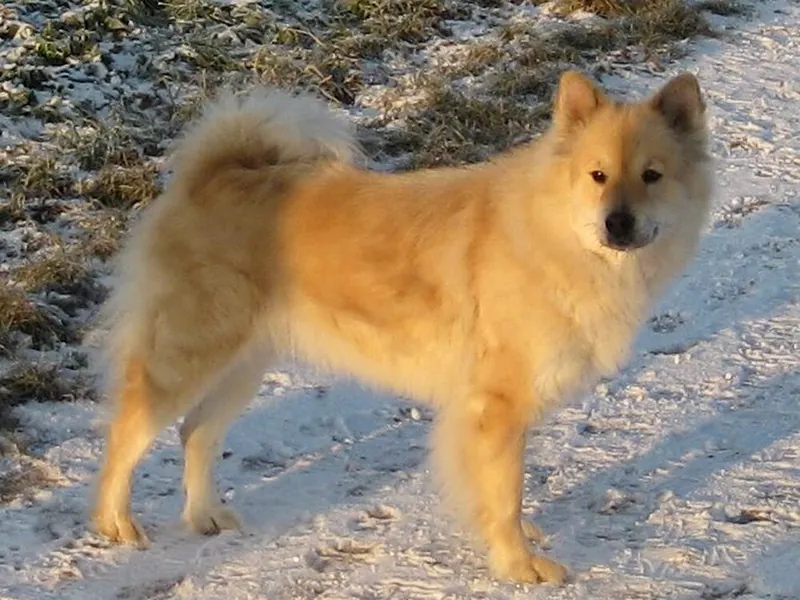
Germany has also produced newer breeds. The Eurasier was developed in the 1960s from Wolfsspitz and Chow Chow, later with Samoyed added. The Elo and the Wäller are more recent family-dog projects that are not recognized by major international kennel clubs. The Hovawart is an old farm guardian type revived in the twentieth century. These breeds are rarer outside Germany, so expect waiting lists.
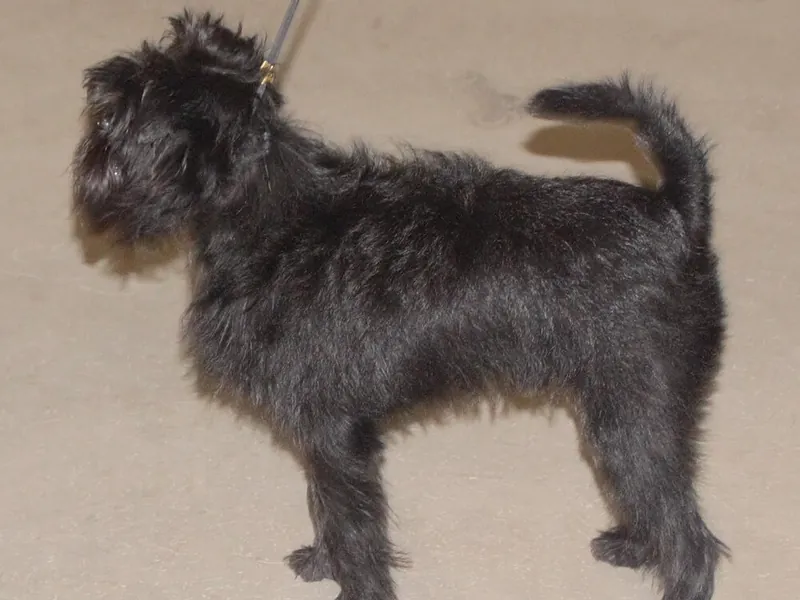
Small and toy German breeds are easy to overlook next to the famous working dogs. The Affenpinscher, with its monkey-like face, and the Miniature Pinscher are confident little dogs with a lot of attitude. The German Spitz family ranges from the tiny Pomeranian to the medium Keeshond, all with plush double coats and an alert, watchful nature that makes them keen barkers.
Health and care notes
Large German breeds such as the Great Dane, Leonberger and Rottweiler can be prone to hip and elbow dysplasia, bloat and shorter lifespans. Dobermans are known for heart disease, so cardiac screening of breeding dogs is important. Dachshunds have a higher risk of back problems because of their long spine. Wire-coated breeds like schnauzers need regular stripping or clipping.
Frequently Asked Questions
What is the most popular German dog breed?
The German Shepherd is among the most popular breeds in the world, and the Dachshund, Boxer and Rottweiler are also very well known.
Is the Pomeranian a German breed?
The Pomeranian descends from German spitz dogs and is named after the Pomerania region, though the small modern type was largely developed in Britain.
Is the Great Dane German or Danish?
Despite its English name, the Great Dane was developed in Germany, where it is called the Deutsche Dogge.
Which German dog breed is best for families?
The Boxer, Miniature Schnauzer, Eurasier and Kromfohrländer are often good family choices with proper training and exercise.
Are German dog breeds hard to train?
Most are very trainable but need consistent, structured guidance. Their intelligence can make them challenging if they are bored.
Not sure which breed fits you?
Answer 8 quick questions and get breeds ranked for your home, schedule and experience.