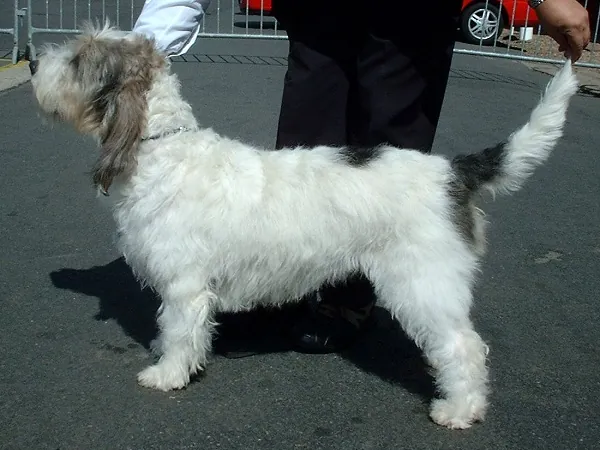
German PinscherSleek, spirited German farm dog
The German Pinscher is a medium-sized, sleek and athletic dog from Germany, the ancestor of both the Doberman and the Miniature Pinscher. It is clever, alert and full of drive, and suits experienced owners who can provide exercise, training and firm, fair leadership.
Why people love the German Pinscher
- Clever, quick learner with lots of drive
- Short coat needs little grooming
- Alert, effective watchdog
- Medium size suits active households
- Athletic partner for many dog sports
Things to consider
- Strong prey drive toward cats and small pets
- Strong-willed, tests boundaries without structure
- Needs one to two hours of vigorous exercise
- Wary of strangers, needs early socialization
- Does not cope well alone for long hours
Is this breed right for you?
10 questions · live resultHistory and Origin
The German Pinscher has been known in Germany since at least the 1700s as a farm dog that hunted rats and guarded stables. It shares roots with the Standard Schnauzer; early litters could include both smooth- and wire-coated puppies.
After World War II the breed nearly vanished. Werner Jung revived it in the 1950s using the few remaining dogs and a Miniature Pinscher outcross. The AKC recognized it in 2003 in the Working group, and The Kennel Club granted it championship status in 2025.
The breed was so scarce after the war that only one registered litter appeared in West Germany between 1949 and 1958. Jung's rescue program, using dogs smuggled from East Germany and careful outcrosses, rebuilt the population.
Size, Smooth Coat and Colors
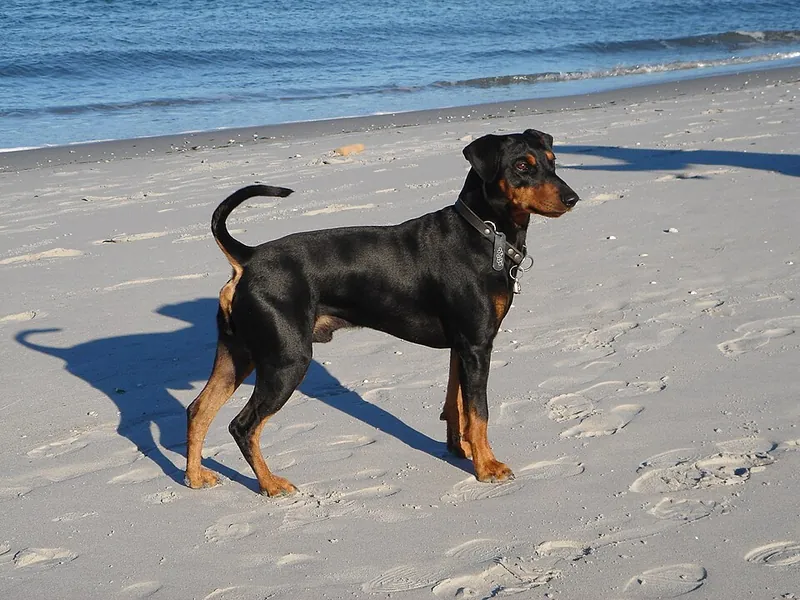
The German Pinscher is a medium-sized, square-built dog with a sleek, muscular outline and an elegant, wedge-shaped head. It stands 18 to 20 inches at the withers and weighs about 31 to 44 lb. Males are usually at the upper end of both ranges and appear more substantial, while females are slightly finer.
Its proportions are almost square, with a deep chest, short back and well-tucked loin, giving it the agility of a ratter and the stamina of a farm dog. Ears are naturally dropped and folded in many countries, while some US dogs have cropped ears. Natural tails are increasingly common.
The coat is short, dense, smooth and close-lying with a glossy sheen. The AKC accepts two color groups: solid shades of fawn (Isabella) to red, including stag red, which has black hairs intermixed; and black or blue with red or tan markings on the face, chest and legs. Excessive white is a fault, and markings should be clearly defined and rich in color.
Temperament and Personality
German Pinschers are energetic, intelligent and alert. They are protective watchdogs and can be wary of strangers.
They have a strong prey drive and may chase cats and small animals. They are strong-willed and can test boundaries. They need company and do not cope well alone.
German Pinschers are known for their curiosity and quick reactions. They often enjoy playing with their families and can be affectionate and gentle with older children who respect them. With strangers they tend to be watchful until they decide the visitor is welcome, and some can be bossy with other dogs.
Many enjoy cuddling on the sofa after a busy day, showing a softer side to their family.
Is the German Pinscher Good for First-Time Owners?
The German Pinscher is generally not recommended for first-time owners. It is affectionate and smart, but its drive, willfulness and watchfulness need a confident, consistent handler.
Novices often find that a German Pinscher learns rules quickly and then tests every one of them. Without daily exercise and training it can become pushy, noisy or destructive. A first-time owner with an active lifestyle can still succeed by working with an experienced breeder, joining a training class early and committing to daily structured activity. Owners who prefer a relaxed, low-input dog should choose another breed.
Are German Pinschers Good With Cats?
German Pinschers can live with cats if they are raised with them, but many have a strong drive to chase. The breed was developed to hunt rats on farms, and fast-moving small animals trigger that instinct.
Introduce a puppy to a calm cat early and supervise every interaction for months. Teach a solid leave-it and reward calm behavior around the cat. Even dogs that accept the family cat may still chase unfamiliar cats outside, so keep your Pinscher leashed in areas with free-roaming pets. Rodents, rabbits and birds should be kept fully separate from this breed.
Do German Pinschers Bark a Lot?
German Pinschers bark to alert, and many bark more than average. As watchful farm dogs, they announce visitors, unusual noises and anything that moves near their territory.
Most are not barkers for no reason, but boredom and lack of exercise can increase noise quickly. Teach a quiet cue early, reward calm behavior at windows and doors, and limit unsupervised time in a yard where the dog can patrol and bark at passersby. Daily exercise and mental work, such as tracking or puzzle toys, reduce nuisance barking more than any other measure.
Exercise and Training
German Pinschers need at least an hour or two of vigorous exercise daily plus mental stimulation. They excel at agility, obedience and tracking.
- Use consistent, reward-based training.
- Socialize early to manage wariness.
- Keep on leash in areas with wildlife.
- Provide puzzle toys for mental work.
Expect a dog that will find its own job if you do not provide one. Fetch, flirt pole games, barn hunt and rally obedience all suit the breed, and many German Pinschers enjoy running alongside a bike once they are fully grown.
Varied routes, new places and short training breaks during walks help keep this busy mind satisfied and calm at home.
Grooming and Shedding
The short, smooth coat needs weekly brushing. Shedding is moderate. They feel the cold and may need a coat in winter.
Coat colors are solid red shades or black and tan. The smooth coat dries quickly and has little odor, so baths are needed only occasionally. Brush teeth regularly and keep nails short.
Feeding and Nutrition
The German Pinscher is an active, muscular dog that should stay lean and athletic. You should feel the ribs easily and see a clear tuck-up behind the ribcage.
- Feed puppies three or four meals a day, then two meals for adults.
- Match portions to activity: dogs that run, do agility or work daily need more energy than family dogs with moderate exercise.
- Hip dysplasia is reported in the breed, so steady growth and lean adult weight help protect joints.
- Some Pinschers are food-obsessed and quick to steal food from counters; keep food out of reach and teach a reliable leave-it.
Use food rewards generously during training, but subtract them from the day's ration. Puzzle feeders and snuffle mats turn mealtimes into mental work for this busy breed and can reduce restlessness at home.
| Adult weight | Less active | Typical adult | Very active |
|---|---|---|---|
| 31 lb | 710 kcal | 810 kcal | 1,020 kcal |
| 44 lb | 930 kcal | 1,060 kcal | 1,320 kcal |
Estimates use the resting energy formula veterinarians work with (70 × body weight in kg0.75) and standard activity factors. Use the feeding guide on your food as a starting point and adjust to body condition. Puppies, seniors, pregnant animals and pets that need to lose weight have different needs, so ask your vet.
Health and Lifespan
German Pinschers typically live 12 to 14 years. Conditions include hip dysplasia, eye diseases, von Willebrand disease, occasional heart problems and vaccine reactions. The AKC recommends testing for hips, heart, eyes and vWD.
Ask breeders for hip scores, eye exams, heart checks and vWD DNA results for both parents. Discuss vaccine timing with your vet, since some dogs in the breed have shown reactions.
German Pinscher Price and Cost of Ownership
Typical breeder price in the US$1,500 to $3,000
A German Pinscher puppy from a reputable US breeder typically costs about $1,500 to $3,000. Prices vary by breeder, region and lines. The breed is not common in the US, so expect a waiting list. Ask for hip, eye, heart and von Willebrand disease results on both parents. Show prospects and imported lines usually sit at the top of the range.
Pinscher-focused rescues and the breed club occasionally place adults.
Breed-specific ongoing costs include:
- Training classes and dog sports to channel drive.
- Insurance or savings for hip problems, eye disease and possible vaccine reactions.
- A winter coat for cold climates.
- Durable toys, puzzle feeders and secure fencing.
Is the German Pinscher Right for You?
The German Pinscher suits active, experienced owners who want a clever, alert companion.
It is less suited to first-time owners, homes with small pets, or owners away all day.
It is a good choice for someone who wants a medium-sized, low-grooming dog with a lot of personality and enjoys daily training and outdoor activity.
German Pinscher Traits at a Glance
German Pinscher FAQ
How big do German Pinschers get?
They stand about 18 to 20 inches tall and weigh roughly 31 to 44 lb.
Are German Pinschers good family dogs?
They can be loyal family dogs with older children and consistent training.
Do German Pinschers shed?
Moderately. The short coat needs only weekly brushing.
Are German Pinschers related to Dobermans?
Yes. The German Pinscher contributed to the development of the Doberman Pinscher.
How much exercise does a German Pinscher need?
At least one to two hours a day, plus mental challenges.
How long do German Pinschers live?
Most live 12 to 14 years.