Working Dog BreedsGuardians, sled dogs and mountain dogs
This list gathers breeds developed for practical jobs such as guarding property, protecting livestock, pulling sleds and carts or rescuing people, including the classic mountain dogs. It helps you understand what each breed was built to do, because that original job still shapes how these dogs live with us.
Top 10 Working Dog Breeds
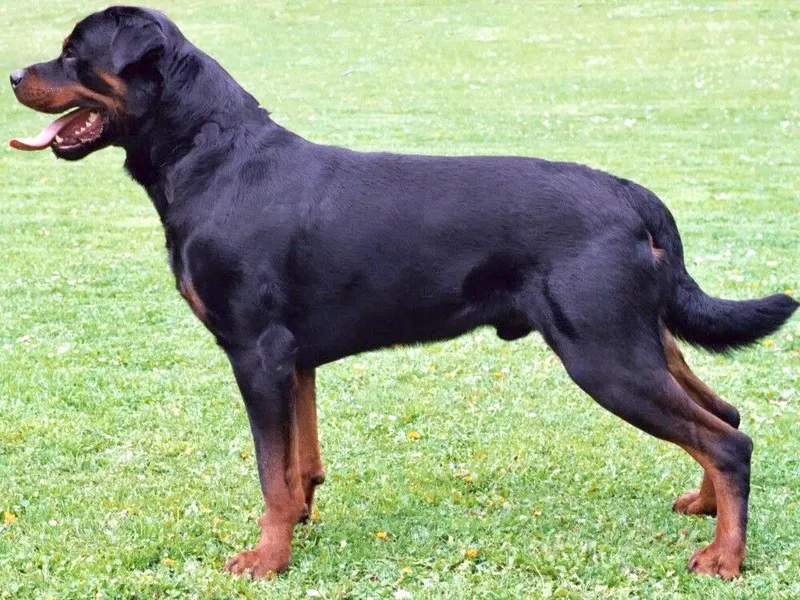
Once drove cattle and pulled butchers' carts, the Rottweiler is a confident, trainable guardian.
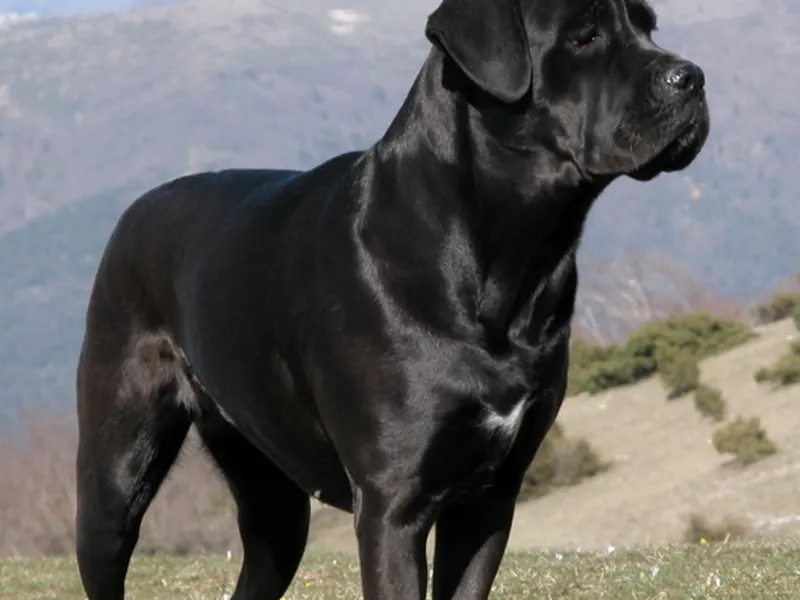
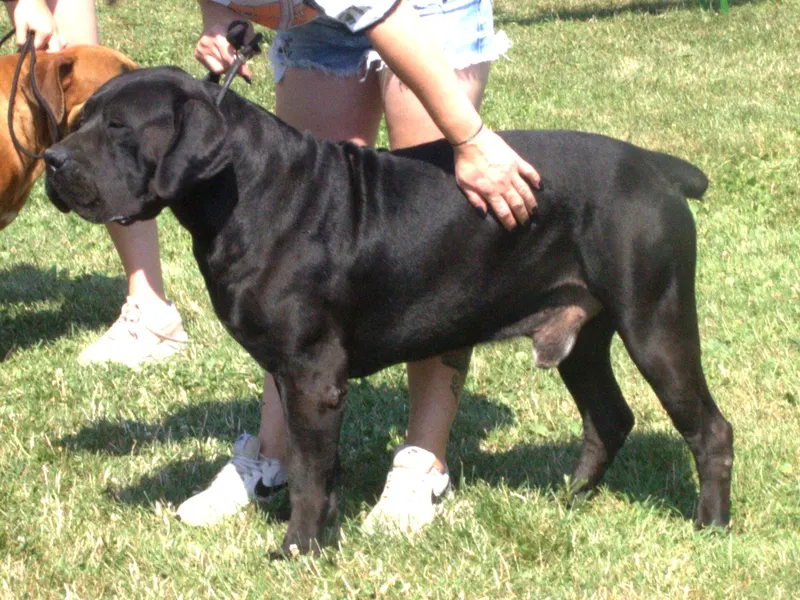
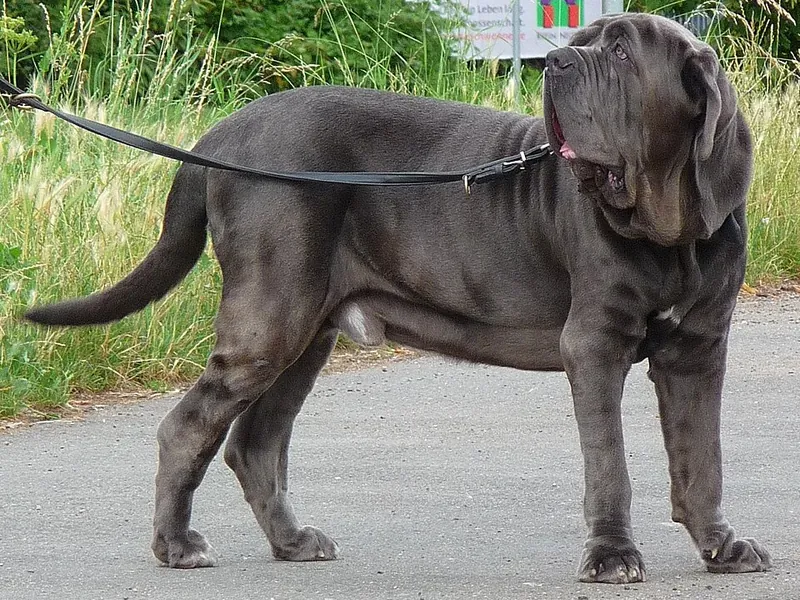
An Italian mastiff once used to guard farms and estates, powerful, loyal and best with experienced owners.
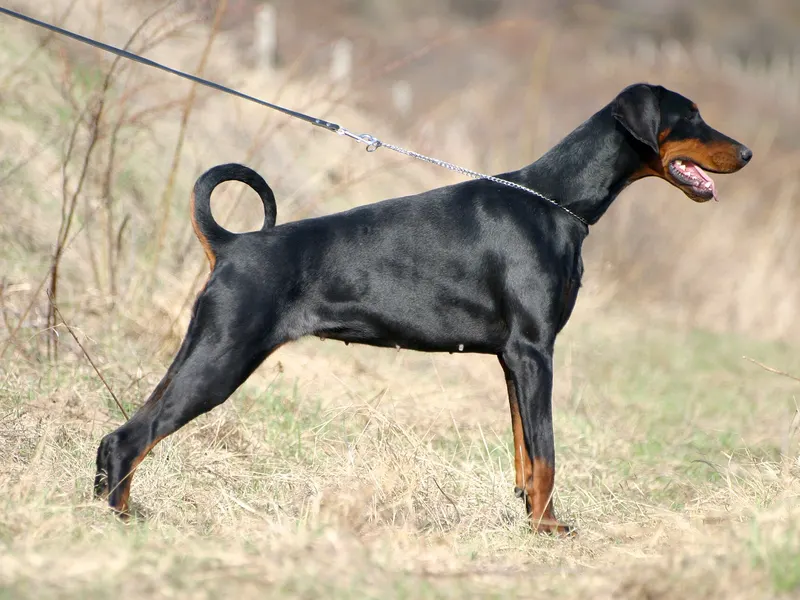
The Doberman was created in 1890s Germany as a personal protection dog, and it remains alert, athletic and devoted to its people.
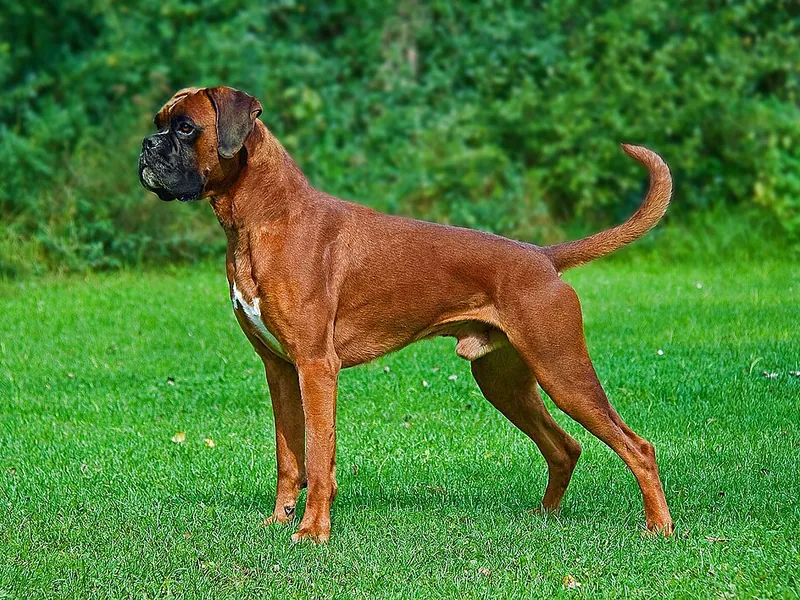
Developed in Germany from bull-type working dogs, the Boxer is athletic, playful and protective.
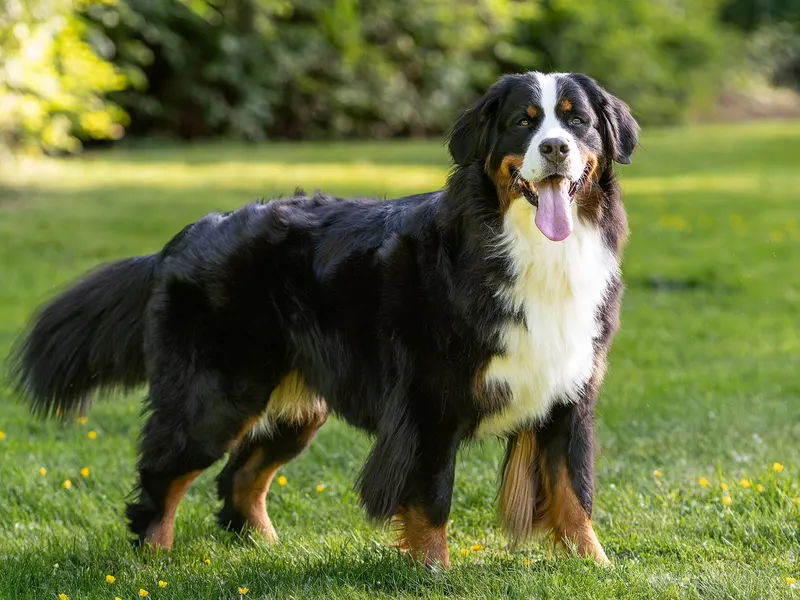
A Swiss farm dog that pulled milk carts and watched over livestock, gentle and calm.
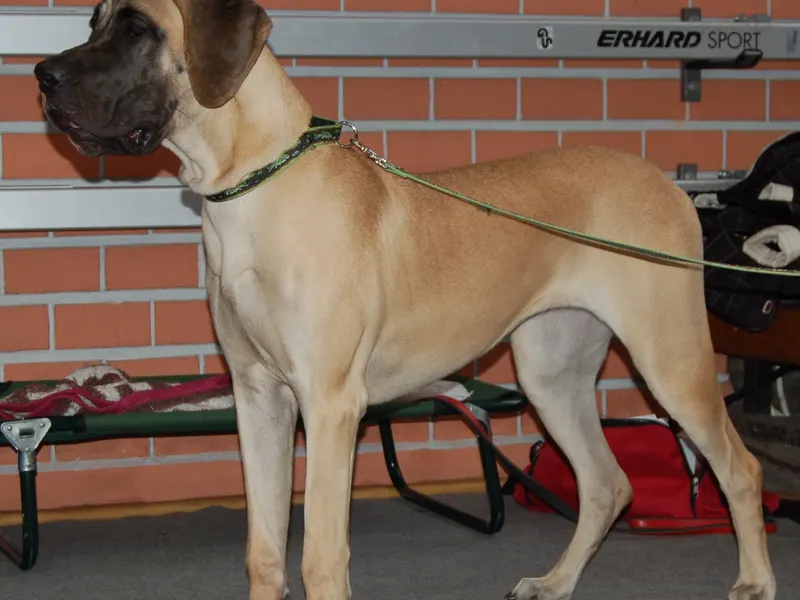
A giant bred to hunt boar and later guard estates, now known as a gentle household companion.
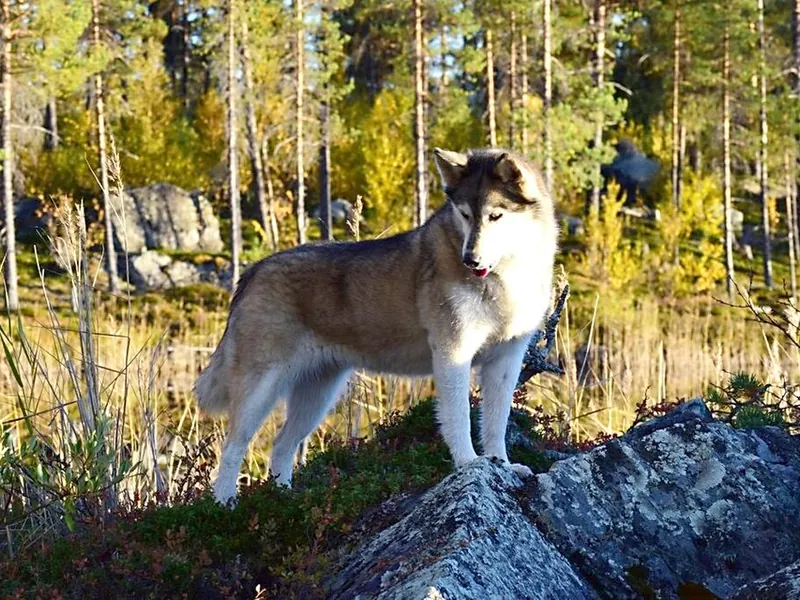
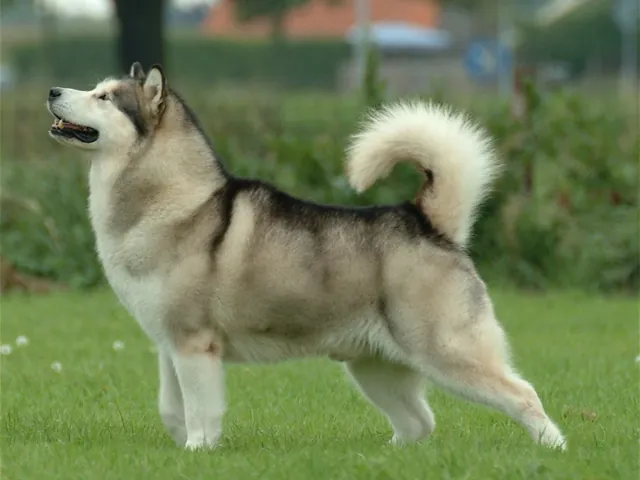
The Siberian Husky is a medium-sized sled dog bred to pull light loads fast over great distances.
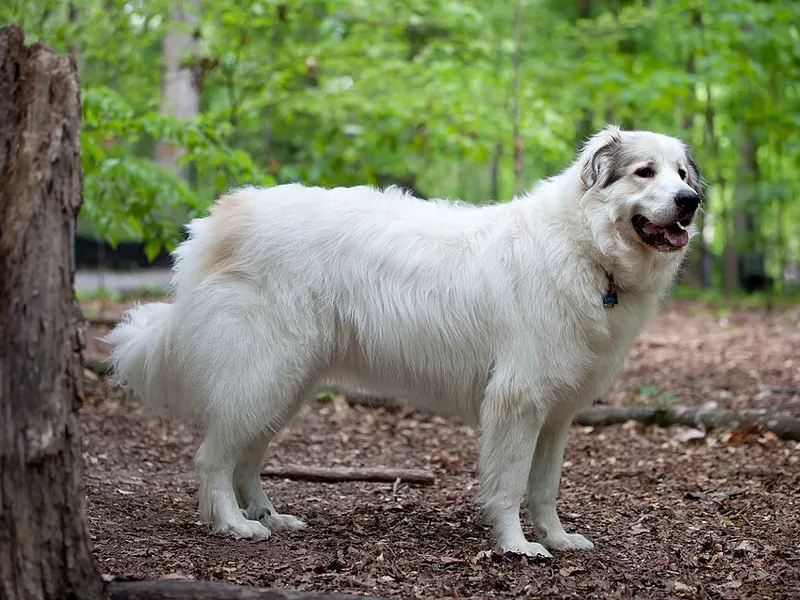
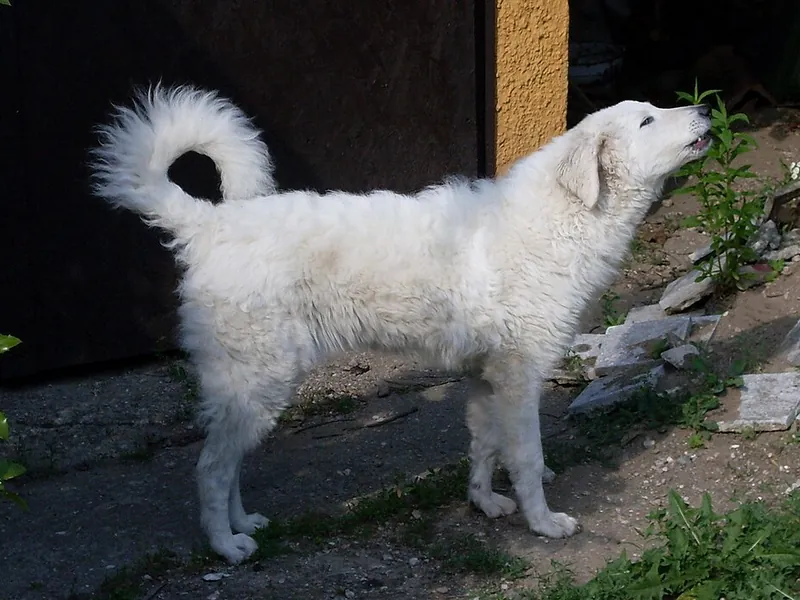
A livestock guardian from the Pyrenees, calm and patient but strongly protective at night.
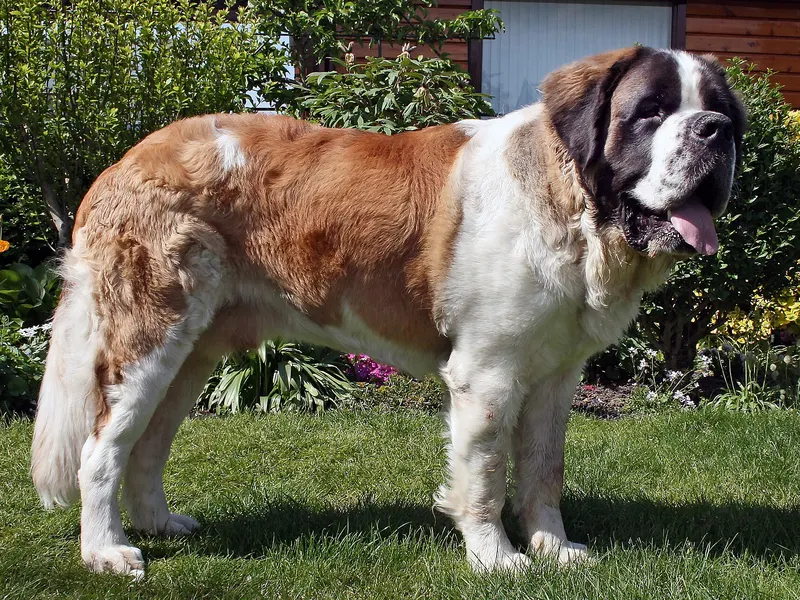
Famous for alpine rescue work at the Great St. Bernard Pass, gentle and patient with families.
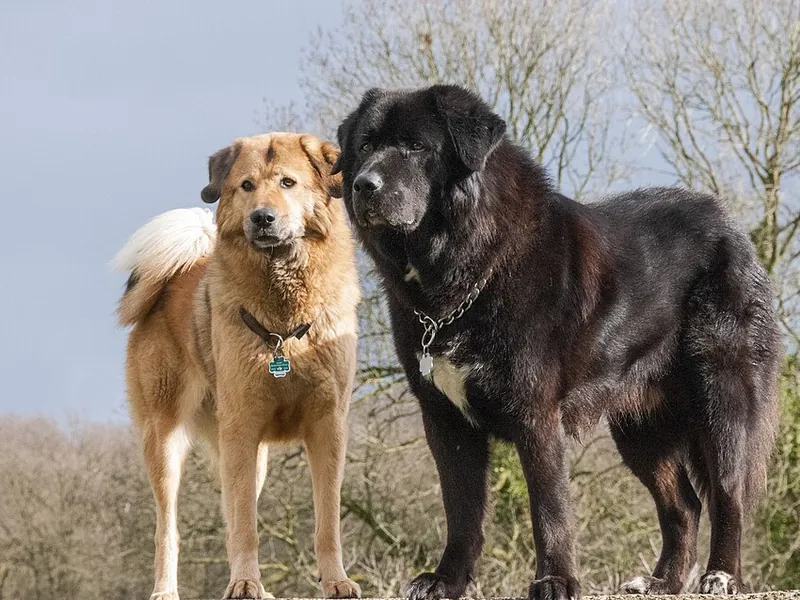
The Tibetan Mastiff is a massive, lion-maned guardian bred by Himalayan nomads and monasteries to protect flocks and property.
All Working Dog Breeds A to Z
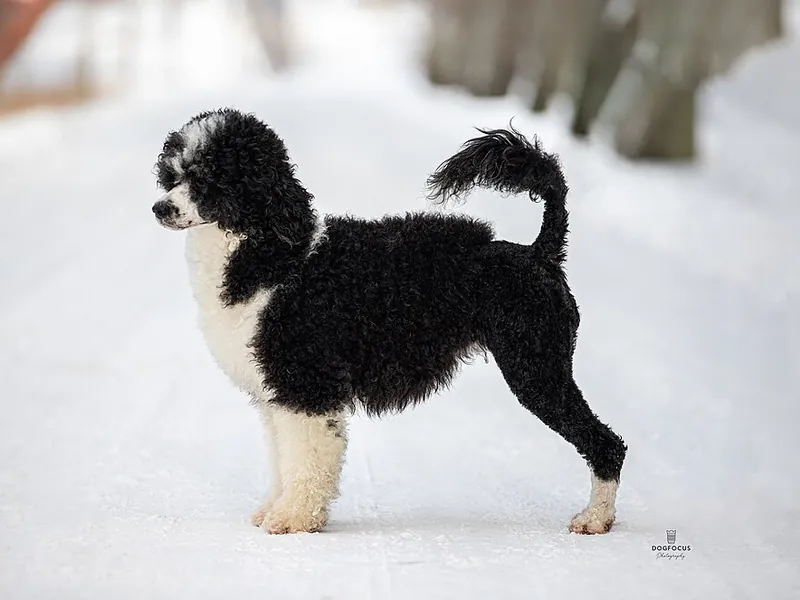
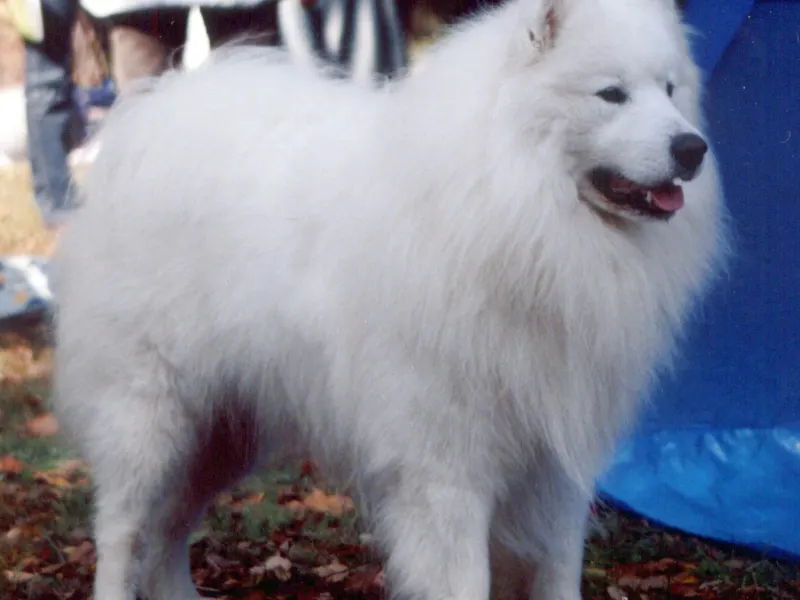
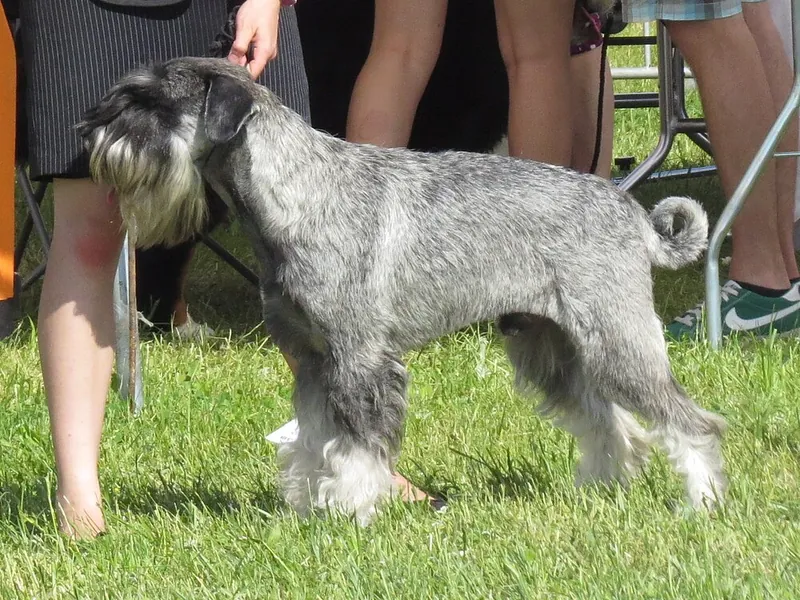
How This Category Is Defined
The AKC Working Group includes breeds bred to guard, pull and rescue, such as the Boxer, Rottweiler, Great Dane, Bernese Mountain Dog, Saint Bernard, Siberian Husky and Alaskan Malamute. International registries split these dogs differently, grouping pinschers, schnauzers, molossers and Swiss mountain dogs together and placing spitz and primitive breeds in their own group.
This list follows the broader international view, which is why it also includes spitz-type dogs like the Pomeranian, Shiba Inu and Keeshond, and pinschers such as the Miniature Pinscher and Affenpinscher.
The Main Types of Working Dogs
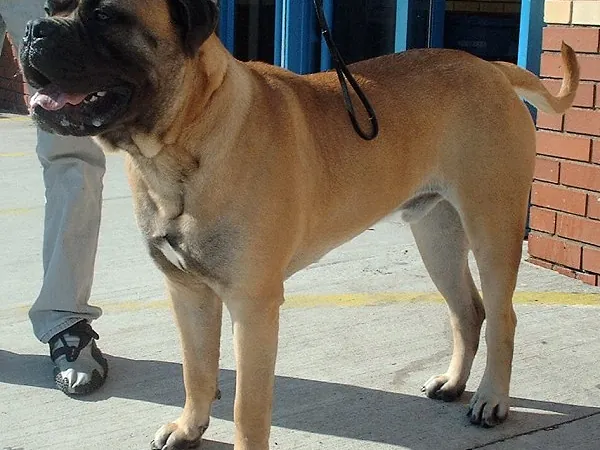
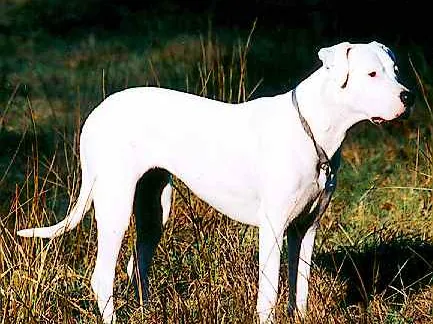
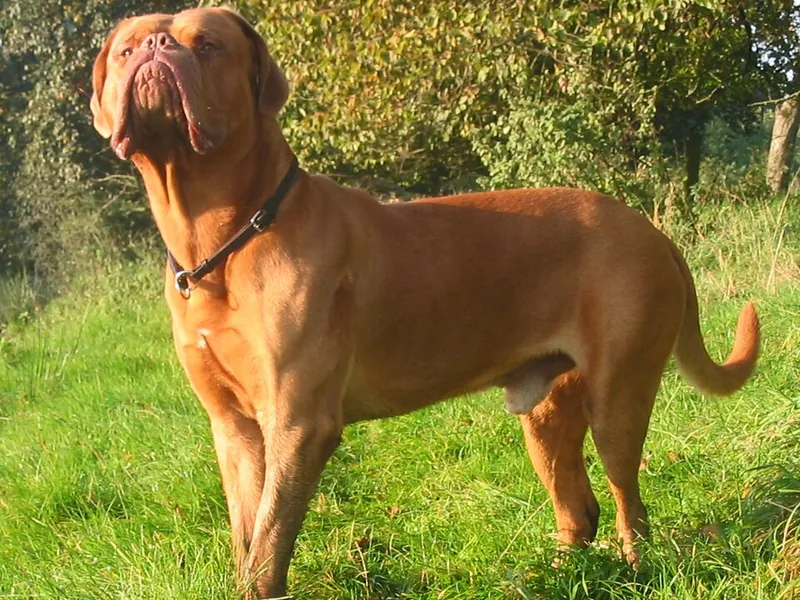
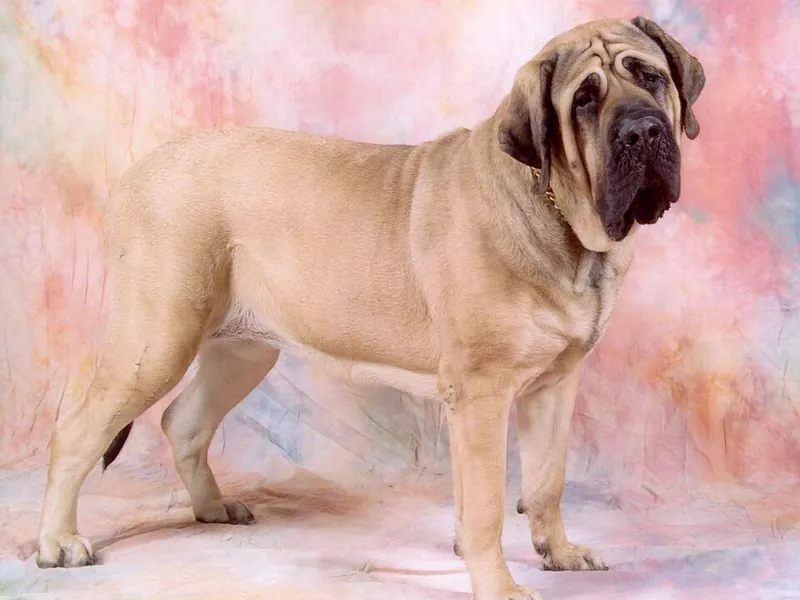
- Guardians and mastiffs: Cane Corso, Rottweiler, Mastiff, Bullmastiff, Dogue de Bordeaux and Neapolitan Mastiff protect home and family.
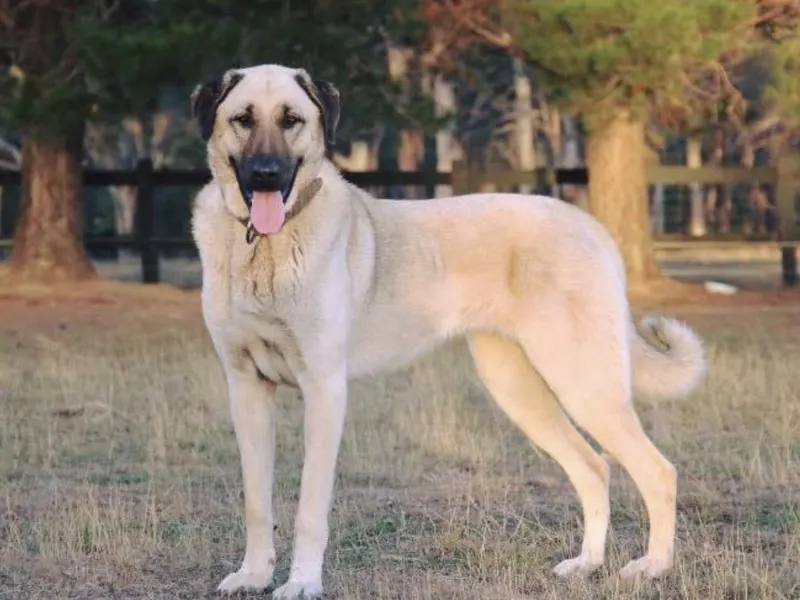
- Livestock guardians: Great Pyrenees, Kangal Shepherd Dog, Caucasian Shepherd Dog and Tibetan Mastiff live with flocks and deter predators.
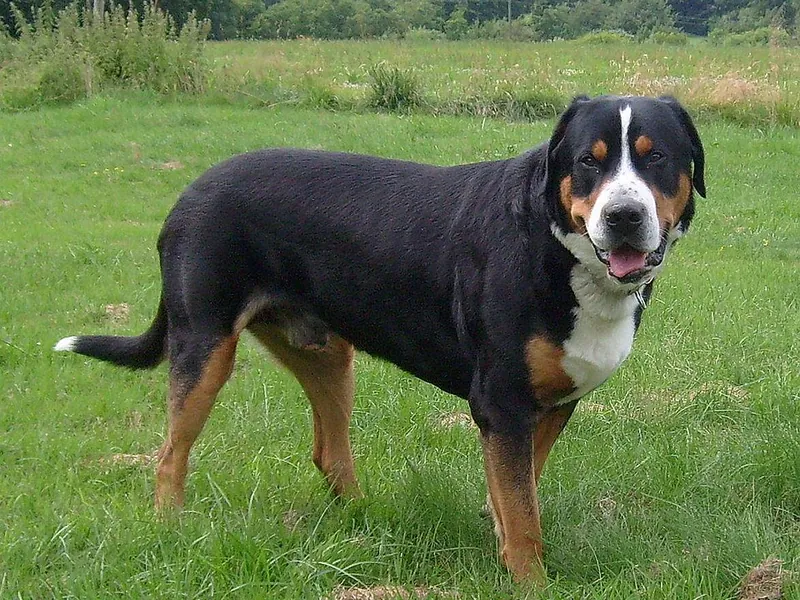
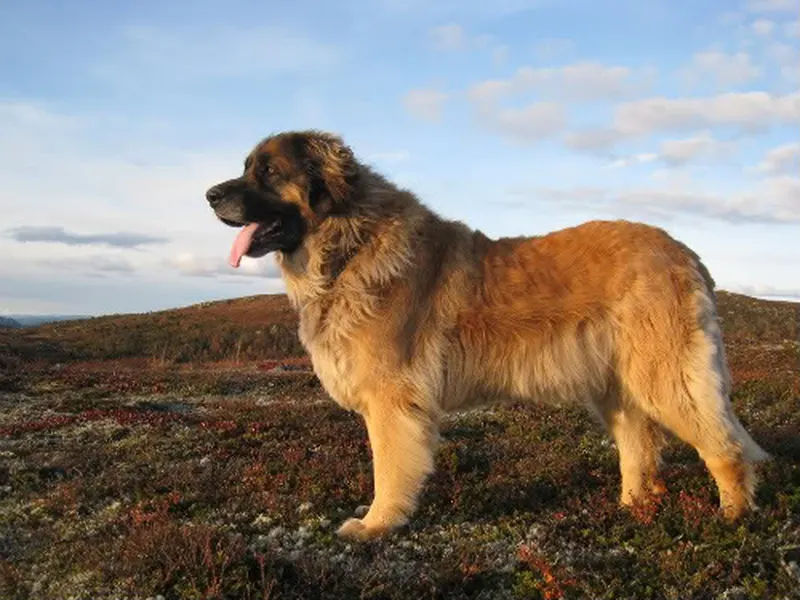
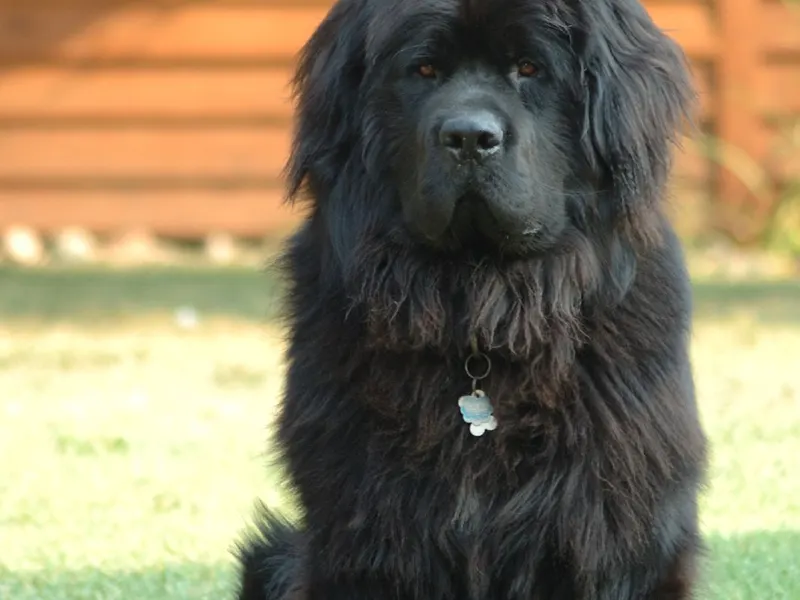
- Mountain and draft dogs: Bernese Mountain Dog, Greater Swiss Mountain Dog, Leonberger and Newfoundland pulled carts or worked in rescue.
- Sled dogs: Siberian Husky, Alaskan Malamute and Samoyed were bred to pull loads across snow.
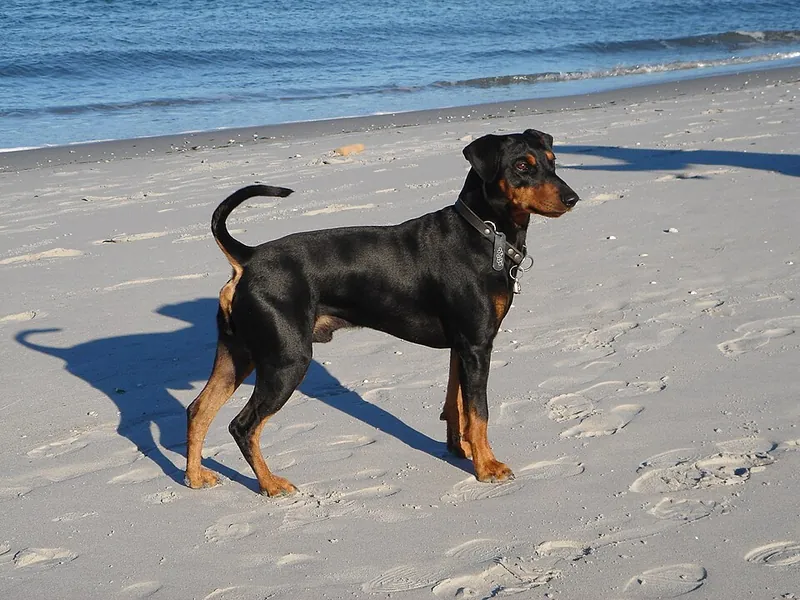
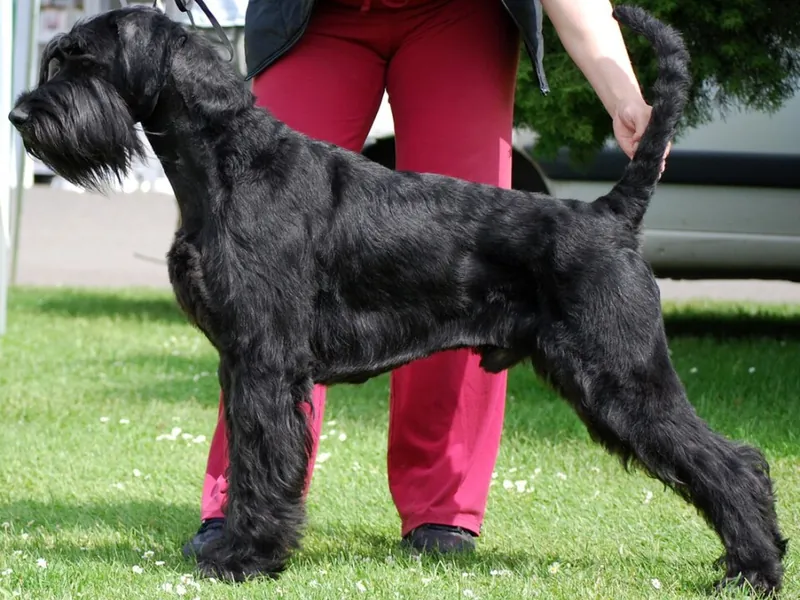
- Pinschers and schnauzers: Standard and Giant Schnauzer, Doberman and German Pinscher served as farm dogs and ratters.
Who Should Own a Working Breed?
Working breeds are often intelligent, loyal and devoted, but many are large, strong and independent. Guardians like the Kangal or Central Asian Shepherd Dog make their own decisions about threats and need experienced, consistent owners. Sled dogs need hours of exercise and secure fencing. Mountain dogs like the Bernese are more relaxed, yet still need space and daily walks.
Early socialization and reward-based training are essential, especially with protective breeds, so the dog learns what is normal and what is a real threat.
Health and Lifespan
Size has a big effect on health. Giant working breeds such as the Great Dane, Saint Bernard, Leonberger and Mastiff often have shorter lifespans and are prone to joint problems and bloat. Ask breeders for hip and elbow evaluations and heart screening where relevant. Control puppy growth with appropriate feeding and avoid excessive jumping or stairs while the joints develop.
Mental Work Matters as Much as Exercise
Working breeds were selected to solve problems and stay alert for long hours, so physical exercise alone is often not enough. Useful outlets include obedience and trick training, scent work, carting or drafting for mountain dogs, canicross or bikejoring for sled dogs, and structured protection or tracking sports for experienced handlers. Even calm guardians like the Mastiff or Great Pyrenees benefit from short daily training sessions and new places to explore. Puzzle feeders and chew items help on rainy days. A working dog with a clear job and a predictable routine is usually calmer and more relaxed at home.
Frequently Asked Questions
What are working dog breeds?
Working breeds were developed for practical jobs like guarding, pulling sleds or carts, protecting livestock and rescue. Classic examples are the Rottweiler, Boxer, Bernese Mountain Dog and Siberian Husky.
What are mountain dog breeds?
The best-known mountain dogs are the Swiss breeds such as the Bernese Mountain Dog and Greater Swiss Mountain Dog, plus large alpine and mountain guardians like the Saint Bernard, Great Pyrenees and Leonberger.
Are working dogs good family pets?
Many are, especially the Boxer, Bernese Mountain Dog and Newfoundland, provided they get enough exercise, training and space.
Why is the Pomeranian on a working dog list?
International registries group spitz-type breeds together, and the Pomeranian descends from larger working spitz dogs used for herding and guarding.
Do working breeds need a job?
Most benefit from regular tasks, such as structured training, pulling sports, tracking or simply daily walks with purpose, to stay balanced.
Not sure which breed fits you?
Answer 8 quick questions and get breeds ranked for your home, schedule and experience.