Dogo ArgentinoArgentina's athletic white hunting mastiff
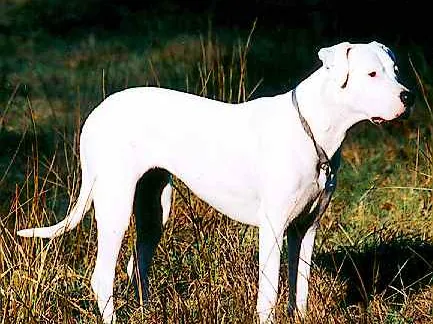
The Dogo Argentino is a powerful, all-white hunting dog from Argentina, bred to track and hold wild boar and puma. Affectionate with its family but strong-willed and high in prey drive, it is strictly a breed for experienced owners who can provide training, structure and plenty of exercise.
Why people love the Dogo Argentino
- Deeply affectionate and physical with its own family
- Short white coat is easy to brush
- Athletic partner for long hikes and structured sports
- Confident, watchful guardian of home and family
- Intelligent and quick to learn with skilled handling
Things to consider
- Restricted or banned in some countries and cities
- Very strong prey drive; small pets usually unsafe
- Often intolerant of other dogs, especially same-sex
- Congenital deafness linked to the white coat
- Needs experienced, consistent handling and a secure property
Is this breed right for you?
10 questions · live resultHistory and Origin
The breed was developed in Córdoba, Argentina, starting in the 1920s by Antonio Nores Martínez, a doctor, and later continued by his brother Agustín. Their goal was a dog able to hunt big game such as wild boar and puma in packs, while remaining a reliable companion at home. They crossed the now extinct Cordoba fighting dog with several breeds, reportedly including Great Danes, Boxers, Bull Terriers, Pointers and Irish Wolfhounds.
The founders wrote a detailed standard early on, describing the ideal dog as courageous in the hunt yet stable and friendly with people, and expected to work silently so as not to warn the quarry. The FCI recognized the Dogo Argentino in 1973, and the AKC in 2020. It is the only Argentine breed recognized by the FCI.
Size, Color and Coat
The Dogo Argentino is a large, athletic mastiff-type dog standing 24 to 27 inches at the shoulder and weighing 88 to 99 lb. Males are taller and more massive, with broader heads and thicker necks; females are slightly smaller and more refined. The body is a little longer than tall, built for running and holding rather than sheer bulk.
The coat is short, smooth and entirely white. The FCI standard allows a single dark patch around one eye or ear, as long as it covers only a small part of the head; patches on the body are a fault. The nose should be black, and the eyes dark or hazel with dark rims. Pigmented skin under the white coat is common.
Coat density varies with climate: dogs living in cold regions may grow a light undercoat, while those in warm climates have a very thin coat.
Ears are traditionally cropped in Argentina and the US. In many European countries cropping is illegal, so Dogos there keep their natural drop ears.
Temperament and Personality
Dogos are affectionate, loyal and often cuddly with their families. They are confident and protective, and alert to anything unusual. With strangers they may be reserved.
Their prey drive is very strong, and many are intolerant of other dogs, particularly of the same sex. Small pets are generally unsafe. Strength and determination make them unsuitable for novice owners.
Many Dogos are very people-oriented and want physical contact, often leaning on or lying next to their owners. They usually do not cope well with long hours alone and may become destructive if bored or isolated.
Is the Dogo Argentino Good for First-Time Owners?
No, the Dogo Argentino is generally not recommended for first-time owners.
The breed combines a 90 lb frame, strong prey drive and a tendency to be selective with other dogs. Handling those traits safely takes experience in reading dog body language, managing introductions and training impulse control. A beginner can also be caught out by practical issues such as breed restrictions in rental contracts or insurance policies. People new to dogs who love the look of the Dogo are often better served by gaining experience with a less demanding breed first, or working closely with an experienced trainer from day one.
Are Dogo Argentinos Aggressive?
Dogos are not typically aggressive toward their own families, and the breed standard calls for a stable, friendly dog with people.
The traits that cause concern are a strong prey drive, protectiveness and frequent intolerance of other dogs, especially of the same sex. These come from the breed's hunting purpose rather than a tendency to target people. Poor breeding, lack of socialization or isolation can make any powerful dog harder to manage. Responsible ownership means early socialization, reward-based training, secure fencing, a leash in public and careful management around other animals.
Are Dogo Argentinos Good with Cats?
Usually not. Most Dogos have a prey drive that makes living with cats risky, and many owners keep them in cat-free homes.
A Dogo raised from puppyhood with a confident resident cat sometimes accepts that individual cat, but this is not reliable, and the same dog may still chase unfamiliar cats outdoors. Even play can injure a cat because of the Dogo's size and strength. If you already have cats, consider whether another breed would be a safer choice. Any household that tries it should use secure separation when unsupervised and introduce the animals only under careful control.
Exercise and Training
This is an athletic dog that needs at least one to two hours of daily exercise: long walks, running, flirt pole, scent work and structured games. Activities like weight pulling, bikejoring and tracking give a structured outlet for strength and drive. Without it, many become destructive or frustrated.
Training must begin early with calm, consistent, reward-based methods. Dogos are intelligent and learn quickly, but they are strong-willed and need clear, fair boundaries. Socialize the puppy extensively with people, dogs and environments. Focus on leash manners, impulse control and recall, keep the dog leashed in public areas and avoid unstructured dog park play.
Grooming and Shedding
The short, white coat sheds moderately to heavily, and the white hair shows on clothing and furniture. Brush weekly with a rubber mitt. The white coat and pink skin can sunburn, so provide shade in strong sun. Check the skin regularly for signs of allergies.
Feeding and Nutrition
Dogo puppies grow from a few pounds to around 90 lb in about a year, so feed a diet formulated for large-breed growth and keep the puppy slim. Too many calories during growth speeds weight gain beyond what developing joints can handle, which matters in a breed prone to hip dysplasia. Avoid adding calcium supplements to a complete puppy food.
Like other deep-chested large dogs, Dogos can develop bloat. Feed two meals a day rather than one, rest the dog for about an hour around meals and know the emergency signs: a swollen belly, retching without vomiting and restlessness.
Skin allergies are fairly common, and the white coat shows redness easily. Some cases involve a food sensitivity, but environmental allergies are more frequent. If your vet suspects food, an elimination trial is the way to find out.
Adults should look muscular with a visible waist. Use part of the daily ration as rewards for training, since impulse control work involves many repetitions.
| Adult weight | Less active | Typical adult | Very active |
|---|---|---|---|
| 88 lb | 1,560 kcal | 1,780 kcal | 2,220 kcal |
| 99 lb | 1,700 kcal | 1,940 kcal | 2,430 kcal |
Estimates use the resting energy formula veterinarians work with (70 × body weight in kg0.75) and standard activity factors. Use the feeding guide on your food as a starting point and adjust to body condition. Puppies, seniors, pregnant animals and pets that need to lose weight have different needs, so ask your vet.
Health and Lifespan
Dogos typically live 9 to 15 years. The main breed issue is congenital deafness, linked to the white coat. BAER hearing tests can identify deaf puppies, and deafness is a disqualifying fault under the FCI standard. As a large breed, Dogos are also prone to hip dysplasia, and some develop skin allergies or hypothyroidism.
Choose a breeder who BAER tests and screens hips. Deaf Dogos can still live good lives with owners who learn hand signals and use secure management.
Dogo Argentino Price and Cost of Ownership
Typical breeder price in the US$1,500 to $4,000
A Dogo Argentino puppy from a reputable US breeder typically costs about $1,500 to $4,000. Prices vary by breeder, region and lines, with imported or champion lines at the top end. Dogos also enter rescues, sometimes from owners unprepared for the breed, so breed-specific rescue groups are worth contacting.
Cost drivers specific to the Dogo:
- BAER hearing tests and hip screening when choosing a puppy
- Professional training or classes, which experienced owners still find valuable
- Secure fencing and possibly a kennel run
- Large quantities of food for a 90 lb working dog
- Insurance: some homeowners and renters policies restrict the breed, and local regulations may require permits or liability coverage
Check housing and insurance rules before you commit.
Is the Dogo Argentino Right for You?
Dogos suit experienced owners who have time for training and exercise, a secure property and no small pets. The breed is restricted or banned in several countries. In the UK it is one of the types prohibited under national law, and some other countries, states and cities regulate it. Check local laws, insurance and housing rules before considering the breed.
Dogo Argentino Traits at a Glance
Dogo Argentino FAQ
How big do Dogo Argentinos get?
They stand about 24 to 27 inches tall and weigh roughly 88 to 99 lb.
Are Dogo Argentinos good family dogs?
They are affectionate with their families but powerful and strong-willed, so they suit experienced owners.
Is the Dogo Argentino legal?
It depends on location. It is prohibited in the UK and restricted in some other countries and cities, so check local laws.
Are Dogo Argentinos good with other dogs?
Many are not, especially with dogs of the same sex. Early socialization helps, but most need careful management throughout life.
Do Dogo Argentinos shed?
Yes, moderately, and the white hair is noticeable on clothing and furniture.
How long do Dogo Argentinos live?
Typically 9 to 15 years.