Guard Dog BreedsWatchful, loyal protectors and how to raise them
Breeds on this list were developed to watch over people, property or livestock, and tend to be alert, territorial and devoted to their families. This guide helps you understand the different kinds of protective dogs and whether you have the time and experience to raise one well.
Top 10 Guard Dog Breeds
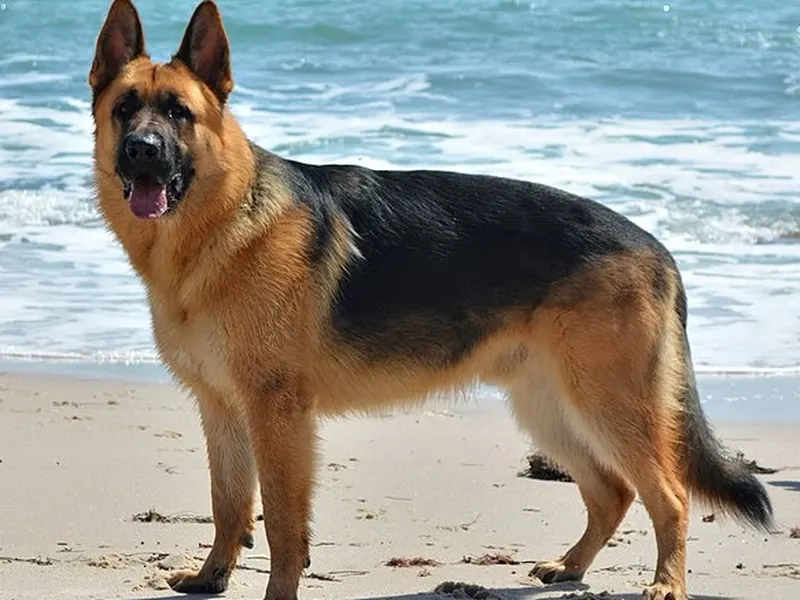
Intelligent and highly trainable, the German Shepherd is a classic police and protection dog that bonds strongly with its family.
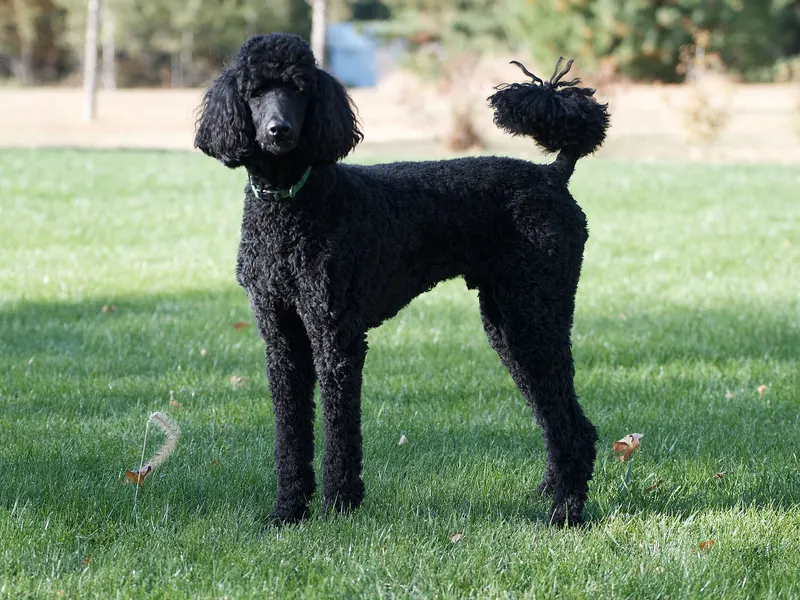
The Standard Poodle is alert and quick to announce visitors, making it a capable watchdog in a smart, low-shedding package.
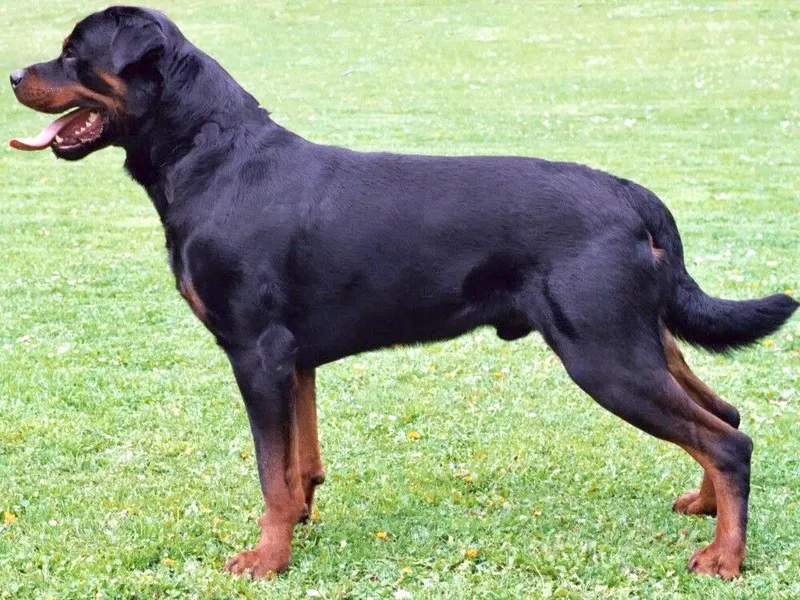
Confident and calm, the Rottweiler has a natural guarding instinct and is steady and affectionate when properly raised.
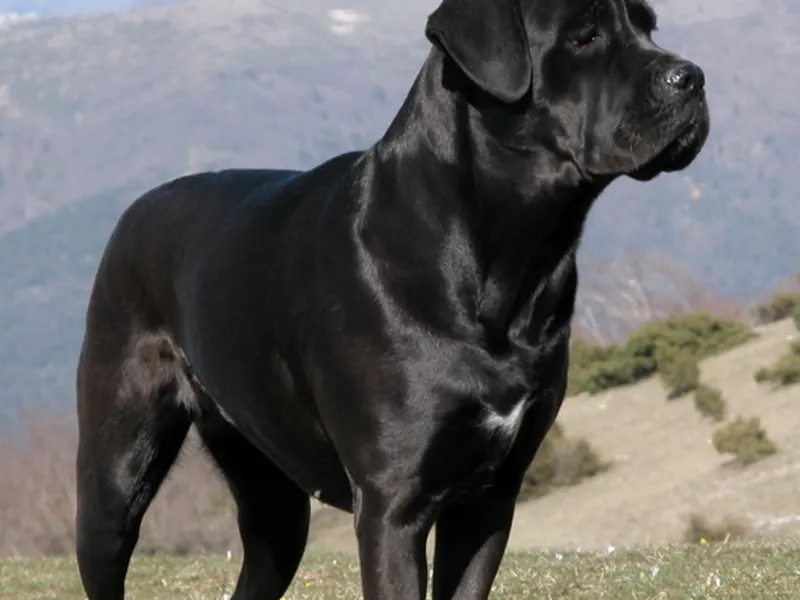
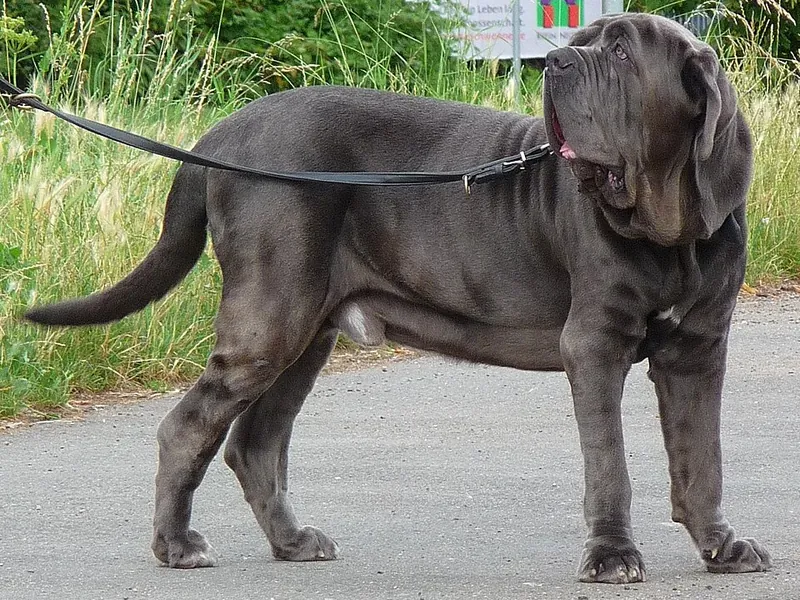
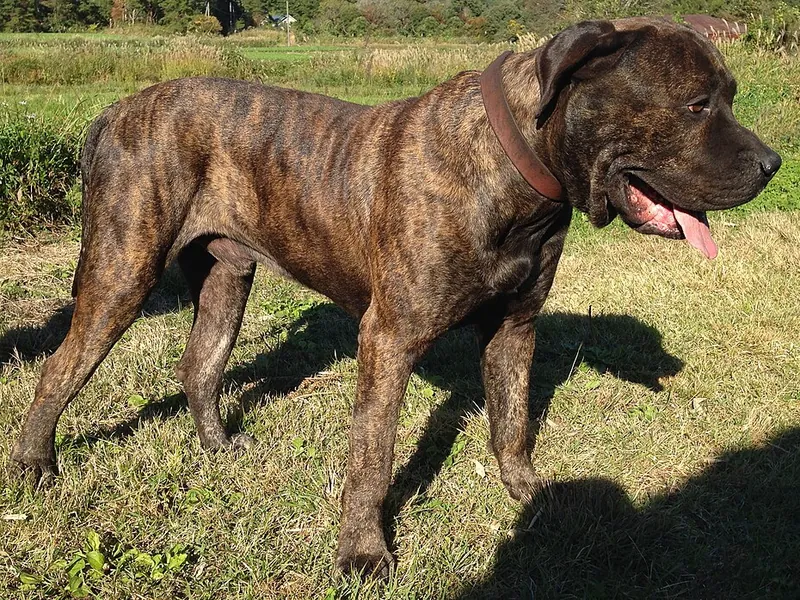
Bred in Italy to guard property and hunt large game, the Cane Corso is intensely loyal and needs firm, early socialization.
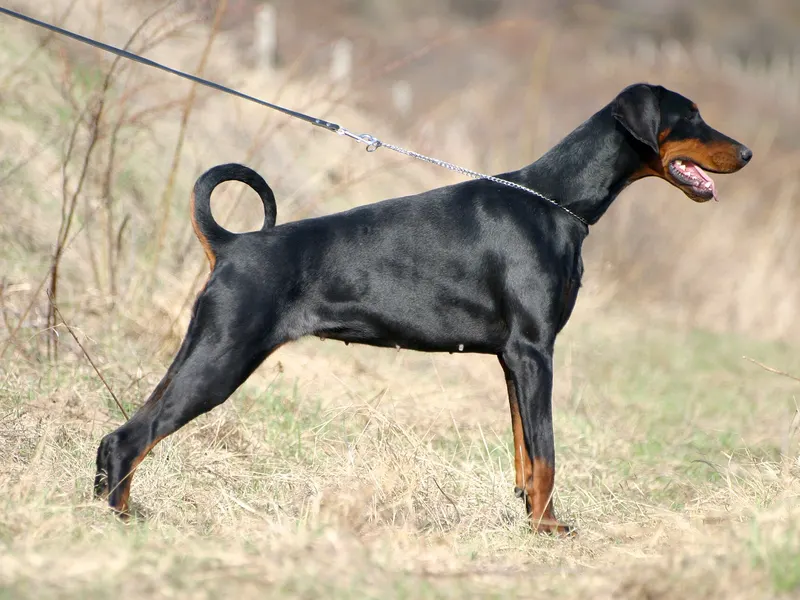
The Doberman was created in 1890s Germany as a personal protection dog, and it remains alert, athletic and devoted to its people.
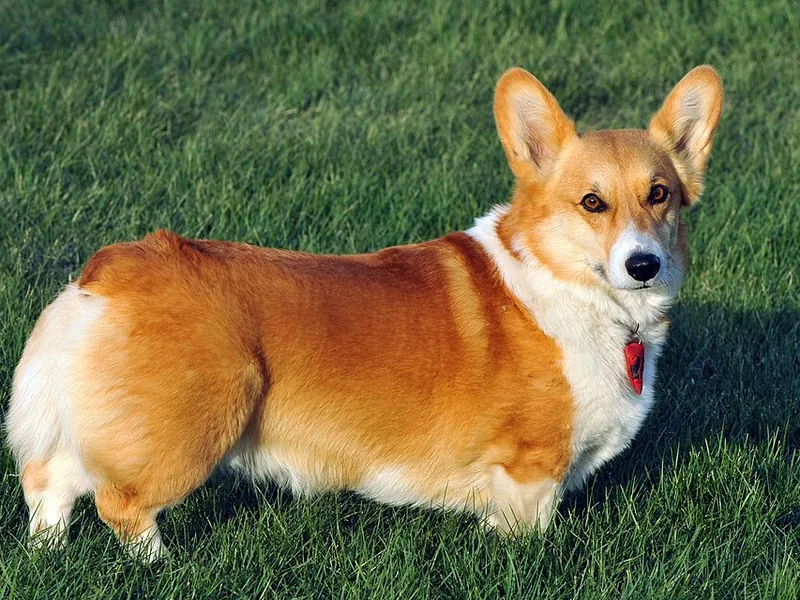
The Pembroke Welsh Corgi is a sturdy, foxy-faced herding dog from Wales with a big personality packed into a low-slung body.
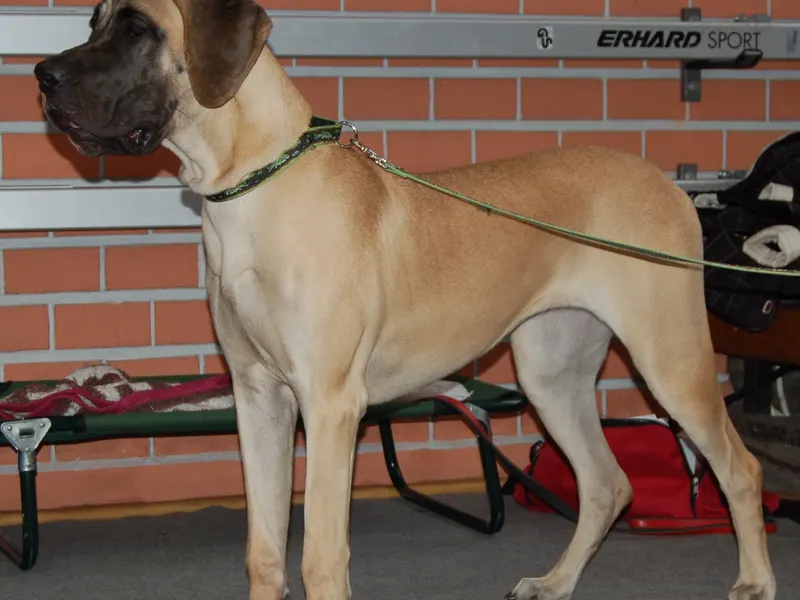
The Great Dane's size and deep bark deter intruders, while its temperament at home is usually gentle and friendly.
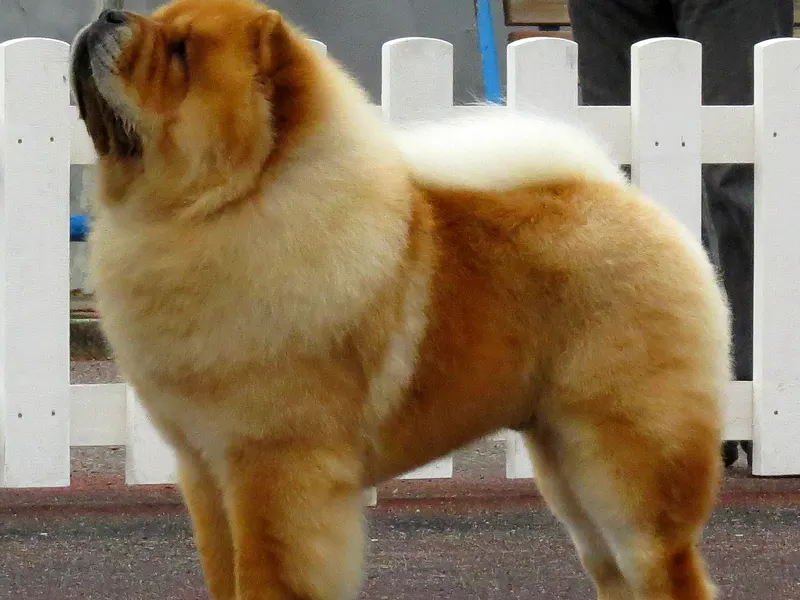
Aloof with strangers and loyal to its own people, the Chow Chow is a natural watchdog with an independent streak.
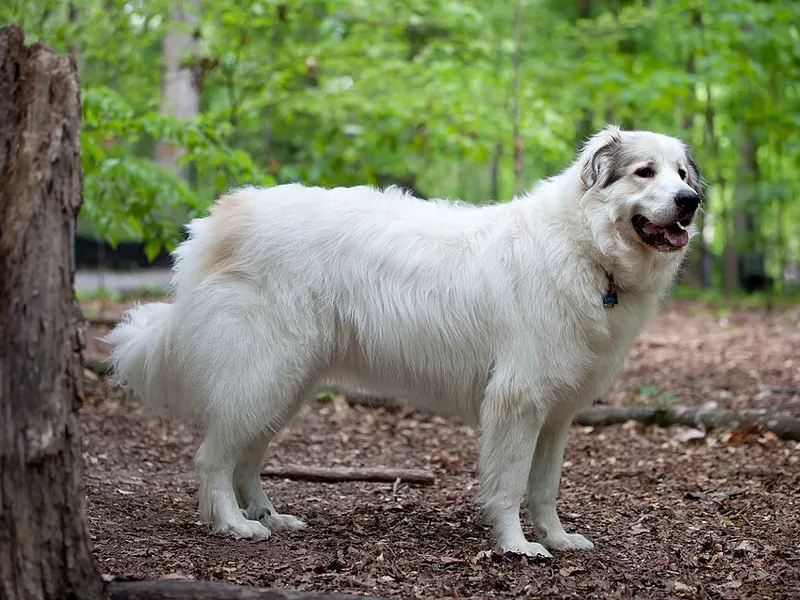
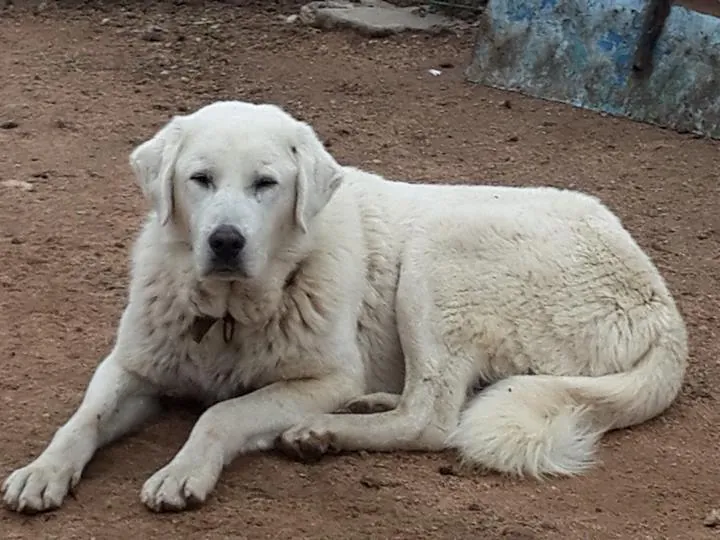
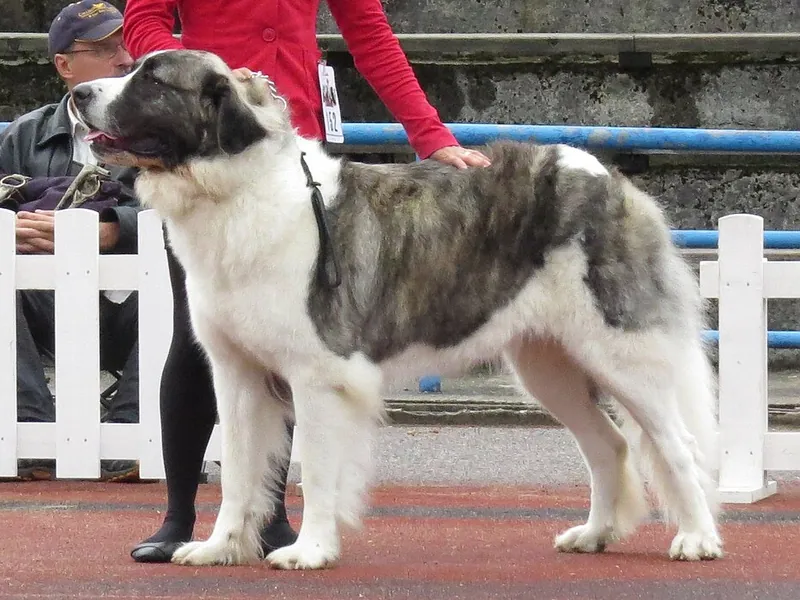
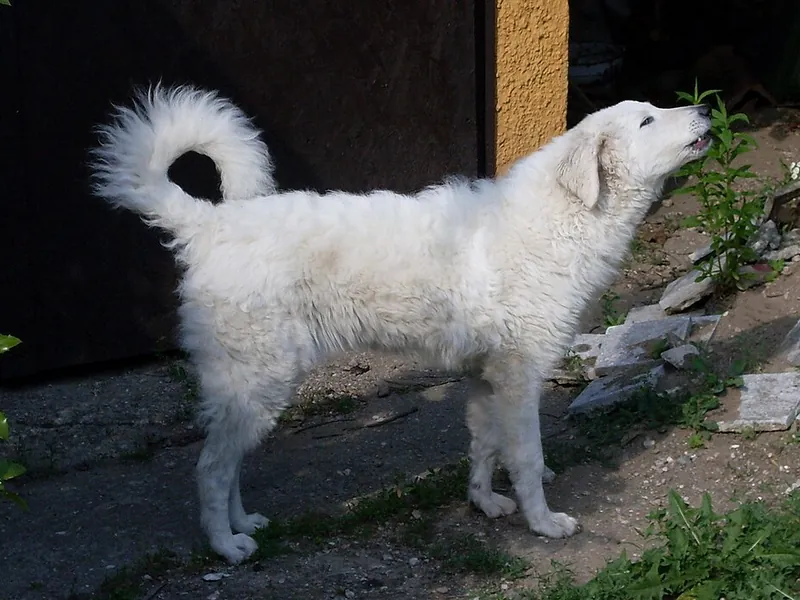
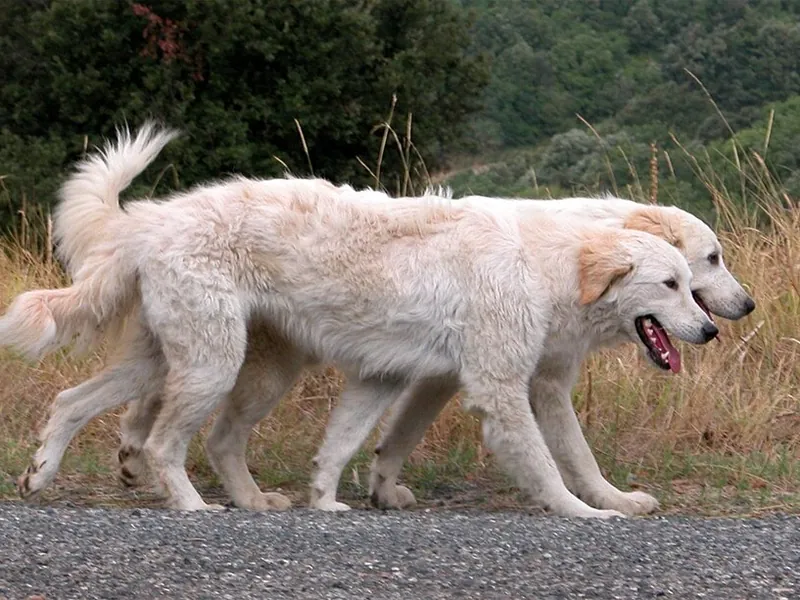
A livestock guardian at heart, the Great Pyrenees patrols its territory, barks at night and is calm with its own family.
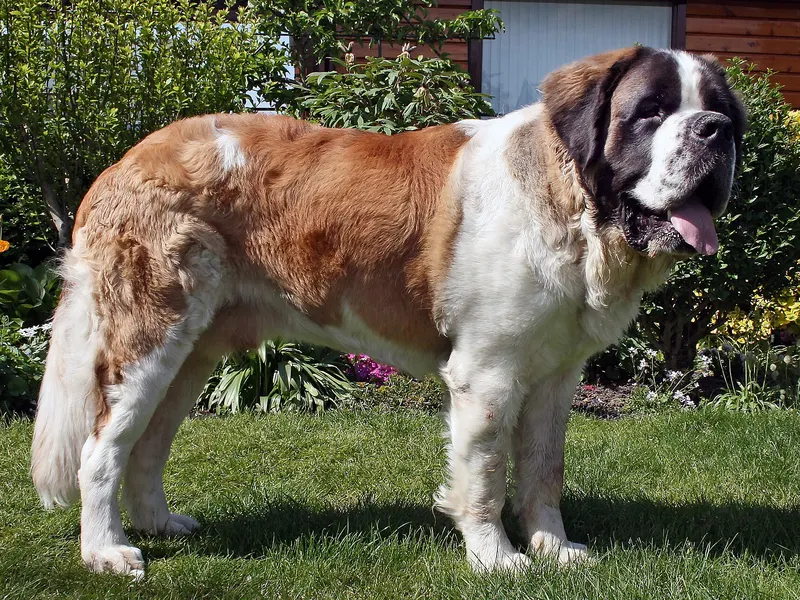
The Saint Bernard is more gentle than guarding, but its sheer size and alert bark make it an imposing presence.
All Guard Dog Breeds A to Z
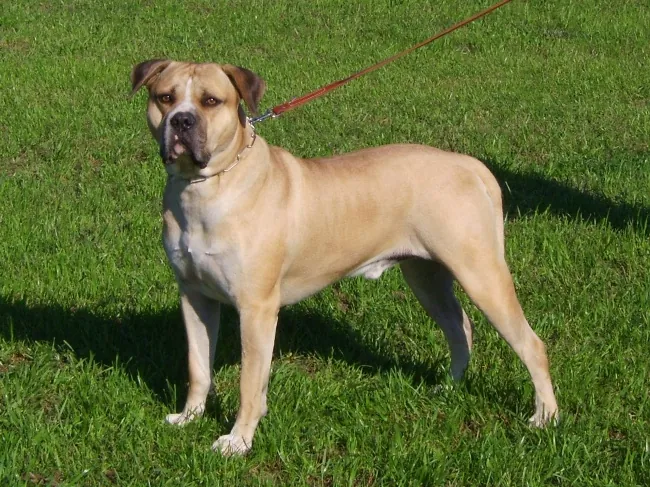
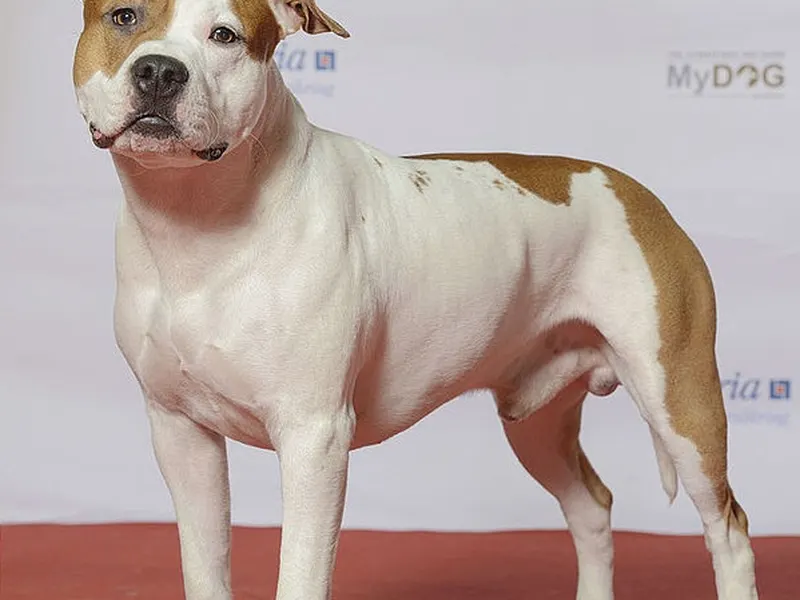
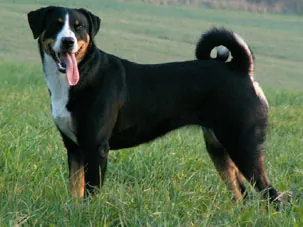
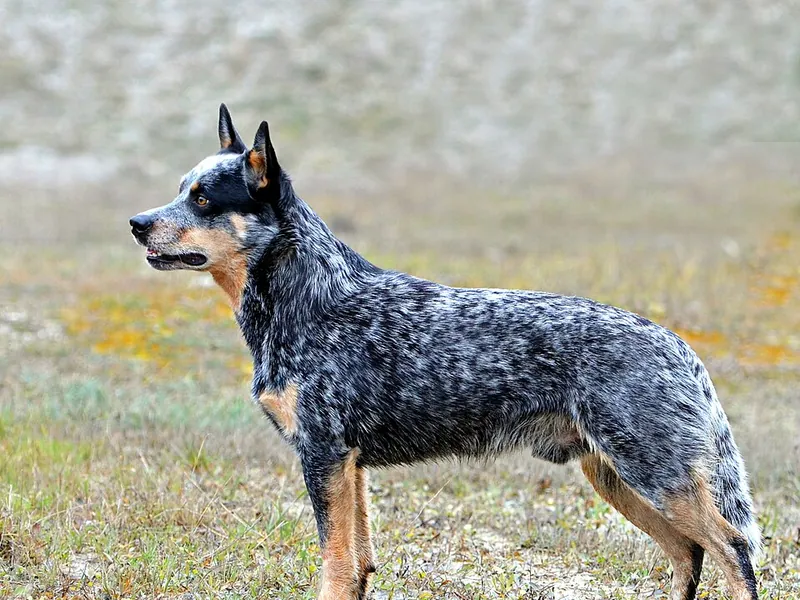
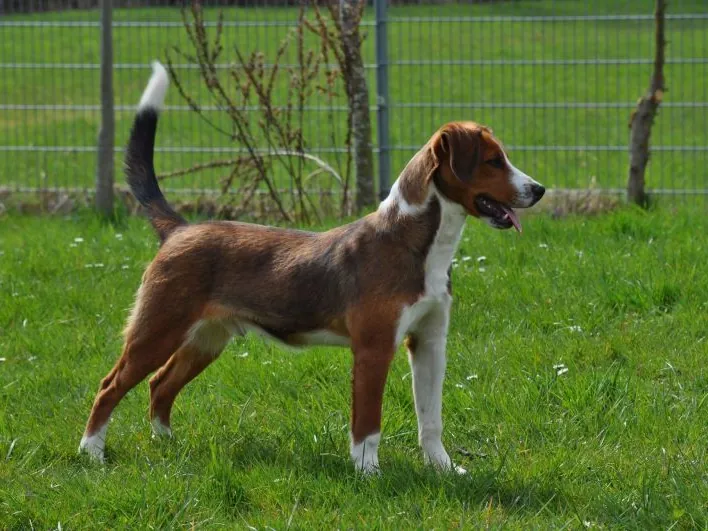
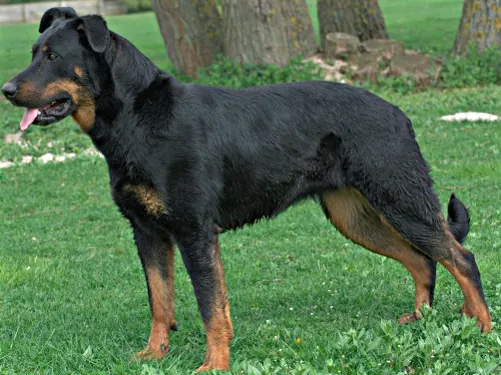
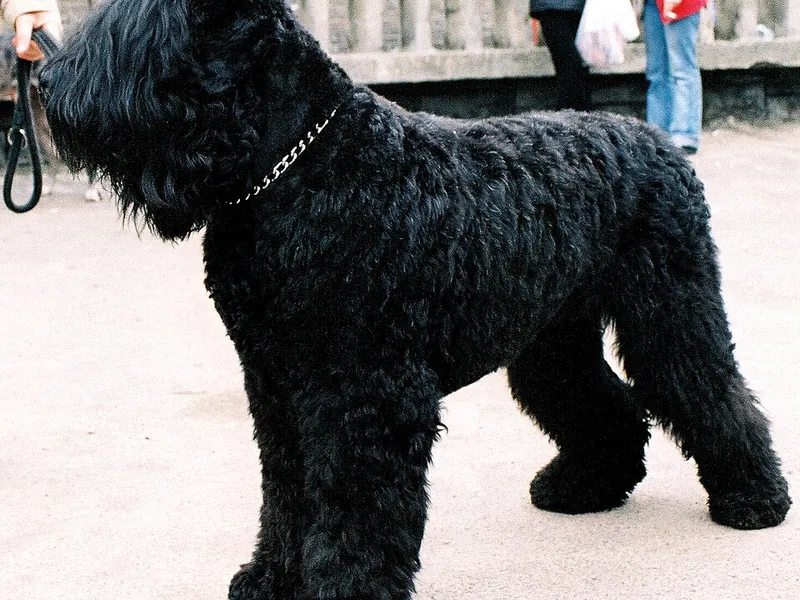
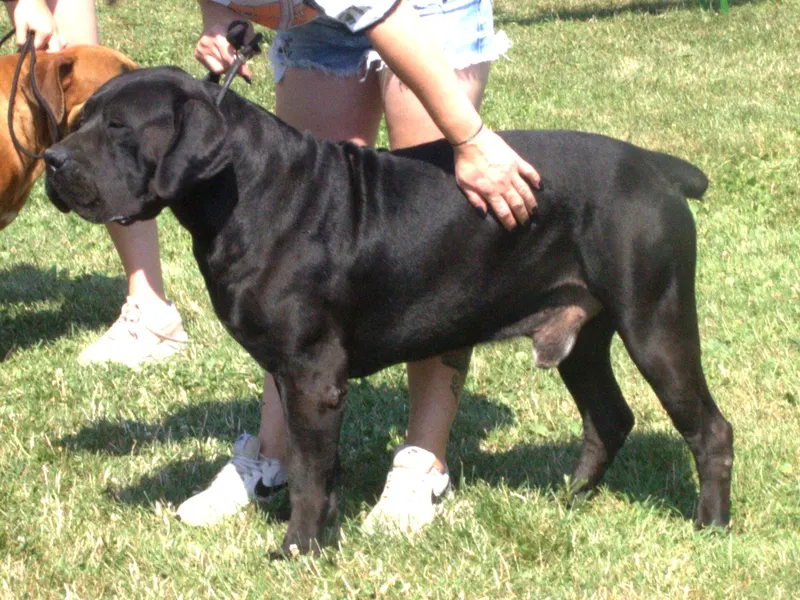
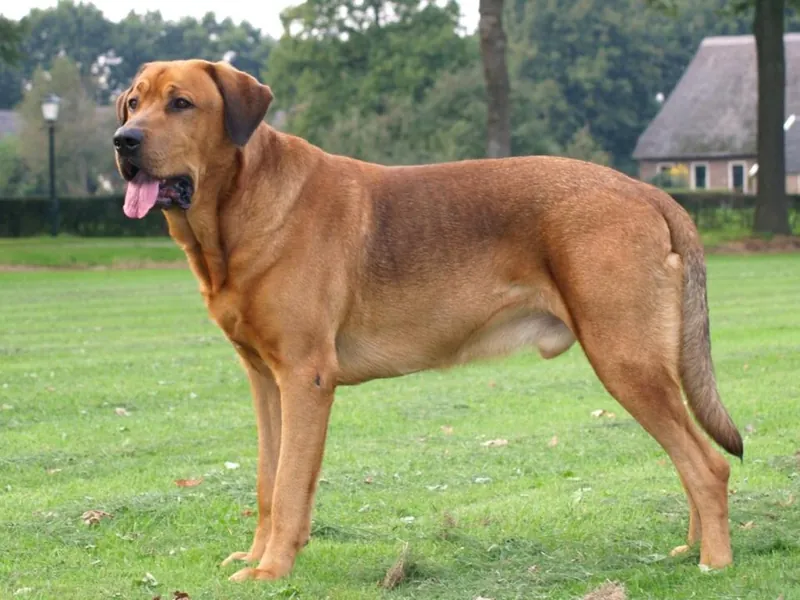
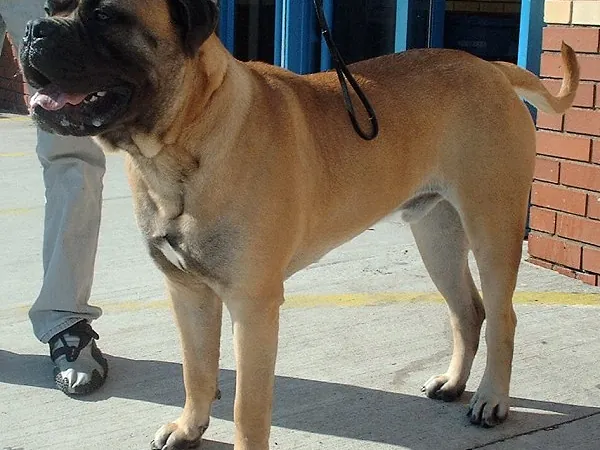
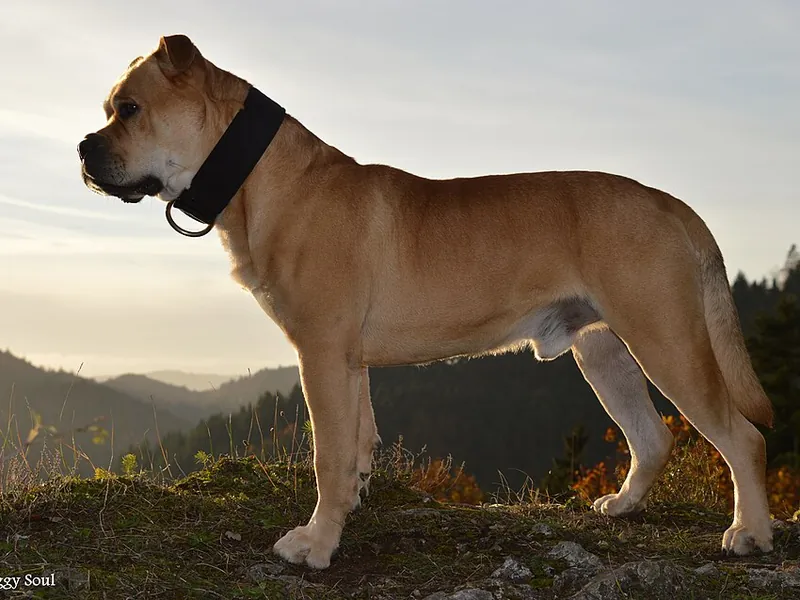
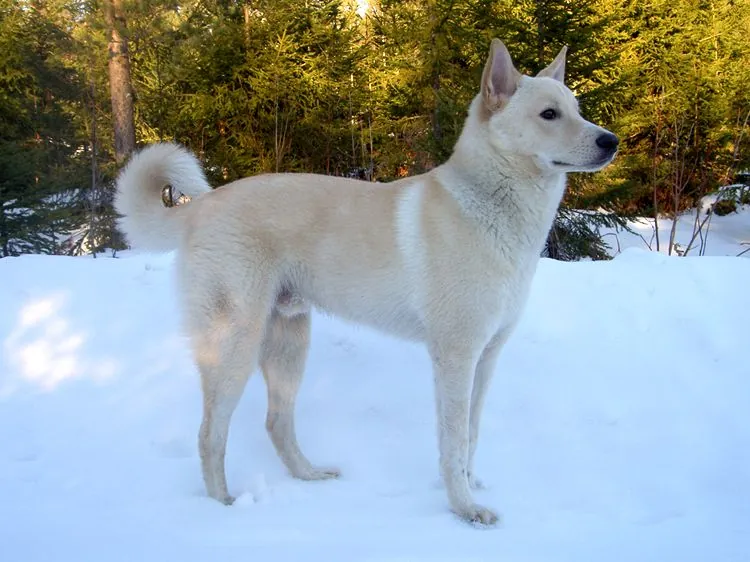
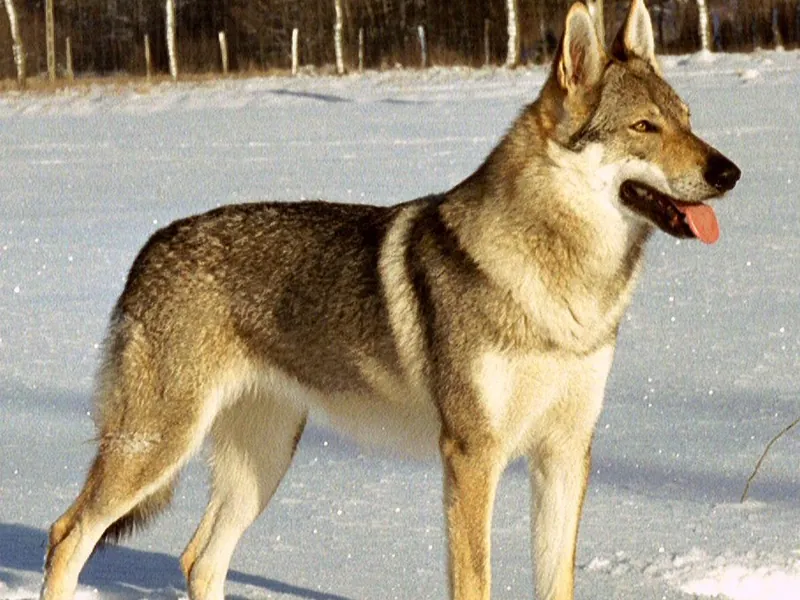
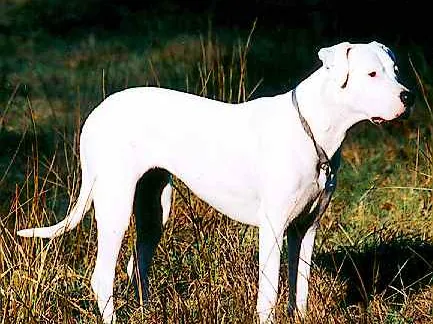
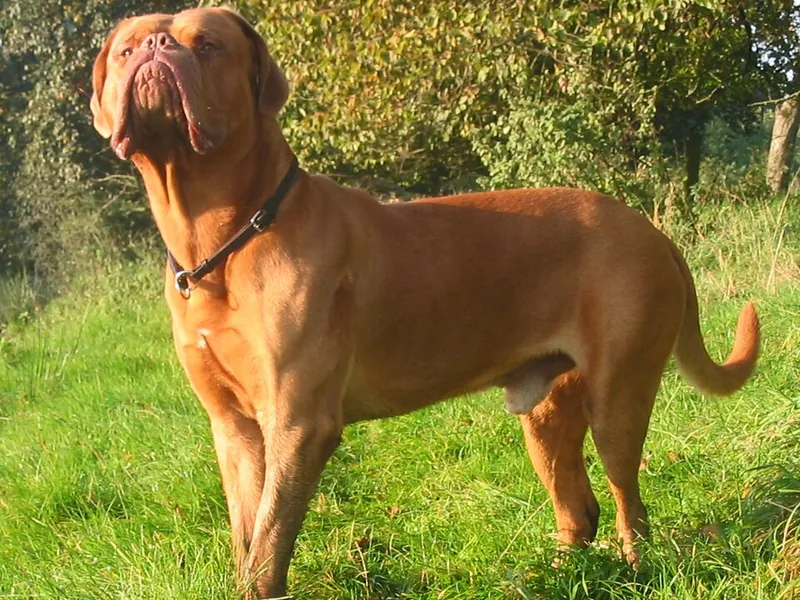
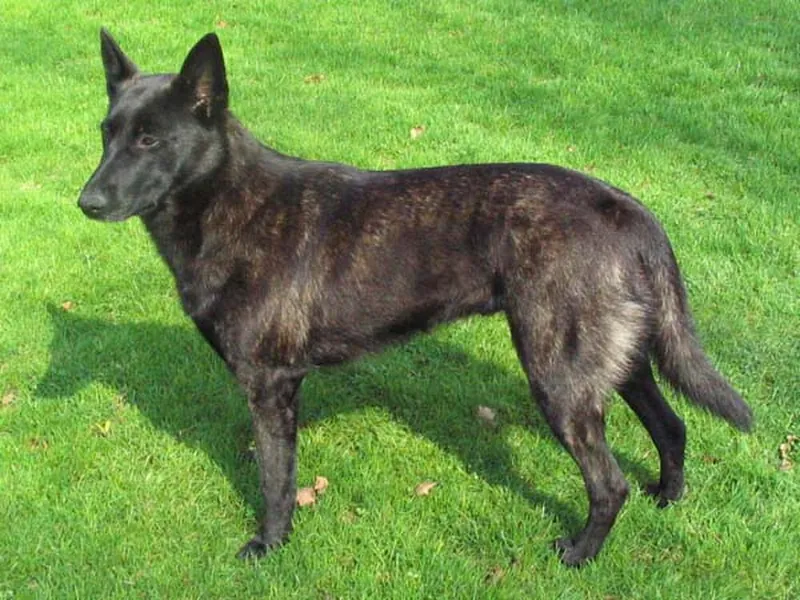
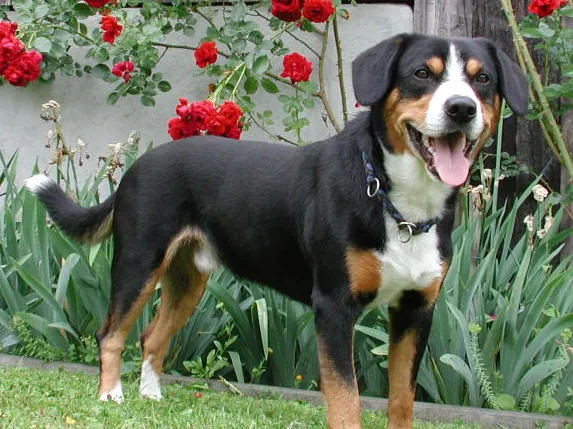
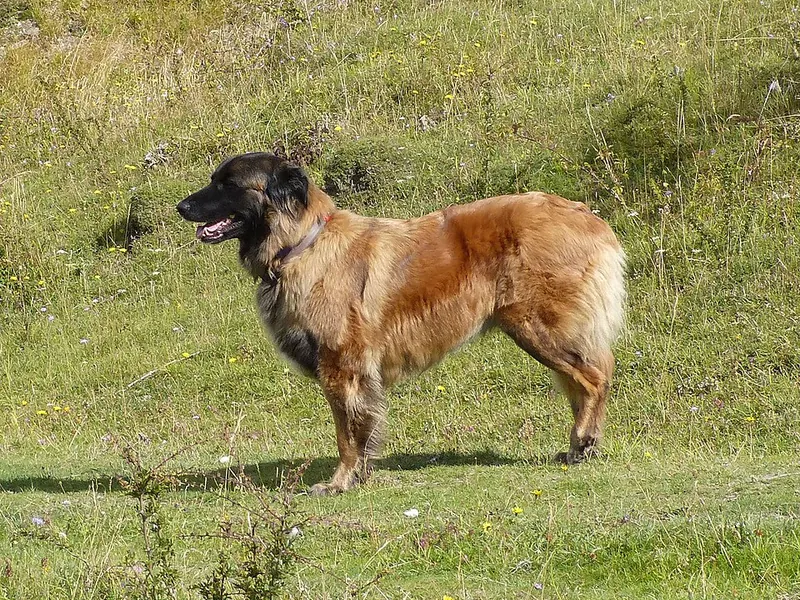
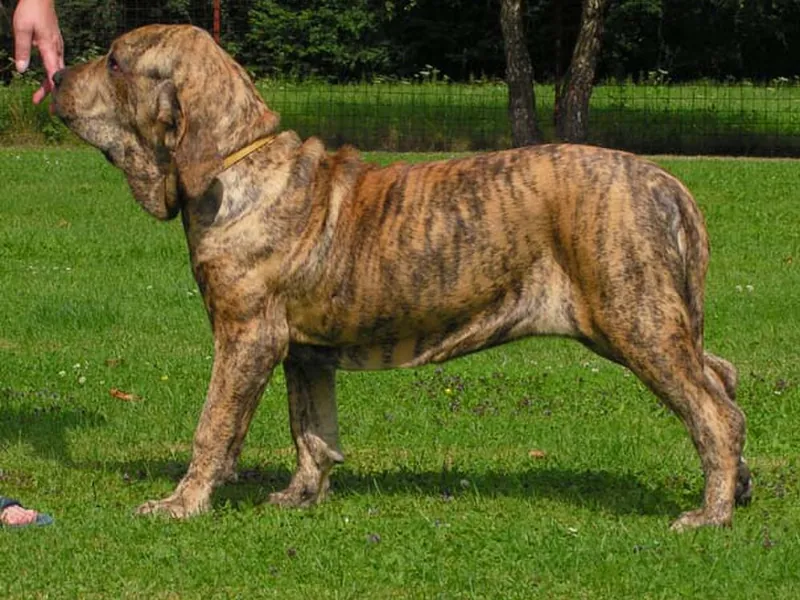
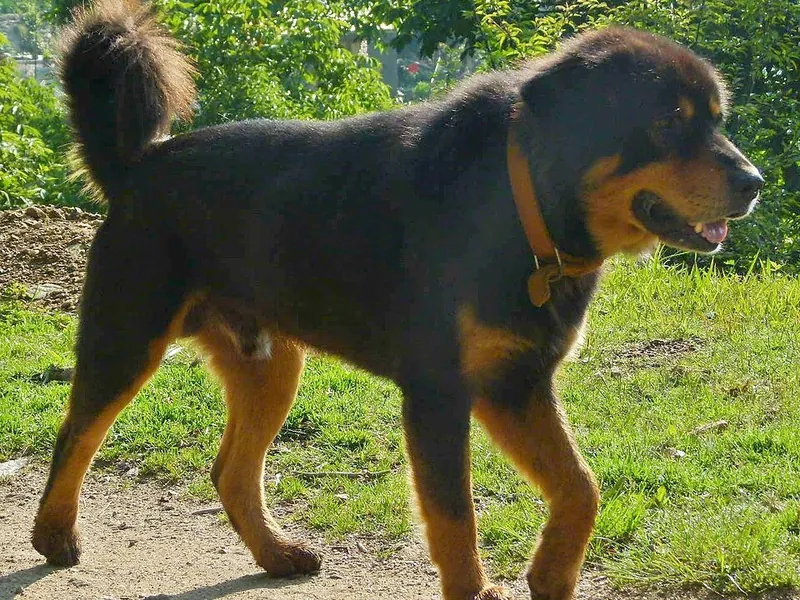
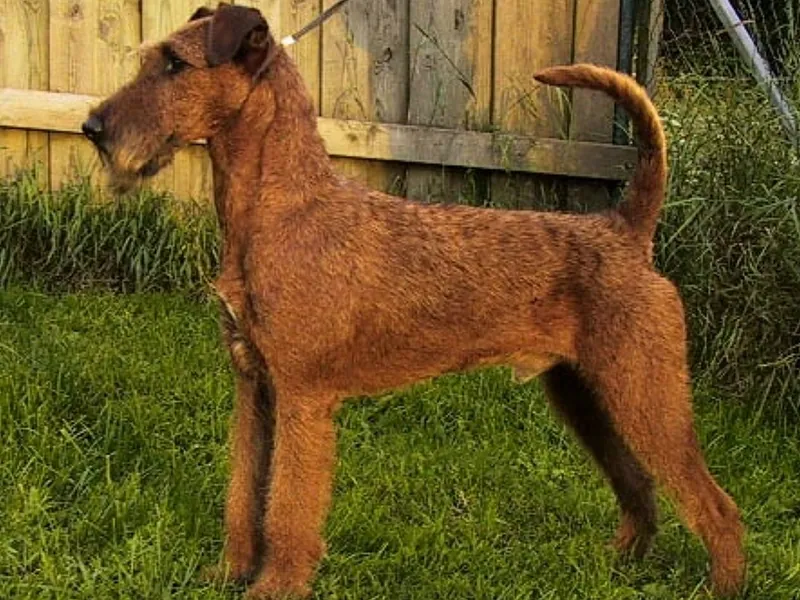
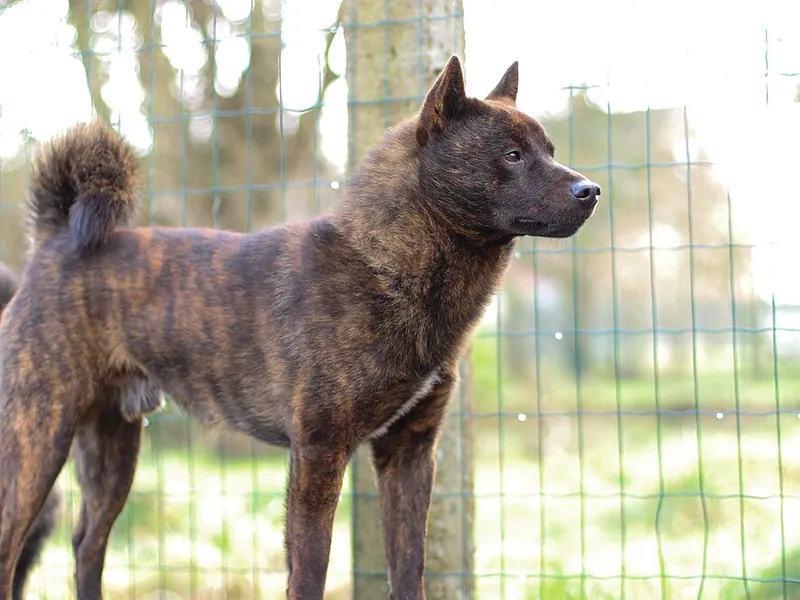
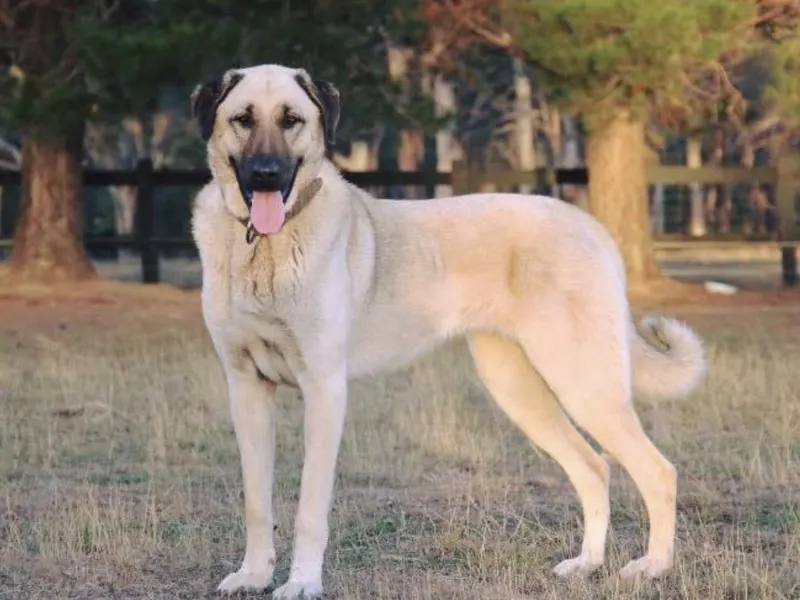
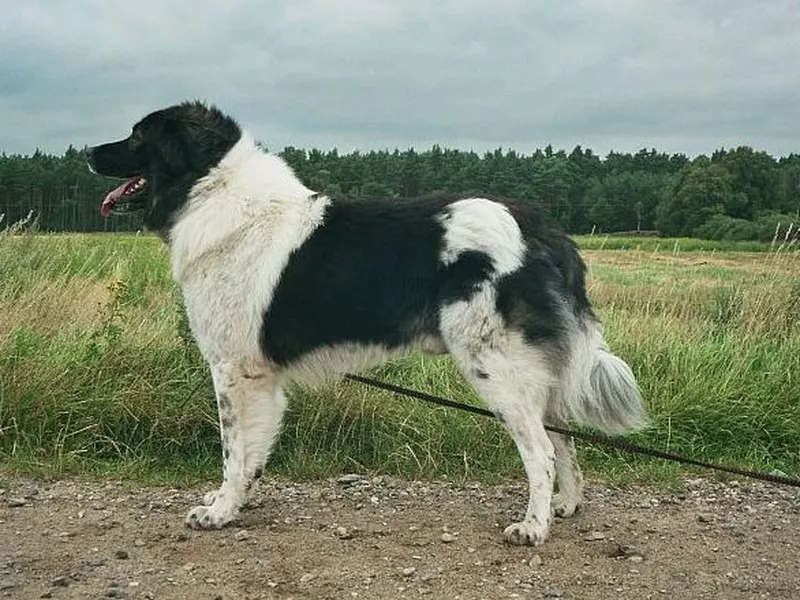
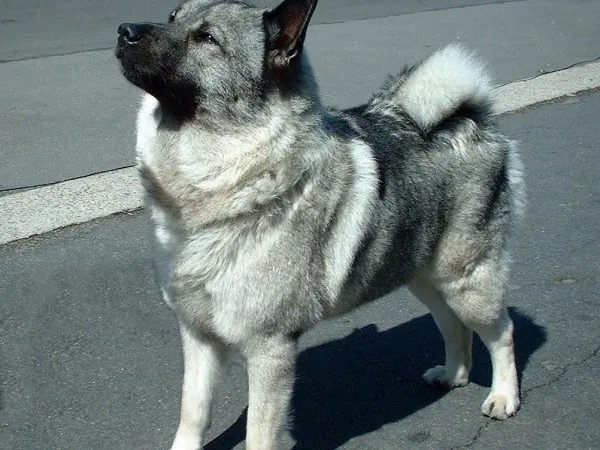
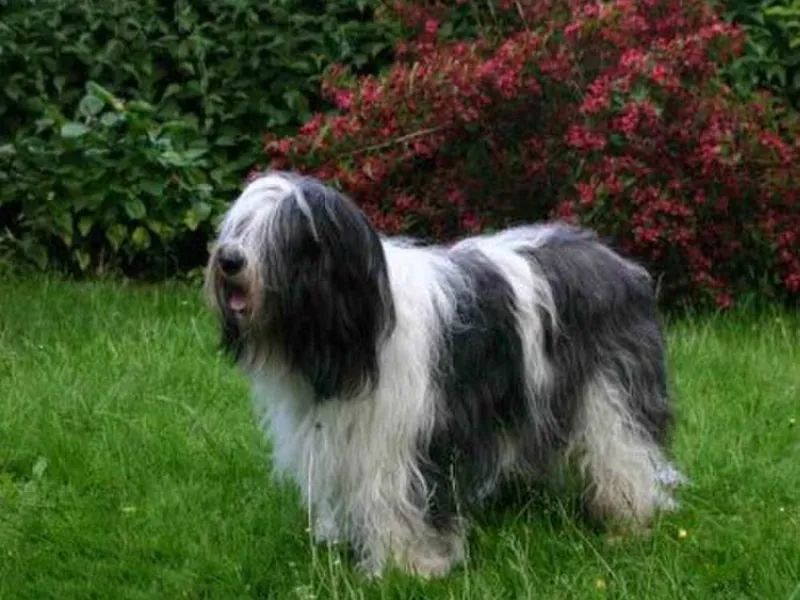
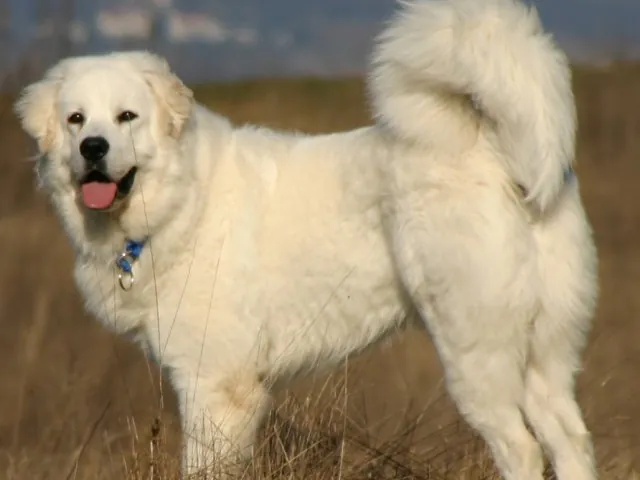
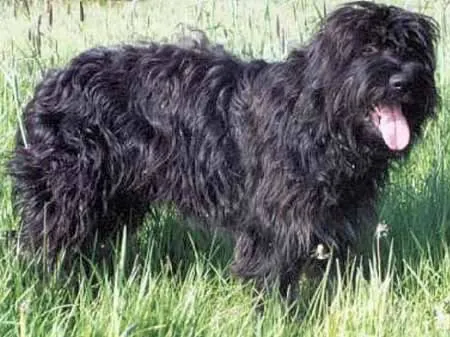
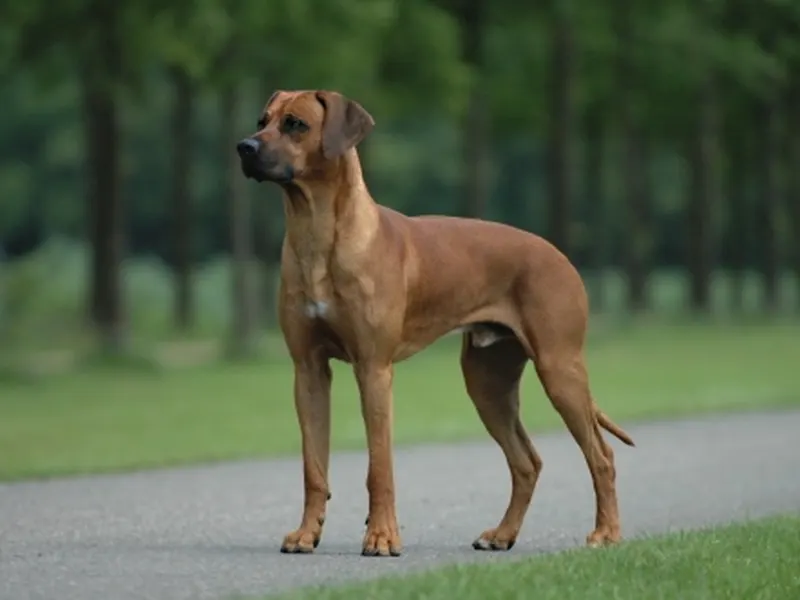
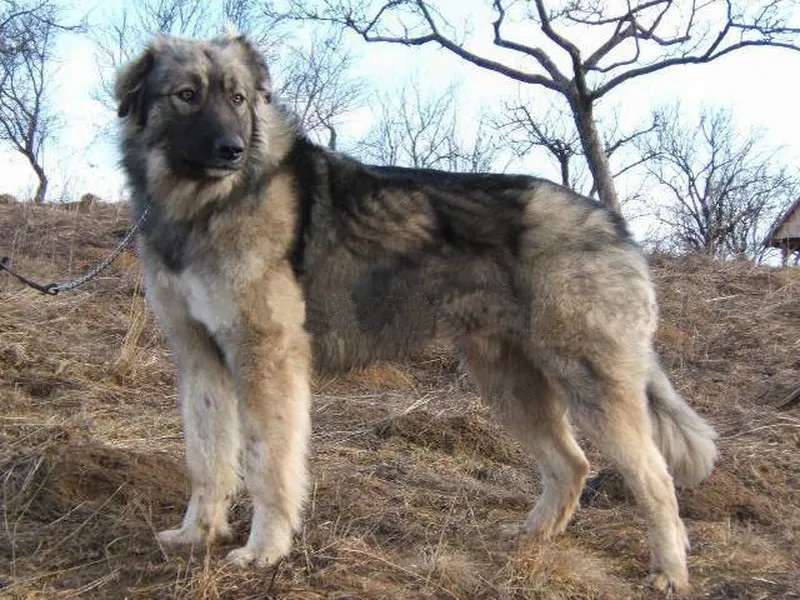
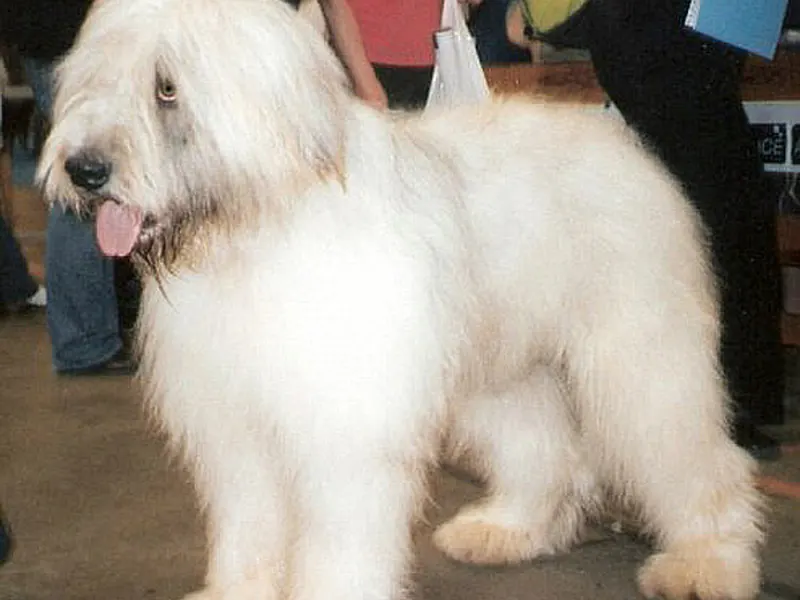
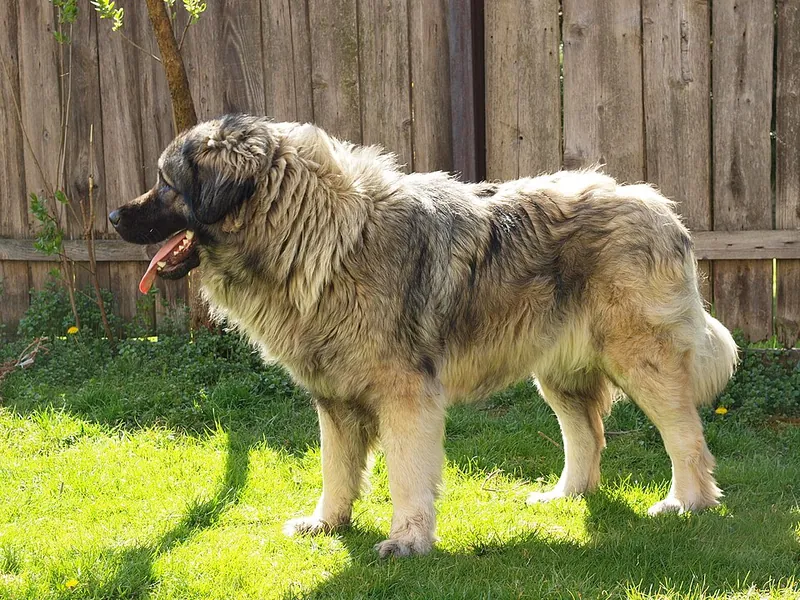
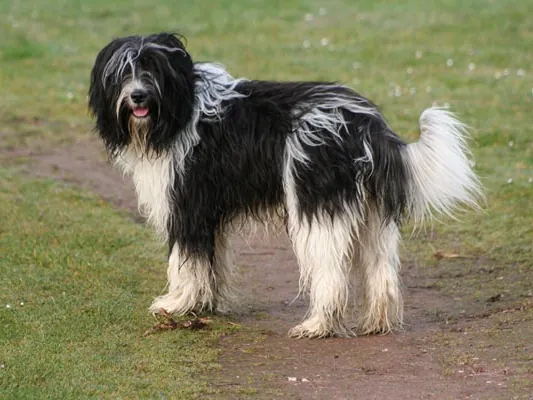
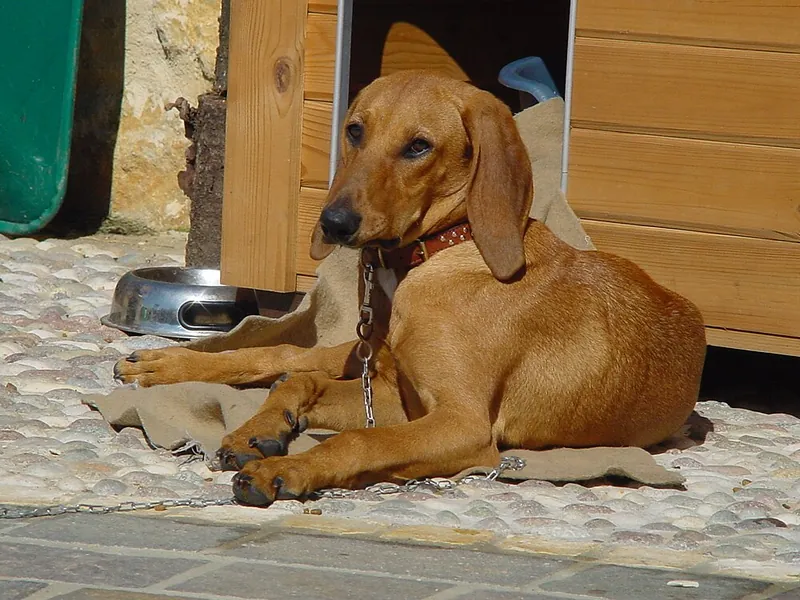
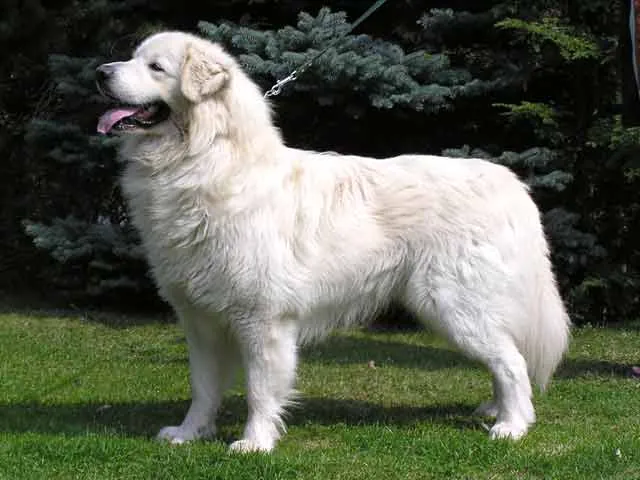
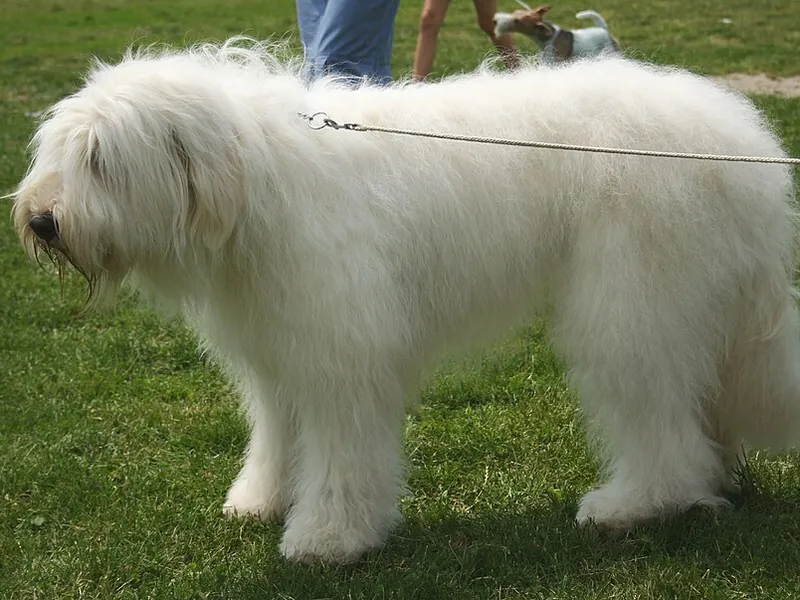
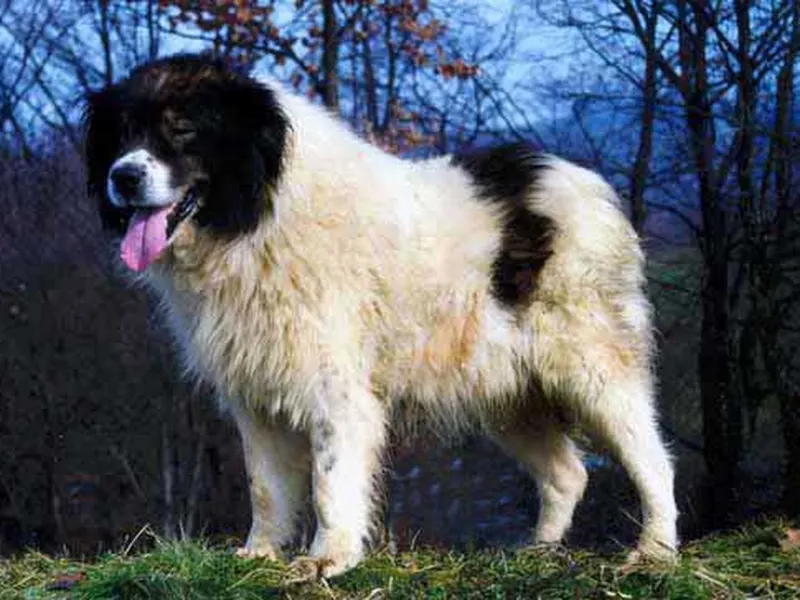
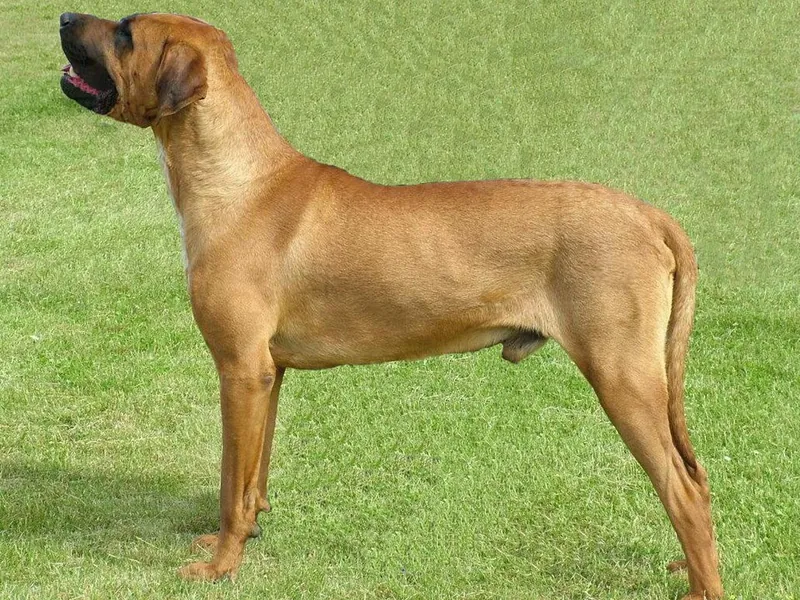
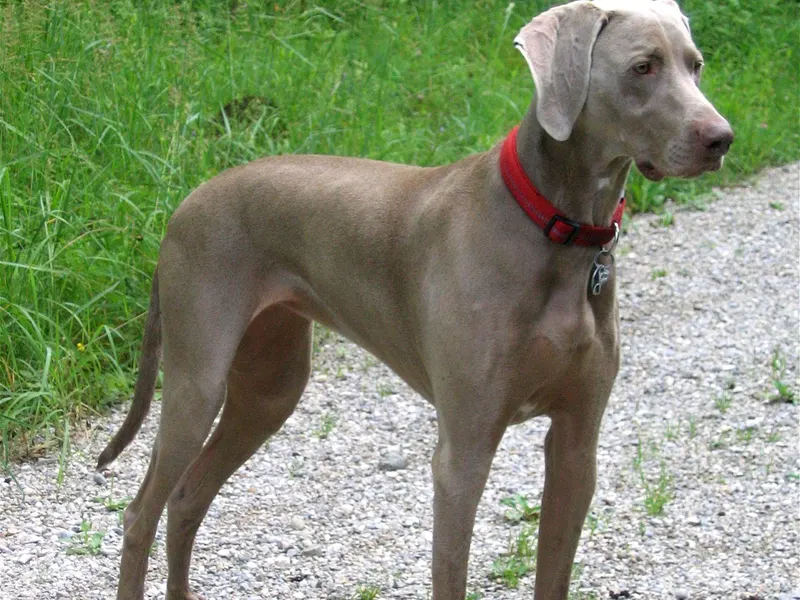
Watchdog, guard dog or livestock guardian?
These terms are often mixed up, but they describe different jobs:
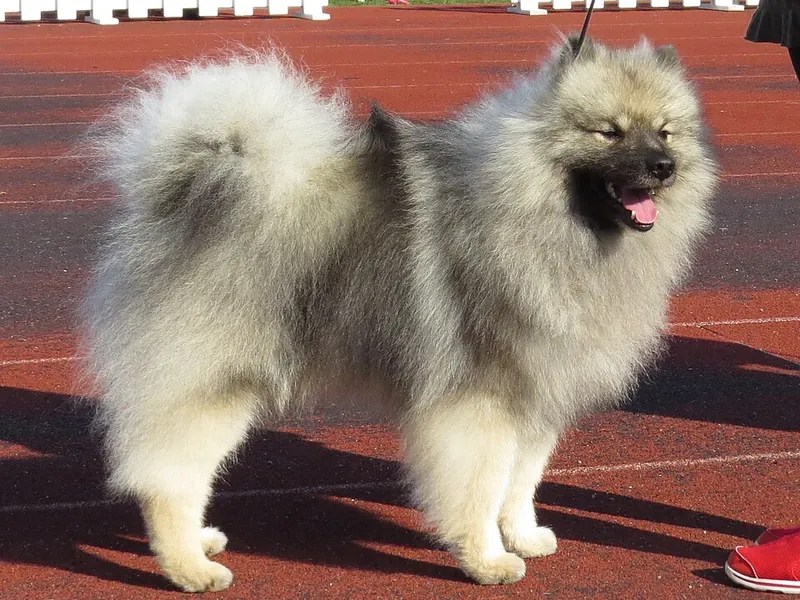
- Watchdogs raise the alarm by barking. Size is irrelevant: a Poodle, Keeshond or Pembroke Welsh Corgi can be an excellent watchdog.
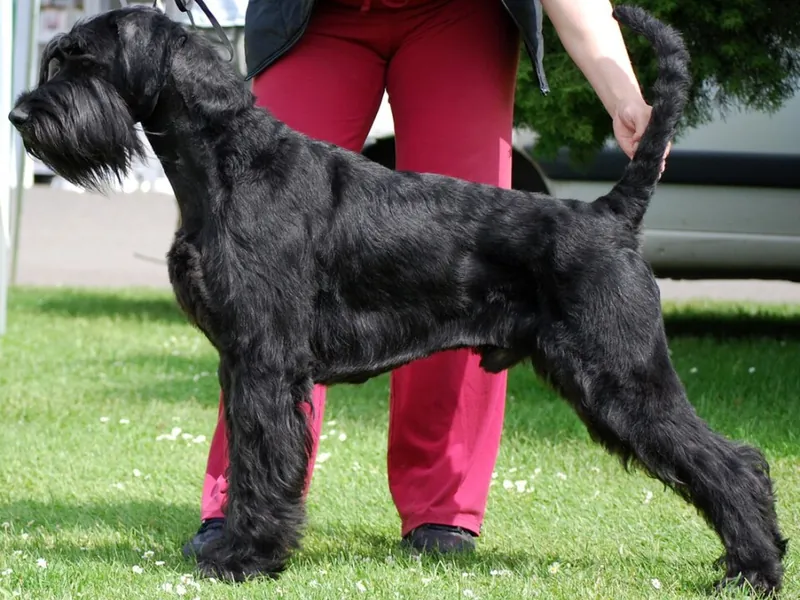
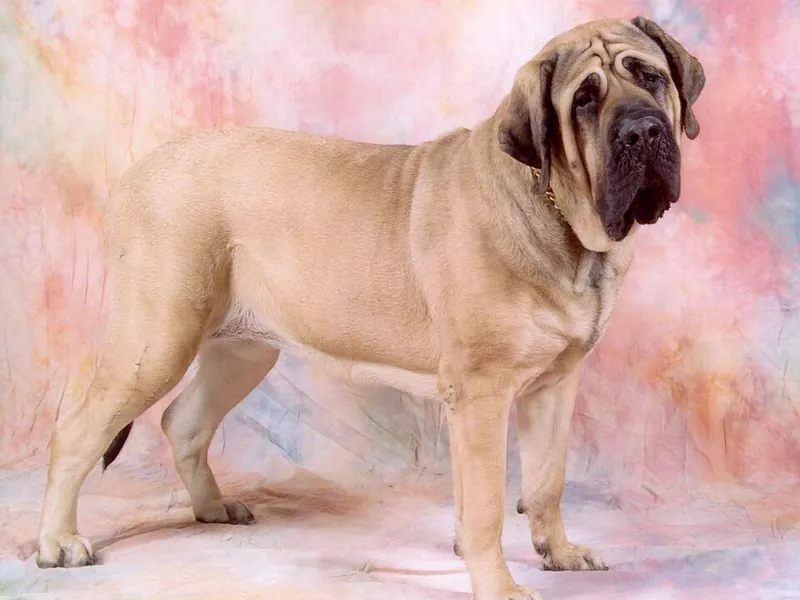
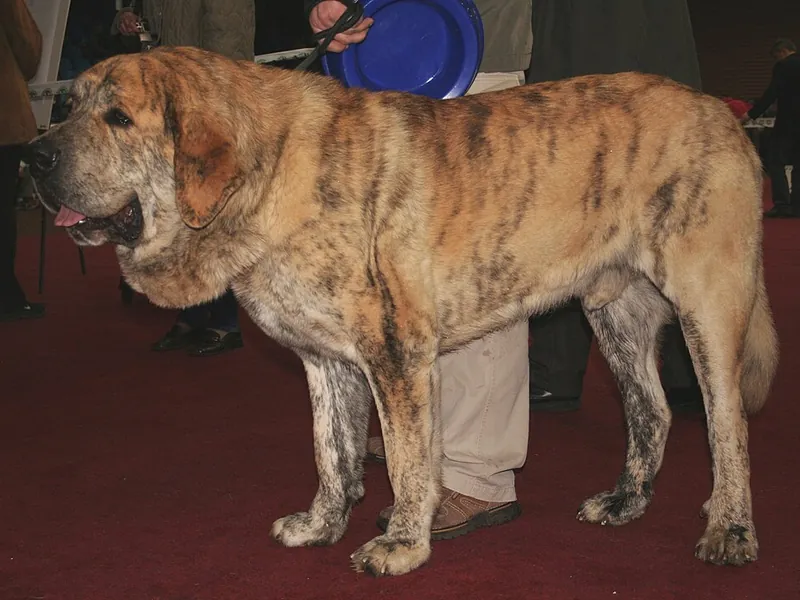
- Guard dogs are territorial and will stand their ground. Breeds like the Rottweiler, Cane Corso, Bullmastiff and Giant Schnauzer were bred for this.
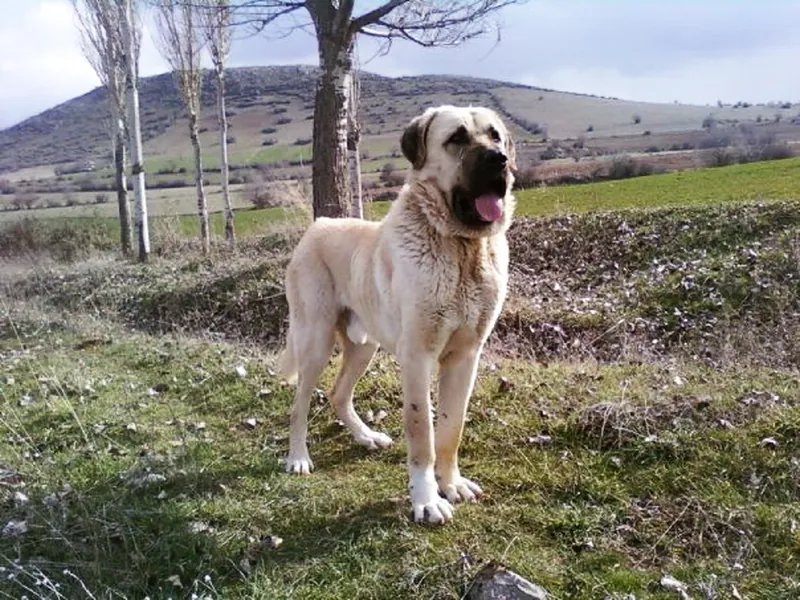
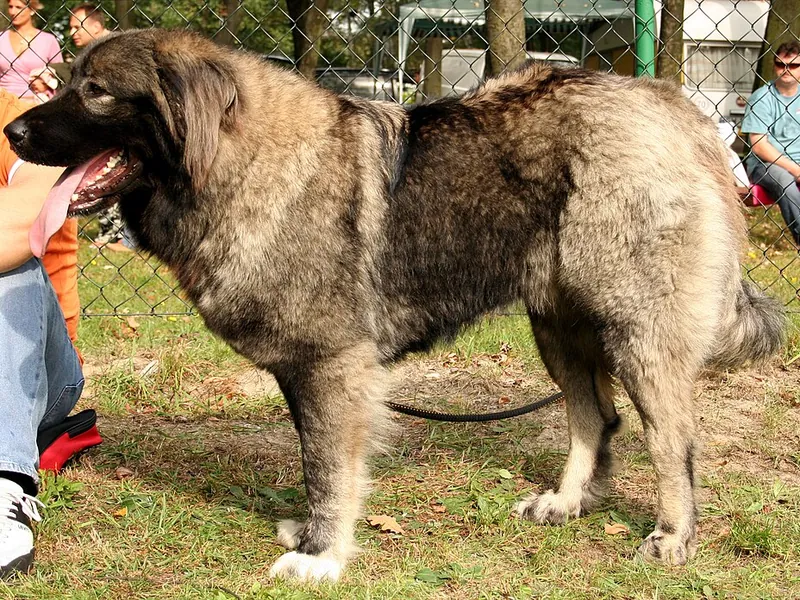
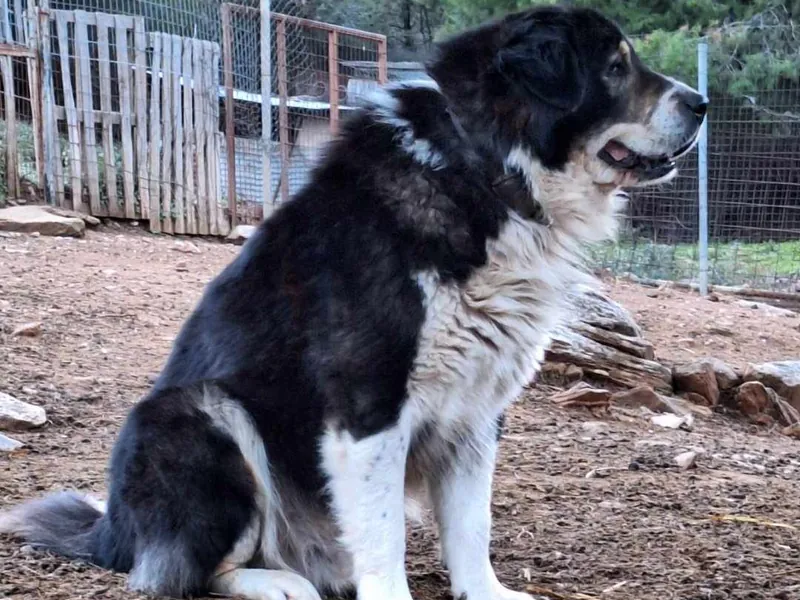
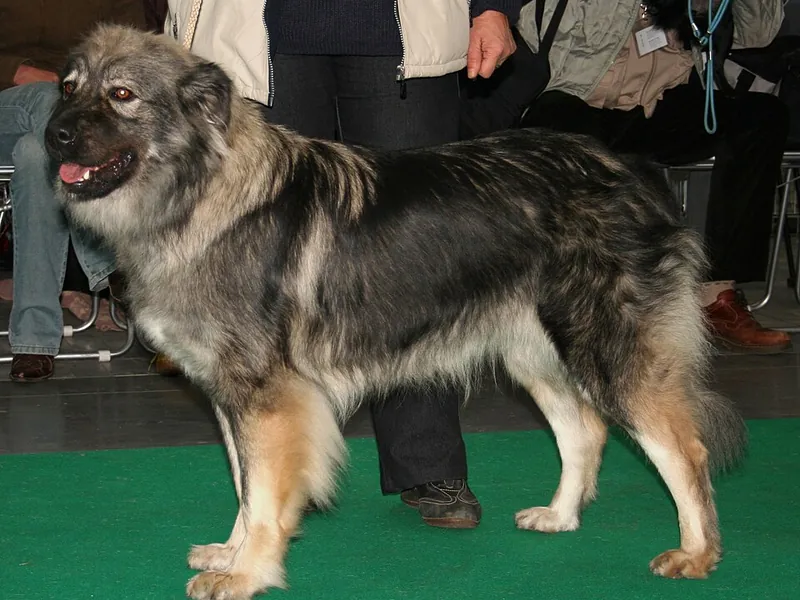
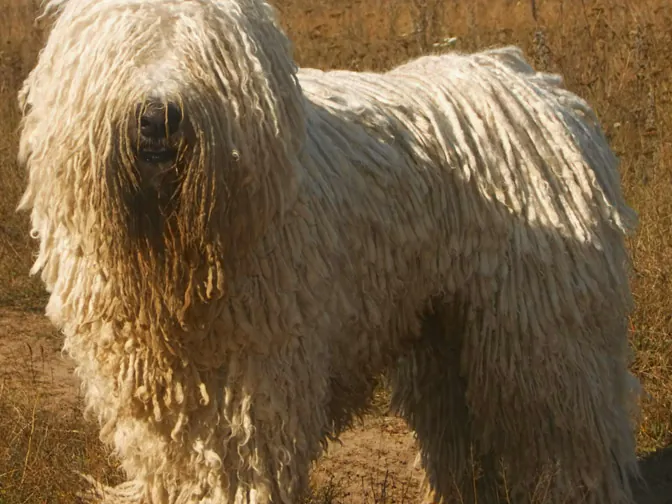
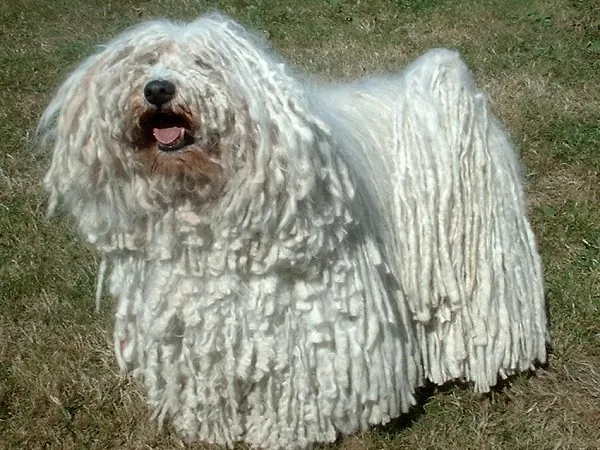
- Livestock guardian dogs such as the Great Pyrenees, Kangal Shepherd Dog, Caucasian Shepherd Dog and Komondor live with herds and protect them on their own judgment.
- Personal protection dogs are individually trained by professionals, usually from working lines of German Shepherds, Belgian Malinois or Dutch Shepherds.
Socialization and training come first
A good guard dog is confident and discerning, not fearful or reactive. That only happens with early, ongoing socialization: meeting many kinds of people, visitors in the home, traffic, other dogs and new places during puppyhood and beyond.
Obedience training with reward-based methods builds the control you need. You should be able to call your dog away from the door, ask it to settle and have it accept guests calmly. Never encourage aggression or attempt bite training at home. Protection work belongs with qualified professionals, if at all.
Is a guard breed right for you?
Many protective breeds are large, strong and independent. They often suit owners who:
- Have experience with dogs and are comfortable setting consistent rules.
- Can commit to daily exercise and training, especially for working breeds like the Doberman Pinscher, Dutch Shepherd and Beauceron.
- Have a secure yard and can manage the dog around visitors and children.
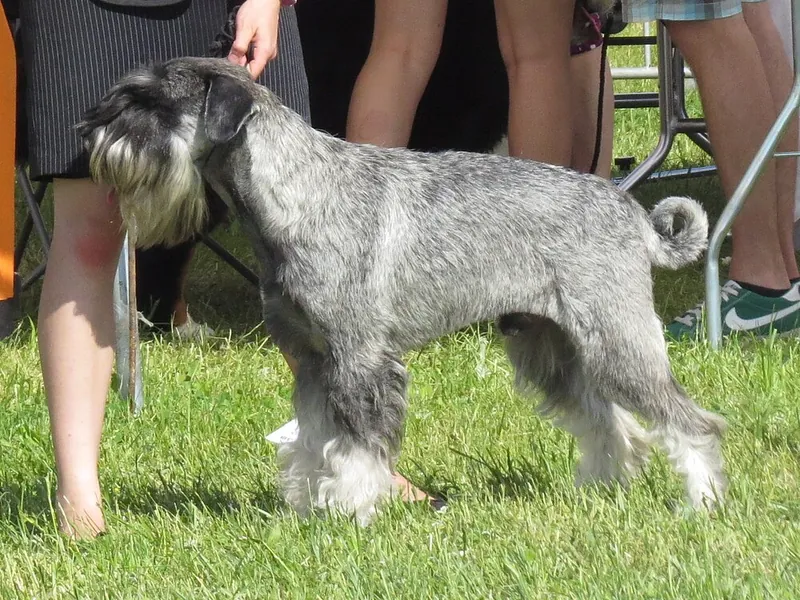
If you mainly want an alarm system, a vocal medium-sized watchdog such as a Keeshond or Standard Schnauzer may fit better than a powerful guardian.
Responsible ownership and local rules
Owners of large protective dogs carry real responsibility. Some insurers, landlords and municipalities have rules about certain breeds or types, so check your lease, homeowner's insurance and local regulations before bringing one home.
Health matters too. Many guardian breeds are large or giant, which brings risks such as hip and elbow dysplasia and bloat. Choose a breeder who health tests and selects for stable temperament, and keep your dog lean and fit.
Health and lifestyle notes
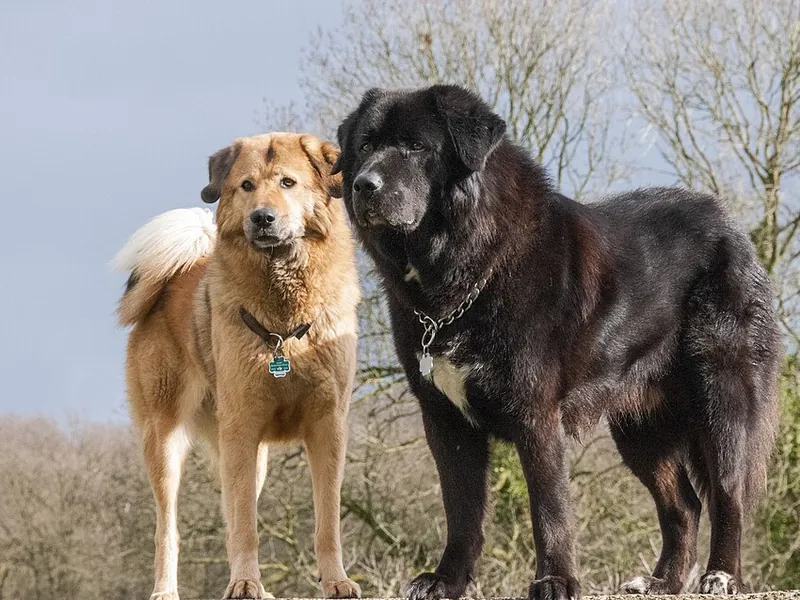
Many guard breeds mature slowly, both physically and mentally, and may not settle into a steady adult temperament until two or three years old. Protect growing joints by avoiding forced, repetitive exercise during puppyhood. Livestock guardians like the Great Pyrenees and Tibetan Mastiff are often nocturnal barkers and can be independent off leash, so secure fencing matters. Working breeds like the German Shepherd and Doberman Pinscher need daily mental challenges, such as obedience, scent games or dog sports, to stay balanced.
Frequently Asked Questions
What is the best guard dog for a family?
The German Shepherd, Rottweiler and Doberman Pinscher are often chosen by families, but the best choice depends on your experience, space and willingness to train consistently.
Are guard dogs safe with children?
A well-bred, well-socialized guard breed can be very loving with its family's children, but all dogs need supervision around kids and visiting friends.
What is the difference between a watchdog and a guard dog?
A watchdog alerts you by barking. A guard dog is more territorial and may physically stand its ground, so it requires more training and management.
Can a small dog be a good watchdog?
Yes. Many small and medium breeds bark readily at unusual sounds, which makes them effective alarms even if they are not intimidating.
Do guard dogs need professional training?
Basic obedience and socialization are essential for every guard breed. Any protection or bite work should only be done with qualified professionals.
Not sure which breed fits you?
Answer 8 quick questions and get breeds ranked for your home, schedule and experience.