HovawartGermany's loyal estate guardian
The Hovawart is a medium-large German working dog whose name means estate guardian. Loyal, watchful and athletic, with little interest in hunting, it suits experienced owners who can offer clear leadership, daily exercise and real jobs to do.
Why people love the Hovawart
- Loyal and protective without excessive barking
- Low hunting drive for a working breed
- Athletic partner for hiking, tracking and dog sports
- Coat is easier to care for than it looks
- Generally healthy with a good lifespan for its size
Things to consider
- Slow to mature and challenging through adolescence
- Needs one to two hours of daily activity
- Guarding instinct requires experienced handling
- Rare in the US; few breeders
- Independent streak and questions unclear commands
Is this breed right for you?
10 questions · live resultHistory and Origin
Dogs called Hofwarte, guardians of the farm or estate, are mentioned in German texts from the Middle Ages, including a 13th century legal code that set penalties for killing one. These farm guardians faded away as industrial-era breeds took over.
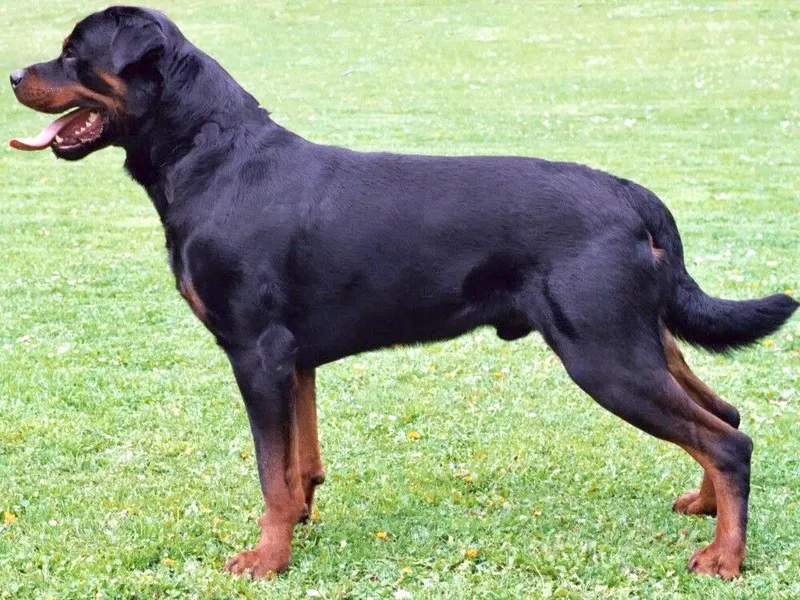
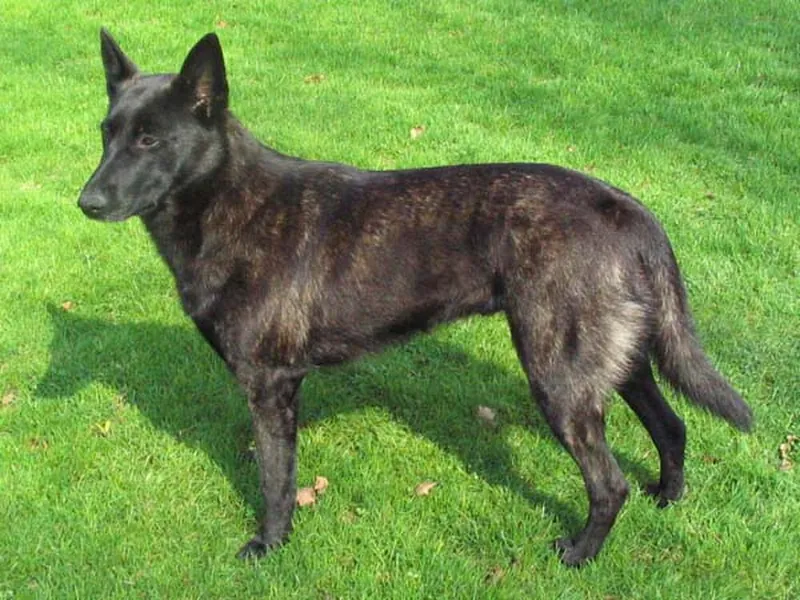
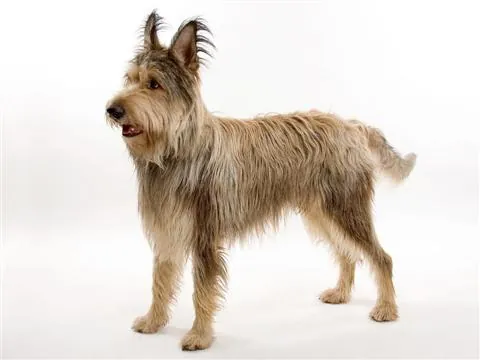
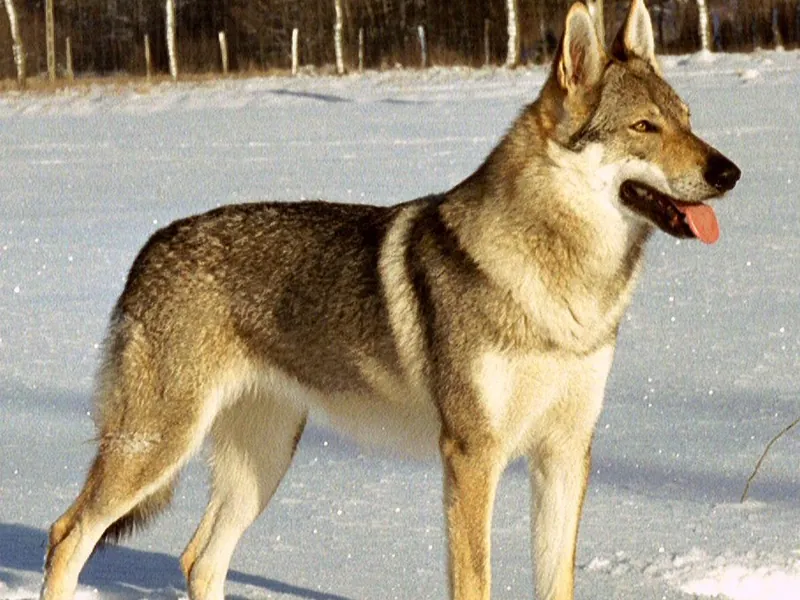
In the early 1920s, zoologist Kurt Friedrich König and his father Bertram set out to recreate the type. They gathered farm dogs from the Black Forest and Harz regions and added Newfoundland, Kuvasz, Leonberger and German Shepherd influence, among others. The first litter was registered in 1922, and Germany recognized the breed in 1937. Today the Hovawart is recognized by the FCI and The Kennel Club, while the AKC lists it in its Foundation Stock Service.
Size, Coat and Colors
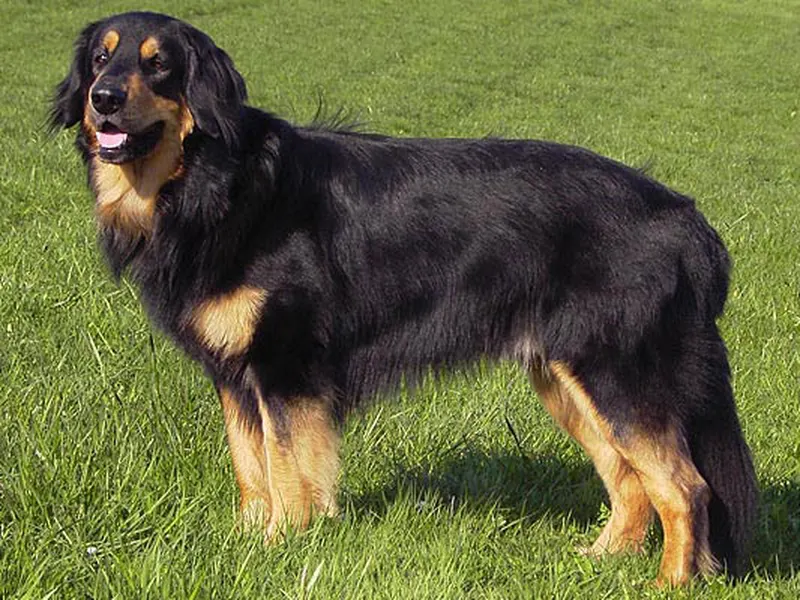
The Hovawart is a medium-large, athletic dog with a slightly elongated body, strong head and long, bushy tail. Adults stand about 23 to 28 inches at the shoulder and weigh roughly 64 to 90 lb. Males are clearly larger and heavier than females, with a broader head and more substance. Females have a finer, more feminine look.
The coat is medium-long, slightly wavy and lies close to the body, with a light undercoat. Feathering appears on the chest, the back of the legs, the belly and the tail. Three colors are recognized:
- Black: solid, shiny black
- Blond: medium blond, lighter on the legs and feathering
- Black and gold: black with clearly defined gold markings on the head, chest and legs
White markings are limited to small spots. The ears are triangular, set high and hang down, and the eyes are dark. The overall impression is a balanced, powerful dog built for endurance rather than bulk.
Temperament and Personality
Hovawarts are devoted to their family and naturally protective of home and property. They are usually reserved with strangers and will alert to anything unusual, but they rarely bark without reason. Their hunting drive is generally low, which makes them easier companions in the countryside than many working breeds.
They are confident and slow to mature, often staying adolescent until two or three years old. Many test boundaries during this phase, and first-time owners can find them challenging. They tend to be good with children in their own family and with other pets they are raised with.
Are Hovawarts Easy to Train?
Hovawarts are intelligent and learn quickly, but they are not always easy to train because they question unclear commands.
They need fair, consistent and calm training. Harsh methods damage trust, while inconsistent rules invite boundary testing. The breed matures slowly, often staying adolescent until two or three years old, so patience is essential. Short, varied sessions with clear rewards work best. Many Hovawarts thrive in tracking, obedience, search and rescue or protection sports run by breed clubs, which give them structure and a purpose.
Are Hovawarts Good with Cats and Other Dogs?
Hovawarts usually get along well with cats and dogs they grow up with, thanks to their low hunting drive.
Early socialization is key. A Hovawart raised with a household cat often treats it as family, and outdoors it is less likely to chase wildlife than many working breeds. With other dogs, Hovawarts can be confident and sometimes bossy, especially same-sex adults. Introduce new dogs carefully on neutral ground. Their protective instincts may extend to family pets, so watch how they react to visiting dogs on their territory.
Do Hovawarts Need a Yard?
A house with a securely fenced yard suits a Hovawart much better than an apartment.
The breed was developed to guard farms and estates, and it enjoys having territory to watch over. A yard also makes it easier to manage daily exercise. However, a yard alone is not enough: Hovawarts need long walks, hikes or sports and close contact with their family. Fencing should be secure, as some may roam or patrol beyond their boundaries. Avoid locations where constant foot traffic past the fence triggers guarding behavior.
Exercise and Training
This is an athletic, enduring breed. Expect to spend at least one to two hours a day on exercise and mental work: long walks, hiking, jogging once grown, and sports such as tracking, obedience, search and rescue or protection sports run by breed clubs.
Training should be calm, fair and consistent. Hovawarts learn quickly but question unclear commands and respond poorly to harsh methods. Give them structure and responsibility, socialize puppies widely with people and dogs, and teach a reliable off switch so the guarding instinct does not take over at home.
Grooming and Shedding
The medium-long, slightly wavy coat lies close to the body with a light undercoat, and comes in black, blond, and black and gold. It is easier to maintain than it looks. Brush once a week, and more often during the seasonal shed. Check the feathering behind the ears and on the legs for tangles, and keep nails trimmed. The coat dries quickly after rain or swimming and tends not to smell, which owners appreciate in a dog that spends much time outdoors.
Feeding and Nutrition
Hovawarts mature slowly, and controlled growth helps protect their joints. Feed puppies a complete food formulated for large-breed puppies, with appropriate calcium and phosphorus levels. Avoid supplements unless your vet recommends them, and keep puppies lean rather than chubby.
Adult Hovawarts vary in energy needs. Working dogs or those in active sports need more food than family dogs that walk daily. Check body condition regularly: you should feel the ribs under a light layer of fat, which can be harder to see under the feathered coat.
- Feed two meals a day to reduce the risk of bloat.
- Avoid strenuous exercise immediately before and after meals.
- Use part of the daily ration as training rewards.
- Hypothyroidism occurs in the breed and can cause weight gain; ask your vet if weight rises unexpectedly.
| Adult weight | Less active | Typical adult | Very active |
|---|---|---|---|
| 64 lb | 1,230 kcal | 1,400 kcal | 1,750 kcal |
| 90 lb | 1,580 kcal | 1,810 kcal | 2,260 kcal |
Estimates use the resting energy formula veterinarians work with (70 × body weight in kg0.75) and standard activity factors. Use the feeding guide on your food as a starting point and adjust to body condition. Puppies, seniors, pregnant animals and pets that need to lose weight have different needs, so ask your vet.
Health and Lifespan
The Hovawart is regarded as a fairly healthy breed with no exaggerated features, and typically lives 10 to 14 years. As with most larger breeds, hip dysplasia is the main concern, and breed clubs require hip screening of breeding dogs. Hypothyroidism has also been reported in the breed. Ask breeders for hip results and any additional health checks on both parents.
Hovawart Price and Cost of Ownership
Hovawarts are rare in the US, and only a small number of breeders produce litters each year. Prices vary by breeder, region and lines, and some owners import puppies from Europe, which adds travel and paperwork costs. Look for breeders who screen for hip dysplasia and thyroid function and follow breed club rules.
Rescue placements are uncommon, but breed clubs may know of adult dogs needing homes.
Breed-specific ongoing costs include:
- Large-breed food in substantial amounts.
- Training classes and dog sports suited to a working breed.
- Pet insurance for hip dysplasia and thyroid conditions.
- Secure fencing for a dog with guarding instincts.
Is the Hovawart Right for You?
A Hovawart suits experienced owners with a house and garden, ideally in a rural or suburban setting, who want a loyal family guardian and enjoy training and outdoor activity. It is less suited to first-time owners, apartments, homes with frequent unfamiliar visitors or people who are away all day.
Hovawart Traits at a Glance
Hovawart FAQ
Are Hovawarts good family dogs?
Yes, with the right owner. They are devoted to their family and usually good with their own children, but need firm, consistent guidance.
How big do Hovawarts get?
They stand about 23 to 28 inches tall and weigh roughly 64 to 90 lb, with males clearly larger than females.
Are Hovawarts good for first-time owners?
Usually not. Their independence and guarding instinct are best handled by owners with dog experience.
Do Hovawarts shed?
Moderately. The coat sheds more at seasonal changes but needs only weekly brushing most of the year.
Do Hovawarts bark a lot?
No. They are watchful and will alert, but they tend not to bark without a reason.
How long do Hovawarts live?
Typically 10 to 14 years.