Tibetan MastiffIndependent guardian of the Himalayas
The Tibetan Mastiff is a massive, lion-maned guardian bred by Himalayan nomads and monasteries to protect flocks and property. Calm and dignified with its family, it is independent, territorial and often noisy at night, which makes it a breed only for experienced owners with space.
Why people love the Tibetan Mastiff
- Calm and quiet indoors, especially during the day
- Devoted guardian of family and property
- Low-odor coat with only one heavy shed per year
- Majestic, maned appearance with ancient roots
- Moderate exercise needs for a giant breed
Things to consider
- Deep barking at night can trouble neighbors
- Independent and slow to follow commands
- Needs high, secure fencing; many climb or dig
- Wary of strangers and visiting children
- Slow to mature, often three to four years
Is this breed right for you?
10 questions · live resultHistory and Origin
Large guardian dogs have lived on the Tibetan plateau for a very long time. Nomadic herders used them to protect livestock and camps from predators such as wolves and snow leopards, and villages and monasteries kept them as guards. Dogs were often tied during the day and released at night to patrol.
The breed is known in Tibet as Do Khyi. A few dogs reached Britain in the 19th century, but a stable Western population developed only in the 1970s and 1980s. The AKC recognized the Tibetan Mastiff in the Working Group in 2006.
Size, Coat and Colors
The Tibetan Mastiff is a large, heavy-boned guardian with a powerful, slightly longer-than-tall body. The data box range of 71 to 150 lb reflects real variation: females at the lower end and big males at the top. The AKC standard sets minimum heights of 26 inches for males and 24 inches for females, and many males exceed that.
Males are clearly more impressive, with a heavier head and a much fuller mane around the neck and shoulders. Females are lighter in build and carry less ruff.
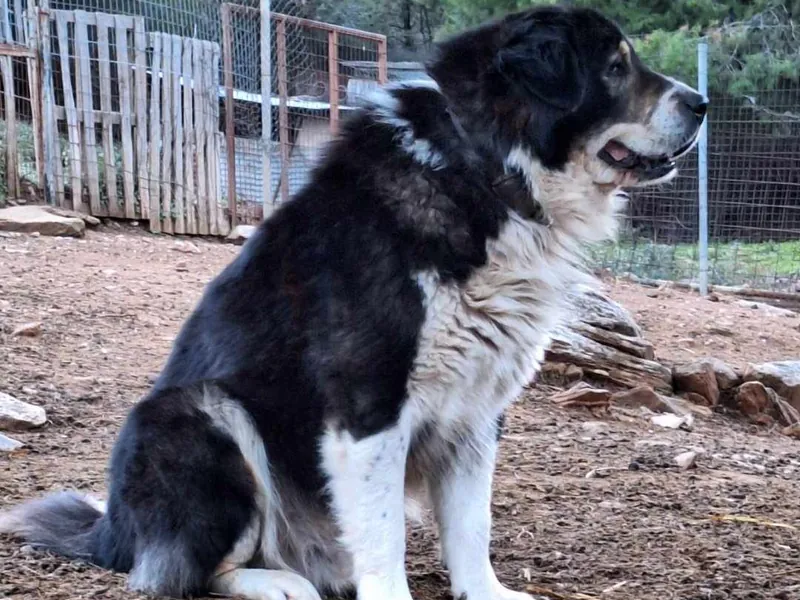
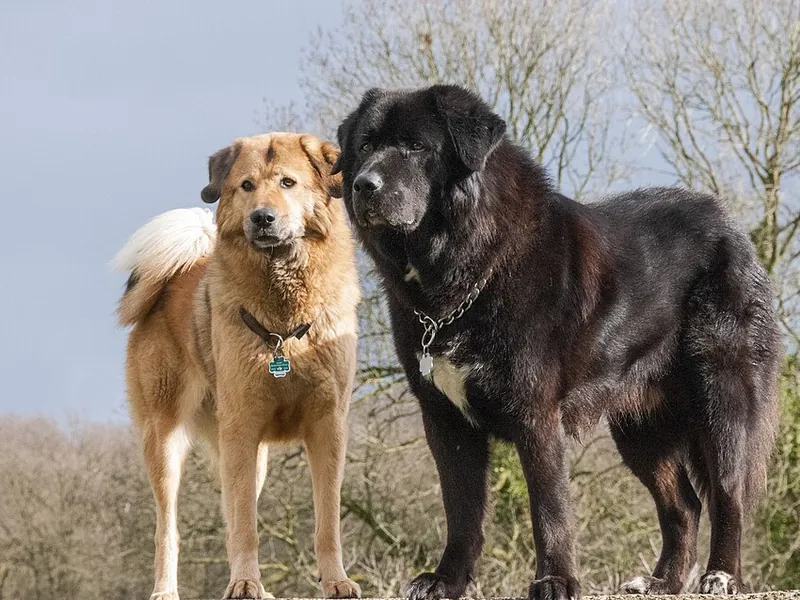
The double coat has a long, coarse outer coat and a dense, woolly undercoat that thickens in winter. The tail is well feathered and curls over the back. The head is broad with a strong muzzle, and the expression is watchful and dignified.
Recognized colors include:
- Black, brown and gray (blue)
- Each with or without tan markings
- Gold, from pale fawn to deep red
Small white markings on the chest and feet are acceptable. Western lines are generally more moderate in size and coat than some of the extremely heavy, lion-maned dogs bred for the Chinese luxury market.
Temperament and Personality
A Tibetan Mastiff is calm, aloof and devoted to its family, but it is not eager to please. It was bred to make its own decisions about threats, so it often weighs commands before deciding whether to comply.
It is wary of strangers and very territorial. Many are most active and alert at night, and they bark deeply at sounds in the dark. With children in their own family they can be patient, but they may misread rough play by visiting kids, so supervision is essential.
Females usually come into season only once a year, a primitive trait that reflects the breed's ancient origins. Both sexes tend to be quiet indoors and save their energy for patrolling at dusk and during the night.
Are Tibetan Mastiffs Aggressive?
Tibetan Mastiffs are not aggressive by nature toward their own family, but they are territorial guardians that take protection seriously. With strangers, unfamiliar dogs or people entering their space uninvited, they may respond defensively.
How a dog behaves depends heavily on genetics, socialization and management. Well-bred, well-socialized Tibetan Mastiffs are typically calm and reserved rather than reactive. Problems arise when guardian instincts are not managed: visitors walking in unannounced, poor fencing or a dog left to make all decisions alone. Controlled introductions, a secure property and a breeder who selects for stable temperament matter more here than in most breeds. Some insurers and landlords restrict mastiff-type breeds, so check your policy.
Is the Tibetan Mastiff Good for First-Time Owners?
No, the Tibetan Mastiff is generally not recommended for first-time owners. Its size, independence and guarding instincts require handling skills most new owners have not yet built.
Unlike breeds that look to people for direction, a Tibetan Mastiff decides for itself whether a command is worth following, and it reaches adult strength long before it is mentally mature. Owners need confidence in calm, consistent leadership, an understanding of guardian behavior and the ability to manage visitors and other dogs. Someone determined to start with this breed should find a mentor through a breed club and work with a trainer experienced in livestock guardians.
Do Tibetan Mastiffs Need a Large Yard?
Yes, a large, securely fenced yard is close to essential for a Tibetan Mastiff. The breed does not need a lot of running, but it does need space to patrol and survey its territory, which is how it naturally spends much of its time.
Fencing matters as much as size. Aim for a solid fence at least 6 feet high, dig guards along the base and no climbing aids near the boundary. Avoid invisible electric fences, which a determined guardian may ignore and which do not keep other people or dogs out. A yard also gives the dog a place to rest outdoors in cold weather, which many prefer.
Exercise and Training
Exercise needs are moderate: daily walks and time to patrol a large, securely fenced yard. Tibetan Mastiffs are not built for jogging and prefer cool weather.
- Socialize early and continuously with people, places and dogs.
- Train with patience, respect and rewards; expect independence.
- Install high, sturdy fencing; many are skilled climbers and diggers.
Professional guidance from a trainer familiar with guardian breeds is a good investment.
Grooming and Shedding
The thick double coat, with a heavy mane around the neck and shoulders, is surprisingly low-odor and needs weekly brushing most of the year. Once a year, typically in late spring or summer, the undercoat sheds heavily and needs daily raking for a few weeks.
Colors include black, brown, gray, gold and red shades, with or without tan markings. Bathe only occasionally.
Feeding and Nutrition
Tibetan Mastiffs often eat less than people expect for their size. Many have a lower energy need than other giant breeds of similar weight, and appetite can drop noticeably in hot weather or during the yearly coat shed. Feed to body condition rather than the size of the dog: ribs should be easy to feel under the coat.
Growth should be slow and steady. Use a diet formulated for large or giant breed puppies with controlled calcium and energy, and avoid extra supplements unless your vet advises them. Fast growth and extra weight stress developing hips and elbows, which are known concerns in the breed.
As a deep-chested giant, the Tibetan Mastiff carries some risk of bloat. Split food into two or more meals, avoid vigorous activity around mealtimes and keep the dog calm after eating.
Food sensitivities and hypothyroidism are reported in the breed. A dull coat, persistent itching or weight change without a diet change is a reason to see the vet.
Training treats should be small and valuable, since this independent breed works for rewards rather than praise alone.
| Adult weight | Less active | Typical adult | Very active |
|---|---|---|---|
| 71 lb | 1,320 kcal | 1,510 kcal | 1,890 kcal |
| 110 lb | 1,840 kcal | 2,100 kcal | 2,630 kcal |
| 150 lb | 2,320 kcal | 2,650 kcal | 3,320 kcal |
Estimates use the resting energy formula veterinarians work with (70 × body weight in kg0.75) and standard activity factors. Use the feeding guide on your food as a starting point and adjust to body condition. Puppies, seniors, pregnant animals and pets that need to lose weight have different needs, so ask your vet.
Health and Lifespan
Tibetan Mastiffs usually live 10 to 12 years. Their size places strain on joints, and hip and elbow dysplasia are known in the breed. Hypothyroidism and eyelid problems such as entropion and ectropion are also reported.
Puppies grow slowly and mature late, often not fully until three or four years. Avoid forced exercise during growth, keep the dog lean, and choose breeders who screen hips, elbows, thyroid and eyes.
Tibetan Mastiff Price and Cost of Ownership
Typical breeder price in the US$2,500 to $5,000
Tibetan Mastiff puppies from reputable US breeders typically cost around $2,500 to $5,000, though prices vary by breeder, region and lines. Extremely high prices you may read about apply to a luxury market in China, not to typical Western breeders. Breed rescue groups do take in Tibetan Mastiffs, often young adults rehomed by owners who underestimated the breed.
Ongoing costs reflect the size and lifestyle:
- Fencing: high, solid fencing with dig guards is often the largest upfront expense
- Food for a giant dog, although Tibetan Mastiffs eat moderately for their size
- Insurance covering hip and elbow dysplasia, thyroid disease and bloat surgery
- Health screening and giant-breed veterinary care, since drug doses scale with weight
- Professional training with a guardian-breed specialist
Check whether your homeowner's or renter's insurance has rules on mastiff-type breeds.
Is the Tibetan Mastiff Right for You?
Weighing 71 to 150 lb and standing 24 to 26 inches or more, the Tibetan Mastiff suits experienced owners with a large, secure property, few close neighbors and a preference for a dignified, independent dog.
It is unsuitable for apartments, first-time owners, homes with frequent visitors or anyone wanting an obedient sport dog.
Spend time with adult dogs and experienced owners before committing. Many Tibetan Mastiffs are rehomed because buyers underestimated their independence, barking at night and space requirements.
Tibetan Mastiff Traits at a Glance
Tibetan Mastiff FAQ
Are Tibetan Mastiffs good family dogs?
They are devoted to their own family but independent and protective, so they need experienced handling and supervision with visitors.
Do Tibetan Mastiffs bark at night?
Many do. They are naturally most alert at night and bark deeply at sounds.
How big do Tibetan Mastiffs get?
They typically weigh 71 to 150 lb and stand 24 to 26 inches tall or more, with males larger.
Do Tibetan Mastiffs shed?
They shed lightly most of the year and heavily once a year.
Are Tibetan Mastiffs easy to train?
No. They are intelligent but independent and need patient, consistent training.
How long do Tibetan Mastiffs live?
Usually 10 to 12 years.