Most Expensive Dog BreedsWhat makes some puppies cost more
Breeds appear on this list because their puppies are often priced well above average, usually due to rarity, small litters, costly health testing or strong demand. The page explains the real price drivers and the ongoing costs, so buyers can tell a fair price from an inflated one.
All Expensive Dog Breeds A to Z
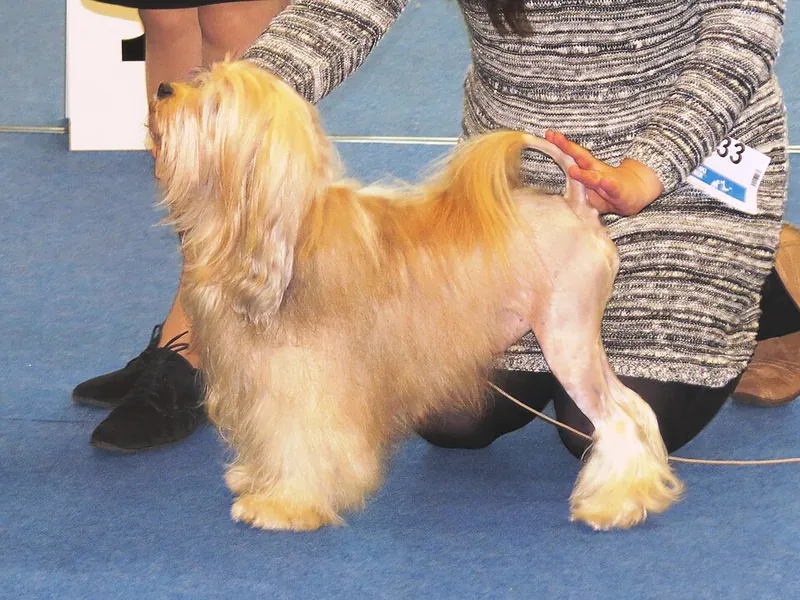
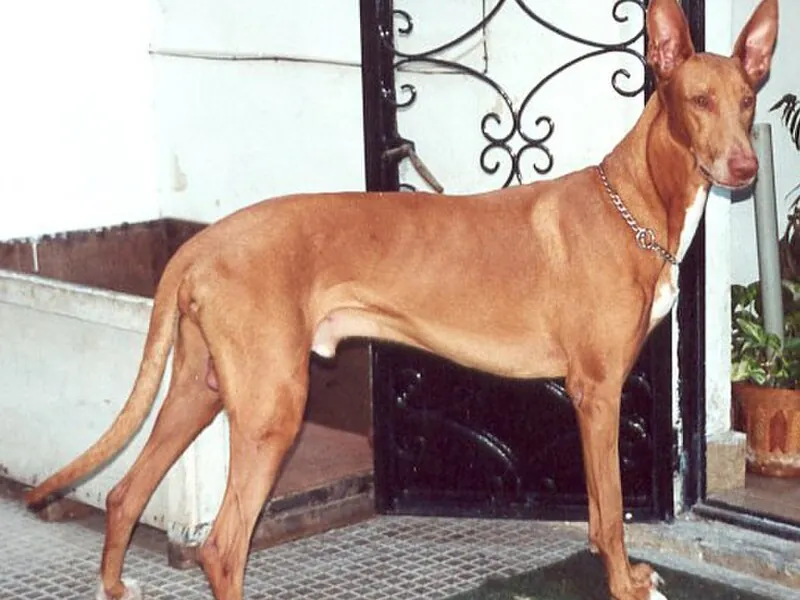

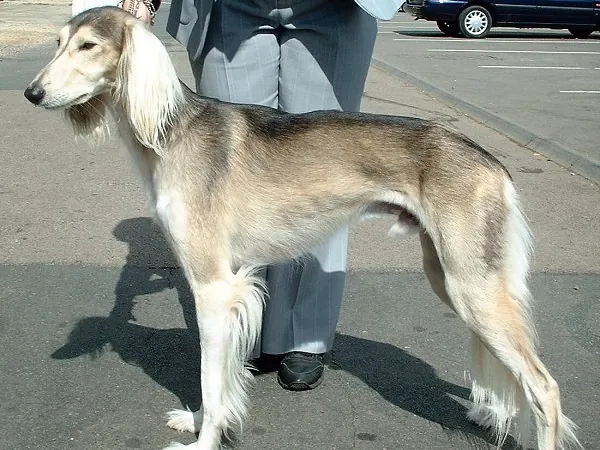
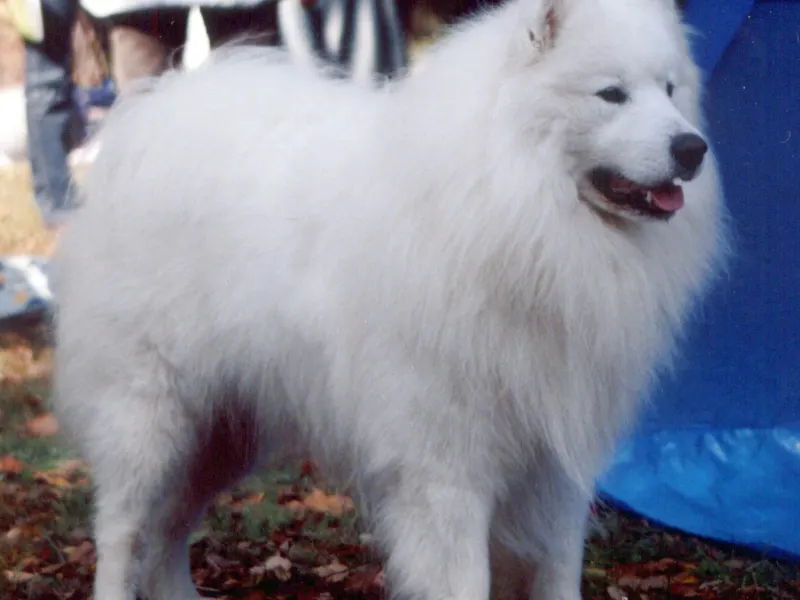
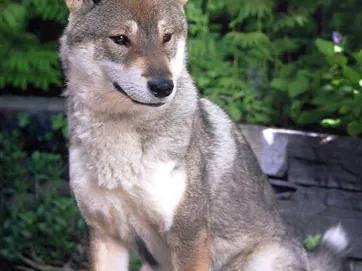
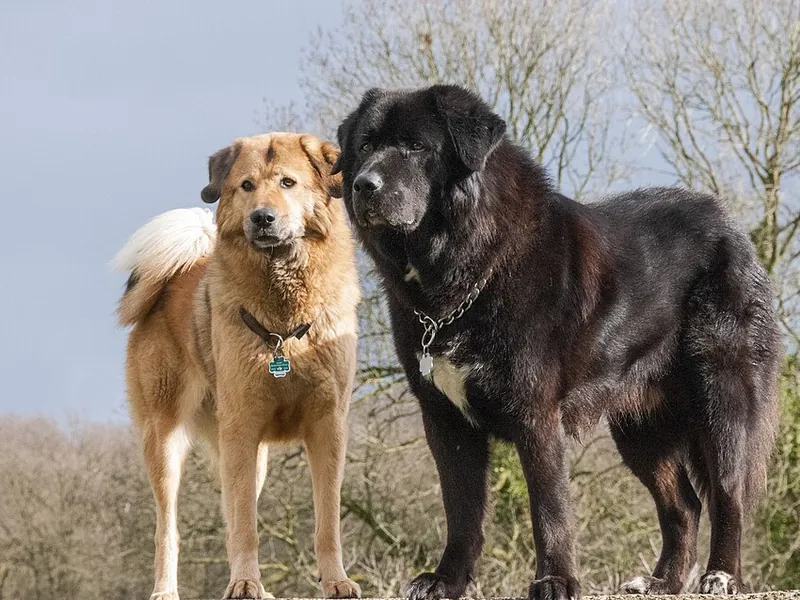
Why Some Breeds Cost More
Puppy prices vary widely by region, breeder and bloodline, so any single number is misleading. The same factors, however, push certain breeds toward the top:
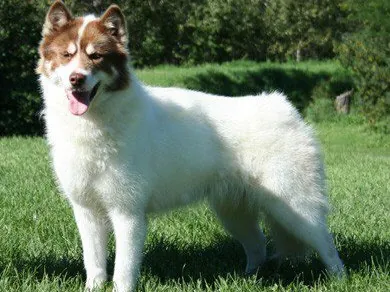
- Rarity: breeds with small populations, such as the Pharaoh Hound, Shikoku, Kishu Ken, Canadian Eskimo Dog or Lowchen, have few breeders and long waiting lists.
- Small litters: breeds that typically have few puppies per litter spread breeding costs over fewer dogs.
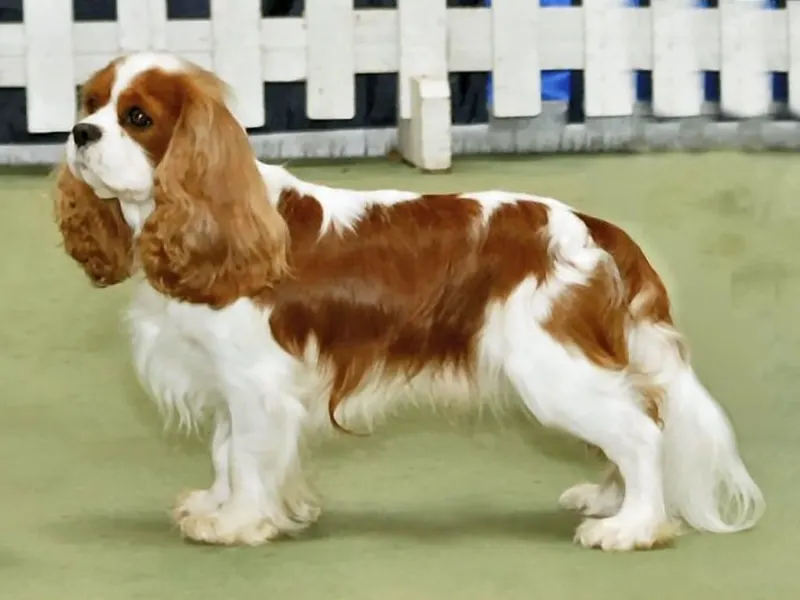
- Health testing: responsible breeders of the Cavalier King Charles Spaniel, for example, screen hearts and other inherited conditions, which costs money.
- Import costs: rare Japanese breeds like the Shikoku or Kishu Ken may require bringing dogs from abroad.
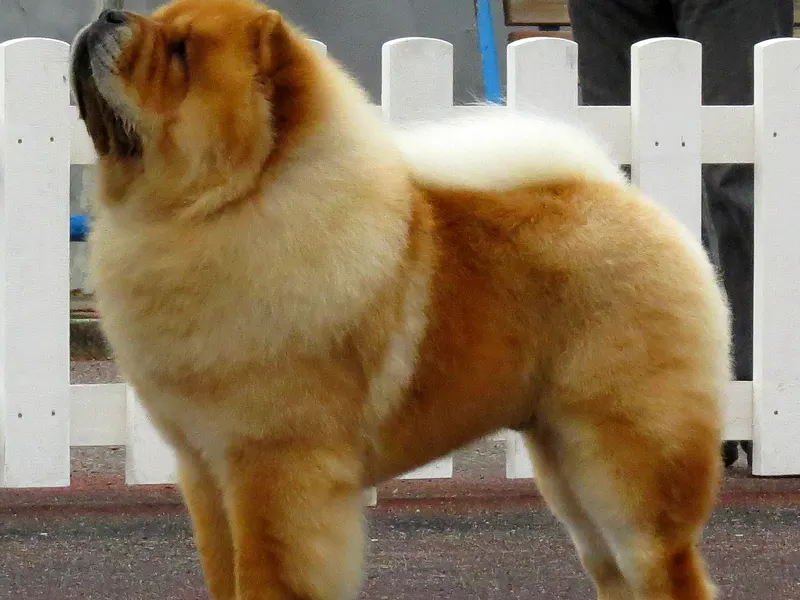
- Demand and status: striking breeds such as the Samoyed, Chow Chow or Tibetan Mastiff attract buyers willing to pay more.
The Purchase Price Is the Small Part
Over a dog's life, food, vet care, insurance, grooming and boarding usually add up to far more than the purchase price. Giant breeds like the Tibetan Mastiff eat more and need larger doses of medication. Heavily coated breeds such as the Samoyed and Chow Chow need regular professional grooming. Breeds with known inherited conditions may need ongoing vet monitoring.
Budget for these costs before you budget for the puppy. An affordable puppy can become an expensive dog, and an expensive puppy is not a guarantee of good health.
How to Tell a Fair Price From a Red Flag
- A fair price is backed by documented health tests for both parents, appropriate for the breed.
- Good breeders let you meet the mother and see where puppies are raised.
- Be wary of breeders who always have puppies available, sell rare colors at a premium, or push for quick payment.
- Unusually low prices for a rare breed can signal a scam or poor breeding conditions.
Breeds That Are Expensive to Keep
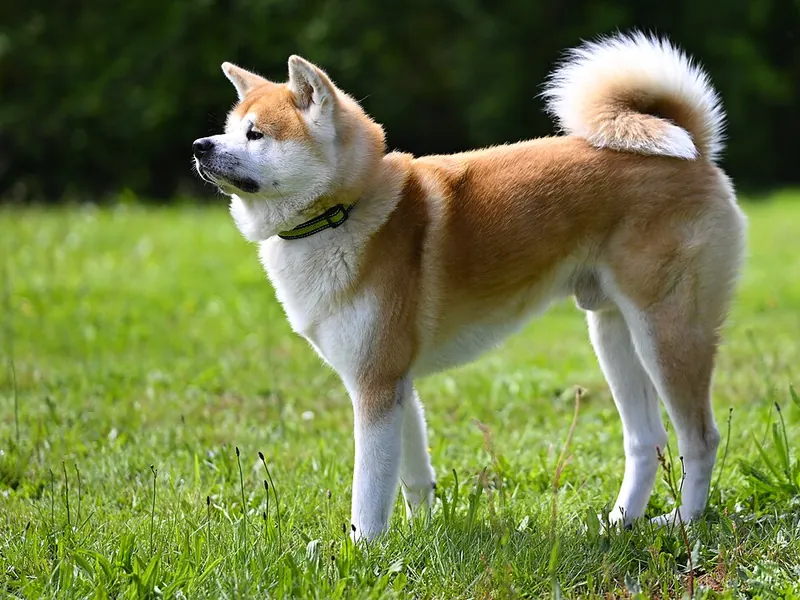
Some breeds are not unusually expensive to buy but are costly to own. Large guardians like the Akita Inu and Rhodesian Ridgeback need secure fencing and professional training support. Sighthounds such as the Saluki need safe, enclosed areas to run. Considering adoption from breed-specific rescues is another option, and many rescues have purebred adults of these breeds waiting for homes.
Questions to Ask Before You Pay
Whatever the breed, a responsible purchase starts with good questions. Ask which health tests are recommended for the breed and request the results for both parents. Ask how the puppies are raised and socialized, at what age they go home and whether the breeder will take the dog back if your situation changes. Ask for a written contract and clear terms for deposits. A good breeder will ask you just as many questions about your home, schedule and experience. If you feel rushed, if documents are vague or if the breeder will not let you see where the dogs live, it is wise to walk away, however rare the breed.
Frequently Asked Questions
What is the most expensive dog breed?
The Tibetan Mastiff is often cited as one of the most expensive breeds, especially for certain bloodlines, but prices vary widely by region and breeder.
Why are rare dog breeds so expensive?
Rare breeds have few breeders, long waiting lists, sometimes small litters and import costs, all of which push prices up.
Does a higher price mean a healthier puppy?
Not necessarily. Ask for health test results on both parents and meet the breeder. Price alone tells you little about quality.
What costs more, buying a dog or owning one?
For most breeds, lifetime costs for food, vet care, grooming and insurance are far higher than the purchase price.
How can I get an expensive breed for less?
Breed-specific rescues sometimes rehome adult purebred dogs. Avoid cheap offers that skip health testing, as they often lead to higher costs later.
Not sure which breed fits you?
Answer 8 quick questions and get breeds ranked for your home, schedule and experience.