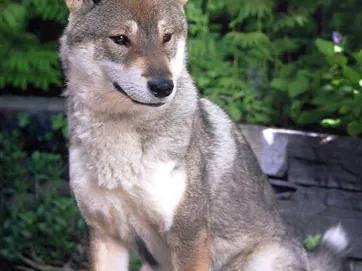
Kishu KenJapan's quiet, loyal boar-hunting spitz
The Kishu Ken is a medium-sized Japanese spitz bred to hunt boar and deer in the mountains of the Kii Peninsula. Calm, clean and deeply loyal to one person, it is also independent and strongly prey-driven, which makes it a breed for experienced owners.
Why people love the Kishu Ken
- Calm, dignified and quiet in the house
- Generally clean, with little dog odor
- Deeply loyal to its primary person
- Moderate exercise needs
- Rarely barks, even when hunting
Things to consider
- Strong, often silent prey drive toward small animals
- Can be confrontational with same-sex dogs
- Independent and not eager to please
- Heavy seasonal coat blow
- Rare in the US, few breeders
Is this breed right for you?
10 questions · live resultHistory and Origin
The Kishu Ken comes from the mountainous Kii Peninsula in today's Wakayama and Mie prefectures. Hunters there used these dogs to track and hold wild boar and deer, often working silently until the game was found. In 1934 the breed was designated a natural monument of Japan.
Early Kishus came in various colors, but white became dominant during the 20th century; red and sesame dogs still occur. The FCI recognizes the breed in Group 5 (spitz and primitive types). The AKC added it to the Foundation Stock Service and in 2023 assigned it to the Hound Group designation. It stands about 17 to 22 inches tall and weighs roughly 31 to 60 lb.
Size, Coat and Colors
The Kishu Ken is a medium-sized Japanese spitz-type dog with a sturdy, well-balanced build. Adults stand about 17 to 22 inches at the shoulder and weigh roughly 31 to 60 lb. Males are generally at the upper end and more strongly built, while females are slightly smaller and lighter.
The head is broad with triangular, pricked ears that tilt slightly forward and small, deep-set eyes. The body is muscular and compact, with a deep chest and a tail carried curled or sickle-shaped over the back.
The double coat consists of a harsh, straight outer coat and a soft, dense undercoat. Recognized colors are:
- White: by far the most common today.
- Red: shades of fawn to red.
- Sesame: red with black-tipped hairs.
White Kishus may have slight shading on the ears. The coat is thicker in winter and sheds heavily during seasonal coat blows.
Temperament and Personality
Kishus are calm, dignified and quiet in the house. They often bond intensely with one person while being polite with the rest of the family. With strangers they are aloof rather than friendly.
Their hunting heritage shows in a strong, often silent prey drive: they may stalk and chase small animals without warning. Some Kishus can be confrontational with other dogs, especially of the same sex. They are generally better suited to homes with older children who respect their space.
Is the Kishu Ken Good for First-Time Owners?
Generally not. The Kishu's independence, strong prey drive and potential for same-sex dog conflicts suit experienced owners best.
First-time owners often expect a dog to be eager to please, but Kishus decide for themselves whether a request makes sense. They need consistent, patient training and careful management around small animals and other dogs. Recall is rarely reliable around wildlife. An experienced owner, especially one with background in Japanese or other primitive breeds, will find the Kishu easier to understand and manage. Joining a breed community or working with a trainer experienced in spitz breeds helps owners understand how Kishus think.
Are Kishu Kens Easy to Train?
Not especially. Kishus are intelligent but independent, and training requires patience and creativity.
Use short, varied, reward-based sessions. Kishus may quickly lose interest in repetitive drills or decline to perform if they see no point. Harsh corrections tend to backfire. Basic manners are achievable, but expect limited off-leash reliability. Early socialization with dogs and people is essential. Owners who enjoy working with thoughtful, independent dogs often find Kishus rewarding. Hand-feeding part of meals during training can build engagement with dogs that are not very food driven, and progress tends to come steadily rather than quickly.
Are Kishu Kens Good With Cats?
Often not. Kishus have a strong, often silent prey drive and may stalk and chase cats without warning.
A Kishu raised from puppyhood with a confident household cat may accept it, but outdoor and unfamiliar cats remain at risk. Adult Kishus with no cat experience should be introduced very carefully, if at all. Small pets such as rabbits and rodents are best kept separate. Many Kishu owners choose single-pet or dog-only households for safety. Supervise any contact closely, and never leave a Kishu alone with a cat until you are certain of its behavior over a long period of time.
Exercise and Training
The Kishu needs moderate daily exercise: brisk walks, hikes and play in a secure area. It enjoys exploring and scent work more than repetitive games.
- Training requires patience. Kishus are intelligent but independent and decide for themselves whether a request makes sense.
- Use short, varied, reward-based sessions.
- Recall is rarely reliable around wildlife; keep it on a leash outside fenced areas.
- Socialize early with dogs and people, and supervise interactions with other dogs.
Many Kishus can stay alone for moderate periods if they have a routine, though they still need daily engagement.
Grooming and Shedding
The double coat has a harsh, straight outer coat and a soft, dense undercoat. Brush weekly; during the seasonal coat blow, the undercoat comes out in clumps and daily brushing helps. Kishus are known for being clean and having little dog odor. White coats can stain, so wipe the face and paws as needed.
Feeding and Nutrition
The Kishu Ken is a medium-sized, athletic dog with moderate energy needs. Keep it lean, with ribs easy to feel under the dense double coat, which can hide weight gain.
Feed puppies three to four meals a day at first, moving to two meals by about six months. A complete puppy food and steady growth support healthy joints; elbow screening is recommended in the breed.
- Feed adults two measured meals a day.
- Some Kishus have allergies and skin inflammation. Itching, redness and recurring ear problems can sometimes involve food sensitivities; work through any elimination trial with your vet.
- Hypothyroidism is reported in the breed. Unexplained weight gain despite unchanged feeding is worth discussing with your vet.
Kishus are often less food-motivated than many breeds, so find high-value treats that work for your dog. Use small amounts and count them toward the daily ration.
| Adult weight | Less active | Typical adult | Very active |
|---|---|---|---|
| 31 lb | 710 kcal | 810 kcal | 1,020 kcal |
| 46 lb | 960 kcal | 1,090 kcal | 1,370 kcal |
| 60 lb | 1,170 kcal | 1,330 kcal | 1,670 kcal |
Estimates use the resting energy formula veterinarians work with (70 × body weight in kg0.75) and standard activity factors. Use the feeding guide on your food as a starting point and adjust to body condition. Puppies, seniors, pregnant animals and pets that need to lose weight have different needs, so ask your vet.
Health and Lifespan
Kishus typically live about 12 to 15 years. Reported health concerns include:
- Eye problems: entropion, persistent pupillary membranes and juvenile cataracts
- Allergies and skin inflammation (dermatitis)
- Hypothyroidism and Addison's disease (hormonal disorders)
Elbow screening is also recommended. Choose breeders who perform eye exams and orthopedic screening and who are open about health in their lines.
Kishu Ken Price and Cost of Ownership
The Kishu Ken is rare in the US, listed in the AKC Foundation Stock Service, and prices are not widely published. Some puppies are imported from Japan or Europe, which adds travel and import costs. Prices vary by breeder, region and lines. Rescue Kishus are rare.
Breed-specific cost drivers include:
- Import costs, including transport and veterinary paperwork.
- Eye exams and orthopedic screening in breeding dogs.
- Treatment for allergies, skin inflammation or hormonal disorders such as hypothyroidism.
- Grooming tools such as undercoat rakes for seasonal shedding.
Japanese breeders may require a detailed application, and shipping a puppy internationally involves airline rules, health certificates and quarantine considerations that vary by state.
Is the Kishu Ken Right for You?
The Kishu suits experienced owners who appreciate a quiet, independent dog and can manage strong prey drive. It can live in an apartment if exercised daily, but it is not ideal for homes with cats, small pets or multiple same-sex dogs.
- Good fit: experienced owners, adults or families with older children, single-dog households.
- Poor fit: homes with small pets, first-time owners, people seeking an eager-to-please dog.
Kishu Ken Traits at a Glance
Kishu Ken FAQ
How big do Kishu Kens get?
They stand about 17 to 22 inches at the shoulder and weigh roughly 31 to 60 lb.
Are Kishu Kens good family dogs?
They are loyal and calm but often bond to one person and are independent. They suit families with older children and experienced owners best.
Do Kishu Kens bark a lot?
Usually not. They are generally quiet dogs, even when hunting.
Do Kishu Kens shed?
Yes. They shed moderately year-round and heavily during the seasonal coat blow.
How long do Kishu Kens live?
Typically about 12 to 15 years.
Are Kishu Kens good with other dogs?
Some are, but many can be confrontational with dogs of the same sex. Early socialization and supervision help.