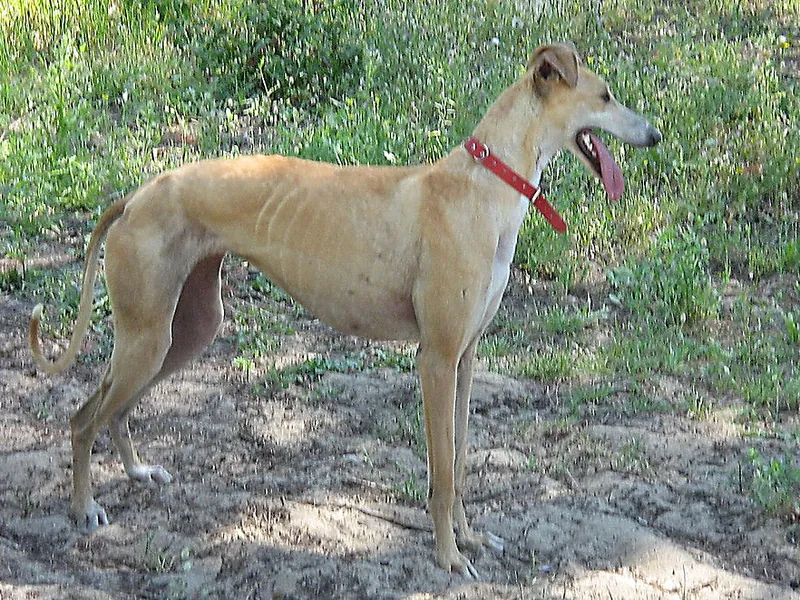
AzawakhThe elegant sighthound of the Sahel
The Azawakh is a tall, extremely lean sighthound from the Sahel region of West Africa. Loyal to its family yet reserved with strangers, it suits experienced sighthound owners who can provide safe running space and gentle handling.
Why people love the Azawakh
- Elegant, striking sighthound with a unique silhouette
- Loyal and affectionate with its own family
- Very short coat that needs minimal grooming
- Handles heat well
- Natural watchdog that warns of strangers
Things to consider
- Very high prey drive; cats and small pets at risk
- Needs safe, fenced space to sprint regularly
- Reserved or aloof with strangers
- Sensitive to cold and needs coats in winter
- Rare in the US, with limited breeders
Is this breed right for you?
10 questions · live resultHistory and Origin
The Azawakh comes from the Azawakh Valley region spanning Mali, Niger and Burkina Faso. Nomadic peoples, including the Tuareg, kept these dogs for hunting gazelle, hare and other game at speed under the desert sun, and as guards of their camps.
The breed came to Europe in the 1970s and was recognized by the FCI, with Mali as its country of origin. The AKC added it to the Hound Group in 2019. It remains uncommon outside Africa and Europe.
In its homeland the Azawakh is valued both as a hunter and as a camp guardian, often living in small groups and warning of approaching strangers or predators. Coat colors range from light sand to dark fawn and brindle, often with white markings, and other colors are seen in African dogs.
Size, Build and Colors
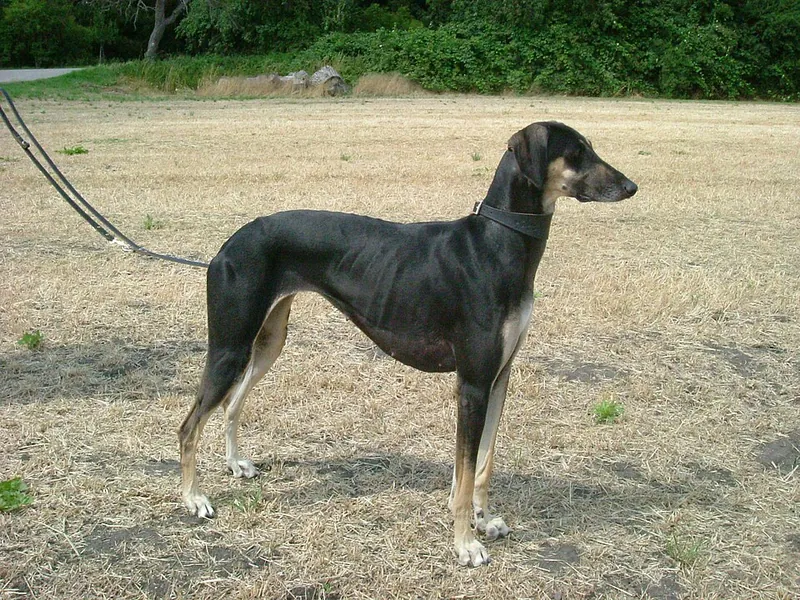
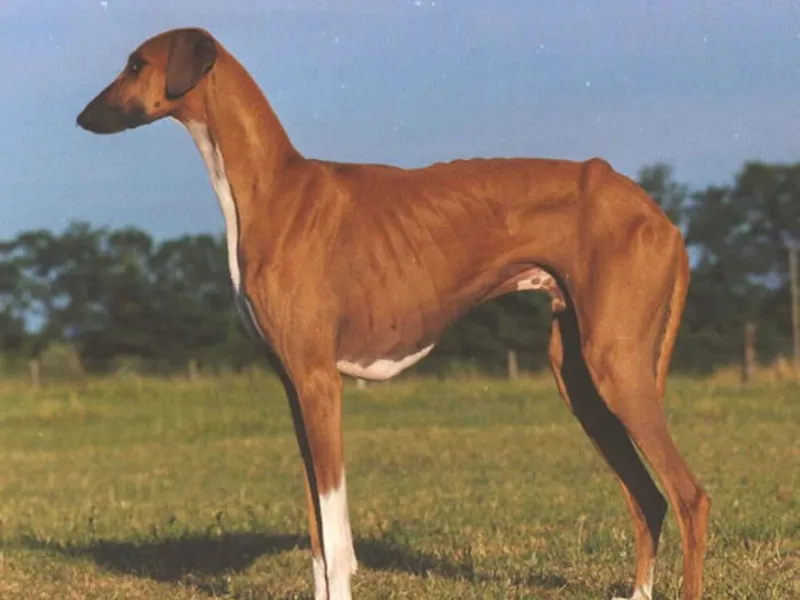
The Azawakh is a tall, extremely lean sighthound whose body fits in a vertical rectangle: it is noticeably taller than it is long. Adults stand 24 to 29 inches at the shoulder and weigh about 33 to 55 lb. Males are taller, around 25 to 29 inches, while females are smaller and lighter.
The breed is built for speed in hot climates. The bone structure and muscles show clearly through thin skin, and the hip bones typically protrude. This leanness is correct for the breed and should not be mistaken for underfeeding. The head is long and fine, with drop ears and almond-shaped eyes.
The coat is very short and fine, almost absent on the belly. Colors have long been a topic of discussion:
- The FCI standard traditionally describes fawn shades from light sand to dark fawn, including brindle, with white markings such as a blaze and white socks.
- The AKC standard accepts a broader range of colors seen in African dogs, such as black, blue, red, grizzle and parti-colors.
The gait is light and elastic, with a characteristic floating trot.
Temperament and Personality
Azawakhs are loyal, affectionate and gentle with their own family but reserved and often aloof toward strangers. They are sensitive, perceptive dogs that respond poorly to harsh handling and do best in calm households.
They tend to be pack oriented and enjoy the company of other dogs, especially other sighthounds. Prey drive is very high, so cats and small animals are at risk. With young children, they can be a challenge because they dislike rough handling and noise.
Many Azawakhs bond closely with one or two people. They are often described as cat-like in their independence and sense of personal space and prefer to approach strangers on their own terms rather than being touched.
Is the Azawakh Good for First-Time Owners?
Generally no. The Azawakh is a sensitive, independent sighthound with a guarding streak, and it does best with owners who already know sighthounds or primitive breeds.
Challenges for beginners include:
- Reserved behavior with strangers that needs careful socialization
- Very high prey drive and unreliable recall
- Sensitivity to harsh voices and chaotic homes
- Finding a breeder in the US
A first-time owner who is calm, patient and willing to work closely with a breeder or mentor can succeed, but most beginners find a Whippet or Greyhound easier.
Are Azawakhs Easy to Train?
They are intelligent and learn quickly, but they are not eager-to-please in the way many sporting dogs are. Azawakhs think for themselves and need a reason to cooperate.
Training works best when it is:
- Calm, gentle and short
- Based on rewards the dog values
- Built on trust rather than repetition or pressure
Socialization is the most important part of training, as it helps a naturally wary breed handle visitors, vet visits and new places. Recall is unreliable around moving animals, so lure coursing and fenced running areas replace off-leash freedom.
Is the Azawakh a Good Apartment Dog?
It can be, with commitment. Azawakhs are often calm indoors and spend much of the day resting, so a quiet apartment can suit them better than many people expect.
The key is regular access to a securely fenced area where the dog can sprint at full speed several times a week, plus daily walks on leash. Without that outlet, restlessness builds.
Busy buildings with constant strangers in hallways and elevators can stress a reserved Azawakh, so socialization matters. Soft bedding is also important, as their bony frame is prone to pressure sores on hard floors.
Exercise and Training
Azawakhs need daily exercise, including regular opportunities to run at full speed in a securely fenced area. Lure coursing and racing are excellent outlets. Off-leash running in open areas is risky because the chase instinct overrides recall.
Training should be calm, patient and gentle. They learn quickly but are independent thinkers. Socialization from puppyhood helps reduce their natural wariness.
They tolerate heat well but not cold, so plan winter exercise carefully.
Grooming and Shedding
The very short, fine coat needs minimal grooming: a weekly wipe and occasional bath. Shedding is moderate. With almost no body fat, Azawakhs are sensitive to cold and need coats and warm beds in cooler climates. Soft bedding protects their bony frame from pressure sores.
Check skin for scrapes after runs, since the coat offers little protection.
Feeding and Nutrition
Feeding an Azawakh starts with understanding that a correct body looks very lean. Visible hip bones and slightly visible ribs are normal for the breed, so owners and vets unfamiliar with sighthounds sometimes push for extra food that is not needed. A breeder or sighthound-experienced vet can help you judge condition.
That said, true underweight, such as sharply visible spine or loss of muscle, deserves attention. Azawakhs can be picky eaters and their appetite may vary with temperature and activity.
- Feed two or three smaller meals a day rather than one large meal, as the breed is deep-chested and at risk of bloat.
- Avoid sprinting for about an hour before and after meals.
- Puppies grow quickly in height; feed measured meals and avoid pushing growth.
- Hypothyroidism has been reported in the breed, so mention unexplained weight changes to your vet.
Use small, soft treats for training, since this sensitive breed responds better to rewards than to corrections.
| Adult weight | Less active | Typical adult | Very active |
|---|---|---|---|
| 33 lb | 750 kcal | 850 kcal | 1,070 kcal |
| 44 lb | 930 kcal | 1,060 kcal | 1,320 kcal |
| 55 lb | 1,090 kcal | 1,250 kcal | 1,560 kcal |
Estimates use the resting energy formula veterinarians work with (70 × body weight in kg0.75) and standard activity factors. Use the feeding guide on your food as a starting point and adjust to body condition. Puppies, seniors, pregnant animals and pets that need to lose weight have different needs, so ask your vet.
Health and Lifespan
Azawakhs often live 12 to 15 years. Health issues seen in the breed include bloat (a risk in deep-chested dogs), hypothyroidism and von Willebrand disease, a bleeding disorder. Autoimmune conditions have also been reported.
They have a high pain tolerance, which can mask injuries, so check them carefully after runs. Like many sighthounds, they may be sensitive to anesthetics.
Azawakh Price and Cost of Ownership
Typical breeder price in the US$2,000 to $4,000
Azawakhs are rare in the US, and puppies from reputable breeders commonly cost around $2,000 to $4,000. Prices vary by breeder, region and lines, and imported dogs can cost more. Expect a waitlist and a thorough screening by the breeder.
Rescue Azawakhs are uncommon, but sighthound rescue groups and the national breed club occasionally place adults that need a new home.
Breed-specific ongoing costs include:
- Coats, sweaters and warm beds for cooler months
- Access to fenced running areas or lure coursing fees
- Thyroid and von Willebrand testing
- Insurance that covers bloat surgery and injuries from running
- Anesthesia planning with a sighthound-aware vet
Is the Azawakh Right for You?
An Azawakh suits experienced owners with a calm home, a securely fenced yard and a love of sighthounds. It is not a beginner's dog.
- Good match: sighthound fans, adults or families with older children, homes with another dog.
- Think twice: homes with cats or small pets, busy households with toddlers, cold climates without indoor warmth.
Azawakh Traits at a Glance
Azawakh FAQ
Are Azawakhs good family dogs?
They are loyal to their family but best suited to calm homes with older children.
How big do Azawakhs get?
They stand about 24 to 29 inches tall and weigh roughly 33 to 55 lb.
Do Azawakhs get cold easily?
Yes. They have very little body fat and short coats, so they need warm coats in cool weather.
Can Azawakhs live with cats?
It is risky. Their prey drive is very high, so they are better suited to homes without small pets.
Are Azawakhs good with strangers?
They are typically reserved and aloof with strangers.
How long do Azawakhs live?
Typically 12 to 15 years.