ShikokuJapan's rare mountain hunting spitz
The Shikoku is a rare Japanese spitz bred to hunt wild boar and deer in the mountains of Shikoku island. Agile, alert and devoted to its family, it keeps a strong hunting instinct and an independent mind, which makes it a breed for experienced owners.
Why people love the Shikoku
- Loyal, devoted companion to its family
- Clean, fastidious and nearly odor-free
- Athletic partner for hiking and outdoor sports
- Alert watchdog without constant barking
- Primitive, wolf-like look and character
Things to consider
- Very strong prey drive toward cats and small pets
- Independent and not eager to obey on command
- Same-sex dog conflicts can occur
- Escape artist that needs secure fencing
- Rare in the US, often requiring import
Is this breed right for you?
10 questions · live resultHistory and Origin
The Shikoku comes from the mountainous Kochi Prefecture on Shikoku island, where hunters used medium-sized dogs to track and hold wild boar. It was formerly known as the Kochi Ken.
In 1937, Japan designated the breed a national natural monument, alongside other native breeds. Because the remote mountain regions were isolated, the Shikoku retained a primitive, wolf-like type. The AKC lists it in the Foundation Stock Service.
Three regional strains, Hata, Awa and Hongawa, contributed to the modern Shikoku. The Hongawa line from remote mountain villages is considered the purest.
Size, Coat and Colors
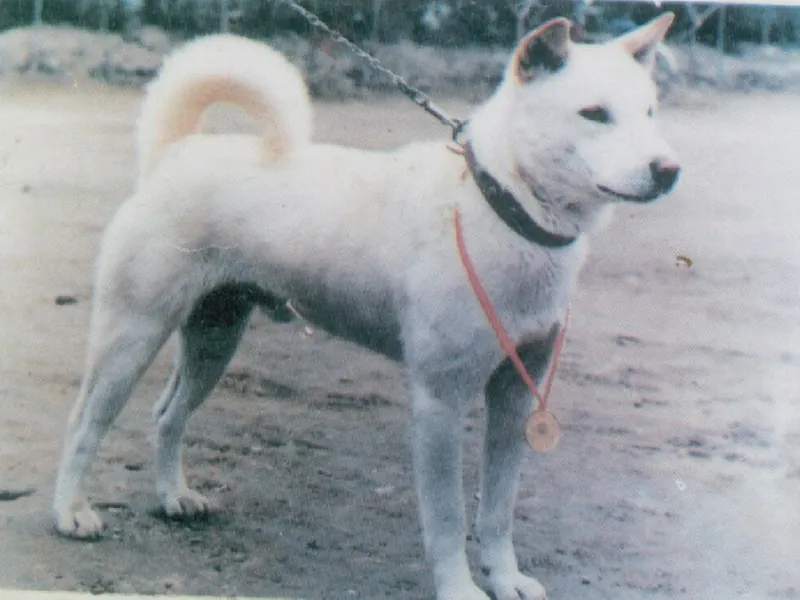
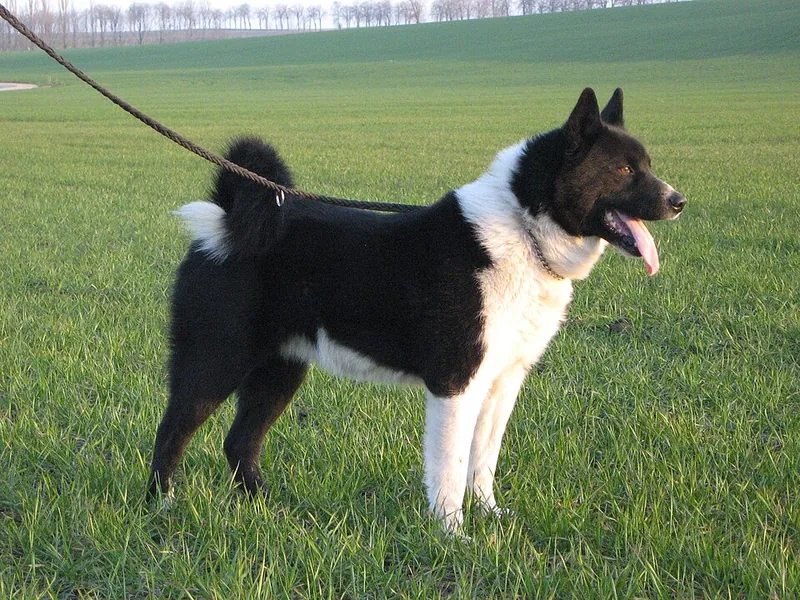
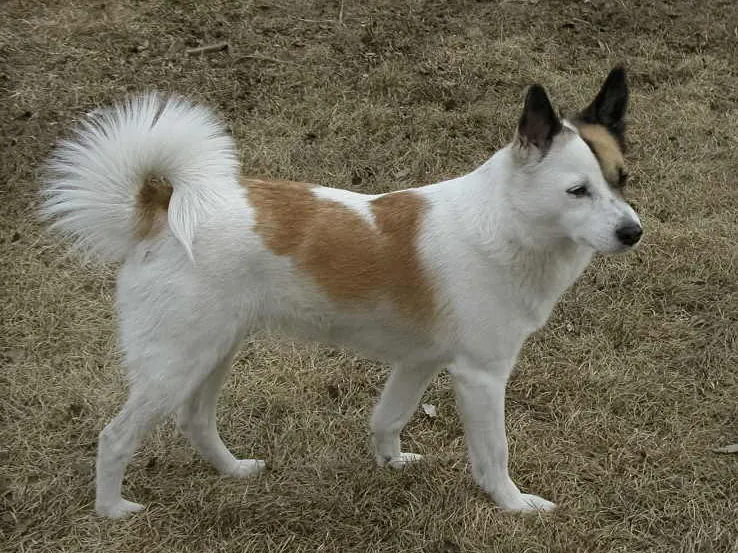
The Shikoku is a medium-sized Japanese spitz with a balanced, muscular build. Adults stand about 18 to 22 inches at the shoulder and weigh roughly 35 to 55 lb. Males are typically around 20 to 22 inches, with a broader head and heavier frame, while females are around 18 to 20 inches and more refined.
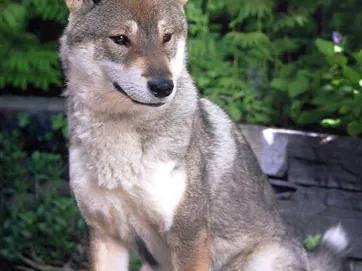
The head is broad, with a wedge-shaped muzzle, small, triangular erect ears tilted slightly forward and dark brown, triangular eyes. The tail is thick and carried over the back in a curl or sickle shape.
The double coat has a harsh, straight outer coat over a soft, dense undercoat. The main colors are:
- Sesame: an even mix of red and black hairs.
- Black sesame: more black than red.
- Red sesame: a red base with black-tipped hairs.
All colors show urajiro, the cream or white shading on the cheeks, underside, chest, legs and under the tail. Some Shikokus darken or lighten as they mature, and puppy coats can look quite different from the adult color.
Temperament and Personality
Shikokus are alert, energetic and loyal to their family, often forming a strong bond with one person. They are reserved with strangers and make attentive watchdogs.
Their prey drive is very high, so small pets and cats are at risk. Same-sex dog aggression can occur. They are intelligent but independent, which makes training a partnership rather than a matter of commands.
Shikokus often show a cat-like personality: affectionate on their own terms, clean and observant. They may be playful with family but are usually aloof with outsiders. Their independence means they are not a breed for owners who want constant obedience.
Are Shikokus Good for First-Time Owners?
Generally no. The Shikoku is an independent, primitive breed with a strong prey drive, and it is best suited to experienced owners.
New owners would need to handle a dog that does not obey just to please, may not tolerate other dogs of the same sex and needs secure fencing and leash walking at all times. Training is a partnership built on trust and rewards rather than commands. Because the breed is rare, finding breed-specific support can also be difficult. First-time owners interested in Japanese breeds might start with more common, well-supported breeds and gain experience first.
Are Shikokus Easy to Train?
Shikokus are intelligent but not easy to train in the traditional sense. They think for themselves and will cooperate when they see a reason, not just because they are asked.
Training works best with:
- Positive, reward-based methods and lots of patience.
- Short sessions with variety to hold their interest.
- Avoiding confrontation, which damages trust.
- Early and ongoing socialization with people and dogs.
Recall is rarely reliable because of the hunting drive, so leash walks and secure areas are essential. Many owners find nosework, tracking and hiking more rewarding than formal obedience.
Can Shikokus Be Left Alone?
They can cope with moderate periods alone if well exercised, but long, regular absences can lead to boredom, destructive behavior or escape attempts.
Build alone time gradually from puppyhood. Give a good walk or run before leaving, and provide chews or puzzle toys. Many Shikokus are escape artists, so a secure crate, safe room or well-checked yard is important. Leaving a Shikoku alone in a yard for hours is not advised, since it may dig or climb out. For full-time workers, a midday walk helps keep this athletic breed content.
Exercise and Training
This is an athletic breed that needs daily vigorous exercise: long walks, hikes, running and scent games. Without enough outlet, it can become restless and destructive.
- Always use a leash or secure fencing; the hunting drive is strong.
- Socialize early and often with people and dogs.
- Use consistent, reward-based training and avoid confrontation.
Because of their hunting background, Shikokus enjoy activities that let them use their nose and agility, such as tracking, lure coursing and hiking in varied terrain. They can be escape artists, so check fences for gaps or weak spots.
Grooming and Shedding
The Shikoku has a dense double coat, usually in sesame, black sesame or red sesame. Weekly brushing is enough most of the year, but expect heavy seasonal shedding when daily brushing helps.
Like other Japanese spitz breeds, many Shikokus are fastidious and tend to keep themselves clean. Trim nails and check ears regularly.
During shedding seasons, warm baths followed by thorough blow-drying can help loosen the undercoat faster. Outside these periods, the coat needs little attention.
Feeding and Nutrition
Shikokus are naturally lean and athletic, and keeping them that way supports their joints. The double coat can hide weight changes, so check by touch: ribs should be easy to feel, with a visible waist.
- Feed adults two meals a day; puppies three or four.
- Adjust portions to activity, since very active dogs need more.
- Feed dogs separately in multi-dog homes, as some guard food.
Puppies should grow steadily on a balanced diet suited to medium-sized breeds. Avoid overfeeding to protect developing hips.
Like other Japanese spitz breeds, some Shikokus are picky eaters or have sensitive digestion. Introduce new foods gradually and avoid frequent switching. A consistent feeding routine helps.
Coat condition reflects overall nutrition, especially during heavy seasonal shedding. A complete, balanced diet supplies the protein and fatty acids needed for healthy skin and coat. Food rewards work well in training and should be counted as part of the daily ration. Always provide fresh water, particularly after hiking or running.
| Adult weight | Less active | Typical adult | Very active |
|---|---|---|---|
| 35 lb | 780 kcal | 890 kcal | 1,110 kcal |
| 55 lb | 1,090 kcal | 1,250 kcal | 1,560 kcal |
Estimates use the resting energy formula veterinarians work with (70 × body weight in kg0.75) and standard activity factors. Use the feeding guide on your food as a starting point and adjust to body condition. Puppies, seniors, pregnant animals and pets that need to lose weight have different needs, so ask your vet.
Health and Lifespan
Shikokus are generally robust and live about 10 to 12 years. Hip dysplasia and idiopathic epilepsy have been reported. Because the breed is rare outside Japan, health data are limited.
Look for breeders who perform hip and eye screening and are open about their dogs' health history.
Shikokus are typically lean and athletic, and keeping them that way supports their joints. Annual checks and early screening for hip issues are wise.
Shikoku Price and Cost of Ownership
The Shikoku is rare in the US, with only a small number of breeders, and many dogs are imported from Japan or other countries. There is no reliable US price range. Prices vary by breeder, region and lines, and import costs such as travel and paperwork add significantly. Ask breeders about hip and eye screening and the health history of the parents.
Rescue availability is very limited, but Japanese breed rescues sometimes place Shikokus or similar spitz breeds.
Breed-specific ongoing costs include:
- Secure, escape-proof fencing.
- Training or behavior support, especially for dog-to-dog issues.
- Grooming tools for heavy seasonal shedding.
- Possible import costs.
Is the Shikoku Right for You?
At 35 to 55 lb and 18 to 22 inches, the Shikoku suits experienced, active owners who enjoy the outdoors and respect a primitive breed's independence. A secure yard is important.
It is not a good choice for first-time owners, homes with cats or small pets, or apartment living.
Because the breed is rare, finding a breeder may take time and require importing. Be prepared to research the breed thoroughly and talk to experienced owners before committing.
Shikoku Traits at a Glance
Shikoku FAQ
Is the Shikoku the same as the Shiba Inu?
No. Both are Japanese spitz breeds, but the Shikoku is larger and was bred for hunting wild boar.
Are Shikokus good family dogs?
They are loyal to their family but independent and reserved, so they suit experienced owners best.
Do Shikokus shed?
Yes, especially during seasonal coat changes.
How big do Shikokus get?
They stand about 18 to 22 inches tall and weigh around 35 to 55 lb.
How long do Shikokus live?
Typically 10 to 12 years.
Are Shikokus good with other pets?
Their strong prey drive means they may chase cats and small animals. Some live with other dogs if raised together.