Korean Jindo DogKorea's fiercely loyal island hunter
The Korean Jindo is famous for its intense loyalty to one person or family and its clever, independent mind. Clean, quiet and athletic, it is a rewarding companion for experienced owners, but its strong prey drive and selective attitude toward other animals need careful handling.
Why people love the Korean Jindo Dog
- Deeply loyal and devoted to its family
- Very clean and often easy to house-train
- Calm indoors and not a constant barker
- Long-lived and generally healthy
- Attentive watchdog with a reserved manner
Things to consider
- Strong prey drive toward cats and small pets
- Often intolerant of same-sex dogs
- Independent, selective attitude to training
- Skilled escape artist; needs tall, solid fencing
- Heavy twice-yearly shedding
Is this breed right for you?
10 questions · live resultHistory and Origin
The breed comes from Jindo Island off the southwestern tip of the Korean Peninsula. Island isolation helped preserve a distinct native dog that hunted game such as deer and boar, often working alone or in small groups, and guarded homes.
South Korea designated the Jindo a national natural monument in 1962, and the dogs on Jindo Island are protected. The breed is known in Korea for stories of dogs finding their way home over long distances. The FCI recognized the Korea Jindo Dog in 2005, and the AKC records it in its Foundation Stock Service.
Size, Colors and Coat
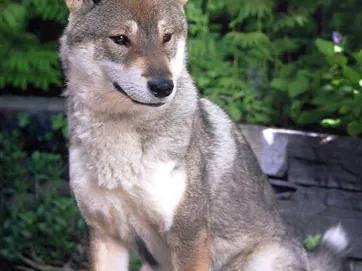
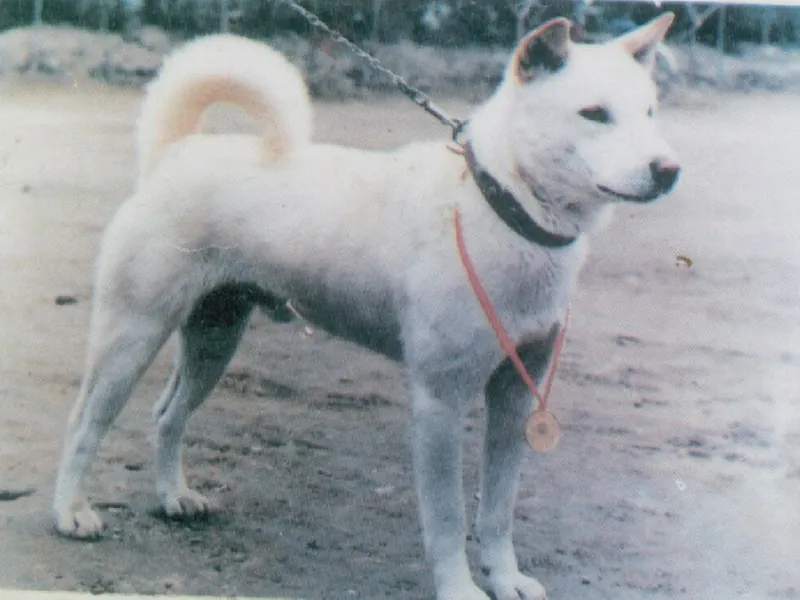
The Korean Jindo is a medium-sized spitz-type dog with a well-proportioned, athletic build, triangular erect ears and a curled or sickle-shaped tail. It stands about 18 to 22 inches at the shoulder and weighs roughly 33 to 51 lb. Males are clearly larger than females: the FCI standard places males at about 19.5 to 21.5 inches and females at about 18 to 19.5 inches, with males heavier and broader in the head.
In Korea, two body types are recognized informally: a stockier, more square type and a slimmer, slightly longer type.
The double coat has a stiff outer coat and a soft, dense undercoat. Recognized colors include:
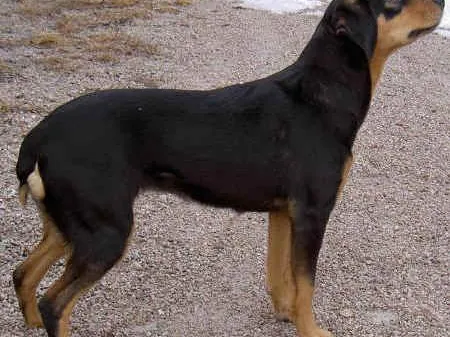
- Fawn (red), the most common color in Korea
- White
- Black and tan
- Wolf gray
- Brindle
- Black
The eyes are almond-shaped and dark, giving an alert, intelligent expression.
Temperament and Personality
Jindos are deeply devoted to their family, and many attach most strongly to one person. They are reserved or aloof with strangers and make attentive watchdogs without being constant barkers. Indoors they are typically calm and very clean, and many are easy to house-train.
The breed often does not tolerate other animals well. Same-sex dog conflicts are common, and cats, rabbits and other small pets may be treated as prey. Jindos usually do best as the only pet or with a carefully matched opposite-sex dog.
A common story among owners is that Jindos rarely relieve themselves indoors and avoid muddy puddles, a cat-like tidiness that surprises many first-time owners of the breed.
Is the Korean Jindo Good for First-Time Owners?
Usually not. The Jindo is better suited to owners with dog experience, as its independence, selective attitude to other animals and escape skills require careful management.
First-time owners often find the Jindo's training style challenging, as it decides for itself whether a request is worthwhile. Its strong prey drive and frequent same-sex dog conflicts also limit multi-pet homes. A first-time owner who still wants the breed should consider an adult rescue whose temperament is known, invest in tall, solid fencing and work with a trainer familiar with primitive or spitz breeds.
Are Korean Jindos Easy to Train?
Jindos are intelligent and learn fast, but they are not easy to train in the traditional sense. They are independent thinkers and decide whether a request is worth doing.
Training works best with reward-based methods, short sessions and a strong relationship built on trust. Harsh methods tend to damage the bond. House training is often easy, as Jindos are very clean. Recall is the hardest skill, since the hunting instinct can override commands, so keep the dog on a leash in open areas. Early socialization with people is especially important for this reserved breed.
Is the Korean Jindo a Good Apartment Dog?
A Jindo can adapt to an apartment if it gets enough daily exercise, but it is not ideal. Its calm, clean indoor manner and moderate barking are pluses for apartment life.
The challenges are its need for about an hour of daily exercise, its dislike of long hours alone and its reserve with strangers in shared hallways or elevators. Many Jindos are reluctant to relieve themselves on concrete or near home, so frequent walks to grassy areas may be needed. Owners who are home often and can provide outdoor time each day are most likely to succeed.
Exercise and Training
Plan for about an hour of daily exercise: long walks, hikes and play in a securely fenced area. Jindos are agile climbers and diggers, so fences should be tall and solid with no footholds.
Training requires patience. Jindos learn fast but decide for themselves whether a request is worth doing, and repetitive drills bore them. Use reward-based methods, build trust and keep the dog on leash in open areas, because the hunting instinct can override recall. Early socialization with people is especially important.
Mental work helps too. Puzzle feeders, scent games and short trick sessions give a Jindo something to think about and reduce escape attempts and boredom digging.
Grooming and Shedding
The Jindo has a double coat with a stiff outer layer and soft undercoat, in colors such as fawn, white, black and tan, brindle and gray. Weekly brushing is usually enough, but twice a year the dog blows its undercoat and sheds heavily for a few weeks; daily brushing helps then. Many Jindos keep themselves very clean and need few baths.
Feeding and Nutrition
Jindos are often described as moderate, even picky eaters, and many regulate their food intake well. Monitor body condition rather than relying on appetite alone, and adjust portions to activity.
- Feed adults two meals a day; puppies usually get three or four meals until around six months.
- Use high-value treats for training, as Jindos can be selective about rewards.
- Feed separately from other dogs, since food can trigger conflicts in a breed often intolerant of same-sex dogs.
Hypothyroidism occurs in the breed and can cause weight gain or coat changes despite normal portions. If your Jindo gains weight without eating more, ask your vet to check thyroid function before cutting food drastically. Discoid lupus affects the nose and is not a dietary issue, but report any changes in nose pigment to your vet. Puzzle feeders give this clever dog something to think about.
| Adult weight | Less active | Typical adult | Very active |
|---|---|---|---|
| 33 lb | 750 kcal | 850 kcal | 1,070 kcal |
| 51 lb | 1,030 kcal | 1,180 kcal | 1,480 kcal |
Estimates use the resting energy formula veterinarians work with (70 × body weight in kg0.75) and standard activity factors. Use the feeding guide on your food as a starting point and adjust to body condition. Puppies, seniors, pregnant animals and pets that need to lose weight have different needs, so ask your vet.
Health and Lifespan
Jindos are generally healthy and long-lived, often reaching 14 to 15 years. Conditions noted in the breed include hypothyroidism and discoid lupus, an autoimmune skin disease that typically affects the nose. Watch for changes in coat, weight or nose pigment and have them checked. Buy from breeders who health-test their dogs, or contact Jindo rescues, which often have dogs needing homes.
Korean Jindo Dog Price and Cost of Ownership
Jindos from breeders are rare in the US, and there is no well-established US price range. Prices vary by breeder, region and lines, and some buyers import from Korea, which adds flights, health certificates and paperwork.
Adoption is the most common route. Many Jindos and Jindo mixes in US rescues were rescued from dog meat farms or shelters in South Korea, and several organizations specialize in placing them. Adoption fees usually cover vaccinations and transport.
Breed-specific ongoing cost drivers include:
- Tall, solid fencing without footholds, plus dig guards
- Professional training from someone experienced with primitive breeds
- Thyroid testing and medication if hypothyroidism develops
- Deshedding tools or professional help during coat blows
Is the Korean Jindo Dog Right for You?
A Jindo may be right for you if you:
- Have dog experience and enjoy an independent, thinking companion
- Can offer a secure yard and daily outdoor time
- Have no small pets and are cautious with other dogs
It is a poor fit for apartments with long hours alone, multi-pet homes, or owners who want a dog that loves everyone.
Korean Jindo Dog Traits at a Glance
Korean Jindo Dog FAQ
Are Jindo dogs good family pets?
They can be loyal family dogs with the right owner. They are often reserved with strangers and do best with experienced handlers and older, respectful children.
Are Jindos good with other dogs?
Many are selective, especially with dogs of the same sex. Cats and small pets are often at risk due to strong prey drive.
How big do Korean Jindos get?
Adults stand about 18 to 22 inches tall and weigh roughly 33 to 51 lb.
Do Jindos shed a lot?
They shed moderately most of the year and heavily twice a year when the undercoat comes out.
How long do Jindo dogs live?
Jindos usually live about 14 to 15 years.