Karelian Bear DogFinland's fearless big-game hunting spitz
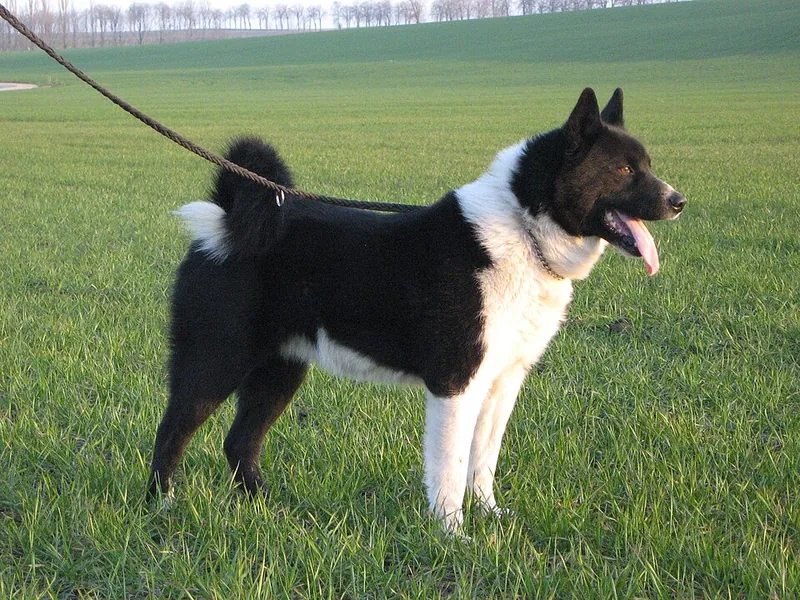
The Karelian Bear Dog is a medium-sized black and white spitz that Finnish hunters use to locate and hold bears, moose and other big game. It is brave, intensely independent and built for long days in the forest. It suits experienced, outdoorsy owners far better than first-time or suburban households.
Why people love the Karelian Bear Dog
- Fearless, hardy working dog suited to harsh climates
- Loyal and closely bonded with its own family
- Weatherproof coat needs only weekly brushing most of the year
- Alert watchdog that notices everything
- Few reported breed-specific health problems
Things to consider
- Extreme prey drive; cats and small pets are at real risk
- Often intolerant of unfamiliar dogs, especially same-sex
- Off-leash recall is unreliable once it scents game
- Loud, persistent barker by design
- Rare in the US; few breeders and long waits
Is this breed right for you?
10 questions · live resultHistory and Origin
The breed comes from Karelia, the forested borderland between Finland and Russia, where local hunters kept laika-type spitz dogs to track large game. A structured breeding program began in Finland in the 1930s, and the first breed standard followed shortly after.
The Second World War nearly wiped the breed out. Finnish enthusiasts rebuilt it from a small number of surviving dogs, and today it is one of Finland's most respected hunting breeds. In North America, Karelian Bear Dogs are known for wildlife work, including programs that use them to haze bears away from people and settlements rather than harm them.
Size, Coat and Colors
The Karelian Bear Dog is a medium-sized, robust spitz with a slightly longer-than-tall body, strong bone and a confident, alert expression. Adults stand about 20 to 22 inches at the shoulder and weigh roughly 37 to 62 lb. Males are clearly larger and more powerful than females, with a broader head and heavier build.
The head is wedge-shaped with a broad skull, small, erect ears with slightly rounded tips and small brown eyes. The tail is curled over the back, typically touching one side, and natural bobtails occur.
The coat is straight and stand-off, with harsh guard hairs over a soft, dense undercoat. It is longer on the neck, back and backs of the thighs, giving the dog a ruff in winter coat.
Color is black, often with a slightly brownish or dull tinge, with clear white markings. White typically appears on the head, neck, chest, belly, legs and tail tip. The proportion of white varies widely between dogs, from small markings to extensive white patches. Solid colors without white, or any color other than black and white, are faults in the FCI standard.
Temperament and Personality
A Karelian Bear Dog works by finding big game on its own, then barking and circling to hold the animal in place until the hunter arrives. That job requires a dog that makes its own decisions and does not back down. Those traits show up at home too.
With its own family the breed is loyal and can be affectionate, but it is not a people-pleaser. Many are intolerant of unfamiliar dogs, especially of the same sex, and the prey drive is extreme: cats, livestock and small pets are at real risk. It is an alert, vocal watchdog. Our data rates it low for life with young children, mainly because of its intensity and low tolerance for rough handling, so close supervision is essential.
Do Karelian Bear Dogs Bark a Lot?
Yes. Barking is part of the breed's job: a Karelian finds big game, then barks continuously to hold it in place until the hunter arrives. That loud, persistent voice carries over to home life.
Expect barking at wildlife, unfamiliar sounds and strangers near the property. Training can teach a quiet cue and reduce nuisance barking, but it will not create a silent dog. The breed is a poor fit for close neighbors, apartments or areas with noise rules. Rural owners often appreciate the alarm system, especially those living near wildlife. Regular exercise and scent work reduce frustration barking, though not alert barking.
Are Karelian Bear Dogs Good With Other Dogs?
Many are selective, and some are intolerant of other dogs, particularly of the same sex. The breed was selected for boldness when facing large animals, and that confidence can turn into confrontations with unfamiliar dogs.
Opposite-sex pairings raised together have the best chance of living peacefully. Introductions should be slow and supervised, and dog parks are generally best avoided. Early socialization with calm, stable dogs helps, though it will not erase the breed's natural tendency. Owners should be able to recognize stiff body language and intervene early. Some individuals are easygoing, so meeting both parents gives useful insight into a puppy's likely adult behavior.
Are Karelian Bear Dogs Good for First-Time Owners?
Generally not. The Karelian Bear Dog is independent, strong-willed and driven by instincts that training cannot override, which makes it challenging even for many experienced owners.
A successful owner understands spitz breeds, has secure, tall fencing and offers serious outdoor work such as hunting, tracking or long hikes. They also need to manage prey drive and dog selectivity for the dog's entire life. First-time owners drawn to the breed's look and toughness may find a more cooperative northern breed, or an established sporting breed, easier to live with. Connecting with breed clubs and working owners before committing is strongly recommended.
Exercise and Training
Expect to provide well over an hour of vigorous activity every day. Long hikes, running on a long line in safe areas, scent work and structured tracking games suit the breed better than repetitive fetch.
- Off-leash time is only realistic in securely fenced areas; once it picks up a scent, recall usually fails.
- Fences need to be tall and secure, because the breed is athletic and resourceful.
- Training works best with calm consistency, short sessions and rewards the dog actually values.
- Early, ongoing socialization with other dogs is important, though it will not erase the breed's natural selectiveness.
Grooming and Shedding
The straight, harsh outer coat and dense undercoat protect the dog in Nordic winters. Weekly brushing is enough most of the year. Expect heavy shedding once or twice a year, when daily brushing with an undercoat rake helps. The coat sheds dirt fairly well, so frequent bathing is unnecessary. Check nails, ears and paw pads after outings in rough terrain.
Feeding and Nutrition
Karelian Bear Dogs are usually lean, hard-muscled working dogs, and many are moderate eaters for their size. Their needs can change dramatically with the seasons: a dog working in the forest or pulling long winter hikes may need much more food than the same dog in summer. Adjust portions to body condition rather than following a fixed amount.
Some Karelians are possessive of food. Feed them in a quiet place away from other pets, and teach children never to approach a dog while it eats. Trading games, where the dog learns that a person approaching means something better, can help prevent guarding.
- Feed adults two meals a day; working dogs may benefit from a small meal before activity and the main meal after rest.
- Keep the dog lean to support hips over a long working life.
- Carry water on long outings and check for ticks and injuries after meals in the field.
- Use high-value rewards for recall and quiet training, deducted from daily food.
| Adult weight | Less active | Typical adult | Very active |
|---|---|---|---|
| 37 lb | 810 kcal | 930 kcal | 1,160 kcal |
| 50 lb | 1,020 kcal | 1,160 kcal | 1,450 kcal |
| 62 lb | 1,200 kcal | 1,370 kcal | 1,710 kcal |
Estimates use the resting energy formula veterinarians work with (70 × body weight in kg0.75) and standard activity factors. Use the feeding guide on your food as a starting point and adjust to body condition. Puppies, seniors, pregnant animals and pets that need to lose weight have different needs, so ask your vet.
Health and Lifespan
The Karelian Bear Dog is generally considered a hardy working breed with a typical lifespan of 11 to 13 years. Reliable sources do not list many breed-specific conditions, but responsible breeders still screen hips and eyes, as recommended by the AKC.
Working dogs face practical risks, such as injuries from encounters with large game. Keep vaccinations and parasite control current if your dog spends time in the forest, and choose a puppy from health-tested parents.
Karelian Bear Dog Price and Cost of Ownership
The Karelian Bear Dog is rare in the US, and there is no well-established, widely published price range. Puppies usually come from a small number of breeders connected to breed clubs or from working lines, sometimes imported from Finland. Prices vary by breeder, region and whether the parents are proven hunting or wildlife dogs, and import costs add significantly.
Rescue dogs appear occasionally, often adults whose owners could not manage prey drive or barking, and breed club networks are the best way to find them.
Breed-specific ongoing costs include:
- Tall, secure fencing with dig guards
- GPS tracking collars for outdoor work
- Training with professionals who know hunting spitz breeds
- Liability coverage, given the breed's intensity with other animals
- Higher food volume during working seasons
Is the Karelian Bear Dog Right for You?
This breed fits a rural home with an experienced owner who hunts, hikes or does serious outdoor work and understands strong-willed spitz breeds. It is a poor match for apartments, homes with cats or small pets, long working days alone, or busy dog parks.
If you want a loyal, tough, all-weather companion and can manage its independence and prey drive, a Karelian Bear Dog can be deeply rewarding. If you want an easygoing family pet, look elsewhere.
Karelian Bear Dog Traits at a Glance
Karelian Bear Dog FAQ
How big do Karelian Bear Dogs get?
They stand about 20 to 22 inches at the shoulder and usually weigh 37 to 62 pounds, with males larger than females.
Are Karelian Bear Dogs good family dogs?
They bond closely with their family but are intense, independent and often intolerant of other animals. They are best for experienced adults or families with older children and plenty of supervision.
Do Karelian Bear Dogs really hunt bears?
Yes. In Finland they are used to locate and hold bears, moose and other big game by barking, and in North America some work in programs that move bears away from people.
Can a Karelian Bear Dog live with cats?
It is risky. The breed's prey drive is very strong, and many individuals never become trustworthy with cats or small pets.
Do Karelian Bear Dogs shed?
Yes. They shed moderately year-round and heavily during seasonal coat blows.
How long do Karelian Bear Dogs live?
Most live about 11 to 13 years.