SamoyedThe smiling sled dog of Siberia
The Samoyed is a friendly, fluffy white spitz whose upturned lips give it a famous smile. Bred to herd reindeer and pull sleds in Siberia, it is energetic, sociable and talkative, and suits active families who can handle heavy shedding, regular grooming and a dog that hates being left out.
Why people love the Samoyed
- Friendly, sociable temperament with people, children and dogs
- Hardy, athletic dog for hiking, sledding and cold-weather sports
- Clever and playful, enjoys learning tricks and dog sports
- Coat sheds dirt well once dry and has little odor
- Typical lifespan of 12 to 14 years
Things to consider
- Heavy shedding and seasonal coat blows mean constant hair
- Needs at least an hour of vigorous exercise daily
- Vocal: barks, howls and talks, especially when bored
- Struggles in hot climates and needs air conditioning
- Does not tolerate long hours alone
Is this breed right for you?
10 questions · live resultHistory and Origin
The breed takes its name from the Samoyedic peoples of northwestern Siberia, including the Nenets, who kept these dogs for centuries. The dogs herded reindeer, pulled sleds, guarded camps and slept close to their people, which helps explain their strong attachment to humans.
In the late 1800s explorers and traders brought Samoyeds to Britain, where breeding favored the white coat. Samoyeds also pulled sleds on polar expeditions in the early 20th century. The Kennel Club registered the breed in the early 1900s, and the AKC recognized it in 1906.
Size, Coat and Colors
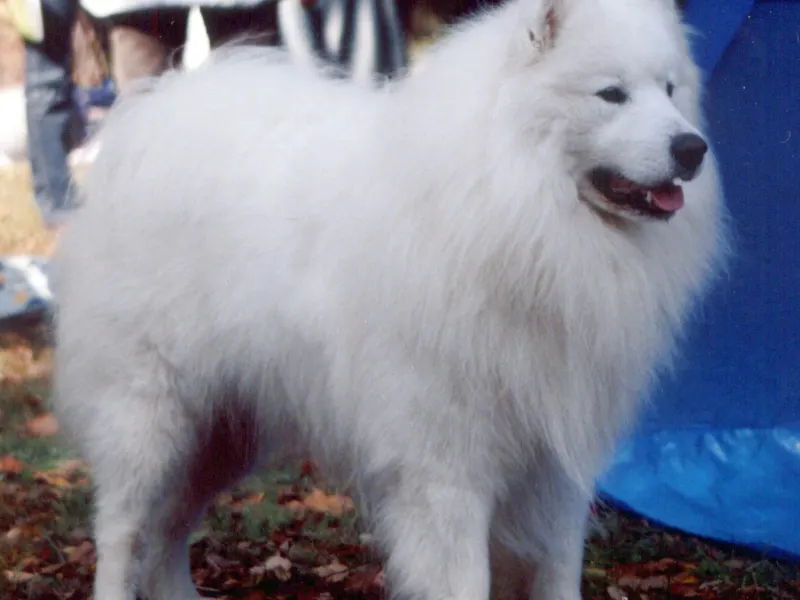
The Samoyed is a strong, medium-sized working spitz with a wedge-shaped head, dark almond eyes, erect ears and black lips that curl up at the corners into the famous Sammy smile. The tail is long and plumed and carried over the back when the dog is alert.
Adults stand about 20 to 24 inches and weigh roughly 35 to 64 lb. The AKC standard gives males 21 to 23.5 inches and females 19 to 21 inches. Males are visibly more masculine, with a heavier ruff and broader head, while females are lighter but should still look capable of sled work.
The double coat has a soft, thick, woolly undercoat and a longer, harsher outer coat that stands away from the body and shimmers with silver tips. A large ruff frames the neck, especially in males.
Accepted colors are:
- pure white
- white and biscuit
- cream
- all biscuit
Black or other colored Samoyeds are not part of the breed standard.
Temperament and Personality
Samoyeds are gentle, playful and very social. Most love everyone, including strangers and children, which makes them a popular family dog but a poor guard. They will announce visitors loudly, then greet them happily.
The breed is vocal. Samoyeds bark, howl and talk when excited or bored. They need company and become noisy or destructive when left alone for long hours. Some retain a herding urge and may nip at heels or chase running children, which can be redirected with training.
Samoyeds are often clever problem-solvers that can open doors, dig under fences and find ways to get attention. Crate training and plenty of interactive toys help puppies learn to settle calmly.
Are Samoyeds Good for First-Time Owners?
Samoyeds can work for first-time owners who are well prepared, but they are not an easy beginner dog. Their friendly temperament is a big plus: they are rarely sharp with people and usually love children and other dogs.
The challenges are practical. Expect daily vigorous exercise, several grooming sessions a week, constant white hair and a talkative dog that gets noisy when bored. Samoyeds are also independent thinkers that may ignore a cue they find pointless. Beginners do best when they join a puppy class early, learn coat care from the breeder and plan their schedule so the dog is rarely alone for long.
Can Samoyeds Live in Apartments?
Some Samoyeds live in apartments, but it is rarely the easiest setup. Size alone is not the problem. Barking, howling and the need for vigorous daily exercise are the real issues, and shared walls make a vocal Samoyed noticeable.
An apartment can work if you commit to long daily walks or runs, mental games, training and plenty of company, and if your building has an elevator or you can manage stairs with a large, fluffy dog. Air conditioning is essential in summer. Expect white hair on everything and invest in a strong vacuum. A house with a yard in a cooler climate remains the better fit.
Can Samoyeds Be Left Alone?
Not for long periods. Samoyeds were bred to live and work closely with people and many become noisy, anxious or destructive when left alone for a full workday.
Most adults can manage a few hours once they are tired and used to it. Teach short absences from puppyhood, give a long walk before you leave and provide chew toys and food puzzles. For longer days, a dog walker, doggy daycare or a second compatible dog can help. Samoyeds left alone in a yard tend to dig or escape, so indoor confinement in a dog-proofed room is safer.
Exercise and Training
A Samoyed needs at least an hour of vigorous exercise daily: long walks, hiking, running once grown, and ideally a job. Sledding, skijoring, bikejoring, herding and agility suit the breed well. The thick coat means overheating is a real risk, so exercise in cool hours in summer.
Samoyeds are intelligent but independent, often obeying on the second request rather than the first. Short, varied, reward-based sessions work best, and repetition bores them. Practice recall on a long line, as many will chase or wander.
Many Samoyeds also enjoy pulling a cart or small sled, a good outlet for their working heritage once they are fully grown.
Grooming and Shedding
The double coat has a dense, woolly undercoat and a longer, harsh outer coat. It sheds steadily and blows heavily once or twice a year, when the undercoat comes out in clumps.
- Brush thoroughly two or three times a week, and daily during the coat blow.
- Use a slicker brush, pin brush and undercoat rake, working down to the skin.
- Never shave the coat: it insulates against both cold and heat.
The coat sheds dirt fairly well once dry, so full baths are needed only occasionally.
Feeding and Nutrition
Samoyeds are energetic working dogs, but their needs vary widely between a dog that pulls sleds and a family pet that walks twice a day. The thick coat hides weight gain, so check body condition with your hands regularly.
- Feed a puppy food suited to medium-to-large breeds and keep puppies lean, since steady growth supports hip development in a breed where hip dysplasia occurs.
- Give puppies three or four meals a day, then two meals for adults.
- As a deep-chested breed, Samoyeds have some risk of bloat. Avoid hard exercise right before and after meals and discourage gulping.
- Adjust portions for season and activity: working or sledding dogs need more in winter, pets often need less in summer.
Some Samoyed lines carry the inherited kidney disease Samoyed hereditary glomerulopathy. If your dog is diagnosed with any kidney issue, follow your veterinarian's diet guidance closely. Use small, healthy training rewards and count them in the daily total.
| Adult weight | Less active | Typical adult | Very active |
|---|---|---|---|
| 35 lb | 780 kcal | 890 kcal | 1,110 kcal |
| 50 lb | 1,020 kcal | 1,160 kcal | 1,450 kcal |
| 64 lb | 1,230 kcal | 1,400 kcal | 1,750 kcal |
Estimates use the resting energy formula veterinarians work with (70 × body weight in kg0.75) and standard activity factors. Use the feeding guide on your food as a starting point and adjust to body condition. Puppies, seniors, pregnant animals and pets that need to lose weight have different needs, so ask your vet.
Health and Lifespan
Samoyeds typically live 12 to 14 years. Health conditions in the breed include:
- Samoyed hereditary glomerulopathy, an inherited kidney disease mainly affecting males
- Progressive retinal atrophy and retinal dysplasia
- Heart defects, including aortic and pulmonic stenosis
- Hip dysplasia
Ask breeders for hip scores, eye exams and available DNA tests on both parents.
Samoyed Price and Cost of Ownership
Typical breeder price in the US$1,500 to $4,000
A Samoyed puppy from a reputable US breeder typically costs about $1,500 to $4,000. Prices vary by breeder, region and lines, and waiting lists are common for well-known breeders. Spitz and Samoyed rescues also rehome adults, often surrendered because of shedding or noise.
The main ongoing cost drivers are:
- Professional grooming, especially bath-and-blowout sessions during coat blows
- Quality brushes, rakes and a high-velocity dryer if you groom at home
- Air conditioning and cooling equipment in warm regions
- Health screening and insurance covering hips, eyes and inherited kidney disease
- Equipment for sledding, skijoring or bikejoring
Expect higher food bills for very active working dogs than for typical companions.
Is the Samoyed Right for You?
Samoyeds suit active families in cooler climates who want a friendly, social dog and can be home much of the day. They are not ideal for apartments with thin walls, very hot climates, tidy-house enthusiasts or anyone needing a guard dog.
Visit breeders to see how adult dogs are housed and socialized. Rescue organizations specializing in spitz breeds also regularly rehome adult Samoyeds.
Samoyed Traits at a Glance
Samoyed FAQ
Are Samoyeds good family dogs?
Yes. They are friendly, playful and usually great with children, though their size and energy need managing around toddlers.
How big do Samoyeds get?
They stand about 20 to 24 inches tall and weigh roughly 35 to 64 lb.
Do Samoyeds shed a lot?
Yes. They shed steadily and heavily during seasonal coat blows.
Are Samoyeds hypoallergenic?
No. Despite occasional claims, their heavy shedding makes them a poor choice for most allergy sufferers.
Do Samoyeds bark a lot?
Yes, they are a vocal breed that barks, howls and talks, especially when bored.
How long do Samoyeds live?
Typically 12 to 14 years.