English Cocker SpanielThe merry flushing spaniel of Britain
The English Cocker Spaniel is a compact, sturdy gundog bred to push birds out of thick cover, and it still works with a constantly wagging tail. Affectionate and keen to please, it suits active families who enjoy daily walks and do not mind regular coat care.
Why people love the English Cocker Spaniel
- Cheerful, affectionate and keen to please
- Medium size suits houses and larger apartments
- Very wide range of colors, including striking roans
- Learns quickly with reward-based training
- Sturdy enough for long walks and hikes
Things to consider
- Regular brushing and trims needed for the feathered coat
- Long ears prone to infection
- Nose-down hunting style tests recall
- Food-motivated and prone to weight gain
- Dislikes long periods alone
Is this breed right for you?
10 questions · live resultHistory and Origin
Spaniels were divided by size long before kennel clubs existed. Smaller dogs from the same litters as springers were used on woodcock, which is how the cocker got its name. The Kennel Club in Britain recognized the Cocker Spaniel as a separate breed in 1892, and English breeders kept it as a practical field dog.
In the United States, the cocker developed in a different direction, becoming smaller with a shorter muzzle and a heavier coat. Fanciers who preferred the original type formed the English Cocker Spaniel Club of America in 1936, and the AKC recognized the English Cocker as a separate breed in 1946. In Britain it is simply called the Cocker Spaniel, and working lines remain popular with shooting people.
Size, Colors and Coat
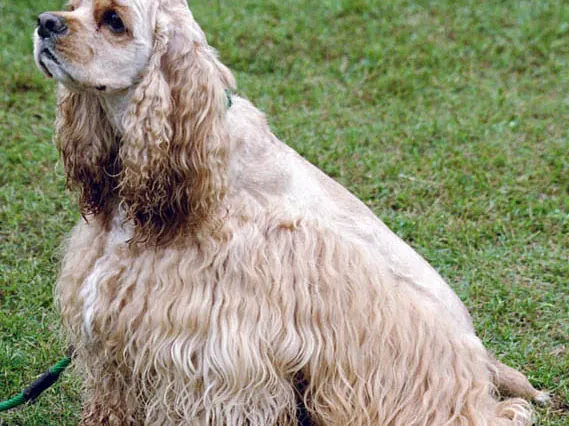
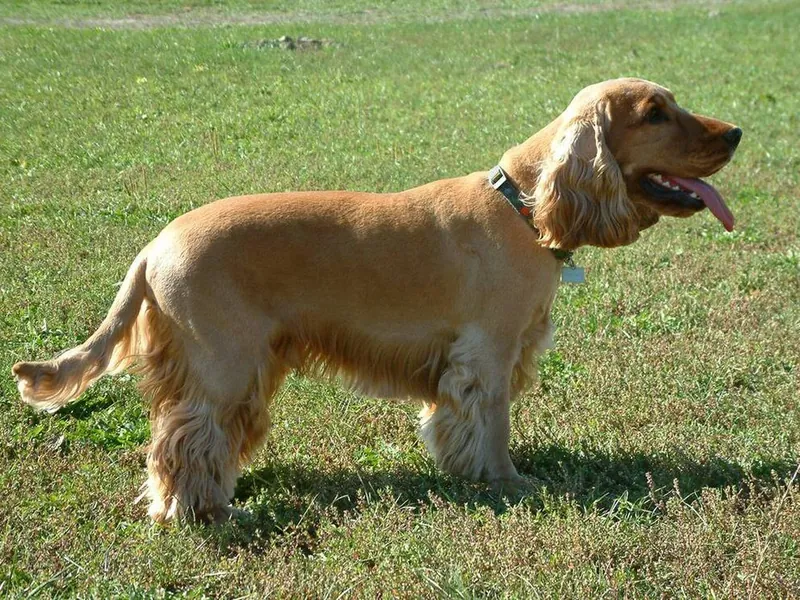
The English Cocker Spaniel is a compact, sturdy gundog standing 15 to 16 inches at the shoulder and weighing 28 to 32 lb. Males are slightly taller and heavier than females. Compared with the American Cocker it has a longer muzzle, a flatter skull, longer legs and less coat.
The coat is silky and flat or slightly wavy, with feathering on the ears, chest, belly and legs. Colors fall into two main groups:
- Solid colors: black, liver (chocolate) and red or golden, with or without tan points. Only a little white on the chest is accepted on solid dogs.
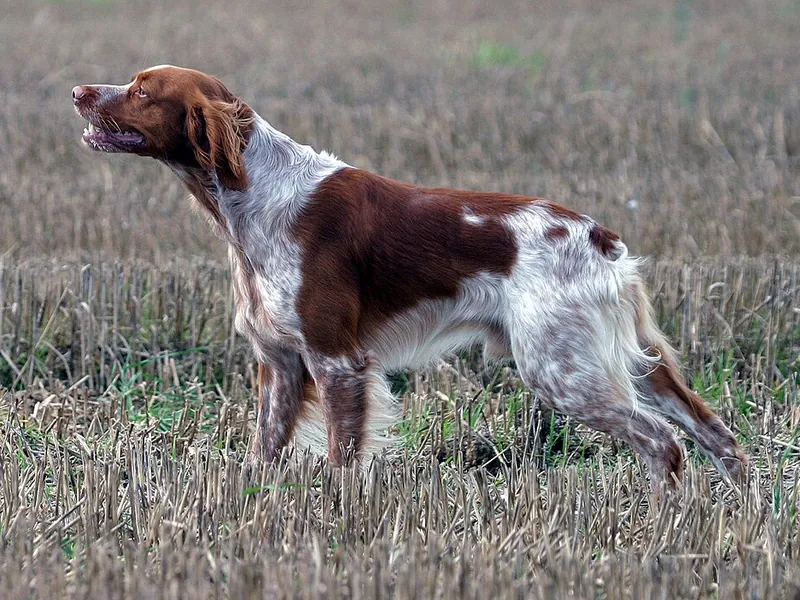
- Parti-colors: black, liver, orange or lemon with white, often roaned, as in blue roan, orange roan, lemon roan and liver roan, plus tricolors.
Working-line cockers from field breeders are often smaller and lighter, with shorter coats and less feathering, while show dogs carry more coat. Tails are docked in the US; in the UK only working dogs may be docked under specific rules.
Temperament and Personality
Breed standards describe the English Cocker as merry, and that fits: most are cheerful, cuddly and very attached to their people. They are usually gentle with children and get along with other dogs, especially when raised with them.
The hunting instinct is intact. Many English Cockers quarter the ground nose-down on walks and will follow a scent trail or flush a pheasant if given the chance. They are sensitive dogs that react poorly to harsh handling, and they do not like long hours alone. Without company and activity, some become vocal or chew.
Is the English Cocker Spaniel Good for First-Time Owners?
Yes, the English Cocker is a good choice for many first-time owners who can provide daily exercise and regular coat care.
It is friendly, eager to learn and a manageable size. Beginners should focus on two areas. First, recall: the cocker's nose leads it into hedges and after birds, so practice on a long line before trusting it off leash. Second, grooming: plan weekly ear checks, brushing two or three times a week and trims around the feet and ears. Show lines are usually calmer for a first dog than intense working lines, so tell breeders how active your household really is.
Do English Cocker Spaniels Bark a Lot?
English Cockers are moderately vocal: they bark to alert you to visitors and sounds but are not usually nuisance barkers when exercised and kept company.
Barking tends to increase when a cocker is bored, under-exercised or left alone for long periods. Working-line dogs without an outlet for their drive can be especially noisy. Daily off-leash running in a safe area, scent games and retrieving help. Teach a quiet cue early, reward calm behavior at the door, and avoid shouting, which this sensitive breed may take as joining in.
Are English Cocker Spaniels Aggressive?
Most English Cockers are gentle and friendly, but the breed is linked to a rare condition sometimes called rage syndrome, so it is worth understanding.
Rage syndrome describes sudden, unprovoked episodes of aggression, historically reported more often in solid-colored lines, especially reds and goldens. Researchers believe genetics play a role, and responsible breeders select against it. Many cases labeled this way turn out to be resource guarding, fear or pain, which are manageable with training and vet care. Choose a breeder who is open about temperament in their lines, meet the parents and socialize your puppy thoroughly.
Exercise and Training
Plan on at least an hour of activity a day, ideally with some off-leash running in a safe area. Working-line cockers from field breeders need even more and do best with a job such as gundog training, scent work or agility.
English Cockers learn quickly with reward-based methods, but they can be easily distracted by smells. Practical tips:
- Start recall training early and keep it rewarding, since birds and rabbits will test it.
- Use retrieving games to channel the gundog drive.
- Keep sessions short and upbeat; a scolded cocker often shuts down.
Grooming and Shedding
The coat is silky and medium length on the body, with feathering on the ears, chest, belly and legs. Show-type dogs carry more coat than working types. Brush two to three times a week, more often for heavy-coated dogs, and plan a tidy-up trim every six to eight weeks around the feet, ears and underside.
Shedding is moderate. The long, heavy ears trap moisture and debris, so check and clean them weekly and dry them after swimming. Look for burrs and grass seeds in the feathering after walks in the field.
Feeding and Nutrition
English Cockers love food and gain weight easily, and the feathered coat hides a thickening waist. Feel for the ribs every few weeks and adjust portions to body condition rather than the guideline on the bag. Show-line pets usually need less food than working dogs that spend days in the field.
- Feed puppies three or four meals a day and adults two.
- Use a narrow, deep bowl or a snood to keep the long ears out of food and water.
- Count training treats as part of the daily ration; recall training uses a lot of rewards.
- Increase portions for working dogs during the shooting season and reduce them afterward.
Skin allergies are seen in the breed. If your vet suspects a food component, a supervised elimination diet is the reliable test.
Familial nephropathy is a hereditary kidney disease in the breed. Diet cannot prevent it, which is why DNA testing of parents matters. If a dog is diagnosed with kidney problems, your vet will advise on a suitable diet.
| Adult weight | Less active | Typical adult | Very active |
|---|---|---|---|
| 28 lb | 660 kcal | 750 kcal | 940 kcal |
| 32 lb | 730 kcal | 830 kcal | 1,040 kcal |
Estimates use the resting energy formula veterinarians work with (70 × body weight in kg0.75) and standard activity factors. Use the feeding guide on your food as a starting point and adjust to body condition. Puppies, seniors, pregnant animals and pets that need to lose weight have different needs, so ask your vet.
Health and Lifespan
English Cockers typically live 12 to 14 years. Their long, hanging ears make ear infections a frequent issue. Other conditions seen in the breed include skin allergies, hip dysplasia and inherited eye disease such as progressive retinal atrophy.
Several inherited disorders have DNA tests, including familial nephropathy (a kidney disease of young dogs), adult-onset neuropathy and acral mutilation syndrome. Ask breeders for results for both parents along with hip scores and eye exams. Cockers love food and gain weight easily, so measure meals and count treats.
English Cocker Spaniel Price and Cost of Ownership
Typical breeder price in the US$1,500 to $3,000
An English Cocker puppy from a reputable US breeder typically costs about $1,500 to $3,000. Prices vary by breeder, region and lines, and working lines from field breeders are less common in the US than show lines. Breed rescues occasionally have adults available.
Breed-specific cost drivers include:
- Grooming: a trim every six to eight weeks, either by a groomer or at home with clippers and thinning shears
- Ear care and treatment of recurring ear infections
- DNA testing of breeding dogs for familial nephropathy, PRA and other inherited conditions, reflected in puppy prices
- Pet insurance that covers allergies and eye conditions
- Training classes or gundog training for working-line dogs
Is the English Cocker Spaniel Right for You?
This breed is a strong match for families and active couples who want a medium-sized, affectionate dog that joins in on walks, hikes and games. It adapts to a house or a larger apartment if exercised daily.
It is less suited to people who are away all day, who want a dog that can be trusted off leash near wildlife without training, or who dislike brushing and regular grooming appointments. Choose between show and working lines deliberately, since energy levels differ noticeably.
English Cocker Spaniel Traits at a Glance
English Cocker Spaniel FAQ
Are English Cocker Spaniels good family dogs?
Yes. They are typically gentle, playful and affectionate with children, provided they get enough exercise and are not left alone for long periods.
How big do English Cocker Spaniels get?
Most stand 15 to 16 inches at the shoulder and weigh 28 to 32 lb, with males at the upper end.
What is the difference between an English Cocker and an American Cocker Spaniel?
The English Cocker is taller, with a longer muzzle and less profuse coat. The two were recognized as separate breeds by the AKC in 1946.
Do English Cocker Spaniels shed?
They shed moderately. Regular brushing keeps loose hair under control and prevents mats in the feathering.
How much exercise does an English Cocker Spaniel need?
At least an hour a day of walking and running, plus training games. Working-line dogs need more.
How long do English Cocker Spaniels live?
The typical lifespan is 12 to 14 years.