Boykin SpanielSouth Carolina's compact brown boat dog
The Boykin Spaniel was bred in the swamps of South Carolina to flush wild turkey and retrieve ducks from small boats, and it is still the state's official dog. Merry and soft at home but tireless in the field, it suits active owners who want a medium-sized gundog that loves water.
Why people love the Boykin Spaniel
- Medium size that fits in cars and small boats
- Sweet and easygoing in the house
- Loves water and retrieving
- Usually friendly with visitors and other dogs
- Eager to learn with gentle training
Things to consider
- Needs at least an hour of daily activity
- Prone to ear infections after swimming
- Copes poorly with long hours alone
- Can be sensitive to harsh corrections
- Hip dysplasia and EIC require breeder screening
Is this breed right for you?
10 questions · live resultHistory and Origin
The Boykin's story starts in the early 1900s in Spartanburg, South Carolina, where a small brown spaniel-type stray reportedly followed a man named Alexander L. White home from church. White noticed the dog's knack for retrieving and sent it to his hunting partner, L. Whitaker "Whit" Boykin, who lived near Camden along the Wateree River.
Boykin and his family developed a line of compact, liver-colored dogs for the local style of hunting: turkey in the woods and ducks on the river swamps, often from small boats that had no room for a big retriever. Breeds believed to have contributed include the Chesapeake Bay Retriever, Cocker and Springer Spaniels and the American Water Spaniel, although records are thin.
The Boykin Spaniel Society was formed in 1977, and in 1985 South Carolina named the Boykin its state dog. The AKC admitted the breed to the Sporting Group in 2009. The Kennel Club in the UK does not recognize it.
Size, Colors and Coat
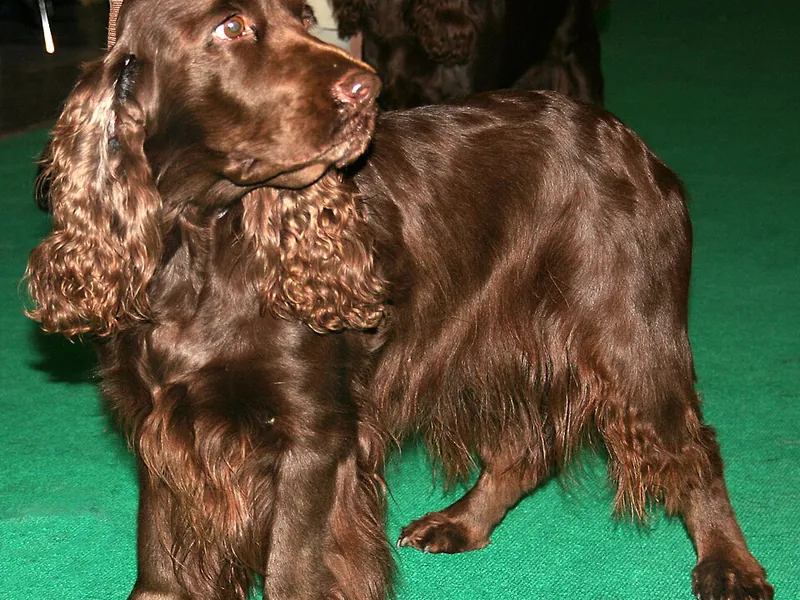
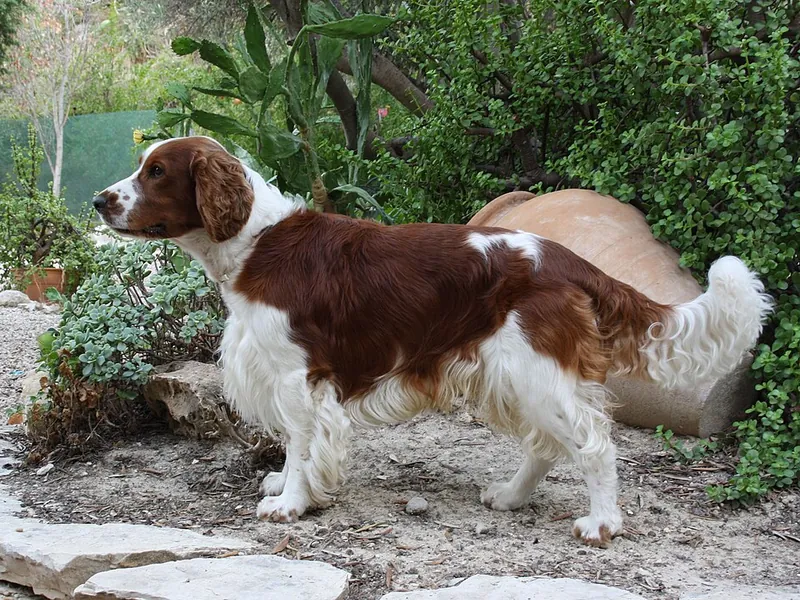
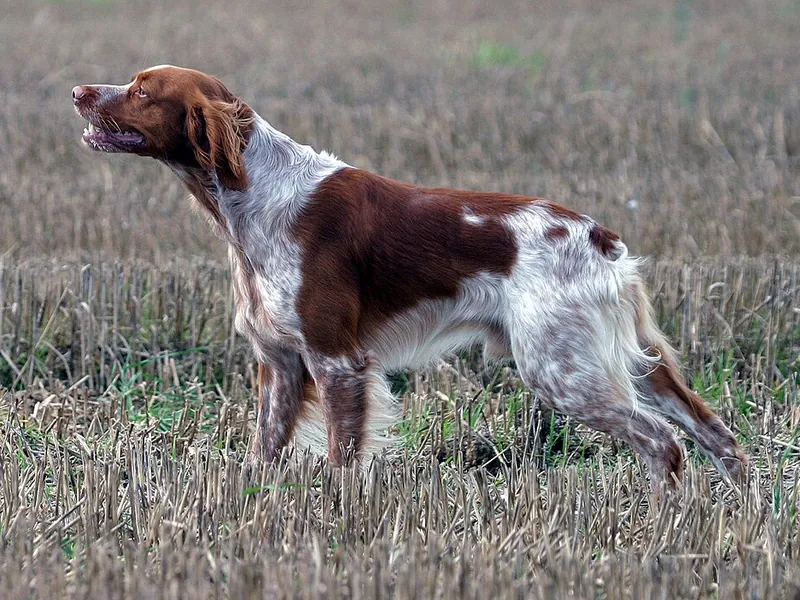
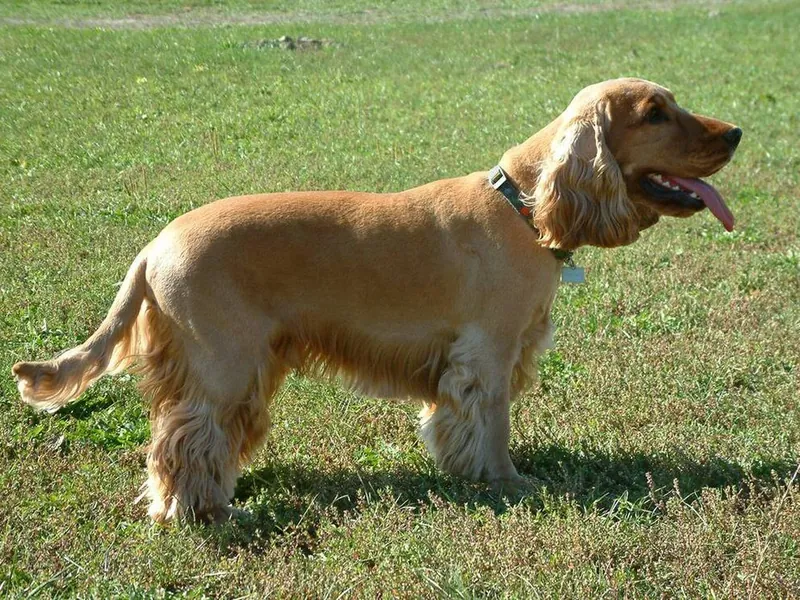
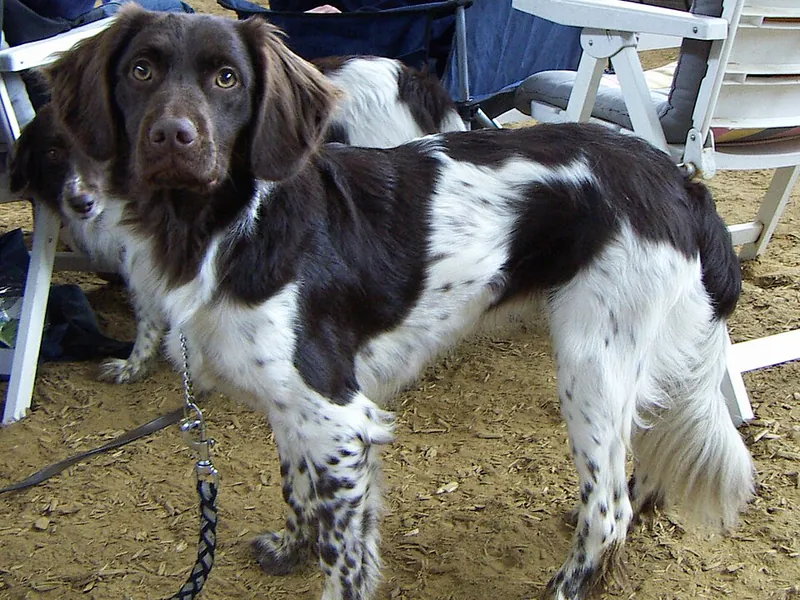
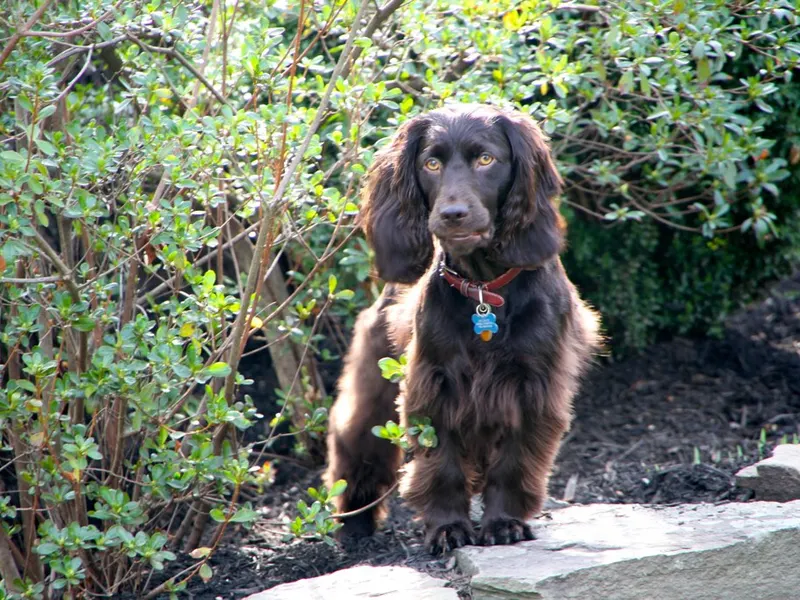
The Boykin Spaniel is a medium-sized, sturdy flushing and retrieving dog, slightly longer than tall, built to be compact enough for small boats. It stands about 14 to 18 inches at the shoulder and weighs roughly 25 to 40 lb. Males are clearly larger than females: males measure about 15.5 to 18 inches and 30 to 40 lb, while females are about 14 to 16.5 inches and 25 to 35 lb.
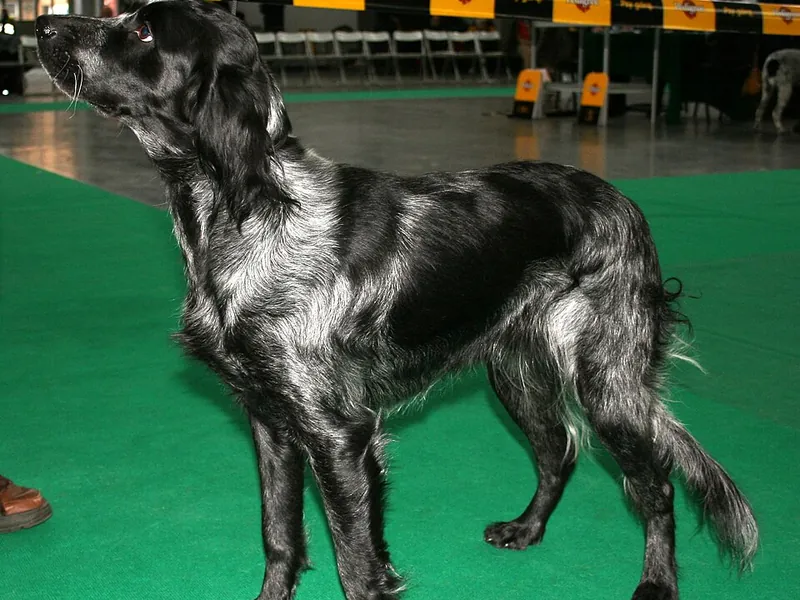
The coat is medium length and can be flat to moderately curly, with light feathering on the ears, chest, legs and belly. Puppies often look different from adults as the coat develops.
Color is one of the breed's trademarks:
- Solid liver, brown or dark chocolate
- A small amount of white on the chest or toes is allowed
The eyes range from yellow to amber to brown, harmonizing with the coat. The tail is traditionally docked in the US, leaving enough length to show motion when the dog works. Webbed toes help it swim.
Temperament and Personality
Owners describe the Boykin as sweet and easygoing in the house and intensely focused in the field. It is a people-oriented spaniel that likes to be close to its family and is usually friendly with visitors rather than suspicious.
Boykins tend to get along well with other dogs. Their bird sense is strong, so a loose chicken or a backyard duck is very tempting, but most can learn to live with a family cat when raised with one. They are typically patient and playful with children, though a young Boykin's enthusiasm can bowl over toddlers.
This is not a breed that copes well with long hours alone. A bored Boykin may chew, dig or bark to fill the time.
Is the Boykin Spaniel Good for First-Time Owners?
Yes, for active first-time owners. The Boykin's friendly, eager nature and medium size make it one of the more approachable sporting breeds.
Beginners should plan for daily exercise, ideally including swimming or retrieving, and for regular ear and coat care. Boykins are sensitive, so gentle, reward-based training works much better than harsh corrections. They also do not like long hours alone. A puppy class, followed by something like hunt tests, dock diving or agility, gives a novice owner structure and an outlet for the dog's energy.
Are Boykin Spaniels Easy to Train?
Generally yes. Boykins are eager to please and learn quickly, and they respond well to food and retrieves as rewards.
Their sensitivity means sessions should stay short and upbeat. The hardest skills are usually recall around birds and water and calm behavior during excitement. Start recall training early with a long line, and practice around distractions gradually. Many Boykins enjoy formal training, from hunting retrieves to obedience and agility. A Boykin with a job is usually easier to live with than one that only gets walks.
Is the Boykin Spaniel a Good Apartment Dog?
It can manage, but it is not ideal. A Boykin's size works in smaller homes, but its energy and love of water and outdoors make a house with a yard and access to open spaces a better fit.
Apartment owners need a solid daily routine: long walks, retrieving games, swimming when possible and mental work like scent games. Boykins left alone for long periods may bark or chew, which neighbors notice. Owners who live near parks, lakes or trails and can take the dog out several times a day are most likely to succeed.
Exercise and Training
Plan on at least an hour of real activity a day. Swimming is ideal: the breed has webbed toes and a strong love of water. Retrieving games, hiking and hunt tests give it an outlet for its instincts, and many Boykins also enjoy dock diving and agility.
Boykins are eager and quick to learn, but they can be sensitive. Harsh corrections tend to make them shut down, while short, upbeat sessions with food and retrieves as rewards get the best results. Work on a reliable recall early, since a flushed bird or a pond can override manners in a young dog.
Grooming and Shedding
The coat is medium length, flat to moderately curly, in solid liver or chocolate, with feathering on the ears, legs and chest. Brush two or three times a week to keep burrs and mats out of the feathering, more often during hunting season.
Shedding is moderate. After swimming, rinse off pond or salt water and dry the ears thoroughly: the long, hanging ear leather traps moisture, and ear infections are a common nuisance in water-loving spaniels. Keep nails short and check the feet for thorns after fieldwork.
Feeding and Nutrition
A Boykin's food needs vary with the season. A dog hunting, swimming or retrieving for hours burns much more than one with only daily walks. Adjust portions by body condition: a fit Boykin has a visible waist and ribs that are easy to feel.
- Feed adults two meals a day; puppies usually get three or four meals until around six months.
- On hunting or training days, give the main meal after work rather than before.
- Use part of the daily ration for training rewards.
Keeping a Boykin lean is the most practical step for joint health in a breed where hip dysplasia is the best-known concern. Dogs carrying or affected by EIC should avoid intense exercise; follow your vet's guidance on activity rather than looking for a dietary fix. Offer water often during long outings, especially in heat, and avoid hard exercise right after a big meal.
| Adult weight | Less active | Typical adult | Very active |
|---|---|---|---|
| 25 lb | 610 kcal | 690 kcal | 870 kcal |
| 40 lb | 860 kcal | 980 kcal | 1,230 kcal |
Estimates use the resting energy formula veterinarians work with (70 × body weight in kg0.75) and standard activity factors. Use the feeding guide on your food as a starting point and adjust to body condition. Puppies, seniors, pregnant animals and pets that need to lose weight have different needs, so ask your vet.
Health and Lifespan
The Boykin typically lives 10 to 15 years. Hip dysplasia is the best-known concern in the breed, so ask to see hip and elbow evaluations for both parents. Breeders also screen for inherited eye disease and use DNA tests for conditions such as exercise-induced collapse (EIC) and degenerative myelopathy.
EIC can cause weakness in the hind legs after intense exercise. If a Boykin wobbles or collapses during hard retrieving, stop and let it cool down and talk to your vet. Keep your dog lean to reduce strain on its joints. Buy from a breeder who health-tests and can show results, or look into breed rescue.
Boykin Spaniel Price and Cost of Ownership
Typical breeder price in the US$1,500 to $2,500
A Boykin Spaniel puppy from a reputable US breeder typically costs around $1,500 to $2,500. Prices vary by breeder, region and lines, and dogs from proven hunting lines may cost more. Most breeders are in the Southeast, especially South Carolina, so travel may be needed.
Boykin Spaniel rescue groups place adult dogs, sometimes from hunting homes.
Breed-specific ongoing cost drivers include:
- Hip, eye and DNA screening for EIC and degenerative myelopathy if not provided by the breeder
- Ear cleaning supplies and treatment for ear infections from frequent swimming
- Hunting gear, training and hunt test fees
- Pet insurance covering orthopedic conditions
Is the Boykin Spaniel Right for You?
A Boykin is a strong match if you:
- spend time outdoors and near water, or hunt birds
- want a medium-sized gundog that fits in a car or small boat
- are home a good part of the day
- prefer gentle, reward-based training
Think twice if you want a low-energy dog, are out of the house all day, or dislike muddy paws and wet dog smell. With enough exercise, a Boykin can adapt to suburban life, but it is happiest with a job to do.
Boykin Spaniel Traits at a Glance
Boykin Spaniel FAQ
Are Boykin Spaniels good family dogs?
Yes, Boykins are usually gentle, playful and patient with children. They need daily exercise and company, so they fit best with active families who are home often.
How big do Boykin Spaniels get?
Males stand about 15.5 to 18 inches and weigh 30 to 40 lb; females are 14 to 16.5 inches and 25 to 35 lb.
Do Boykin Spaniels shed?
They shed moderately year-round. Brushing two or three times a week keeps loose hair and mats under control.
How much exercise does a Boykin Spaniel need?
At least an hour a day of brisk activity, ideally including swimming or retrieving. A Boykin without enough exercise often becomes restless.
Are Boykin Spaniels hypoallergenic?
No. They have a shedding coat and are not a good choice for people with dog allergies.
How long do Boykin Spaniels live?
Most live 10 to 15 years. Choosing a puppy from hip-scored and DNA-tested parents improves the odds of a healthy life.